
Does your car’s air conditioning system emit an unpleasant vinegar smell? This distinct acetic acid smell can be a perplexing issue for many car owners. The most common reasons for a vinegar smell in your car AC are the presence of mold or bacteria within the system, a clogged evaporator drain, or, less commonly, a refrigerant leak.
Many drivers experience a peculiar odor emanating from their car’s AC system, and the distinct smell of vinegar is a common culprit. This isn’t just an annoyance; it can point to underlying issues that need attention to ensure both your comfort and the health of your vehicle. This guide aims to demystify why your car AC might smell like vinegar and what steps you can take to resolve it.
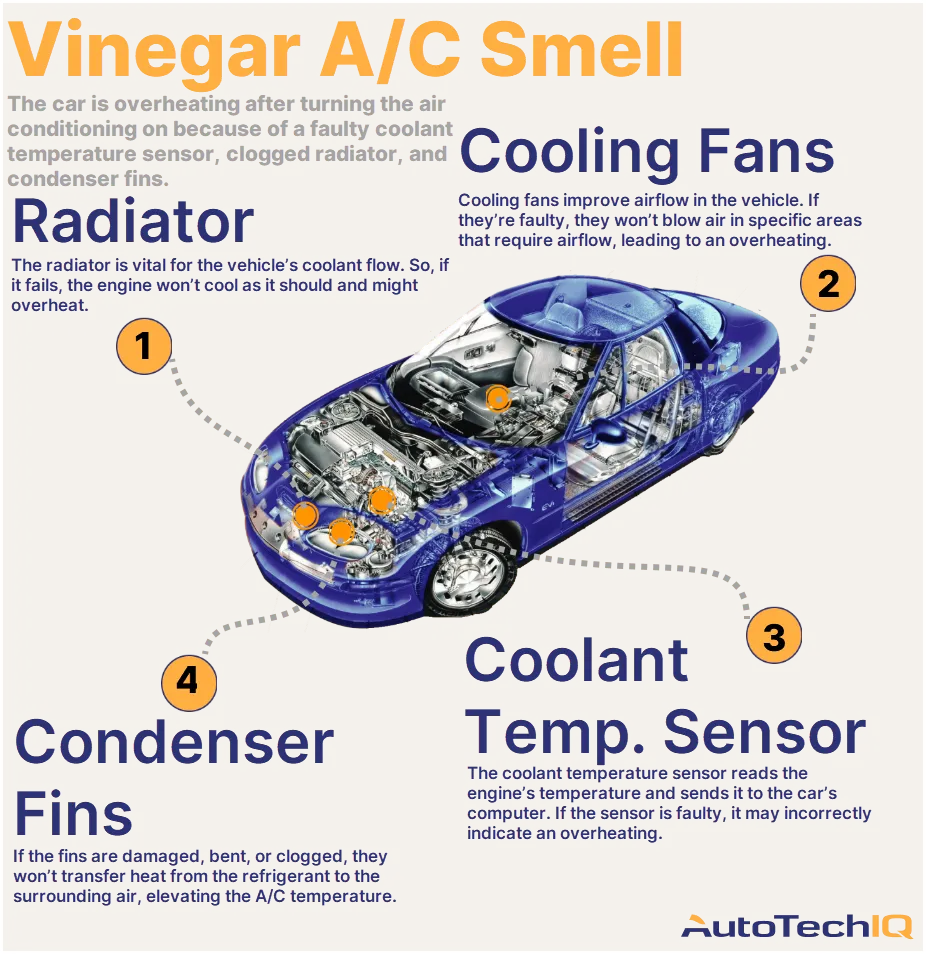
Image Source: www.autotechiq.com
Deciphering the Vinegar Odor: Common Causes Explained
The smell of vinegar, or acetic acid, in your car’s air conditioning system is usually a sign of biological activity or a problem with moisture management. Let’s explore the primary reasons behind this pungent aroma.
Bacterial Growth AC and AC System Mildew: The Microbial Menace
The interior of your car’s AC system, particularly the evaporator coil, can become a breeding ground for bacteria and mold. When the AC runs, it cools the air, causing moisture to condense on the evaporator coil. This condensation, combined with organic debris like dust and pollen that can accumulate over time, creates a damp and nutrient-rich environment.
How Bacteria Thrive in Your AC
Bacteria and mold spores are ubiquitous in the air. When they enter your car’s AC system, they find an ideal habitat on the moist surfaces of the evaporator. Over time, these microorganisms multiply, breaking down organic matter and releasing volatile organic compounds (VOCs). Some of these VOCs have a characteristic sour or vinegary smell.
Table 1: Microbial Growth Conditions in AC Systems
| Factor | Impact on Microbial Growth |
|---|---|
| Moisture | Essential for microbial life; condensation provides a constant source. |
| Temperature | Moderate temperatures in the AC system are conducive to growth. |
| Nutrients | Dust, pollen, and other organic debris provide food sources. |
| Darkness | The enclosed nature of the AC system offers protection from UV light. |
This bacterial growth AC and AC system mildew can lead to that unmistakable sour smell that permeates your car’s cabin. It’s not just about the smell; prolonged exposure to mold spores can also affect the air quality inside your vehicle, potentially leading to respiratory issues for some individuals. This is a key reason why addressing the sour car AC is important.
Evaporator Drain Clogged: Trapped Moisture’s Role
The evaporator coil’s condensation needs a way to escape the AC system. This is typically handled by an evaporator drain hose. If this drain becomes clogged with debris – such as leaves, dirt, or even small insects – the condensed water cannot exit the system properly.
The Consequences of a Blocked Drain
When the evaporator drain is clogged, water backs up and pools within the AC housing. This creates an even more persistent damp environment, accelerating the growth of mold and bacteria. The stagnant water becomes a stagnant breeding ground for microorganisms, amplifying the vinegar smell.
What happens when the evaporator drain is clogged?
- Water Backflow: Condensation accumulates, potentially leaking into the car’s interior, causing water damage.
- Increased Humidity: The trapped moisture raises humidity levels within the AC system.
- Microbial Proliferation: The damp, stagnant conditions are perfect for mold and bacteria to flourish.
- Odor Intensification: The acetic acid smell becomes more pronounced due to the increased microbial activity.
A clogged evaporator drain clogged is a very common cause of a sour car AC. The stagnant water can foster an anaerobic environment, where certain types of bacteria thrive and produce acidic byproducts.
Stale Car Interior: Accumulation of Contaminants
The air that circulates through your car’s AC system is drawn from the outside, and also recirculates air from within the cabin. Over time, your car’s interior can accumulate a variety of contaminants, including dust, pet dander, food particles, and even spilled liquids.
The Cabin Filter’s Role in Air Quality
The cabin air filter is designed to trap these airborne particles before they enter the AC system and are blown into the cabin. However, when the cabin filter becomes saturated with debris and is not replaced regularly, it can begin to break down. This degraded filter can then contribute to the buildup of organic matter within the AC system.
A neglected cabin filter replacement schedule is a significant factor. When the filter is clogged, it restricts airflow and can trap moisture, creating ideal conditions for microbial growth. The organic matter trapped in an old filter can also start to decompose, potentially releasing odors.
If the interior of your car is often exposed to moisture or spills, these can also contribute to a stale car interior that exacerbates AC odors. Think of forgotten damp towels, crumbs, or even the lingering scent of fast food – all can find their way into the air intake.
Refrigerant Leak Smell: A Less Common but Possible Cause
While less common than microbial issues, a refrigerant leak smell can sometimes be mistaken for a vinegar odor. Modern refrigerants used in car AC systems are typically odorless. However, some older refrigerants or the oils mixed with them can have faint chemical or even slightly sweet/sour smells.
What to Look for with a Refrigerant Leak
If you suspect a refrigerant leak, you might notice other symptoms besides an odor:
- Reduced Cooling Efficiency: The AC system blows warm air or doesn’t cool as effectively.
- Hissing Sounds: You might hear a faint hissing or bubbling sound from the AC components.
- Visible Leaks: In some cases, you might see oily residue around AC components, which can be indicative of a leak.
It’s important to distinguish this from the acetic acid smell caused by biological factors. If you suspect a refrigerant issue, it’s crucial to have it diagnosed and repaired by a qualified mechanic, as refrigerants are potent chemicals.
Coolant Leak AC: Another Potential Chemical Odor
Another less likely, but still possible, chemical cause for an unusual smell in your car’s AC is a coolant leak AC. Engine coolant, particularly if it contains certain additives, can have a sweet or slightly acrid odor. If there’s a leak in the heater core, which is often located near the AC system, some of that coolant vapor could potentially be drawn into the AC airflow.
Identifying a Coolant Leak
Symptoms of a coolant leak include:
- Sweet Smell: Often described as sickeningly sweet.
- Foggy Windshield: Coolant vapor can condense on the inside of your windshield, creating a film.
- Low Coolant Level: Regularly checking your coolant reservoir might reveal it’s dropping unexpectedly.
- Overheating Engine: A coolant leak can lead to engine overheating.
If you notice these symptoms, it’s a more serious mechanical issue that requires immediate attention from a mechanic. The smell from a coolant leak is generally different from the sharp, vinegary odor associated with biological growth.
Troubleshooting the Vinegar Smell: Your Action Plan
When that vinegar smell starts to waft from your vents, it’s time to take action. Here’s a step-by-step approach to identifying and resolving the problem.
Step 1: Check the Cabin Air Filter
The simplest and most common culprit is a dirty or old cabin air filter. This filter is designed to trap particles that could otherwise clog your AC system and contribute to odors.
How to Replace Your Cabin Air Filter
- Locate the Filter: The cabin air filter is usually located behind the glove box or under the dashboard. Consult your car’s owner’s manual for its exact location.
- Remove the Old Filter: Carefully remove the old filter, taking note of its orientation.
- Inspect the Old Filter: You’ll likely find it laden with dust, leaves, and other debris. This is a clear indicator of why you’re having odor issues.
- Install the New Filter: Insert the new filter, ensuring it’s correctly oriented according to the airflow arrows on the filter itself.
Regular cabin filter replacement is crucial for maintaining good air quality in your car and preventing AC odors. Aim to replace it at least once a year, or more frequently if you drive in dusty conditions or have pets.
Step 2: Inspect the Evaporator Drain
A clogged evaporator drain is a prime suspect for that persistent vinegar smell. This requires a bit more hands-on investigation.
Locating and Clearing the Drain
- Find the Drain Outlet: The evaporator drain outlet is usually a small rubber tube extending from the firewall of your car, often on the passenger side, beneath the vehicle.
- Check for Obstructions: Look for any visible blockages like leaves or dirt.
- Clear the Drain: You can often clear minor blockages by gently probing with a thin wire or by using compressed air. Be careful not to damage the hose.
- Test for Drainage: After clearing, pour a small amount of water into the AC housing (if accessible) or simply run the AC to see if water drips from the drain outlet.
If you’re uncomfortable performing this yourself, a mechanic can easily clear the evaporator drain clogged.
Step 3: Clean the AC System
If a simple filter replacement and drain check don’t resolve the issue, you may need to clean the AC system itself to eliminate mold and bacteria.
AC Cleaning Products and Methods
There are several AC cleaning products available, often in spray or foam form. These are designed to be introduced into the AC system to kill mold and bacteria.
- Evaporator Cleaner Sprays: These are typically sprayed directly onto the evaporator coil. Accessing the evaporator often requires removing panels or using specialized tools.
- Vent and Duct Cleaners: These can be sprayed into the air intake vents or directly into the cabin vents.
Important Considerations for AC Cleaning:
- Follow Product Instructions Carefully: Each product has specific application methods.
- Ventilate the Vehicle: Ensure good ventilation when using cleaning products.
- Professional Cleaning: For a more thorough cleaning, consider having your AC system professionally serviced. They have specialized equipment to deep clean the evaporator and ductwork.
This deep cleaning process is essential for tackling AC system mildew and the underlying bacterial growth AC.
Step 4: Address Potential Refrigerant or Coolant Leaks
If you suspect a chemical leak, it’s crucial to seek professional help immediately.
When to Seek Professional Diagnosis
- Persistent Chemical Odors: If the smell is more chemical than vinegary and persists.
- Reduced AC Performance: The system isn’t cooling effectively.
- Visible Leaks or Residue: Oily patches or strange fluids under the hood.
- Engine Overheating: A strong indicator of a coolant issue.
A qualified mechanic can pressure test the AC system for refrigerant leak smell and inspect for any coolant leaks. They can safely repair these issues and recharge the system if necessary.
Maintaining a Fresh-Smelling AC System
Preventing the vinegar smell from returning is key to long-term comfort. A few simple maintenance habits can make a big difference.
Regular Cabin Filter Replacement
As mentioned, this is your first line of defense. Make cabin filter replacement a regular part of your car’s maintenance schedule.
Dry Out the Evaporator
One effective way to minimize microbial growth is to dry out the evaporator coil after using the AC.
Simple Method to Dry the Evaporator
- Turn off AC: Before reaching your destination, turn off the AC compressor but leave the fan running.
- Run the Fan: Let the fan run for a few minutes. This helps to blow air across the still-cold evaporator coil, drying off residual moisture.
This simple step can significantly reduce the dampness that bacteria and mold love.
Keep the Interior Clean
A clean car interior means less organic debris for the AC system to draw in. Regularly vacuum your car and clean up any spills promptly. This helps prevent the buildup that can lead to a stale car interior.
Use AC in Moderation
While tempting on hot days, constantly running the AC on its coldest setting can lead to more condensation. On milder days, consider using the fan-only setting or cracking your windows to allow for some air circulation.
Frequently Asked Questions (FAQ)
Q1: Can the vinegar smell in my car AC make me sick?
A1: While the smell itself is unpleasant, the bacteria and mold that cause it can potentially trigger allergic reactions or respiratory irritation in sensitive individuals. It’s best to address the source of the odor to ensure good air quality.
Q2: Is it safe to spray air fresheners to mask the vinegar smell?
A2: Air fresheners will only mask the smell temporarily and do not address the root cause. In some cases, they can even mix with the existing odors to create an even more unpleasant smell or contribute to air quality issues. It’s better to eliminate the source of the odor.
Q3: How often should I replace my cabin air filter?
A3: For most vehicles, replacing the cabin air filter every 12,000 to 15,000 miles or annually is recommended. Check your owner’s manual for specific recommendations based on your driving conditions.
Q4: Can I clean my car AC myself?
A4: You can perform some basic cleaning yourself, such as replacing the cabin air filter and checking the evaporator drain. However, for deep cleaning of the evaporator coil and ductwork, professional service is often recommended.
Q5: What is the difference between a vinegar smell and a musty smell in my car AC?
A5: A vinegar smell is often associated with bacterial activity producing acetic acid. A musty or moldy smell is typically due to fungal growth (mold and mildew) in the AC system. Both are caused by moisture and organic debris but can have slightly different microbial origins.
By following these guidelines and addressing the issue promptly, you can banish that vinegar smell and enjoy fresh, clean air every time you drive.

My name is Carlos Gadd, and I am the creator of AirPurityGuide.com.. With a passion for footwear, I share my experiences, insights, and expertise about shoes. Through my blog, I aim to guide readers in making informed decisions, finding the perfect pair, and enhancing their footwear knowledge. Join me on this journey to explore everything about shoes!