
Can you run your AC when it’s frozen? No, you cannot run your AC when it’s frozen. Running a frozen air conditioner can cause serious damage to the unit, potentially leading to costly repairs. It’s crucial to address the issue promptly. This guide will walk you through how to defrost your air conditioning unit safely and easily, ensuring your system returns to optimal working condition. We’ll cover everything from identifying the problem to preventing future freezing.
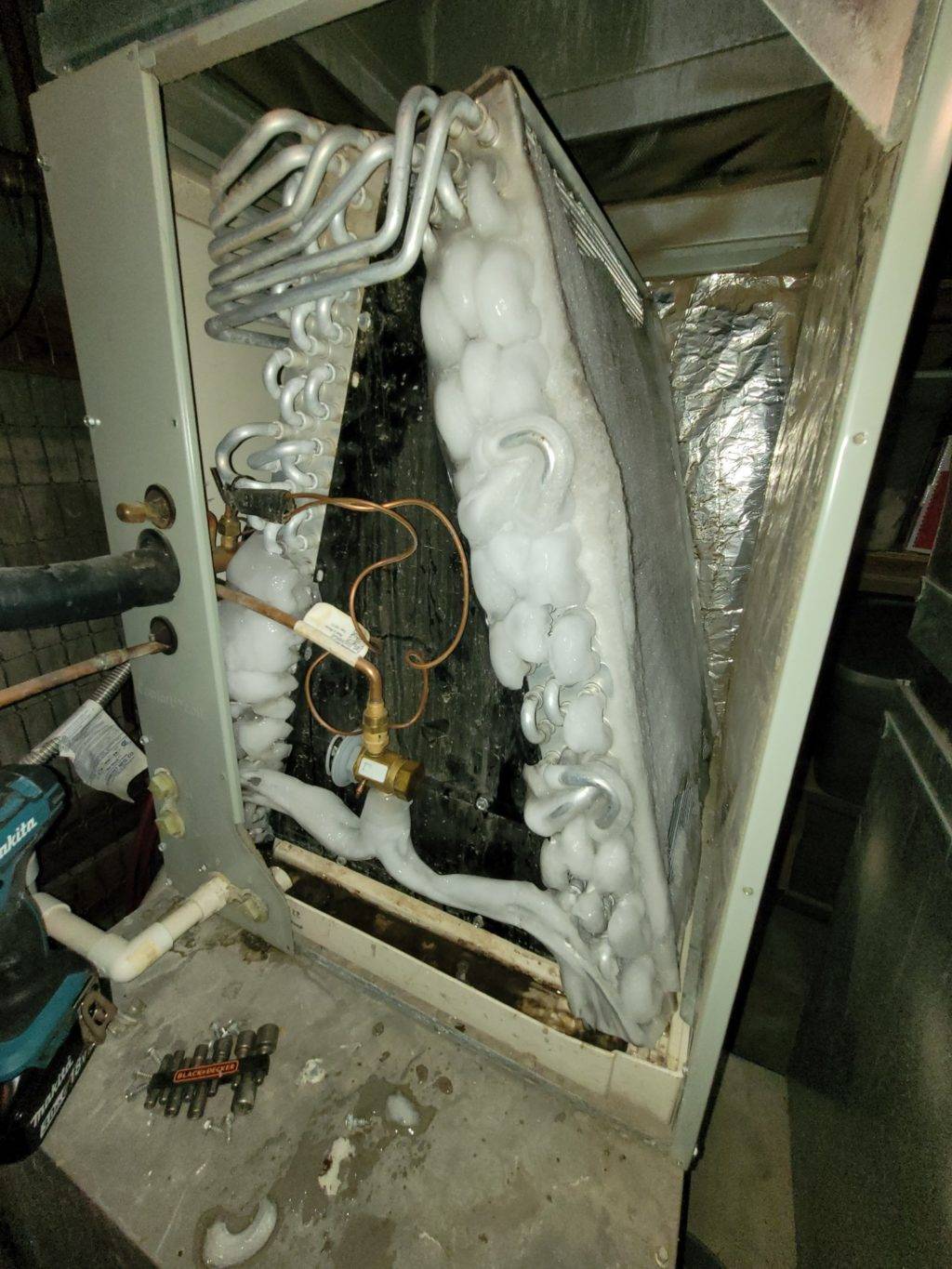
Image Source: www.manmadediy.com
Why Your AC Unit Might Be Freezing
When your air conditioning unit freezes, it means ice has built up on the evaporator coil. This ice prevents air from flowing through, stopping the cooling process. Several factors can cause this to happen:
Airflow Problems
- Dirty Air Filters: This is the most common culprit. A clogged filter restricts air from moving over the evaporator coil. This lack of airflow causes the coil to get too cold, and the moisture in the air freezes onto it.
- Blocked Vents or Registers: Similar to a dirty filter, closed or blocked vents and registers prevent air circulation. If return air vents are blocked, the system struggles to pull enough warm air into the unit.
- Dirty Evaporator Coil: Over time, dust and debris can accumulate directly on the evaporator coil, hindering airflow and heat transfer.
Refrigerant Issues
- Low Refrigerant Levels: Your AC system needs a specific amount of refrigerant to operate correctly. If the refrigerant level is too low (often due to a leak), the pressure within the system drops. This low pressure causes the coil to get colder than it should, leading to freezing. This is a more serious issue that requires professional attention.
Mechanical Problems
- Faulty Blower Fan: The blower fan is responsible for circulating air throughout your home. If the fan motor is weak, damaged, or not working at all, it won’t move enough air across the evaporator coil, resulting in freezing. An AC frozen blower is a clear sign of this issue.
- Thermostat Malfunction: A malfunctioning thermostat can sometimes trick the AC into running continuously, even when the desired temperature is reached. This constant running without proper cycling can lead to freezing.
External Factors
- Extremely Low Outdoor Temperatures: While less common, running your AC when the outdoor temperature is below 60-65°F (15-18°C) can sometimes cause the system to freeze. The outdoor unit relies on warmer air to dissipate heat.
- Blocked Condenser Unit: If the outdoor unit (condenser) is covered in debris like leaves or dirt, it can’t effectively release heat. This inefficiency can impact the entire system’s operation, potentially leading to freezing indoors.
Steps to Safely Defrost Your Air Conditioning Unit
When you notice ice on your AC unit, the first and most important step is to turn off the cooling function. You should still allow the fan to run. This will help circulate air and begin the melting process. Here’s how to proceed safely:
Step 1: Turn Off the Cooling
- Locate your thermostat.
- Switch the system from “Cool” to “Off.”
- Crucially, leave the fan setting on “On” or “Auto.” If you have a separate fan switch, ensure it’s set to “On.” This allows air to circulate over the frozen coil, aiding in the defrosting process without further stressing the system.
Step 2: Allow Natural Thawing
- Patience is key. The time it takes for the ice to melt completely can vary from a few hours to an entire day, depending on the extent of the ice buildup and your home’s ambient temperature.
- You can place towels or shallow pans around the indoor unit to catch any dripping water as the ice melts. This prevents water damage to your floors or surrounding areas.
- Do not try to chip or scrape the ice off. This can easily damage the delicate fins of the evaporator coil or puncture refrigerant lines, leading to more significant problems. The goal is to let the ice melt naturally.
Step 3: Check and Clean the Air Filter
- While the unit is defrosting, it’s the perfect time to check your air filter. A dirty filter is a primary cause of frozen coils.
- Locate your air filter (usually in the return air duct or near the indoor air handler).
- If the filter is dirty, replace it with a clean one. If you have a reusable filter, clean it according to the manufacturer’s instructions.
- A clean filter is essential for proper airflow and preventing future freezing.
Step 4: Inspect Outdoor Unit (Thawing AC Condenser)
- Once the indoor unit has thawed, it’s a good idea to inspect the outdoor unit, especially if you suspect external factors contributed to the freezing.
- Ensure the outdoor unit, or thawing AC condenser, is not obstructed by debris like leaves, grass clippings, or dirt.
- Carefully remove any visible blockages from the sides and top of the unit. Use a soft brush or a hose to gently clean the exterior fins if they are dirty. Ensure the power to the outdoor unit is turned off at the breaker box before cleaning.
Step 5: Restart the System
- Once you are confident that all ice has melted (you should see water draining normally), you can turn the cooling function back on at the thermostat.
- Listen for the unit to start running smoothly.
- If the AC is still not blowing cold or if it begins to freeze again shortly after, it’s a sign of a more significant underlying problem.
What to Do If Your AC Unit Keeps Freezing
If your air conditioning unit repeatedly freezes, even after performing the defrosting steps and cleaning the filter, it indicates an underlying issue that needs professional attention. Ignoring these persistent problems can lead to more severe damage and higher repair costs.
Common Causes for Recurring Freezing
- Refrigerant Leak: This is a frequent reason for recurring freezing. When refrigerant levels are low, the pressure inside the evaporator coil drops, causing it to get extremely cold and freeze.
- Dirty Evaporator Coil: If cleaning the filter doesn’t help, the evaporator coil itself might be deeply caked with dirt and grime, severely restricting airflow.
- Fan Motor Issues: A failing blower motor or a dirty fan blower wheel can restrict airflow, leading to freezing.
- Drainage Problems: If the condensate drain line is clogged, water can back up and freeze on the coil.
- Thermostat Issues: As mentioned, a faulty thermostat could cause continuous operation.
When to Call a Professional
You should contact a qualified HVAC technician if:
- Your AC unit freezes up for the second time within a short period.
- You suspect a refrigerant leak (signs include reduced cooling, hissing sounds).
- You’ve cleaned the filter and cleared obstructions, but the problem persists.
- You notice other unusual sounds or smells from the unit.
- You are uncomfortable performing any of the diagnostic steps yourself.
A professional can accurately diagnose the root cause, perform necessary repairs like recharging refrigerant, cleaning coils, or replacing faulty parts, and ensure your defrosted central air system operates efficiently and reliably. They can help you understand how to prevent your AC from freezing in the future.
How to Prevent Your AC Unit From Freezing
Preventing your AC unit from freezing is much easier and cheaper than dealing with the consequences of a frozen system. Regular maintenance and a few simple checks can save you a lot of trouble.
Regular Filter Replacement and Cleaning
- Check your air filter monthly.
- Replace disposable filters every 1-3 months, depending on usage, pets, and air quality.
- Clean reusable filters regularly.
- This is the single most effective way to prevent freezing.
Keeping Vents and Registers Clear
- Ensure all supply and return air vents are open and unobstructed.
- Avoid placing furniture, curtains, or other items in front of vents.
- Proper airflow is critical for your AC’s operation.
Annual Professional Maintenance
- Schedule an annual tune-up for your HVAC system with a qualified technician.
- This typically includes cleaning coils, checking refrigerant levels, inspecting the blower motor, and ensuring the condensate drain is clear.
- Professional maintenance can identify potential problems before they lead to freezing or other major issues.
Keeping the Evaporator Coil Clean
- While professionals usually handle this during tune-ups, if you have easy access and feel comfortable, you can gently clean the evaporator coil with a coil cleaner spray and a soft brush. Always ensure the power is OFF before attempting this.
- A clean coil allows for efficient heat transfer and prevents ice buildup.
Monitoring Outdoor Temperatures
- Avoid running your AC on “Cool” mode when outdoor temperatures are consistently below 60-65°F (15-18°C).
- If you need to circulate air in cooler weather, use the fan-only setting.
Checking the Condensate Drain Line
- The condensate drain line removes moisture from the evaporator coil. Ensure it’s not clogged.
- You can often flush it with a bleach-water solution or use a wet/dry vacuum on the outlet end to clear blockages. Turn off power to the unit before attempting any drain line maintenance.
By following these preventative measures, you can significantly reduce the chances of your AC unit freezing and ensure it provides cool, comfortable air throughout the summer months. Addressing AC unit ice removal is important, but preventing it is even better.
Troubleshooting Common AC Freezing Scenarios
Sometimes, you might encounter specific issues when dealing with a frozen AC. Here’s a breakdown of common problems and how to address them:
Scenario 1: AC is not blowing cold, and I see ice on the indoor unit.
This is the classic symptom of a frozen evaporator coil.
- Immediate Action: Turn off the cooling mode on your thermostat, but leave the fan running.
- Next Steps: Allow the unit to thaw completely. While it’s thawing, check and replace your air filter. Once thawed, restart the cooling function.
- If the problem returns: This likely indicates low refrigerant or a significant airflow restriction. Call an HVAC professional.
Scenario 2: My AC froze, I thawed it, and now it works, but it sounds different.
A change in sound after a freezing incident can be concerning.
- Listen Carefully: Note the type of sound – is it louder, quieter, grinding, or whistling?
- Possible Causes:
- Fan Motor Strain: The fan motor might have been overworked during the freezing incident.
- Coil Damage: While rare, severe ice buildup could have slightly warped the coil fins, causing air to move differently.
- Refrigerant Pressure Changes: If the freezing was due to low refrigerant, the system might still be operating at suboptimal pressures, affecting sound.
- Recommendation: Monitor the unit closely. If the sound is concerning or the cooling performance is affected, it’s best to have a technician inspect it.
Scenario 3: My AC froze up, and I don’t see any ice, but it’s not cooling.
This can be confusing, as ice isn’t always visible, especially if it’s only on the inner workings.
- Check the Outdoor Unit: Ensure the condenser fan is spinning and the compressor is running.
- Listen for the Compressor: You should hear a hum from the outdoor unit when it’s actively cooling.
- Check Breakers: Ensure no circuit breakers have tripped for the AC system.
- If No Cooling: This could still point to a refrigerant issue or a problem with the compressor or outdoor fan. Again, a professional is needed to diagnose fixing frozen AC when ice isn’t obvious.
Scenario 4: Water is leaking from my indoor AC unit.
Water leaks often accompany a frozen coil.
- Cause: As the ice melts, it can overwhelm the condensate pan or drain line.
- Action:
- First, address the freezing issue by turning off cooling and leaving the fan on.
- Check the condensate drain pan for cracks or overflow.
- Inspect the condensate drain line for blockages. You might be able to clear minor clogs yourself by using a wet/dry vacuum at the drain outlet.
- Prevention: Ensure the drain line is clear to prevent future water issues.
Remember, if you’re ever unsure or uncomfortable with troubleshooting, it’s always best to call a qualified HVAC technician to handle AC unit ice removal and any related repairs.
Understanding Your AC Unit Components Related to Freezing
To effectively manage and prevent AC freezing, it helps to know the key components involved:
The Evaporator Coil
- Location: Found inside your home, typically within the air handler or furnace unit.
- Function: This is where the refrigerant absorbs heat from the indoor air. Warm air from your home is blown across the cold evaporator coil by the fan.
- Freezing: When airflow is restricted or refrigerant levels are too low, the coil gets colder than it should, causing moisture in the air to freeze onto its surface. This is the core of the problem when you have a frozen AC coil.
The Condenser Coil
- Location: Found in the outdoor unit.
- Function: The hot refrigerant releases heat into the outdoor air here. The condenser fan helps with this heat exchange.
- Relevance to Freezing: While the indoor coil freezes, issues with the condenser (like being dirty or having a malfunctioning fan) can indirectly affect the entire system’s pressure and temperature, potentially contributing to indoor freezing.
The Blower Motor and Fan
- Location: Inside the indoor air handler.
- Function: This component circulates air throughout your home, pushing warm air over the evaporator coil to be cooled and then distributing the cooled air.
- Impact of Freezing: If the blower is weak, dirty, or malfunctioning (AC frozen blower scenario), it won’t move enough air. This lack of airflow is a direct cause of the evaporator coil becoming too cold and freezing over.
The Refrigerant Lines
- Function: These copper lines carry refrigerant between the indoor evaporator coil and the outdoor condenser unit.
- Impact of Freezing: Low refrigerant levels, usually caused by a leak, lead to decreased pressure in the evaporator coil. This causes the coil to get colder, initiating the freezing process.
The Thermostat
- Function: Controls the operation of your AC system, telling it when to turn on and off based on the set temperature.
- Impact of Freezing: A faulty thermostat might cause the AC to run constantly without proper cycling, contributing to freezing.
By understanding these parts, you can better grasp why your AC might be freezing and what steps are necessary for how to thaw outdoor AC unit and indoor components.
When to Call a Professional vs. DIY Defrosting
Deciding whether to tackle an AC freeze yourself or call a pro is about risk assessment and complexity.
DIY Defrosting is Suitable When:
- The cause is clearly a dirty air filter. Replacing it is a simple, effective fix.
- The unit has frozen due to a temporary external blockage (like leaves around the outdoor unit) that you can safely clear.
- You are comfortable letting the ice melt naturally and managing any minor water drips with towels.
- The issue is a one-off event, and the system works fine after thawing and filter replacement.
Call a Professional When:
- The AC freezes repeatedly. This indicates an underlying problem like a refrigerant leak, motor issue, or coil problem.
- You suspect a refrigerant leak. This requires specialized equipment to detect and repair, plus professional recharging.
- The ice buildup is severe and persistent.
- The fan is not blowing air (an AC frozen blower problem), suggesting a motor or internal fan issue.
- You notice unusual noises or smells.
- You are uncomfortable or unsure about any step. Tampering with refrigerant or complex electrical components can be dangerous and cause further damage.
- The system is still not cooling after defrosting and basic checks.
A technician has the tools and expertise to properly diagnose and repair issues like low refrigerant, faulty capacitors, or dirty evaporator coils that are beyond simple DIY AC unit ice removal. They can ensure your defrosted central air functions optimally and prevent future freezing.
Frequently Asked Questions (FAQ) about Frozen AC Units
Here are answers to some common questions people have when their air conditioner freezes up:
Q1: How long does it take for an AC unit to defrost?
A1: It can take anywhere from a few hours to 24 hours, depending on how much ice has accumulated and the ambient temperature in your home. Leaving the fan running on the “On” setting will speed up the process.
Q2: Can I use a hairdryer or heat gun to speed up defrosting?
A2: It is highly discouraged to use direct heat sources like hairdryers or heat guns. The intense heat can damage the delicate fins of the evaporator coil and the refrigerant lines, leading to more costly repairs. It’s best to let it melt naturally or use a fan.
Q3: Is it safe to run my AC if it’s only slightly frozen?
A3: It’s best to turn off the cooling function immediately if you notice any ice buildup. Running a partially frozen AC can strain the compressor and potentially cause irreversible damage. Address the freezing first.
Q4: What if I can’t reach my air filter?
A4: If your air filter is difficult to access or you’re unsure how to locate it, it’s a good indicator that you might benefit from professional HVAC maintenance. They can access and service all parts of your system.
Q5: My AC froze, and after thawing, it’s making a strange clicking noise. What should I do?
A5: A clicking noise could indicate an electrical issue or a problem with the fan motor. It’s best to turn the system off and have a technician inspect it promptly to avoid further damage.
Q6: How often should I change my air filter to prevent freezing?
A6: Most manufacturers recommend checking your air filter monthly and replacing or cleaning it every 1-3 months. Factors like pets, allergies, and the overall air quality in your home can influence how often you need to do this.
Q7: My neighbor said I can add refrigerant myself. Is this true?
A7: While refrigerant is available for purchase, it’s generally not recommended for DIY handling. Adding the wrong type or amount of refrigerant, or doing so incorrectly, can severely damage your AC system and is often illegal without proper certification. Refrigerant handling requires specialized training and equipment.
Q8: What are the signs of a refrigerant leak?
A8: Besides freezing, signs of a refrigerant leak include a hissing sound from the unit, reduced cooling performance, icy buildup on refrigerant lines (not just the coil), and sometimes even oily residue around the lines or components.
By staying informed and performing regular maintenance, you can keep your air conditioning system running smoothly and efficiently, avoiding the common problem of a frozen AC unit.

My name is Carlos Gadd, and I am the creator of AirPurityGuide.com.. With a passion for footwear, I share my experiences, insights, and expertise about shoes. Through my blog, I aim to guide readers in making informed decisions, finding the perfect pair, and enhancing their footwear knowledge. Join me on this journey to explore everything about shoes!