
An air conditioner can freeze up for a variety of reasons. The most common causes include a dirty air filter, a clogged condensate drain, low refrigerant, and issues with airflow. When your AC pipes freeze, it means ice is forming on the refrigerant lines, which can lead to a breakdown.
Air conditioner pipes freezing is a common problem that can leave you without cool air and potentially damage your system. When you notice ice on AC coil or frozen AC lines, it’s a clear sign something is wrong. This article will delve into the various reasons why your AC might be frosting over and what you can do about it.
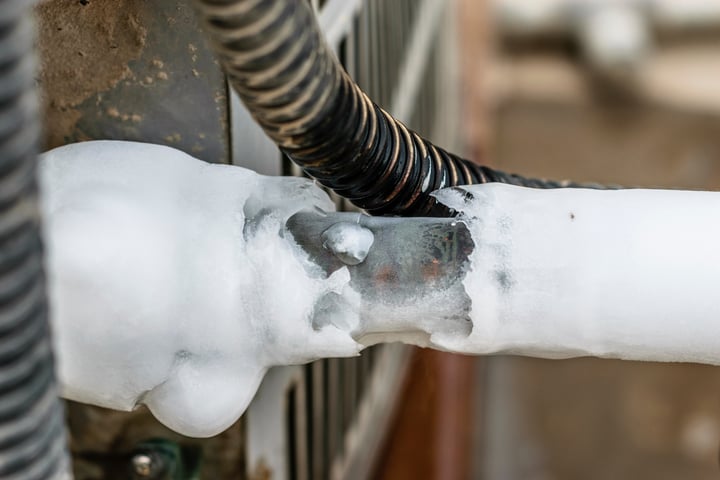
Image Source: www.topnotchheatingandair.com
The Silent Culprit: How Ice Forms in Your AC
Your air conditioner works by using a refrigerant to absorb heat from your home and release it outside. This process involves two main pipes: the suction line and the liquid line. The suction line, which is typically larger and insulated, carries the cold refrigerant gas back to the compressor. If this line gets too cold, moisture from the air can condense on it and freeze, creating a layer of ice. When this happens, the AC is freezing up.
Several factors contribute to this unwelcome ice formation. Let’s explore them in detail.
The Air Filter: Your AC’s First Line of Defense
The simplest and most frequent cause of frozen AC lines is a dirty air filter. Your air filter’s job is to trap dust, dirt, pollen, and other airborne particles, preventing them from entering your HVAC system.
Why a Dirty Filter Causes Freezing
- Restricted Airflow: When the air filter becomes clogged with debris, it restricts the amount of air that can flow through your AC unit. The refrigerant inside the evaporator coil absorbs heat from the air passing over it. If there isn’t enough warm air to absorb, the refrigerant can become too cold.
- Evaporator Coil Freezing: This extreme cold can cause the moisture in the air to freeze onto the evaporator coil, which is where the cold refrigerant circulates. As more ice builds up, it further restricts airflow, creating a vicious cycle.
- Low Refrigerant Symptoms: This restriction of airflow can mimic the symptoms of low refrigerant, leading to confusion about the actual problem.
What to Do About a Dirty Air Filter
- Regular Checks: Check your air filter monthly, especially during peak usage seasons.
- Replacement Schedule: Replace disposable filters every 1-3 months, depending on the filter type and your home’s air quality. If you have pets or allergies, you might need to replace it more often.
- Cleaning Washable Filters: If you have a washable filter, clean it according to the manufacturer’s instructions. Ensure it’s completely dry before reinstalling it.
- Choosing the Right Filter: Use a filter with a MERV (Minimum Efficiency Reporting Value) rating that suits your needs. Higher MERV ratings capture more particles but can restrict airflow more if your system isn’t designed for them.
The Clogged Condensate Drain: A Hidden Hazard
Your air conditioner removes moisture from the air as part of its cooling process. This moisture collects on the evaporator coil and then drains away through a condensate drain line. If this line becomes clogged, the water can back up.
How a Clogged Drain Leads to Freezing
- Water Buildup: A clogged condensate drain prevents water from escaping the system. This water can then freeze on the evaporator coil if the conditions are right, especially if the airflow is also compromised.
- Secondary Freezing: While not the primary cause of frozen AC lines, a backed-up condensate drain can contribute to ice formation, particularly if the system is already stressed. It can also lead to water damage in your home.
What to Do About a Clogged Condensate Drain
- Regular Inspection: Periodically check the condensate drain line for any visible blockages.
- Clearing the Drain: You can often clear minor clogs yourself by flushing the line with a mixture of water and vinegar or bleach (follow manufacturer recommendations for your specific system). Some homeowners use a wet/dry vacuum to suck out debris from the exterior end of the drainpipe.
- Professional Maintenance: Schedule annual HVAC maintenance to ensure the condensate drain line is properly cleaned and checked.
The Refrigerant Issue: Low Refrigerant AC and Other Problems
Refrigerant is the lifeblood of your air conditioning system. It circulates through the coils, absorbing and releasing heat. If the refrigerant level drops too low, it can cause your AC pipes to freeze.
Why Low Refrigerant Causes Freezing
- Pressure Drop: Refrigerant operates under specific pressure levels. When the refrigerant charge is low, the pressure in the evaporator coil drops.
- Lower Boiling Point: A lower pressure causes the refrigerant to boil at a much lower temperature. As it circulates through the evaporator coil, it becomes excessively cold, colder than it should be.
- Ice Formation: This extreme cold leads to the moisture in the air freezing onto the evaporator coil and the suction line, resulting in frozen AC lines. The system is essentially trying to cool air that isn’t there to absorb the heat, leading to the refrigerant becoming too cold.
Other Refrigerant-Related Issues
- AC Refrigerant Leak: The most common reason for low refrigerant is a leak in the system. Refrigerant is not a consumable that gets used up; it circulates continuously. Therefore, if your system is low on refrigerant, it almost certainly has a leak.
- Incorrect AC Refrigerant Charge: Sometimes, the system might have been overcharged or undercharged during installation or a previous service. An incorrect AC refrigerant charge can disrupt the system’s ability to regulate temperature and pressure, potentially leading to freezing.
What to Do About Low Refrigerant
- Professional Diagnosis: Low refrigerant is not a DIY fix. If you suspect a low refrigerant charge, it’s crucial to call a qualified HVAC technician.
- Leak Detection and Repair: A technician will first check for and repair any refrigerant leaks. This is essential because simply adding more refrigerant without fixing the leak will only provide a temporary solution and is illegal in many places.
- Recharging the System: Once the leak is repaired, the technician will recharge the system with the correct amount and type of refrigerant according to the manufacturer’s specifications.
Airflow Problems: Beyond the Filter
While a dirty air filter is the most common culprit for restricted airflow, other issues can also impede the movement of air over your evaporator coil.
Other Airflow Blockages
- Blocked Vents or Registers: Furniture, curtains, or other objects blocking your supply or return air vents can significantly reduce airflow. Return vents are particularly important, as they draw air into the system for cooling.
- Dirty Evaporator Coil: If the evaporator coil itself is covered in dust and grime, it can prevent proper heat transfer. This is often a consequence of running the AC without a filter or with a very old, ineffective filter. Ice on AC coil can happen if the coil is too dirty to allow air to pass through.
- Blower Fan Malfunction: The blower fan is responsible for circulating air throughout your home. If the fan motor is failing or the fan blades are obstructed, airflow will be insufficient.
- Leaky Ductwork: Holes or gaps in your ductwork can allow conditioned air to escape before it reaches its intended destination, reducing the overall airflow to your rooms.
What to Do About Airflow Problems
- Clear Vents: Ensure all vents and registers are unobstructed.
- Clean the Evaporator Coil: If the coil is visibly dirty, a technician can clean it. This is often part of routine maintenance.
- Inspect the Blower Fan: Listen for unusual noises from the blower. If you suspect a problem, have it inspected by a professional.
- Duct Sealing: Consider having your ductwork professionally inspected and sealed to prevent air leaks.
Fan Motor Issues: The Heart of Air Circulation
The blower fan motor is a critical component that moves air through your entire HVAC system. If this motor isn’t working correctly, it directly impacts airflow.
How Fan Motor Problems Cause Freezing
- Reduced Air Movement: A weak or failing blower motor won’t move enough air across the evaporator coil.
- Cold Spots: This insufficient airflow creates cold spots on the coil where ice can form.
- AC Not Blowing Cold Air: When the fan isn’t working properly, you’ll often notice AC not blowing cold air, or it might be blowing weakly.
What to Do About Fan Motor Issues
- Listen for Noises: Pay attention to any unusual grinding, squealing, or rattling sounds coming from your indoor unit.
- Check the Fan: Ensure the fan is actually spinning when the AC is on.
- Professional Repair: Blower motor issues require professional attention. A technician can diagnose whether the motor needs cleaning, repair, or replacement.
Outdoor Unit Problems: Less Common but Possible
While most causes of frozen AC pipes are related to the indoor unit and airflow, problems with the outdoor unit can also indirectly contribute.
Outdoor Unit Considerations
- Blocked Condenser: The outdoor unit (condenser) releases heat absorbed from your home. If the fins on the condenser are blocked by debris, plants, or dirt, it can’t release heat efficiently. This can cause the system to run hotter and potentially disrupt the pressure balance.
- Faulty Fan Motor (Outdoor): The fan in the outdoor unit helps dissipate heat. If it’s not working, the system can overheat, affecting the overall refrigerant cycle.
What to Do About Outdoor Unit Issues
- Keep Clear: Ensure the area around your outdoor unit is clear of debris, leaves, and overgrown vegetation.
- Cleaning: Periodically clean the fins of the outdoor unit gently with a hose. Avoid high pressure, which can bend the fins.
- Professional Service: If you suspect issues with the outdoor unit’s fan motor or overall performance, consult a qualified technician.
Diagnosing and Fixing a Frozen AC
When you discover your AC is freezing up, it’s essential to take immediate steps to prevent further damage.
Initial Steps to Take
- Turn Off Cooling Mode: Switch your thermostat from “Cool” to “Off.”
- Turn On Fan Mode: Switch the thermostat fan setting from “Auto” to “On.” This will help circulate room-temperature air over the frozen coils and melt the ice. This process can take several hours.
- Check the Air Filter: While the ice is melting, check your air filter. If it’s dirty, replace it. This is the easiest and most common fix.
- Inspect Vents: Make sure no vents are blocked by furniture or other items.
When to Call a Professional
If, after melting the ice and replacing the filter, your AC continues to freeze up, or if you suspect a more serious issue like an AC refrigerant leak, it’s time to call an HVAC professional. They have the tools and expertise to:
- Diagnose the exact cause of the freezing.
- Perform leak detection and repair for refrigerant leaks.
- Measure and adjust the AC refrigerant charge.
- Clean evaporator coils and condensate drains.
- Repair or replace faulty fan motors or other components.
The Importance of Regular HVAC Maintenance
Preventing your air conditioner pipes from freezing is much easier and less costly than dealing with the aftermath of a frozen system. Regular maintenance is key.
Benefits of Routine Maintenance
- Early Detection: Technicians can identify potential problems, like slowly developing refrigerant leaks or dirty coils, before they lead to major issues like freezing.
- Improved Efficiency: A well-maintained system runs more efficiently, saving you money on energy bills.
- Extended Lifespan: Regular tune-ups help your AC system last longer.
- Preventative Care: Cleaning coils, checking refrigerant levels, and ensuring proper airflow are all part of preventative care that stops AC frosting over before it starts.
Common Signs of a Frozen AC
Recognizing the signs of a frozen AC can help you address the problem quickly.
What to Look For
- Reduced Airflow: Air coming from your vents is weak or feels warm.
- Ice Formation: Visible ice on the refrigerant lines or the indoor evaporator coil.
- Unusual Noises: Hissing or bubbling sounds from the unit.
- AC Not Cooling: Your home isn’t getting as cool as it should.
- Water Leaks: Puddles of water around the indoor unit (can be from melting ice).
Frequently Asked Questions (FAQ)
Q1: How long does it take for an AC to unfreeze?
A: It can take anywhere from a few hours to 24 hours for a frozen AC to completely thaw, depending on the severity of the ice buildup and how well you promote airflow.
Q2: Can I just break off the ice on the AC coil?
A: No, you should never try to break off the ice yourself. This can easily damage the delicate fins of the evaporator coil, leading to more expensive repairs. Let it melt naturally.
Q3: Is it safe to run my AC if the pipes are frozen?
A: It is not recommended to run your AC in cooling mode if the pipes are frozen. This can put a strain on the compressor and potentially cause permanent damage. Switch to fan mode to help it melt.
Q4: My AC is blowing warm air. Could it be frozen?
A: Yes, a frozen AC can cause the system to blow warm or weak air because the ice prevents proper heat absorption and transfer.
Q5: What is the difference between AC frosting over and AC refrigerant leak?
A: “AC frosting over” refers to the symptom of ice forming on the AC components. An “AC refrigerant leak” is a common cause of AC frosting over, as it leads to low refrigerant levels.
By understanding these common reasons for frozen AC pipes and taking proactive steps like regular maintenance and prompt attention to issues, you can keep your air conditioning system running smoothly and efficiently. If you’re ever in doubt, consulting a qualified HVAC professional is always the best course of action.

My name is Carlos Gadd, and I am the creator of AirPurityGuide.com.. With a passion for footwear, I share my experiences, insights, and expertise about shoes. Through my blog, I aim to guide readers in making informed decisions, finding the perfect pair, and enhancing their footwear knowledge. Join me on this journey to explore everything about shoes!