
If your air conditioner is frozen, how long to defrost an air conditioner safely depends on the method used, but typically it takes several hours, often between 4 to 12 hours, for a naturally occurring defrost or longer if you’re actively assisting the process without using heat. It’s crucial to allow ample time to ensure all ice melts completely to prevent damage to the unit.
An air conditioner freezing up is a common, yet frustrating, issue. When ice forms on your AC unit, it significantly hinders its ability to cool your home effectively. Understanding the air conditioner defrosting time is key to addressing the problem correctly and preventing further damage. This guide will delve into everything you need to know about defrosting your AC unit safely and efficiently.
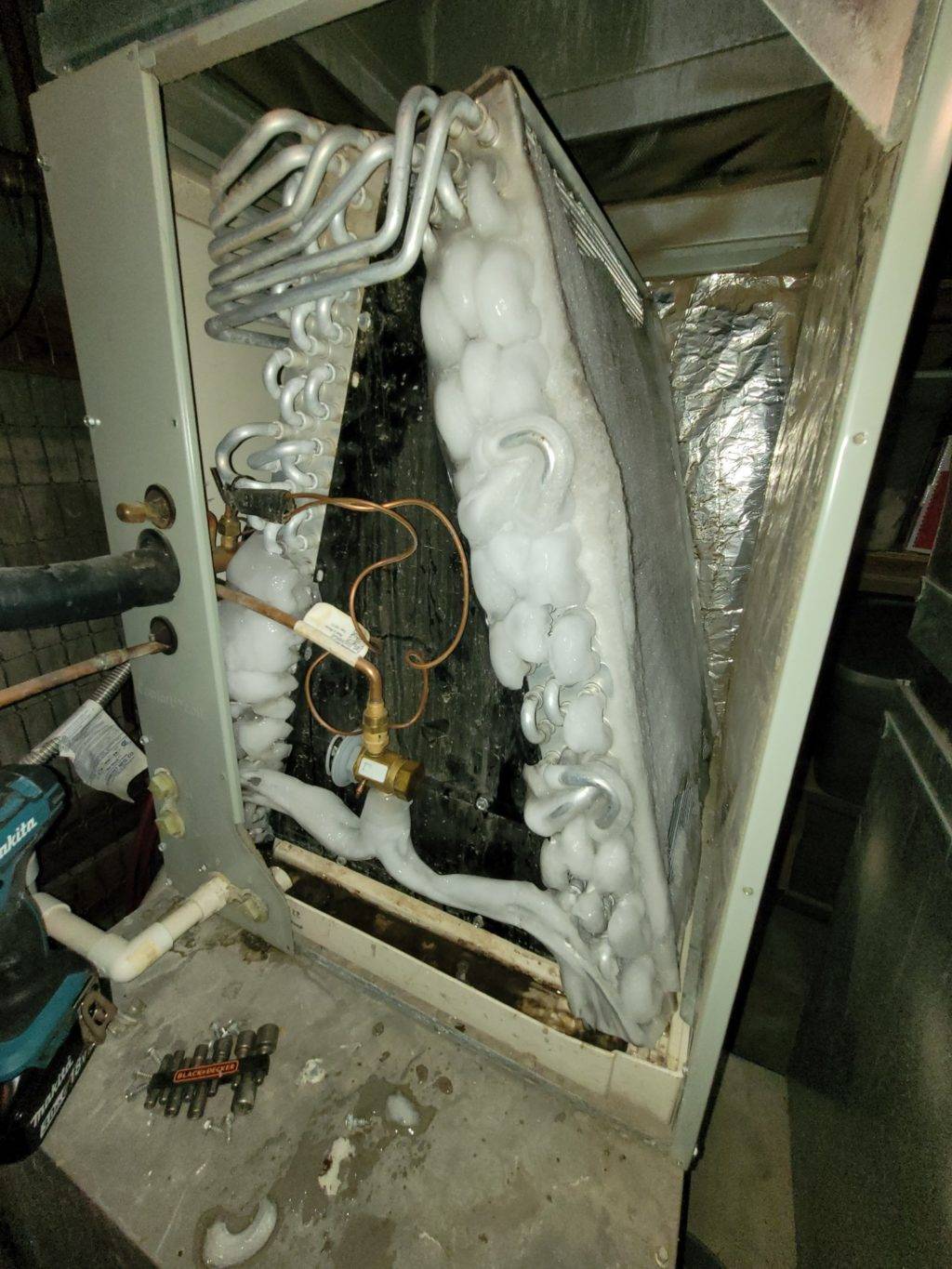
Image Source: www.manmadediy.com
Fathoming AC Unit Ice Buildup Duration
The duration for which an AC unit ice buildup can persist before causing significant issues varies. However, the longer ice remains on your AC’s components, especially the evaporator coil, the more potential there is for damage. Ice acts as an insulator, preventing proper heat transfer. This can lead to the compressor overheating and potentially failing. Therefore, recognizing the signs of ice buildup and acting promptly is essential.
Why Does AC Ice Buildup Happen?
Several factors can contribute to an AC unit ice buildup. The most common culprits include:
- Low Refrigerant Levels: Refrigerant is the substance that circulates within your AC system, absorbing heat from your home. If there isn’t enough refrigerant, the pressure in the system drops, causing the evaporator coil to become too cold and freeze.
- Dirty Air Filters: A clogged air filter restricts airflow over the evaporator coil. Without sufficient warm air passing over it, the coil gets too cold, leading to ice formation. This is a very common cause.
- Blocked Airflow: Obstructions in the ductwork, closed vents, or a dirty evaporator coil itself can also reduce airflow, causing the coil to freeze.
- Thermostat Issues: A malfunctioning thermostat might keep the AC running continuously, even when the desired temperature is reached, increasing the chance of freezing.
- Cold Outdoor Temperatures: Running your air conditioner when the outside temperature is below 60-65°F can cause the system to freeze up, as the outdoor unit needs a certain temperature differential to operate correctly.
- Drainage Problems: If the condensate drain line is clogged, water can back up and freeze on the evaporator coil, especially during humid conditions.
How Long to Thaw Frozen AC Safely
When faced with a frozen AC, the first and most crucial step is to turn off the cooling function immediately. The most how long to thaw frozen AC periods involve allowing the unit to defrost naturally. This means switching the AC to the “fan only” mode or turning it off completely.
Important: Never try to chip away the ice with sharp objects. This can easily puncture the delicate fins of the evaporator coil or damage the refrigerant lines, leading to costly repairs.
Natural Defrosting Process
The most recommended method for how long to thaw frozen AC units is the natural defrosting process. This involves:
- Switch to Fan Mode: Set your thermostat to “Fan Only.” This circulates air through the system without running the compressor, helping to melt the ice.
- Turn Off Cooling: Alternatively, simply turn the AC off at the thermostat. The ambient room temperature will gradually melt the ice.
- Open Windows (Optional): In mild weather, opening windows can help increase airflow and speed up the melting process, but ensure you’re not letting warm, humid air back into the system excessively, which could prolong defrosting.
The frozen AC defrosting period for a natural thaw can range from several hours to a full day, depending on the extent of the ice buildup and the ambient room temperature. Patience is key here.
Factors Influencing Air Conditioner Defrosting Time
Several variables influence the air conditioner defrosting time:
- Severity of Ice Buildup: A thin layer of frost will melt much faster than thick, solid ice.
- Ambient Room Temperature: Warmer room temperatures will accelerate the melting process.
- Humidity Levels: High humidity can sometimes slow down the drying process after melting.
- System Fan Operation: Running the fan-only mode helps by circulating warmer indoor air over the frozen components.
- External Conditions: If the unit is frozen due to external factors like cold weather, bringing it indoors or covering it might be necessary for faster defrosting.
Deciphering the Frozen AC Defrosting Period
The frozen AC defrosting period is not a fixed number. It’s a dynamic process influenced by how much ice has accumulated and the environmental conditions.
Natural Defrosting Duration
- Light Frost: A light coating of frost might melt within 2-4 hours when the unit is turned off or set to fan mode.
- Moderate Ice Buildup: For more significant ice accumulation, expect the air conditioner defrosting time to be between 6-12 hours.
- Heavy Ice Buildup: In cases of thick, solid ice, the frozen AC defrosting period could extend beyond 12-24 hours.
Active Defrosting Methods (Use with Caution)
While natural defrosting is preferred, some people consider active methods. These should be approached with extreme caution to avoid damaging the unit.
- Using a Fan: Directing a portable fan towards the indoor unit (evaporator coil) can help speed up the melting process by circulating air.
- Warm Water (Outdoor Unit): If the outdoor unit (condenser) is frozen, you can gently pour lukewarm water over it. Never use hot water, as the sudden temperature change can crack metal components. This is generally less recommended for the indoor unit due to the risk of water damage.
Crucially, when using active defrosting methods, monitor the unit closely for any signs of damage or electrical issues. The goal is to melt the ice, not to create new problems.
Comprehending AC Coil Defrosting Time
The AC coil defrosting time is a critical aspect of the overall defrosting process. The primary coils involved are the evaporator coil (indoor) and, less commonly, the condenser coil (outdoor).
Evaporator Coil Defrosting Time
The evaporator coil is where the cooling actually happens indoors. Ice typically forms here first due to restricted airflow or low refrigerant. The evaporator coil defrosting time follows the same general guidelines as the overall unit defrosting:
- Natural Defrost: 4-12 hours or more, depending on ice thickness.
- Fan-Assisted Defrost: Can potentially reduce the time by a couple of hours but still requires patience.
Refrigerant Line Defrosting Duration
The refrigerant lines carry the refrigerant throughout the system. If ice forms on these lines, it indicates a problem with the refrigerant flow or pressure. The refrigerant line defrosting duration is essentially the same as the rest of the system. Once the main ice buildup on the coils is gone, the lines should also clear. However, if ice persists on the refrigerant lines, it’s a strong indicator of an underlying issue that needs professional attention.
Condenser Coil Defrosting
While less common for indoor freezing, the outdoor condenser coil can freeze in specific circumstances, particularly during very cold weather or if there are operational issues. The condenser coil defrosting is typically done by allowing the unit to run in a heat pump mode if applicable (which has a defrost cycle) or by gently applying lukewarm water. The duration will again depend on the ice accumulation and the method used.
HVAC Defrosting Time: A Broader Perspective
When we talk about HVAC defrosting time, it encompasses the entire system. For a functioning HVAC system, the defrosting period is a necessary step, especially for heat pumps during colder months.
Heat Pump Defrost Cycle
Heat pumps have a built-in defrost cycle. When the outdoor coil gets too cold (below 32°F and picking up moisture), it can frost over. The heat pump will then automatically switch to a defrost mode. During this mode:
- The outdoor fan stops.
- The system reverses its cycle, running in reverse to send warm refrigerant to the outdoor coil to melt the ice.
- Warm air may briefly blow into the house, or the system might pause heating.
The HVAC defrosting time for a heat pump’s automatic cycle is typically short, usually just a few minutes, and it happens as needed. If your heat pump is stuck in a prolonged defrost cycle or not defrosting properly, it indicates a malfunction.
Troubleshooting AC Freezing Troubleshooting Time
The AC freezing troubleshooting time is the time you spend diagnosing and resolving the root cause of the freeze-up. This can range from a few minutes to several hours, plus the subsequent defrosting time.
Troubleshooting Steps:
- Check Air Filter: This is the first and easiest step. If it’s dirty, replace it.
- Inspect Vents and Registers: Ensure all vents are open and not blocked by furniture or drapes.
- Examine Evaporator Coil: If you can safely access it, check for visible ice.
- Check Thermostat Settings: Ensure it’s set to cool and not on a fan-only setting accidentally.
- Verify Outdoor Unit: Make sure the outdoor unit is not obstructed by debris and is clear of snow or ice if you’re in a colder climate.
If these initial checks don’t reveal the issue, or if the problem recurs frequently, it’s time to call a professional HVAC technician. Their AC freezing troubleshooting time will involve more in-depth diagnostics, potentially including checking refrigerant levels and system pressures.
Safely Allowing Your AC Unit to Thaw
Safety is paramount when dealing with a frozen AC. Here’s how to ensure a safe defrosting period:
What NOT to Do
- Do NOT use sharp objects to chip away ice.
- Do NOT use high-pressure water or hot water on frozen coils or refrigerant lines.
- Do NOT continue to run the AC in cooling mode when it’s frozen.
- Do NOT ignore recurring freeze-ups. This signifies an underlying problem.
Safe Practices for Defrosting
- Turn off the cooling mode immediately. Switch to “Fan Only” or turn the system off at the thermostat.
- Ensure good ventilation in the room where the indoor unit is located, but avoid excessive airflow directly on the frozen parts unless using a fan to assist gentle circulation.
- Place towels or shallow pans around the indoor unit to catch melting water, especially if the drain pan is overflowing or malfunctioning.
- Allow ample time. Patience is crucial for a complete and safe defrost.
- Address the Root Cause: Once defrosted, identify and fix the reason for the freeze-up to prevent recurrence. This is the most critical safety step for your AC’s longevity.
Common Causes for Frequent Freezing and Their Resolution Time
If your AC unit freezes up repeatedly, it’s not just an inconvenience; it’s a sign of a more serious issue. Here’s a look at common causes and the typical timeframes for addressing them:
| Cause of Freezing | Description | Typical Resolution Time (after defrosting) |
|---|---|---|
| Dirty Air Filter | Restricted airflow over the evaporator coil. | 5-10 minutes to replace filter. |
| Low Refrigerant | Insufficient refrigerant leads to low pressure and freezing. Requires professional leak detection and repair. | 1-3 hours for technician visit. |
| Blocked Condensate Drain | Water backs up and freezes on the coil. | 30-60 minutes to clear the drain. |
| Faulty Blower Motor | Weak airflow across the evaporator coil. | 1-2 hours for diagnosis and repair. |
| Dirty Evaporator Coil | Dirt and debris on the coil impede airflow and heat transfer. | 1-2 hours for cleaning. |
| Thermostat Malfunction | Incorrect temperature readings or failure to cycle properly. | 30-60 minutes for diagnosis and replacement. |
| Running in Cold Temps | Operating the AC when outdoor temperatures are too low. | Cease operation until temps rise (hours/days). |
Frequently Asked Questions (FAQ)
Q1: Can I speed up the defrosting process with a hairdryer?
A1: While tempting, using a hairdryer can be risky. The concentrated heat can potentially warp or damage the delicate fins of the evaporator coil. It’s best to stick to gentle methods like fan-only mode or lukewarm water for outdoor units.
Q2: How long does it take for an AC to defrost if I just turn it off?
A2: Turning the AC off completely will allow it to defrost naturally. The air conditioner defrosting time in this scenario can range from 4 to 24 hours, depending on the amount of ice present and the ambient temperature.
Q3: What should I do if my AC keeps freezing up?
A3: If your AC freezes up repeatedly, it indicates an underlying problem that needs immediate attention. The most common causes are low refrigerant, dirty air filters, or restricted airflow. It’s crucial to address the root cause by checking filters and vents, or by calling a qualified HVAC technician for a thorough inspection.
Q4: Is it safe to run my AC if there’s a little frost on it?
A4: No, it is not safe to run your AC in cooling mode if there is frost or ice buildup. Continuing to run the unit while frozen can lead to serious damage to the compressor and other internal components, resulting in costly repairs. Always ensure the unit is completely defrosted before resuming normal operation.
Q5: What is the typical AC coil defrosting time?
A5: The AC coil defrosting time generally falls within the 4-12 hour range for natural defrosting. This is the period required for the ice on the evaporator coil to melt completely. Factors like ice thickness and room temperature influence this duration.
Q6: How long does refrigerant line defrosting take?
A6: The refrigerant line defrosting duration is typically the same as the rest of the system’s defrosting period. Once the main ice buildup on the coils melts, the refrigerant lines should also clear. If ice remains on the refrigerant lines after the coils have defrosted, it strongly suggests a system issue.
By following these guidelines and understanding the factors involved in how long to defrost an air conditioner safely, you can effectively manage ice buildup issues and ensure your AC system operates efficiently and reliably for years to come. Remember, regular maintenance, like changing air filters and scheduling annual check-ups, is the best way to prevent freeze-ups in the first place.

My name is Carlos Gadd, and I am the creator of AirPurityGuide.com.. With a passion for footwear, I share my experiences, insights, and expertise about shoes. Through my blog, I aim to guide readers in making informed decisions, finding the perfect pair, and enhancing their footwear knowledge. Join me on this journey to explore everything about shoes!