
Does your air conditioner whistle? Yes, an AC unit can whistle due to several reasons, often related to airflow, mechanical issues, or refrigerant leaks.
A whistling sound from your air conditioner can be unsettling, turning your once-silent sanctuary into a source of auditory annoyance. This air conditioner whistling sound can range from a gentle hiss to a shrill shriek, indicating various potential problems within your HVAC system. When your AC unit making noise becomes a concern, it’s natural to seek answers. This comprehensive guide will delve into the common culprits behind a noisy air conditioner and provide practical solutions for troubleshooting AC whistling.
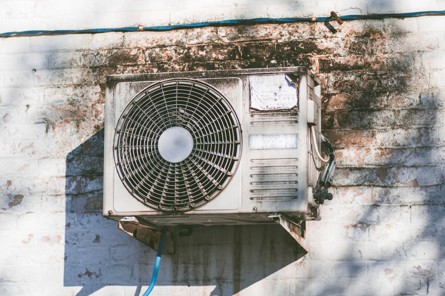
Image Source: www.hurlimanheating.com
Deciphering the Whistle: Common Causes of AC Whistling
The whistle you hear isn’t just a random occurrence; it’s a symptom. Pinpointing the exact cause is crucial for effective repair and maintaining the health of your AC system. Here are the most frequent reasons your HVAC whistling might be happening:
1. Airflow Restrictions: The Silent Culprit
One of the most common reasons for an AC blowing whistle is restricted airflow. When air can’t move freely through the system, it’s forced through smaller openings, creating a whistling noise. Think of blowing over the top of a bottle – the air moving across the opening creates a sound. In your AC, this happens when something is blocking the natural path of the air.
Clogged Air Filters: The Everyday Offender
- What it is: Your air filter is designed to trap dust, dirt, pollen, and other airborne particles to protect your AC’s internal components and ensure cleaner air circulation.
- How it causes whistling: Over time, these filters become saturated with debris. When the blower fan tries to pull air through a clogged filter, it has to work harder, and the air is forced through the tiny remaining pores at high speed. This rapid air movement over sharp edges or small openings is a prime cause of a whistling sound.
- When to check: You should check your air filter monthly and replace it every 1-3 months, depending on the filter type and your household’s air quality. If you have pets or live in a dusty area, you might need to change it more frequently.
Blocked Vents and Registers: The Obvious Obstruction
- What it is: Vents and registers are the grilles in your walls, ceilings, or floors that allow conditioned air to enter your rooms.
- How it causes whistling: Furniture, curtains, rugs, or even stacked items can inadvertently block these openings. When a vent is blocked, the air pressure builds up behind it. As the fan continues to push air, it finds a small gap or edge to escape through, often creating a whistling sound.
- What to do: Regularly inspect all your vents and registers. Ensure they are clear of any obstructions. Sometimes, even a slightly angled blind can direct airflow in a way that causes a whistle.
Leaks in Ductwork: The Hidden Pathway
- What it is: Ductwork is the network of channels that carries conditioned air from your AC unit to various rooms in your home and returns air to the unit.
- How it causes whistling: Small holes, gaps, or loose connections in your ductwork can allow conditioned air to escape. When the blower fan is running, the air is forced out of these small openings at high velocity, similar to a tiny jet. This rapid escape of air can produce a distinct whistling noise.
- Severity: Duct leaks don’t just cause noise; they also lead to significant energy loss, as you’re essentially cooling or heating the space outside your home. This means your AC has to run longer and harder, increasing your energy bills and reducing efficiency.
Frozen Evaporator Coil: A Sign of Deeper Trouble
- What it is: The evaporator coil is a crucial component in your indoor air handler that absorbs heat from the air.
- How it causes whistling: If there’s an issue with refrigerant levels or airflow, the evaporator coil can freeze over. Ice buildup creates an irregular surface. As air passes over this icy surface, it can be forced through narrow channels or around sharp ice formations, producing a whistling sound.
- Associated symptoms: A frozen evaporator coil is usually accompanied by reduced cooling, water leaks, and a complete stop in airflow from your vents. This is a serious issue that requires immediate attention.
2. Mechanical Issues: When Components Start to Grate
Beyond airflow problems, the mechanical parts of your AC unit can also be the source of a whistling sound. These often indicate wear and tear or misalignment of moving parts.
Worn-Out Bearings: The Wear and Tear Whistle
- What it is: Bearings are small, lubricated components that allow rotating parts like fan motors and blower wheels to spin smoothly.
- How it causes whistling: Over time, the lubricant in bearings can dry out, or the bearings themselves can become worn. This friction and resistance can cause the motor to hum or whine, and in some cases, the displaced air as the fan spins can be forced through the worn bearing area, creating a whistling effect.
- When it’s noticeable: This type of whistle might be more prominent when the AC first starts up or when it’s running at a high speed.
Fan Motor Problems: A Spinning Symphony of Noise
- What it is: The fan motor is responsible for circulating air through your AC system, both indoors and outdoors.
- How it causes whistling: If the fan blades are bent, unbalanced, or if the motor itself is starting to fail, it can create vibrations. The air being moved by these unbalanced or struggling blades can produce a whistling sound. Sometimes, a loose fan shroud or housing can also vibrate against the spinning fan, causing a whistle.
- Related noises: You might also hear rattling or grinding noises if the fan motor is severely damaged.
Loose Fan Blades: A Wobbly Whistle
- What it is: The fan blades are attached to the fan motor shaft.
- How it causes whistling: If these blades become loose, they can wobble as they spin. This wobbling can cause them to hit nearby components or create uneven air displacement, leading to a whistling or whooshing sound.
- Safety concern: Loose fan blades are a serious safety hazard, as they can break off and cause significant damage or injury.
3. Refrigerant Issues: The Hissing Danger
While not always a whistle, refrigerant leaks can sometimes manifest as an HVAC hissing noise that can be mistaken for a whistle, especially if it’s a small, high-pressure leak.
Refrigerant Leaks: A Pressurized Problem
- What it is: Refrigerant is the chemical compound that absorbs heat from your home’s air and releases it outside.
- How it causes whistling/hissing: If there’s a leak in the refrigerant lines (e.g., a pinhole or a crack), the pressurized refrigerant can escape. As the refrigerant escapes through a small opening, it can create a high-pitched hissing or whistling sound. This is often more noticeable near the outdoor unit or along the refrigerant lines.
- Serious implications: Refrigerant is toxic and harmful to the environment. A leak means your AC system is not operating efficiently and can lead to serious damage to the compressor, which is an expensive component to replace.
Troubleshooting AC Whistling: A Step-by-Step Approach
When you notice that air conditioner whistling sound, the first step is always to identify the source. Here’s a systematic way to approach troubleshooting AC whistling:
Step 1: Identify the Location of the Whistle
Is the whistle coming from:
- Inside the house: This often points to issues with the indoor unit, vents, registers, or ductwork.
- Outside the house: This usually indicates a problem with the outdoor condenser unit.
Step 2: Check the Simplest Solutions First
Start with the easiest and most common causes:
Inspect and Replace the Air Filter
- Action: Locate your air filter (usually in the return air grille or inside the air handler). Pull it out and visually inspect it.
- If clogged: If it looks dirty or dusty, replace it immediately with a new one of the correct size and MERV rating.
- Test: Turn on your AC. If the whistle stops, you’ve found your culprit!
Clear Blocked Vents and Registers
- Action: Walk through your home and ensure all vents and registers are completely unobstructed by furniture, drapes, or any other items.
- Adjust: Open any closed vents in rooms you don’t use often, as this can sometimes redirect airflow and cause whistling in other areas.
Step 3: Deeper Dive into Potential Causes
If the simple fixes don’t work, it’s time to look at more complex issues.
Examine Ductwork for Leaks
- Visual inspection: Carefully inspect accessible ductwork (in attics, crawl spaces, or basements) for any obvious holes, tears, or disconnected seams.
- Listen closely: With the AC running, try to pinpoint where the whistling is loudest. This can help narrow down the location of a potential duct leak.
- Seal minor leaks: For small holes, you can use specialized HVAC foil tape (not standard duct tape, which degrades quickly) to seal them. For larger leaks or extensive damage, professional duct sealing is recommended.
Assess Fan Blades and Motor (for those comfortable with DIY)
- Safety first: Always turn off the power to your AC unit at the breaker box before attempting any internal inspection.
- Indoor unit: If the whistle seems to come from the indoor unit, you might be able to access the blower fan. Check if the fan blades are clean and free from debris. Ensure they are securely attached.
- Outdoor unit: The outdoor unit houses the condenser fan. Carefully inspect the fan blades for any damage or debris. Do not touch the fan or motor when the power is on.
- Professional Help: If you suspect worn bearings or motor issues, it’s best to call a professional. These components require specialized knowledge and tools to repair or replace.
Investigate Potential Refrigerant Leaks
- Listen for hissing: If you hear a hissing sound, especially near the refrigerant lines or the outdoor unit, it could indicate a leak.
- Warning signs: Refrigerant leaks also lead to poor cooling, ice formation on coils, and increased running times.
- Professional Diagnosis: Refrigerant handling requires special certification. If you suspect a leak, do not attempt to fix it yourself. Call a qualified HVAC technician immediately. They have the equipment to detect leaks, repair them, and recharge the system with the correct amount of refrigerant.
When to Call a Professional HVAC Technician
While some minor issues like a dirty air filter or a blocked vent can be handled by homeowners, many AC whistling sounds point to more significant problems that require the expertise of a qualified HVAC professional. You should call a technician if:
- The whistling persists after checking the filter and vents.
- You suspect a refrigerant leak (hissing, poor cooling, ice).
- You hear unusual grinding or rattling noises in addition to the whistle.
- You are uncomfortable or unsure about inspecting internal AC components.
- The whistle is very loud or has suddenly appeared.
A professional technician has the tools, knowledge, and experience to accurately diagnose the reasons for AC whistling and perform the necessary repairs safely and effectively. They can also perform routine maintenance that can prevent these issues from occurring in the first place.
The Impact of a Whistling AC on Your Home
Beyond the annoyance, a whistling AC can have broader implications for your home:
- Reduced Efficiency: Restricted airflow or mechanical problems force your AC to work harder, consuming more energy and leading to higher utility bills.
- Decreased Comfort: If the whistling is due to airflow issues, it often means that the air isn’t being distributed evenly throughout your home, leading to hot or cold spots.
- Potential for Further Damage: Ignoring a whistling sound, especially if it’s related to a mechanical issue or refrigerant leak, can lead to more severe and costly damage to your HVAC system down the line. For example, a struggling fan motor can eventually burn out, or a refrigerant leak can damage the compressor.
- Indoor Air Quality: Restricted airflow due to clogged filters or ducts can reduce the effectiveness of your AC’s air filtration, leading to poorer indoor air quality.
Preventive Maintenance: The Key to a Quiet AC
Regular maintenance is the best defense against a noisy air conditioner. Here are some preventive measures:
Regular Filter Changes
- Frequency: As mentioned, change your air filter every 1-3 months.
- Benefits: This simple act dramatically improves airflow, reduces strain on the blower motor, and enhances indoor air quality.
Professional Annual Tune-Ups
- What it involves: Schedule a professional inspection and cleaning of your AC system at least once a year, typically before the cooling season begins.
- Technician checks: A technician will inspect refrigerant levels, clean coils, check electrical connections, lubricate moving parts, and identify any potential issues before they become major problems. This can help catch developing fan motor issues or minor duct leaks.
Keep Outdoor Unit Clear
- Location: Ensure the area around your outdoor condenser unit is free of debris, leaves, and overgrown vegetation.
- Airflow: Good airflow around the outdoor unit is essential for its efficient operation and can prevent strain on the fan motor.
Listen to Your AC
- Become familiar: Pay attention to the normal sounds your AC makes. This will help you quickly identify any new or unusual noises, like a whistle.
- Early detection: Catching a whistling sound early can prevent a minor issue from becoming a costly breakdown.
Frequently Asked Questions (FAQ)
Q1: Can I ignore an AC whistling sound?
A1: No, it’s generally not advisable to ignore an AC whistling sound. It’s a signal that something isn’t functioning correctly and could lead to reduced efficiency, discomfort, or further damage to your system.
Q2: Is a whistling sound dangerous?
A2: While the sound itself isn’t dangerous, the underlying cause might be. For example, refrigerant leaks are dangerous due to the toxicity of refrigerants, and loose fan blades pose a safety risk. It’s best to investigate the cause.
Q3: How often should I change my AC filter?
A3: You should check your air filter monthly and replace it every 1 to 3 months. The exact frequency depends on the type of filter, the presence of pets or allergies in the home, and the overall air quality.
Q4: What should I do if I hear a hissing sound from my AC?
A4: A hissing sound is often indicative of a refrigerant leak, which is a serious issue. You should immediately turn off your AC unit and call a qualified HVAC technician to diagnose and repair the leak. Do not attempt to top up the refrigerant yourself.
Q5: Can a whistling sound be fixed by cleaning the vents?
A5: Sometimes, if the whistle is caused by a partially blocked vent or register, cleaning and ensuring it’s clear can resolve the issue. However, if the obstruction is deeper in the ductwork or if the cause is mechanical, cleaning vents alone won’t help.
Conclusion
Experiencing an air conditioner whistling sound can be concerning, but by systematically identifying the potential causes, from simple airflow restrictions to more complex mechanical or refrigerant issues, you can take proactive steps toward a solution. Regular maintenance, including frequent air filter changes and professional tune-ups, is key to preventing these bothersome noises and ensuring your HVAC system runs efficiently and quietly. If you’re ever in doubt, don’t hesitate to call a certified HVAC professional to handle the troubleshooting AC whistling for you. A quiet, comfortable home is worth the effort!

My name is Carlos Gadd, and I am the creator of AirPurityGuide.com.. With a passion for footwear, I share my experiences, insights, and expertise about shoes. Through my blog, I aim to guide readers in making informed decisions, finding the perfect pair, and enhancing their footwear knowledge. Join me on this journey to explore everything about shoes!