
Can you change an air conditioner clutch yourself? Yes, with the right tools, a bit of mechanical know-how, and this guide, you can tackle an AC clutch replacement on your own. This guide will walk you through the process of changing an air conditioner clutch, often a crucial step when your air conditioning compressor clutch isn’t engaging or is showing other AC clutch symptoms. We’ll cover everything from identifying the problem to getting your AC blowing cold again.
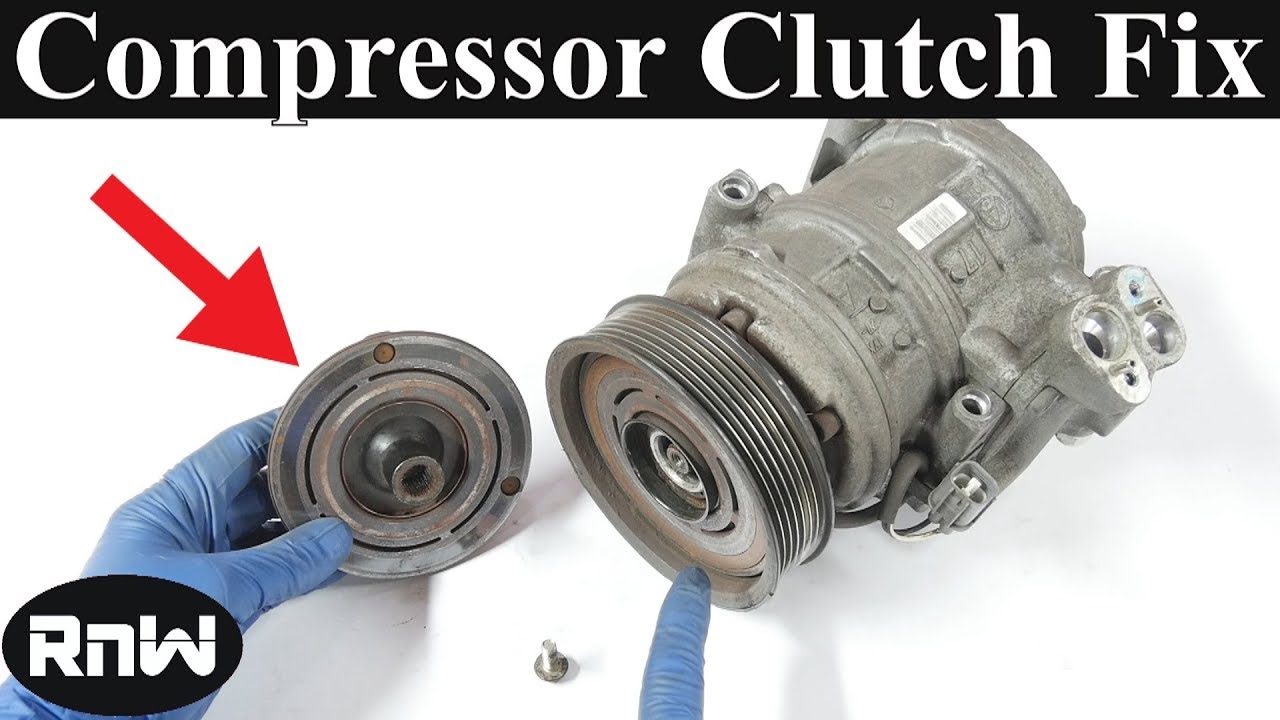
Image Source: i.ytimg.com
Why Your AC Clutch Needs Attention
Your car’s air conditioning system relies on several key components to keep you cool. One of the most vital, yet often overlooked, is the AC clutch. This clutch is attached to the front of the AC compressor. When you turn on your AC, an electromagnetic coil in the clutch activates, engaging the pulley with the compressor’s internal workings. This engagement allows the compressor to pump refrigerant, which is the heart of your cooling system.
Signs of a Failing AC Clutch
Several AC clutch symptoms can indicate a problem:
- No Cold Air: This is the most common and frustrating symptom. If the clutch isn’t engaging, the compressor won’t run, and you won’t get cold air.
- Intermittent Cooling: The AC might blow cold sometimes but then stop. This can happen if the clutch is slipping or engaging inconsistently.
- Grinding or Squealing Noises: A worn-out clutch bearing or damaged clutch plates can produce loud noises when the AC is turned on.
- AC Clutch Not Engaging: You might hear the familiar “click” of the clutch engaging, but the compressor pulley doesn’t spin, or it spins erratically.
- Visible Damage: Inspecting the clutch visually might reveal cracks, debris, or signs of overheating.
If you notice any of these issues, it’s time to consider an AC clutch replacement or AC compressor clutch repair.
Deciphering the AC Clutch Replacement Process
Replacing an AC clutch can seem daunting, but by breaking it down into steps, it becomes much more manageable. This guide focuses on a common type of AC clutch found in many vehicles. Always refer to your specific vehicle’s service manual for exact procedures and specifications, as designs can vary.
Tools and Materials You’ll Need
Before you begin, gather all necessary tools and materials to ensure a smooth workflow:
- New AC Clutch Assembly: Make sure it’s the correct part for your vehicle’s make, model, and year. Sometimes, you can find a universal AC clutch, but it’s best to get an exact fit.
- Socket Set and Wrenches: Including both metric and standard sizes, depending on your vehicle.
- Ratchet and Extensions: For reaching bolts in tight spaces.
- Serpentine Belt Tool: Essential for releasing tension and removing the serpentine belt removal.
- Pulley Holder Tool: This is crucial for holding the clutch pulley stationary while you loosen the center nut.
- Clutch Removal Tool Kit: This specialized kit often includes pullers and press tools to safely remove and install the clutch.
- Screwdrivers: Both Phillips and flathead.
- Pliers: Various types, including needle-nose.
- Gloves: To protect your hands.
- Safety Glasses: To protect your eyes from debris.
- Shop Rags: For cleaning up spills and grime.
- Torque Wrench: For tightening bolts to the manufacturer’s specifications.
- Penetrating Oil (e.g., WD-40): To loosen stubborn bolts.
Step-by-Step Guide to AC Clutch Replacement
This guide assumes you’ve already identified that the AC clutch is the source of your problem.
Step 1: Safety First!
- Park on a Level Surface: Ensure your vehicle is stable and won’t roll.
- Engage the Parking Brake: Apply the parking brake firmly.
- Disconnect the Battery: Locate the negative battery terminal and disconnect it using a wrench. This prevents accidental electrical shorts.
- Allow the System to Depressurize (if necessary): While clutch replacement usually doesn’t require opening the refrigerant system, if you suspect a leak or damage related to refrigerant pressure, it’s best to have a professional handle it. Never attempt to open the AC system yourself unless you are certified and have the proper equipment.
Step 2: Accessing the AC Compressor and Clutch
- Locate the AC Compressor: The AC compressor is usually belt-driven and mounted towards the front of the engine. Its exact location will vary by vehicle.
- Identify the Serpentine Belt: This is the belt that drives various engine accessories, including the AC compressor.
- Remove the Serpentine Belt:
- Find the belt tensioner. This is usually a spring-loaded pulley.
- Using the serpentine belt tool, apply leverage to the tensioner pulley to release the belt’s tension.
- While holding the tensioner released, slip the belt off the AC compressor pulley and any other pulleys as needed.
- Carefully remove the belt from the engine bay. Keep track of its routing if you plan to reuse it.
Step 3: Disconnecting Electrical Connectors
- Locate the AC Clutch Connector: The clutch is controlled by an electrical signal. You’ll find a wire harness connected to a small coil on the front of the compressor, just behind the clutch pulley.
- Carefully Disconnect the Connector: There’s usually a small locking tab on the connector. Gently press this tab and pull the connector apart. If it’s stiff, a small flathead screwdriver might help, but be careful not to break the plastic.
Step 4: Removing the AC Clutch Pulley and Hub
This is where specialized tools become essential.
- Hold the Pulley: The AC clutch has a center nut that secures the pulley and hub assembly to the compressor shaft. You must hold the pulley still to prevent the compressor’s internal components from turning.
- Use your pulley holder tool or a specialized clutch holding tool. Fit it onto the pulley to prevent it from spinning.
- Remove the Center Nut:
- Using the appropriate socket and wrench, loosen and remove the center nut holding the clutch hub to the compressor shaft.
- Keep track of this nut, as it may have specific torque requirements for reinstallation.
- Remove the Clutch Pulley:
- Once the center nut is removed, the pulley should slide off the compressor shaft. Sometimes, it might be stuck due to rust or corrosion.
- If it’s stuck, you might need to use a clutch removal tool kit. These kits often have bolts that thread into the pulley and a puller that presses against the compressor shaft, drawing the pulley off. Follow the specific instructions for your tool kit.
Step 5: Removing the Clutch Coil
The coil is what creates the magnetic field to engage the clutch.
- Inspect the Coil: The coil is typically held in place by several small bolts.
- Remove the Coil Mounting Bolts:
- Use the correct size socket to remove the bolts securing the clutch coil to the front of the compressor body.
- Note the number and location of these bolts.
- Remove the Clutch Coil:
- Once the bolts are removed, the coil should lift away. If it’s stuck, gently tap it with a rubber mallet or use a pry tool very carefully.
- Important: Note any shims that may be present between the coil and the compressor body. These shims are critical for setting the correct air gap between the clutch plate and the compressor pulley. You’ll need to reuse these or use new ones of the same thickness.
Step 6: Installing the New AC Clutch
Installation is essentially the reverse of removal.
- Install the New Clutch Coil:
- Place the new clutch coil onto the front of the compressor.
- Ensure any shims are correctly positioned between the coil and the compressor body.
- Secure the coil with its mounting bolts. Tighten them evenly.
- Crucially, torque these bolts to the manufacturer’s specifications. Over-tightening can damage the compressor or the coil.
- Install the New Clutch Pulley and Hub:
- Slide the new pulley and hub assembly onto the compressor shaft. Ensure it’s oriented correctly.
- Replace the center nut.
- This is a critical step: You need to set the correct air gap between the clutch plate and the compressor pulley. The manufacturer specifies a gap, often measured in millimeters or thousandths of an inch.
- Setting the Air Gap: This is often done by adding or removing shims between the pulley/hub and the compressor shaft, or by adjusting the depth of the center nut.
- Using the Pulley Holder: You’ll need the pulley holder tool again to keep the pulley stationary while you tighten the center nut.
- Tighten the Center Nut: Tighten the center nut until it is snug. Then, use a torque wrench to tighten it to the manufacturer’s specified torque. Over-tightening will cause the clutch to drag and may prevent engagement.
- Check the Air Gap: After tightening, use a feeler gauge to measure the gap between the clutch plate and the pulley. If it’s too wide or too narrow, you’ll need to adjust the shims or re-tighten the nut according to your vehicle’s service manual. Incorrect AC clutch cycling can occur with an improper air gap.
Step 7: Reconnecting Electrical Connectors and Serpentine Belt
- Reconnect the Electrical Connector: Plug the wiring harness connector back into the new AC clutch coil. Ensure it clicks securely into place.
- Reinstall the Serpentine Belt:
- Route the new or old serpentine belt correctly around all the pulleys, referencing the diagram you might have taken or found online.
- Use the serpentine belt tool to again apply tension to the tensioner pulley.
- Slip the belt onto the AC compressor pulley and any other pulleys you removed it from.
- Slowly release the tensioner to put the belt under tension. Ensure the belt is seated correctly on all pulleys.
Step 8: Final Checks and Testing
- Reconnect the Battery: Reattach the negative battery terminal.
- Start the Engine: Let the engine run for a few minutes.
- Turn on the AC: Activate your air conditioning system.
- Listen and Observe:
- You should hear a distinct “click” as the AC clutch engages.
- Observe the AC compressor pulley. It should now be spinning with the compressor’s internal mechanism.
- Check if the AC is blowing cold air.
- Listen for any unusual noises like grinding or squealing, which could indicate a problem with the installation or a new issue.
Troubleshooting Common Issues During Replacement
Even with a thorough guide, you might encounter snags. Here are some common problems and how to address them:
Problem: Clutch Pulley Won’t Budge
- Cause: Rust, corrosion, or thread locker on the center nut.
- Solution: Apply penetrating oil generously to the center nut and let it soak for at least 30 minutes, or even overnight. Try again. If it’s still stuck, you might need more leverage or a breaker bar, but be careful not to strip the nut or break the tool.
Problem: New Clutch Coil Doesn’t Engage
- Cause: Incorrect wiring, bad coil, or improper air gap.
- Solution:
- Double-check the electrical connector is fully seated and the locking tab is engaged.
- Verify the voltage reaching the coil when the AC is turned on (requires a multimeter).
- Recheck the air gap between the pulley and clutch plate. If it’s too large, the magnetic force may not be strong enough to pull the clutch plate.
- Ensure the coil itself is not faulty.
Problem: Clutch Grinds or Makes Noise After Installation
- Cause: Improper air gap, misaligned pulley, or a faulty new part.
- Solution:
- The most common cause is an incorrect air gap. Re-measure and adjust shims as needed.
- Ensure the pulley is perfectly aligned with the compressor pulley. Misalignment can cause friction and noise.
- If the noise persists, the new clutch might be defective.
Problem: Serpentine Belt Slips After Installation
- Cause: Incorrect belt tension or the belt is misrouted.
- Solution:
- Ensure the belt is correctly routed around all pulleys.
- Check the serpentine belt tensioner. It might be weak, or the belt might be stretched. If the belt is old, consider replacing it.
When to Seek Professional Help
While this guide aims to empower you to perform an AC clutch replacement, there are situations where professional assistance is highly recommended:
- Lack of Proper Tools: If you don’t have specialized tools like a clutch removal kit or pulley holder, attempting the job can lead to damage.
- Uncertainty About Refrigerant System: If you suspect a refrigerant leak or pressure issue, do not attempt to work on the system. Handling refrigerant requires specialized training and equipment to be safe and environmentally compliant.
- Complex Vehicle Designs: Some vehicles have AC compressors located in very difficult-to-access areas, making DIY replacement extremely challenging.
- Electrical System Concerns: If you’re uncomfortable diagnosing electrical issues with a multimeter, a professional can quickly pinpoint electrical faults.
- Persistent Problems: If you’ve replaced the clutch and the AC still isn’t working correctly, it might indicate a deeper issue within the AC system, such as a faulty compressor, clogged expansion valve, or a refrigerant charge problem.
Frequently Asked Questions (FAQ)
Q1: How much does it cost to replace an AC clutch?
A1: The cost can vary widely. Parts alone might range from $50 to $200 for a clutch kit. Professional labor can add anywhere from $100 to $300 or more, depending on your location and the complexity of the job.
Q2: Can I just replace the AC clutch without replacing the entire compressor?
A2: Yes, in most cases, you can replace just the clutch assembly if the compressor itself is still functional. This is a much more cost-effective solution. However, if the compressor has seized or is leaking oil, then a full compressor replacement is necessary.
Q3: What is the typical lifespan of an AC clutch?
A3: An AC clutch is designed to last for many years and thousands of engagement cycles. However, factors like frequent short trips, extreme heat, or poor maintenance can shorten its lifespan.
Q4: What causes an AC clutch not to engage?
A4: Several factors can cause an AC clutch not engaging: a blown fuse or faulty relay for the AC system, a bad clutch coil, a low refrigerant charge (many systems have a low-pressure cutoff switch), damaged wiring, or a faulty control module.
Q5: Is it safe to drive with a broken AC clutch?
A5: Yes, it is safe to drive your vehicle with a broken AC clutch. The AC system simply won’t function, meaning you won’t have cold air. However, if the clutch is making loud grinding noises, it’s best to address it sooner rather than later to prevent potential damage to other components, like the serpentine belt.
By following this detailed guide, you can confidently tackle the task of how to replace AC clutch and restore your vehicle’s cooling comfort. Remember, patience and precision are key to a successful repair.

My name is Carlos Gadd, and I am the creator of AirPurityGuide.com.. With a passion for footwear, I share my experiences, insights, and expertise about shoes. Through my blog, I aim to guide readers in making informed decisions, finding the perfect pair, and enhancing their footwear knowledge. Join me on this journey to explore everything about shoes!