
A typical window air conditioner uses between 5 and 15 amps. This can vary depending on the cooling capacity of the unit, with larger, more powerful units drawing more electricity and therefore requiring a higher amperage. Understanding this number is crucial for ensuring your home’s electrical system can safely handle the load. This guide will delve deep into window AC amperage, helping you decipher window AC electrical requirements and choose the right unit for your needs.
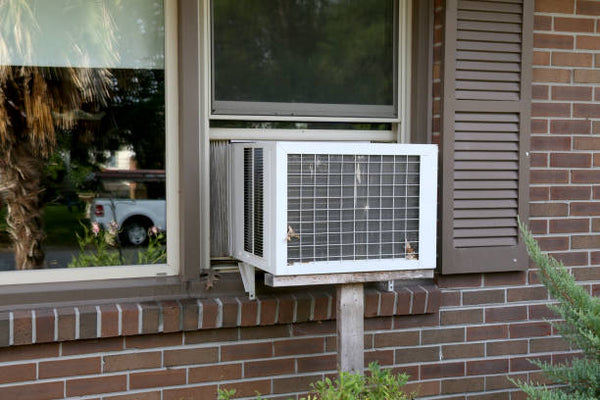
Image Source: cdn.shopify.com
Deciphering Window AC Electrical Requirements
When you’re looking to cool your home with a window air conditioner, one of the most important pieces of information you’ll find on the unit’s specifications is its Window AC amperage rating. This isn’t just a technical detail; it’s a critical factor in determining if your existing electrical setup can safely power the appliance. Without this knowledge, you risk tripping circuit breakers, overloading circuits, or even causing damage to your home’s wiring.
The Basics of Window Air Conditioner Current
Let’s break down what Window air conditioner current actually means. Electricity flows through wires like water through pipes. The amount of electricity flowing is measured in amperes, or amps. Your window AC unit, like any electrical appliance, needs a certain amount of this electrical “flow” to operate.
- Amperage (A): This is the unit of measurement for electric current. It tells you how much electricity the AC unit will draw from the wall socket when it’s running.
- Voltage (V): This is the electrical pressure. Standard household outlets in North America provide 120 volts (V), while some larger appliances might require 240V.
- Wattage (W): This is the total power the appliance consumes. It’s calculated by multiplying voltage by amperage (Watts = Volts × Amps).
Why Amperage Matters for Your Window Unit
Knowing the AC amps for window unit is vital for several reasons:
- Circuit Protection: Your home’s electrical circuits are protected by circuit breakers or fuses. These are designed to “trip” or blow if too much current flows through them, preventing overheating and potential fires. Each circuit has a maximum amperage rating (e.g., 15 amps or 20 amps).
- Appliance Compatibility: You need to ensure the AC unit’s amperage draw doesn’t exceed the capacity of the circuit it’s plugged into.
- Wiring Safety: Older homes might have wiring that isn’t designed to handle the electrical load of high-amperage appliances.
How Many Amps Does a Window AC Use? A Closer Look
The question, “How many amps does a window AC use?”, doesn’t have a single, simple answer because it depends heavily on the unit’s cooling power. Cooling power is usually measured in British Thermal Units (BTUs).
BTU and Amperage Correlation
- Smaller Units (5,000 – 6,000 BTUs): These are typically designed for smaller rooms and can draw as little as 5 to 7 amps. They are often suitable for standard 15-amp household circuits.
- Medium Units (8,000 – 10,000 BTUs): These units, suitable for medium-sized rooms, might draw between 7 and 10 amps. They are also generally safe for 15-amp circuits, but it’s always good to check the specific rating.
- Larger Units (12,000 – 15,000+ BTUs): For larger spaces or areas that need more powerful cooling, these units can draw 10 amps or more. Some of the very largest window ACs might even approach 15 amps or require a dedicated 20-amp circuit.
Window Air Conditioner Power Consumption Factors
Beyond BTUs, several other factors influence Window air conditioner power consumption:
- Energy Efficiency Rating (EER) or Seasonal Energy Efficiency Ratio (SEER): Higher EER or SEER ratings mean the unit is more efficient, using less electricity to produce the same amount of cooling. An efficient unit will generally have a lower amperage draw for the same BTU rating compared to a less efficient one.
- Compressor Type: The compressor is the heart of the AC unit. Newer, variable-speed compressors can adjust their output, leading to more consistent cooling and potentially lower average amperage draw compared to older, single-speed compressors that cycle on and off more abruptly.
- Fan Speed: Running the fan on a higher setting will typically consume slightly more power than running it on a lower setting, although the primary power draw comes from the compressor.
- Thermostat Settings: Setting the thermostat to a very low temperature will make the compressor work harder and longer, increasing the amperage draw.
Fathoming the Amperage Rating Window AC
The Amperage rating window AC is the maximum current the unit is designed to draw during normal operation. This is the figure you’ll find on the unit’s nameplate or in its manual. It’s essential to look for this specific number.
Where to Find the Amperage Rating
- Unit Nameplate: This is usually a sticker or metal plate located on the side or back of the window AC unit itself. It contains vital information like voltage, amperage, and model number.
- Owner’s Manual: The manual that comes with your AC unit will have detailed specifications, including the amperage requirements.
- Product Packaging: The box the unit came in may also list key electrical specifications.
- Online Product Listings: Retail websites often provide detailed product specifications, including electrical requirements.
Interpreting the Nameplate Information
When you find the nameplate, look for a line that states “Amps” or “A”. For example, you might see “5.5 Amps,” “8.2 Amps,” or “12 Amps.” This is the number you need to compare against your home’s circuit breaker capacity.
Window AC Circuit Breaker Size: Matching Power to Protection
A critical aspect of installing a window AC is ensuring it’s connected to the correct circuit and protected by the appropriately sized Window AC circuit breaker size.
How Circuit Breakers Work
Circuit breakers are safety devices. They are designed to automatically shut off the flow of electricity to a circuit if an overload occurs. This prevents wires from overheating, which can lead to fires. Common household circuits are protected by 15-amp or 20-amp breakers.
Matching the AC to the Circuit
- Rule of Thumb: Generally, a window AC unit should not be plugged into a circuit that is already heavily loaded with other appliances.
- Dedicated Circuits: For larger window AC units (typically those drawing 10 amps or more), it’s often recommended to have them on a dedicated circuit. This means the circuit breaker only serves the AC unit and perhaps one or two low-power outlets.
- 15-Amp Circuits: Most smaller to medium-sized window AC units (drawing up to about 12-13 amps) can be safely plugged into a standard 15-amp household circuit. However, you must ensure that other high-draw appliances (like microwaves, hair dryers, or vacuum cleaners) are not running on the same circuit simultaneously.
- 20-Amp Circuits: Larger window AC units or those that frequently operate close to the 15-amp limit might be better suited for a 20-amp circuit. This provides a bit more headroom and reduces the likelihood of tripping the breaker.
What Happens If You Don’t Have the Right Circuit Size?
- Tripped Breaker: The most common outcome is that the circuit breaker will trip, cutting power to the AC unit and any other devices on that circuit. This is the breaker doing its job.
- Overheating Wires: If the breaker is faulty or undersized, the wires in your walls could overheat. This is a serious fire hazard.
- Appliance Damage: Consistently running an appliance at or near the limit of its circuit can stress both the appliance and the electrical system.
Understanding Window AC Amps: Practical Considerations
When you’re fathoming Window AC amps, think about how you’ll actually use the unit.
Factors Affecting Actual Amperage Draw
The Amperage rating window AC is the maximum it might draw. However, the actual draw can fluctuate:
- Startup Surge: When the AC compressor first kicks on, it can draw a significantly higher surge of amperage for a brief moment. This is normal.
- Thermostat Cycling: When the AC reaches the set temperature, the compressor cycles off, and the amperage draw drops significantly, with only the fan usually running. When the temperature rises, the compressor cycles back on, and the amperage draw increases again.
- Ambient Temperature: On very hot days, the AC will run more continuously, drawing closer to its maximum amperage for longer periods.
Tips for Safe Operation
- Check the Nameplate: Always refer to the specific amperage rating on the unit. Don’t assume all units of a similar BTU are the same.
- Inspect the Outlet and Cord: Ensure the wall outlet and the AC unit’s power cord are in good condition, free from damage.
- Avoid Extension Cords (When Possible): If you must use an extension cord, ensure it is heavy-duty, rated for the amperage of the AC unit, and specifically designed for outdoor use if necessary. Using an undersized extension cord is a major fire hazard.
- Don’t Overload Circuits: Be mindful of what other appliances are running on the same circuit as your window AC.
Typical Window AC Amperage: A Quick Reference
To give you a clearer picture, here’s a table showing the typical amperage range for various window AC sizes. Remember, these are general estimates, and you should always check the specific unit’s rating.
| Window AC Size (BTUs) | Typical Amperage Range (120V) | Common Circuit Breaker Size | Notes |
|---|---|---|---|
| 5,000 – 6,000 | 5.0 – 7.0 Amps | 15 Amp | Often suitable for standard household circuits. |
| 8,000 – 10,000 | 7.0 – 10.0 Amps | 15 Amp | Good to monitor other loads on the circuit. |
| 12,000 – 14,000 | 10.0 – 13.0 Amps | 15 Amp or 20 Amp | Consider a 20-amp circuit for this size. |
| 15,000+ | 12.0 – 15.0+ Amps | 20 Amp | Likely requires a dedicated 20-amp circuit. |
Important Note: Some higher BTU units, especially those designed for 240V, will have different amperage requirements and may require a different type of plug and circuit. Always verify the voltage and amperage.
What is the Amperage Rating of a Window AC?
The Amperage rating window AC specifies the maximum electric current the unit is designed to safely draw from the power outlet when it is operating. This rating is essential for matching the air conditioner to your home’s electrical circuit capacity to prevent overloads and ensure safe operation.
Can I Plug a Window AC into Any Outlet?
No, you cannot plug a window AC into just any outlet. You must ensure the outlet is on a circuit that can handle the amperage draw of the AC unit without exceeding the circuit breaker’s limit. Ideally, larger units should be on dedicated circuits or at least circuits with minimal other loads.
Who is Responsible for Ensuring Proper Electrical Installation?
While you can plug in a small window AC yourself if it’s compatible with an existing circuit, for larger units or if you’re unsure about your home’s electrical system, it’s always best to consult with a qualified electrician. They can assess your circuits and ensure safe and proper installation.
FAQ: Frequently Asked Questions about Window AC Amps
Q1: Will my window AC trip the breaker if I also run my microwave?
It depends. If your window AC is a smaller unit (e.g., 7 amps) and the microwave is also drawing significant power (e.g., 10 amps), and they are on the same 15-amp circuit, it’s very likely to trip the breaker. It’s best to avoid running high-draw appliances on the same circuit as your window AC.
Q2: How do I know if my circuit is 15 amp or 20 amp?
Look at the circuit breaker in your electrical panel. The amperage rating is usually printed on the toggle switch. If you’re unsure, it’s best to consult an electrician or your home’s electrical documentation.
Q3: Can I use an extension cord with my window AC?
While generally not recommended due to potential voltage drop and fire risk, if you must, use a heavy-duty extension cord specifically rated for the amperage of your AC unit and for outdoor use if needed. Never use a standard indoor extension cord for an AC unit.
Q4: What is the difference between amps and watts for a window AC?
Amps (amperage) measure the flow of electricity, while watts measure the total power consumed. Watts are calculated by multiplying amps by voltage (Watts = Amps x Volts). You need to know the amps to ensure your circuit can handle the load, and watts give you an idea of the overall energy consumption.
Q5: Does a window AC use more amps when it’s hotter outside?
Yes, when it’s hotter outside, the AC unit’s compressor will run for longer periods and more frequently to maintain the set temperature. This means it will draw a higher average amperage over time compared to when the outside temperature is milder.
Q6: What if my window AC’s amperage is very close to the breaker rating?
If your window AC’s amperage draw is very close to the circuit breaker’s rating (e.g., a 13-amp AC on a 15-amp circuit), it’s a good idea to consider upgrading to a 20-amp circuit or ensuring that no other significant appliances are running on that circuit when the AC is in use. This provides a safety margin.
By carefully considering the Window AC amperage requirements and matching them to your home’s electrical system, you can enjoy a comfortably cool home safely and efficiently.

My name is Carlos Gadd, and I am the creator of AirPurityGuide.com.. With a passion for footwear, I share my experiences, insights, and expertise about shoes. Through my blog, I aim to guide readers in making informed decisions, finding the perfect pair, and enhancing their footwear knowledge. Join me on this journey to explore everything about shoes!