
Air conditioners don’t need Freon (now more commonly referred to as refrigerant) added on a regular schedule; they only need a refrigerant recharge if there’s a leak in the system. A properly functioning AC unit is a sealed system, meaning the refrigerant should never need to be replaced. Adding refrigerant without addressing a leak is a temporary fix and can lead to bigger problems and increased costs.
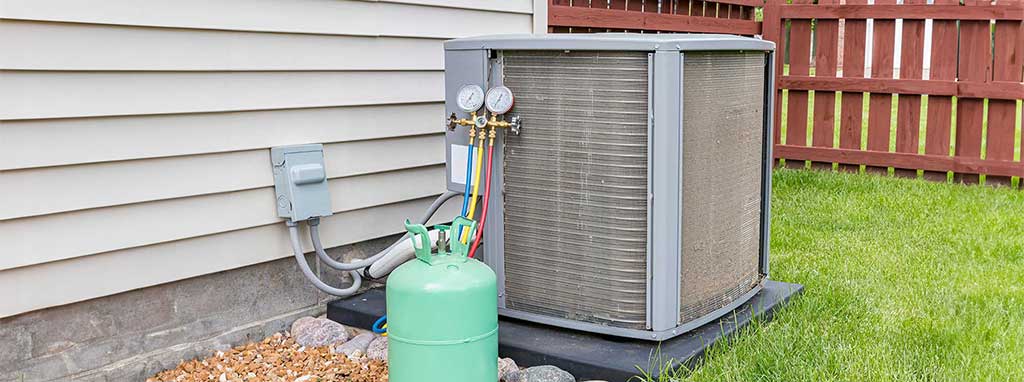
Image Source: bluevalleyheatingcooling.com
Deciphering Refrigerant Levels in Your AC
Your air conditioner relies on a special gas called refrigerant to cool your home. Think of it like the blood in your veins – it circulates through the system, absorbing heat from your indoor air and releasing it outside. This refrigerant is contained within a closed loop, meaning it shouldn’t escape.
The Myth of Regular Freon Top-Ups
Many homeowners believe that their AC unit needs a “Freon top-up” every few years, similar to how you might change the oil in your car. This is a misconception. A healthy air conditioning system is designed to be airtight. The refrigerant is sealed inside the coils and pipes. If your AC is performing as it should, it will never run out of refrigerant.
What if My AC Lowers its Cooling Power?
If your AC seems to be losing its cooling power, the first thought might be a need for more Freon. However, a decrease in cooling capacity is almost always a symptom of a larger issue. The most common culprit is a refrigerant leak. When refrigerant escapes, the system cannot perform its cooling function effectively.
AC Performance Decline: What to Look For
Several signs can indicate that your AC’s refrigerant levels are low due to a leak:
- Warm Air Blowing: The most obvious sign is that your AC is blowing air that isn’t as cold as it used to be, or even warm air.
- Increased Humidity: A properly working AC also helps to dehumidify your home. If you notice your home feels more humid, it could be a sign of low refrigerant.
- Frozen Evaporator Coils: When refrigerant levels are too low, the system can’t absorb heat properly. This can cause the evaporator coils (the indoor part of your AC) to freeze over. You might see ice on the indoor unit or the refrigerant lines.
- Hissing Sounds: Sometimes, a refrigerant leak can produce a hissing or bubbling sound as the gas escapes from a crack or puncture in the system.
- Higher Energy Bills: As your AC struggles to cool your home with insufficient refrigerant, it will have to work harder and longer, leading to higher electricity bills.
- AC Efficiency Drops: Over time, a slow leak will significantly impact your AC’s overall efficiency. It will take longer to cool your home, and it will use more energy to achieve a less satisfactory result.
The Importance of Refrigerant Gas Levels
The precise amount of refrigerant in your AC system is crucial for its optimal operation. It’s a carefully calculated charge that allows the system to efficiently absorb heat. Too little refrigerant means the system can’t move enough heat. Too much refrigerant, which is less common but still possible after an improper “recharge,” can also cause damage and reduce efficiency.
Interpreting AC Refrigerant Leaks
A refrigerant leak is the primary reason an AC would need more refrigerant. These leaks can occur in various parts of the system:
Common Locations for Refrigerant Leaks
- Coils: The evaporator coil (indoor) and condenser coil (outdoor) are made of thin metal tubing. Corrosion, damage from debris, or manufacturing defects can cause them to develop small holes.
- Copper Lines: These lines connect the indoor and outdoor units. They can be damaged during installation, by vibration, or by external impacts.
- Fittings and Valves: The various connections and service valves throughout the system are potential points for leaks if they are not properly sealed or if the seals degrade over time.
- Compressor Seals: The compressor is the heart of the AC system. Its seals can wear out, leading to refrigerant loss.
The Consequences of Ignoring Refrigerant Leaks
- Reduced Cooling Capacity: As mentioned, less refrigerant equals less cooling.
- Increased Strain on Components: When the system is low on refrigerant, the compressor may have to work harder, potentially leading to overheating and premature failure.
- Moisture Contamination: If your AC uses R-22 refrigerant (an older type being phased out due to environmental concerns), air and moisture can enter the system through a leak. This mixture can form acids that corrode internal components.
- Environmental Impact: Refrigerants are potent greenhouse gases. Leaking refrigerant contributes to climate change.
How Often Do Air Conditioners Need Freon: Addressing the Core Question
As established, there is no set Freon top-up frequency. Your air conditioner should not require regular additions of refrigerant. If it does, it’s a sign that something is wrong.
Is a Refrigerant Recharge Ever Necessary?
A refrigerant recharge is only necessary when a leak has been identified and repaired. Adding refrigerant to a leaking system is like putting air into a punctured tire without fixing the hole – it’s a temporary solution that won’t last and can cause further damage.
What is “How Much Freon is Needed”?
The amount of refrigerant your AC needs is specific to its model and design. This information is typically found on a data plate on the outdoor unit, often labeled with the type of refrigerant (e.g., R-410A) and the exact “charge” or weight of refrigerant required. This is not something a homeowner should guess or attempt to determine without specialized equipment.
The Proper Procedure: Leak Detection and Repair First
Before any refrigerant is added, a qualified HVAC technician must:
- Perform Leak Detection: Using specialized tools like electronic leak detectors, UV dye, or soap bubbles, the technician will pinpoint the exact location of the leak.
- Repair the Leak: Once found, the leak must be properly sealed. This might involve brazing copper lines, replacing a faulty valve, or repairing a damaged coil.
- Evacuate the System: After the repair, the system needs to be evacuated to remove any air and moisture. This is done using a vacuum pump.
- Recharge the System: Only then can the correct amount of refrigerant be added, precisely measured by weight or using manifold gauges to achieve the correct operating pressures.
The Lifespan of Refrigerant and AC Systems
Refrigerant itself doesn’t degrade or get used up in a properly functioning AC. The refrigerant gas levels remain constant as long as the system is sealed. Therefore, the refrigerant’s lifespan is essentially the lifespan of the AC system, provided no leaks occur.
Signs of Low Freon and What They Mean
When you notice signs of low Freon, it means there has been a significant loss of refrigerant due to a leak. This is not a gradual depletion; it’s a symptom of a system breach.
When to Suspect a Refrigerant Issue:
- Your AC is not cooling effectively.
- You hear unusual noises like hissing or bubbling.
- Ice forms on your AC unit’s refrigerant lines or coils.
- Your electricity bills are unexpectedly high.
Refrigerant Replacement Schedule: It Doesn’t Exist!
There is no Freon replacement schedule. Unlike engine oil or air filters, refrigerant does not need to be routinely replaced. If your HVAC technician suggests a regular refrigerant “top-up” without diagnosing a leak, it’s a red flag.
Factors Affecting Refrigerant Levels
While leaks are the primary cause of refrigerant loss, other factors can indirectly influence perceived refrigerant levels or system performance:
AC Refrigerant Leaks: The Main Culprit
This cannot be stressed enough: AC refrigerant leaks are the primary reason for needing to add refrigerant. The older the system, the more susceptible it might be to developing leaks due to material fatigue and corrosion.
Installation Errors
Improper installation can lead to leaks at connection points or stressed lines, resulting in early refrigerant loss.
Physical Damage
External factors like lawnmower debris, hail, or accidents can damage the refrigerant lines or coils, causing leaks.
The Evolution of Refrigerants: Freon vs. Newer Alternatives
The term “Freon” is a brand name that became synonymous with refrigerants, particularly R-12 and R-22. However, R-12 was phased out due to its ozone-depleting properties, and R-22 is currently undergoing a phase-out for the same reason.
R-22 (Freon) and the Phase-Out
If you have an older AC unit, it might use R-22. Due to environmental regulations, R-22 is becoming increasingly scarce and expensive. If your R-22 system develops a leak, repairing it and recharging with R-22 can be very costly. In such cases, upgrading to a newer system using a more environmentally friendly refrigerant like R-410A or newer alternatives might be more economical in the long run.
R-410A and Beyond
Modern air conditioners use refrigerants like R-410A, which does not deplete the ozone layer. These newer refrigerants are designed to be efficient and safer for the environment. They operate at different pressures than R-22, so you cannot mix them or use R-22 equipment to service R-410A systems.
When to Call a Professional for Refrigerant Issues
Dealing with refrigerants requires specialized knowledge, tools, and licenses. It is illegal and dangerous for anyone without proper certification to handle or add refrigerant.
Identifying the Need for Expert Assistance
You should contact a qualified HVAC technician immediately if you notice any of the signs of low Freon discussed earlier. Don’t attempt to add refrigerant yourself.
The Role of Freon Leak Detection Services
Professional Freon leak detection is a critical service. Technicians have the equipment to find even the smallest leaks that might be invisible to the naked eye.
Types of Leak Detection Methods:
- Electronic Leak Detectors: These devices are highly sensitive and can detect the presence of refrigerant gas in the air.
- UV Dye Injection: A special fluorescent dye is added to the refrigerant. The system is run, and then a UV light is used to scan the system for glowing dye at the leak site.
- Nitrogen Pressure Test: After recovering existing refrigerant, the system is pressurized with dry nitrogen. The technician then listens for escaping gas or uses a soap solution to find bubbles at leak points.
How Much Freon is Needed: The Technician’s Job
The amount of refrigerant required for a refrigerant recharge is always determined by the AC unit’s manufacturer specifications. A professional technician will ensure the correct type and quantity of refrigerant is used, following all safety and environmental regulations.
Maintaining Your AC for Optimal Performance
Preventative maintenance is key to ensuring your AC system runs efficiently and avoids costly repairs related to refrigerant loss.
Regular Inspections
Schedule annual or bi-annual inspections with a qualified HVAC professional. They can catch potential problems, like early signs of corrosion or wear on seals, before they become major leaks.
Filter Changes
Regularly changing or cleaning your air filter is crucial. A clogged filter restricts airflow, which can cause the evaporator coils to freeze, potentially leading to damage that could result in refrigerant leaks.
Keeping the Outdoor Unit Clear
Ensure the outdoor unit (condenser) is free from debris, leaves, and vegetation. Proper airflow around the unit is essential for its efficient operation and can prevent physical damage.
Listening for Unusual Sounds
Pay attention to any new or unusual noises your AC system makes. Hissing, gurgling, or banging sounds can indicate underlying issues, including refrigerant leaks.
Frequently Asked Questions (FAQ)
Q1: How often do air conditioners need Freon?
A: Air conditioners should never need Freon added unless there is a leak in the system. They are sealed units, and refrigerant is not a consumable that needs regular replacement.
Q2: What are the signs of low Freon?
A: Signs include reduced cooling, warm air blowing, ice on coils, hissing sounds, increased humidity, and higher energy bills.
Q3: Can I add Freon myself?
A: No, it is illegal and dangerous to handle refrigerants without proper certification and equipment. Always hire a qualified HVAC technician.
Q4: What happens if my AC runs low on Freon?
A: A significant loss of refrigerant due to a leak will cause your AC to cool poorly, work harder, potentially overheat the compressor, and lead to decreased energy efficiency.
Q5: My AC is old, and the refrigerant is R-22. What should I do if it leaks?
A: R-22 is being phased out and is expensive. If your R-22 system leaks, repairing it and recharging can be costly. Consider replacing the unit with a newer, more energy-efficient model that uses an environmentally friendly refrigerant.
Q6: How much Freon is needed for a recharge?
A: The exact amount of refrigerant needed is specific to your AC unit’s model and is listed on the unit’s data plate. Only a qualified technician can determine and add the correct charge.
Q7: Is it okay to just “top up” my AC with Freon if it seems low?
A: No, topping up without finding and repairing the leak is a temporary fix that can damage your system and is environmentally irresponsible. A proper repair and recharge are necessary.
Q8: How can a technician detect a Freon leak?
A: Technicians use specialized tools like electronic leak detectors, UV dye, or nitrogen pressure tests to locate leaks.
Q9: What is the difference between Freon and refrigerant?
A: “Freon” is a brand name, primarily associated with older refrigerants like R-12 and R-22. Refrigerant is the general term for the cooling substance used in AC systems, with newer systems using alternatives like R-410A.
Q10: Does refrigerant ever “run out” naturally?
A: No, refrigerant does not “run out” naturally. In a properly functioning, sealed system, the refrigerant circulates indefinitely. Loss of refrigerant indicates a leak.

My name is Carlos Gadd, and I am the creator of AirPurityGuide.com.. With a passion for footwear, I share my experiences, insights, and expertise about shoes. Through my blog, I aim to guide readers in making informed decisions, finding the perfect pair, and enhancing their footwear knowledge. Join me on this journey to explore everything about shoes!