
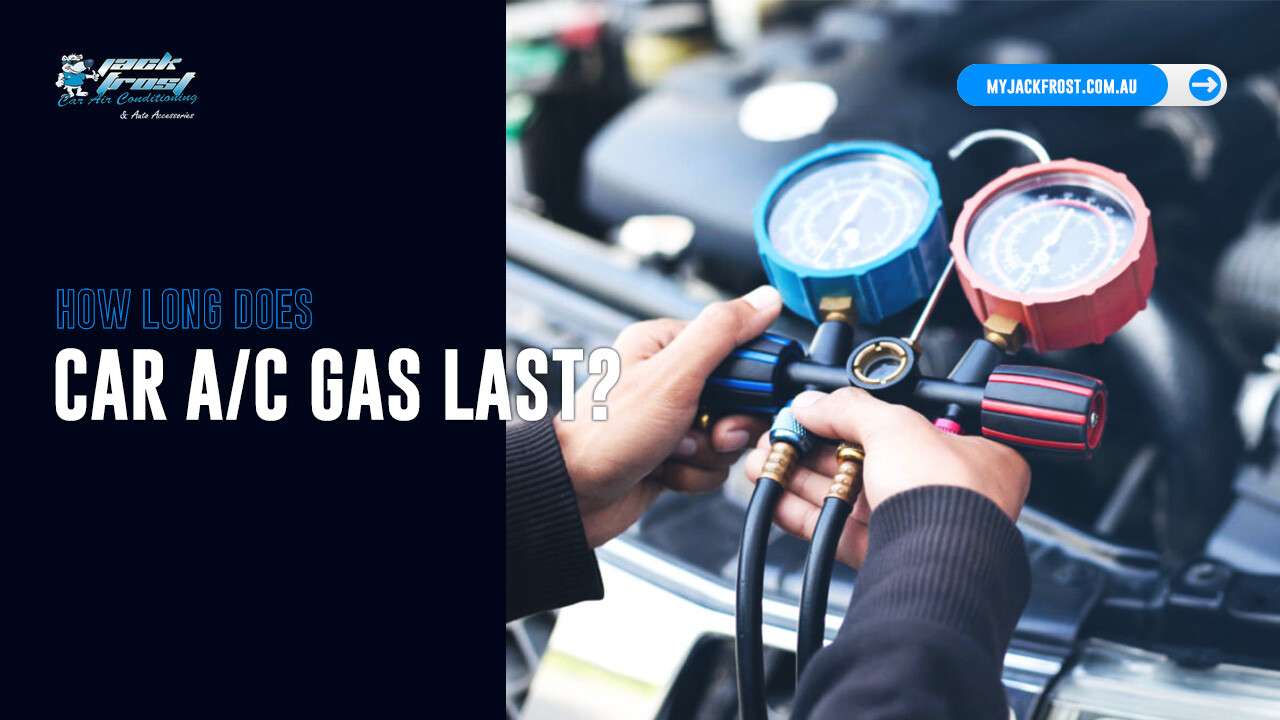
Image Source: myjackfrost.com.au
Car AC Lifespan: How Long Does Car Air Conditioning Last?
How long does car air conditioning last? A car’s AC system typically lasts between 8 to 15 years, but this can vary significantly based on maintenance, climate, and usage.
The comfort a working air conditioning system provides during hot weather is something many drivers take for granted. However, like any complex mechanical system, your car’s AC won’t last forever. Knowing the typical car AC lifespan and what influences it can help you maintain your system and avoid unexpected breakdowns. This comprehensive guide delves into the intricacies of automotive AC systems, their expected longevity, and how you can maximize their AC system longevity.
Deciphering Automotive AC System Lifespan
The automotive AC system lifespan is not a fixed number. Several elements contribute to how long your car’s AC will operate efficiently. Think of it as a marathon runner; some will finish strong for years, while others might falter sooner due to various training and environmental factors.
Here’s a breakdown of what contributes to the overall life of your car’s AC:
Factors Affecting Car AC Life
Several key elements play a crucial role in determining how long your car’s AC will serve you well.
- Climate: Living in a very hot climate where you use your AC almost year-round will naturally put more wear and tear on the system compared to someone in a cooler region. Frequent and prolonged use means more hours for the components to work, increasing the potential for wear.
- Maintenance Habits: This is arguably the most significant factor. Regular checks and servicing of your AC system are vital. Neglecting it is like ignoring a small leak in your house – it will likely lead to bigger, more expensive problems down the line.
- Quality of Components: The original manufacturer’s quality and any replacement parts used can impact longevity. Higher-quality components generally last longer.
- Driving Habits: Frequent short trips where the AC is turned on and off repeatedly can cause more stress on the system than longer drives where it operates continuously.
- Environmental Factors: Exposure to salt (from roads in winter), dirt, and debris can clog the condenser and other components, reducing efficiency and potentially causing damage.
Components of Your Car’s AC System
To grasp car AC lifespan, it’s helpful to know the main parts involved:
- Compressor: This is the heart of the AC system. It pressurizes the refrigerant, circulating it through the system. AC compressor life is a critical indicator of your AC’s overall health.
- Condenser: Located at the front of the car, usually in front of the radiator, it releases heat from the refrigerant into the outside air.
- Evaporator: Found inside the car’s cabin, it absorbs heat from the air, making the air inside cooler.
- Receiver/Drier or Accumulator: This component stores excess refrigerant and removes moisture from it.
- Expansion Valve or Orifice Tube: This regulates the flow of refrigerant into the evaporator.
- Refrigerant: The chemical that circulates through the system, absorbing and releasing heat.
The Role of AC Compressor Life
The AC compressor is a complex and often the most expensive part of the AC system to repair or replace. AC compressor life can range from 100,000 to 200,000 miles, or roughly 8 to 15 years, similar to the overall AC system. However, its lifespan is heavily influenced by:
- Proper Refrigerant Levels: Overcharging or undercharging the system can strain the compressor.
- System Cleanliness: Debris or moisture in the system can damage the compressor’s internal parts.
- Lubrication: The compressor requires specific oil to operate smoothly. If this oil is low or contaminated, it can lead to premature failure.
- Usage Patterns: Constant on-off cycling can be harder on the compressor than consistent use.
When a compressor fails, it often signifies a major issue with the entire AC system, potentially requiring a full flush and recharge.
Refrigerant Recharge Frequency: A Sign of System Health
One common question is about refrigerant recharge frequency. If your AC starts blowing warm air, it’s often due to a leak. How often you need a refrigerant recharge can be an indicator of the system’s overall health.
- Occasional Top-ups (Every Few Years): For a healthy system, you might only need a recharge if it’s been many years since it was last serviced, or if you notice a slight decrease in cooling performance.
- Frequent Recharges (Multiple Times a Year): This is a clear sign of a leak. Refrigerant doesn’t get “used up” like fuel; it circulates. If it’s escaping, there’s a leak somewhere in the system, and just adding more refrigerant is a temporary fix that can mask a bigger problem and potentially harm the system if done incorrectly.
A system that constantly needs refrigerant is a system that is failing. It’s crucial to have leaks diagnosed and repaired rather than relying on frequent recharges.
Typical AC System Failure Points
While the entire system can degrade over time, certain components are more prone to failure. Knowing these can help you anticipate issues and schedule preventative maintenance.
Common Failure Points:
- Compressor Failure: As mentioned, this is often due to lubrication issues, contamination, or wear and tear.
- Condenser Leaks/Blockages: Road debris can puncture the condenser fins, leading to refrigerant leaks. Corrosion can also degrade the metal. Blockages from dirt and leaves reduce its ability to dissipate heat.
- Evaporator Issues: Moisture and debris can clog the evaporator, reducing its cooling efficiency. In some cases, the evaporator itself can develop leaks.
- Hose and Seal Degradation: Over time, rubber hoses and seals can become brittle and crack, leading to refrigerant leaks.
- Electrical Component Failure: Switches, sensors, and blower motors can fail due to age or electrical surges.
A typical AC system failure might start subtly – reduced cooling on very hot days, a faint musty smell, or unusual noises. Addressing these early symptoms is key to preventing more catastrophic failures.
AC Repair Intervals: Staying Ahead of the Curve
Just as you have oil change intervals, your car’s AC system benefits from regular attention. Consistent AC repair intervals can prevent minor issues from escalating into major overhauls.
Recommended Service Schedule:
- Annual Check-up: It’s a good practice to have your AC system inspected annually, ideally before the hot season begins. This typically involves checking refrigerant levels, inspecting hoses and belts, and ensuring proper airflow.
- Every 2-3 Years: A more thorough service might be recommended every two to three years. This could include checking for leaks with specialized equipment, cleaning the condenser, and potentially flushing the system if contamination is suspected.
- When Symptoms Appear: Don’t wait for scheduled maintenance if you notice any of the following:
- Reduced cooling performance.
- Unusual noises (whining, rattling) when the AC is on.
- A musty or mildew-like odor from the vents.
- Moisture or leaks under the dashboard.
Following a proactive approach to AC repair intervals is far more cost-effective than waiting for a complete system breakdown.
Car AC Maintenance Schedule: Your Guide to Longevity
A well-defined car AC maintenance schedule is your best ally in extending car AC lifespan. Think of it as a preventative health plan for your car’s cooling system.
Essential Maintenance Tasks:
Visual Inspection (Monthly/As Needed):
- Check the condenser (at the front of the car) for debris like leaves, bugs, or dirt. Gently rinse it with a hose if it appears clogged.
- Listen for any unusual noises when the AC is running.
Performance Check (Every Spring/Before Summer):
- Turn on the AC and feel the air temperature coming from the vents. It should be significantly cooler than the outside air.
- Ensure the blower fan is operating at all speeds.
Professional Inspection and Service (Annually or Bi-Annually):
- Refrigerant Level Check: A technician will ensure the refrigerant is at the correct level. Low levels often indicate a leak.
- Leak Detection: If leaks are suspected, specialized equipment will be used to find them.
- System Pressure Check: Proper pressure is crucial for efficient operation.
- Condenser Cleaning: A professional cleaning can remove stubborn grime that might affect heat dissipation.
- Cabin Air Filter Replacement: While not directly part of the AC’s cooling function, a dirty cabin air filter restricts airflow, making the system work harder and reducing comfort. Replace this as per your car manufacturer’s recommendation (often every 10,000-15,000 miles or annually).
- Desiccant Bag Check (if applicable): In some systems, the desiccant bag in the receiver/drier absorbs moisture. It may need replacement if it becomes saturated.
How Often to Service Car AC
How often to service car AC depends on several factors, but a good general rule is to have a professional inspection at least once a year, or every 12,000-15,000 miles. This proactive approach is key to maintaining AC system longevity. If you live in a very hot climate or use your AC heavily, more frequent checks might be beneficial.
Maximizing Your Car AC Lifespan
Beyond scheduled maintenance, there are simple practices you can adopt to help your AC system last longer.
Tips for Extended AC Life:
- Run Your AC Regularly: Even in cooler months, run your AC for a few minutes every week or two. This keeps the system lubricated and the seals from drying out, which can prevent leaks.
- Use the Recirculate Setting Wisely: When the outside air is extremely hot and humid, using the “recirculate” setting cools the already cooled cabin air, making the system work less. However, prolonged use of recirculate without fresh air can lead to stale air and moisture buildup. Periodically switch to fresh air.
- Avoid Idling for Long Periods with AC On: If you’re stationary for an extended time in very hot weather, consider turning the AC off for a while, especially if your car isn’t moving. This reduces continuous strain on the compressor.
- Park in the Shade: Reducing the initial heat load on your car’s interior means the AC won’t have to work as hard to cool it down.
- Address Smells Promptly: A musty smell often indicates mold or mildew in the evaporator or ductwork. This can degrade components over time and is unpleasant. Cleaning the system can help.
- Don’t Ignore Strange Noises: Any new sounds from your AC system should be investigated by a mechanic. Grinding, rattling, or whining noises often signal impending component failure.
The Cost of Neglect vs. Maintenance
The cost of regular AC maintenance is significantly lower than the cost of replacing major AC components like the compressor.
| Maintenance Task | Estimated Cost (Varies by Region) | Benefit |
|---|---|---|
| Annual AC Inspection | $75 – $150 | Early detection of issues, ensures optimal performance. |
| Refrigerant Recharge (if needed) | $100 – $250 | Restores cooling, but if frequent, indicates a leak needing repair. |
| Condenser Cleaning | $50 – $100 | Improves heat dissipation, reduces strain on the system. |
| Cabin Air Filter Replacement | $30 – $70 | Improves airflow, reduces load on the blower motor. |
| Minor Leak Repair (e.g., O-ring) | $100 – $300 | Prevents refrigerant loss, avoids costly recharges and component damage. |
| Major Component Replacement (e.g., Compressor) | $1,000 – $3,000+ | Fixes a critical failure, but is expensive and often preventable. |
As you can see, the cost of preventing a major failure through regular maintenance is a fraction of the cost of fixing it.
When to Consider AC Replacement
Sometimes, despite best efforts, your AC system may reach the end of its usable life, or the cost of repairs may become prohibitive.
Signs It’s Time for Replacement:
- Repeated Major Repairs: If you’ve had multiple expensive repairs (like compressor replacement, evaporator leak repair) in a short period, it might be more economical to replace the entire system.
- Extensive Corrosion: If the condenser, evaporator, or lines show significant corrosion, the entire system may be compromised.
- System Obsoleteness: Older vehicles might use refrigerants that are no longer environmentally friendly or readily available. Replacing the system with one that uses modern refrigerants can be a viable option.
- High Mileage & Age: If your car has very high mileage and is also quite old, the overall wear and tear on all components, including the AC, might mean it’s time to consider the car’s overall value versus the cost of AC repair.
FAQ: Common Car AC Questions
Here are answers to some frequently asked questions about car AC systems:
Q1: How do I know if my car AC needs servicing?
A: Signs include blowing warm air, reduced cooling power, strange noises (whining, clicking), musty smells from vents, or visible leaks under the car.
Q2: Can I just add refrigerant myself?
A: While DIY recharge kits are available, it’s often not recommended unless you’re experienced. Overcharging can damage the compressor, and improper handling of refrigerants can be harmful. It’s best to have a professional check for leaks first.
Q3: Why does my AC blow cold at first, then warm up?
A: This can indicate a refrigerant leak, a failing compressor clutch, or an issue with the expansion valve or orifice tube. The system might be losing pressure or not operating efficiently as it heats up.
Q4: Is it bad to run my AC all the time?
A: Running your AC constantly will increase fuel consumption, but it’s generally not detrimental to the system itself if it’s well-maintained. In fact, regular use helps keep it lubricated.
Q5: What is the most common reason for AC failure?
A: The most common culprit is a refrigerant leak, often caused by worn-out seals, hoses, or damage to the condenser or evaporator. Lack of proper lubrication due to low refrigerant levels can also quickly lead to compressor failure.
In conclusion, the car AC lifespan is a dynamic figure, heavily influenced by how well you care for the system. By adhering to a proactive car AC maintenance schedule, understanding the factors affecting AC system longevity, and being aware of common failure points, you can significantly extend the life of your automotive AC system and ensure comfortable drives for years to come. Regular checks, timely AC repair intervals, and attentive driving habits are your keys to a cool and reliable car AC.

My name is Carlos Gadd, and I am the creator of AirPurityGuide.com.. With a passion for footwear, I share my experiences, insights, and expertise about shoes. Through my blog, I aim to guide readers in making informed decisions, finding the perfect pair, and enhancing their footwear knowledge. Join me on this journey to explore everything about shoes!