
The ideal AC run time for your air conditioner is generally between 10 to 15 minutes per cycle, though this can vary. Your AC should ideally run in cycles, turning on when the temperature rises above your set point and turning off once it reaches the desired coolness. Continuous AC operation is usually a sign of a problem or inefficient settings.
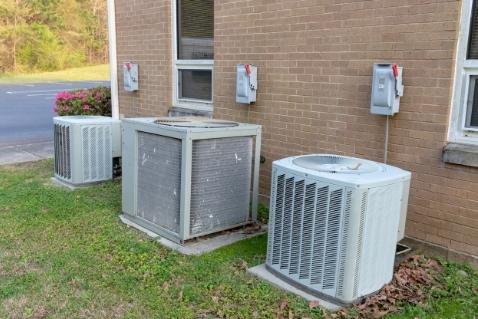
Image Source: www.huskyair.com
Optimizing Your Air Conditioner’s Performance
Keeping your home cool and comfortable during hot weather is a top priority. Your air conditioner plays a crucial role in this. But how long should your air conditioner run? This question often leads to confusion, impacting everything from comfort to energy bills. Let’s dive into what influences AC run time, how it affects your system, and how you can achieve optimal AC usage.
The Importance of AC Cycle Length
Your air conditioner doesn’t just run constantly when the thermostat is set to cool. It operates in cycles. These cycles involve the unit turning on, cooling the air, and then turning off when the set temperature is reached. This process is known as air conditioner cycling.
- Short Cycling: This happens when your AC turns on and off very frequently, usually within a few minutes. It’s like a car engine constantly starting and stopping. Short cycling is inefficient and puts a strain on your system.
- Longer Cycles: Ideally, your AC should have longer run times followed by longer off periods. This allows the system to cool your home effectively and dehumidify the air properly.
Factors Influencing AC Run Time
Several factors determine how long your air conditioner needs to run to maintain your desired temperature.
1. Thermostat Settings
Your thermostat settings are the most direct influence on your AC’s run time.
- Set Point: A lower set point (e.g., 68°F) will require your AC to run longer and more frequently than a higher set point (e.g., 74°F).
- Programmable Thermostats: These allow you to set different temperatures for different times of the day, helping to manage HVAC runtime and improve energy efficiency. For example, you can set a warmer temperature when you’re not home and a cooler one before you return.
2. Outdoor Temperature
The hotter it is outside, the harder your AC has to work to cool your home.
- Extreme Heat: On very hot days, your AC might run for longer periods, closer to 15-20 minutes per cycle, or even require longer AC cooling duration to keep up.
- Moderate Heat: On milder days, shorter cycles of 10-15 minutes should be sufficient.
3. Insulation and Air Sealing
How well your home retains cool air significantly impacts how long your AC needs to run.
- Good Insulation: A well-insulated home keeps cool air in and warm air out, meaning your AC won’t have to work as hard or run as long.
- Air Leaks: Gaps around windows, doors, and ductwork allow cooled air to escape and warm air to enter, forcing your AC to run more often to compensate.
4. Sunlight Exposure
Direct sunlight can heat up your home quickly.
- South-Facing Windows: Homes with many windows facing south or west will experience more heat gain, potentially leading to longer AC run times. Using blinds or curtains can help reduce this.
5. Home Size and AC Unit Capacity
The size of your home and the capacity of your AC unit are critical.
- Undersized Unit: If your AC is too small for your home, it will struggle to cool the space and may end up running almost constantly, leading to short cycling and poor energy efficiency.
- Oversized Unit: An AC unit that is too large can cool your home too quickly, causing it to cycle off before it has had a chance to properly dehumidify the air. This results in a cold, clammy feeling and also leads to inefficient operation.
6. Home Occupancy and Heat-Generating Appliances
The more people and appliances in your home, the more heat is generated.
- Occupancy: More people in a room mean more body heat.
- Appliances: Ovens, computers, and even lights produce heat. Running these appliances, especially during the hottest parts of the day, can increase your AC’s workload and AC cooling duration.
7. Ductwork Condition
The condition of your ductwork plays a significant role in the efficiency of your cooling system.
- Leaky Ducts: Leaky ducts can lose a substantial amount of cooled air before it reaches your rooms. This means your AC has to run longer to compensate for the lost cool air.
- Poorly Insulated Ducts: Ducts running through unconditioned spaces like attics or crawl spaces can absorb heat, making your AC work harder.
The Difference Between Intermittent AC Cooling and Continuous AC Operation
It’s important to distinguish between desirable intermittent AC cooling and problematic continuous AC operation.
- Intermittent AC Cooling: This is the healthy cycle of your AC turning on, running for a period, and then turning off. This is the most energy-efficient way for your AC to operate. A typical cycle length might be 10-15 minutes for smaller units, or 15-20 minutes for larger units in moderate heat.
- Continuous AC Operation: If your AC runs non-stop for hours, especially if it’s not even reaching your set temperature, it’s usually a sign of an issue. This could be:
- An undersized AC unit.
- Extremely high outdoor temperatures.
- Poor insulation or air leaks.
- A dirty air filter or clogged condenser coils.
- A refrigerant leak.
How Long Should AC Run Per Cycle?
The ideal AC cycle length is typically between 10 to 15 minutes for a well-functioning system in moderate conditions. In more extreme heat, or if you have a larger home or unit, cycles of 15 to 20 minutes can be normal.
- Too Short (Short Cycling): If your AC runs for only 2-5 minutes at a time before shutting off, it’s short cycling. This is bad for energy efficiency and the lifespan of your unit. It also doesn’t allow for proper dehumidification.
- Too Long (Constant Running): If your AC runs for 30 minutes or more continuously and still isn’t cooling, there’s likely a problem.
What is Optimal AC Usage?
Optimal AC usage is about striking a balance between comfort and energy efficiency. It means using your AC in a way that keeps your home cool without wasting energy or overworking the system.
- Set it and Forget It (Within Reason): Avoid constantly changing your thermostat settings. Find a comfortable temperature and let the thermostat do its job.
- Use a Programmable or Smart Thermostat: These devices can automatically adjust temperatures based on your schedule, saving energy when you’re away or asleep.
- Regular Maintenance: Keep your AC system in good shape. This includes changing air filters regularly and scheduling annual professional tune-ups.
- Improve Home Insulation and Sealing: Address any air leaks and ensure your home is well-insulated. This is one of the most effective ways to reduce HVAC runtime.
The Impact of AC Run Time on Energy Efficiency
Your air conditioner is a significant energy consumer in your home. The length of your AC’s run time directly affects your electricity bill.
- Longer Run Times = Higher Bills: The longer your AC runs, the more electricity it uses.
- Short Cycling = Inefficient Use: While short cycles might seem like they save energy, they actually waste it. The compressor uses the most energy when it starts up. Frequent starts and stops mean more peak energy usage, leading to higher bills and reduced energy efficiency.
- Proper Cycling = Peak Efficiency: Longer, more consistent cycles are generally more energy-efficient. This is because the system runs for a longer period, but the compressor doesn’t have to cycle on as frequently. This also allows the system to effectively dehumidify the air, which contributes to comfort and perceived coolness.
Understanding AC Cooling Duration and Dehumidification
When your air conditioner runs, it doesn’t just cool the air; it also removes moisture. This dehumidification process is crucial for comfort.
- Effective Dehumidification: Longer AC cycles allow the system to run long enough to pass a significant amount of air over the cold evaporator coils. This process condenses moisture from the air, which is then drained away.
- Short Cycling and Humidity: Short cycles don’t provide enough time for effective dehumidification. This can leave your home feeling cool but still damp and clammy, leading you to set the thermostat even lower, which paradoxically uses more energy and doesn’t improve comfort.
When to Worry About Your AC’s Run Time
Certain patterns in your AC’s operation should signal a need for attention.
1. Short Cycling (Frequent On-Off)
- Symptoms: The AC turns on for a few minutes, blows cool air, and then shuts off, only to turn on again a short time later. The house may not feel consistently cool, and you might hear the compressor kicking on and off frequently.
- Possible Causes:
- Dirty air filter.
- Blocked airflow (e.g., closed vents, furniture blocking vents).
- Low refrigerant levels.
- Frozen evaporator coils.
- An oversized AC unit for the space.
- Thermostat issues.
2. Continuous Running (Never Shutting Off)
- Symptoms: The AC runs for very long periods, 30 minutes or more, without shutting off, and the house still feels too warm.
- Possible Causes:
- Extremely hot outdoor temperatures.
- Undersized AC unit.
- Poor insulation or air leaks in the home.
- Dirty condenser coils (outdoor unit).
- Dirty evaporator coils (indoor unit).
- Refrigerant leak.
- Faulty thermostat or sensor.
- Blocked airflow.
Signs of a Problem with AC Run Time
- Short Cycling: Your AC turns on and off too frequently.
- Constant Running: Your AC never seems to shut off, even when the house is cool.
- Ineffective Cooling: The house doesn’t reach the set temperature.
- High Energy Bills: Your electricity bill spikes unexpectedly.
- Unusual Noises: Grinding, squealing, or banging sounds from the unit.
- Ice Buildup: Ice forming on the refrigerant lines or coils.
Troubleshooting Common AC Run Time Issues
Before calling a professional, there are a few things you can check yourself.
Check the Air Filter
A dirty air filter is one of the most common culprits for AC problems.
- How it affects run time: A clogged filter restricts airflow. This makes your AC work harder and longer to draw air through, leading to longer run times and potential overheating or freezing of the coils.
- Action: Inspect your air filter monthly and replace it if it’s dirty. Many filters need replacement every 1-3 months, depending on the type and household conditions (pets, allergies).
Ensure Proper Airflow
Blocked vents or returns can severely impact your AC’s performance.
- How it affects run time: If air cannot circulate freely, the system can’t cool the space efficiently. This leads to the AC running longer to compensate for the lack of air movement.
- Action:
- Make sure furniture, curtains, or rugs aren’t blocking air vents or return grilles.
- Keep all vents open and unobstructed.
- Ensure the outdoor unit (condenser) is clear of debris, leaves, and vegetation.
Inspect the Thermostat
A malfunctioning thermostat can send incorrect signals to your AC.
- How it affects run time: If the thermostat’s sensor is faulty, it might inaccurately read the room temperature, causing the AC to run too much or too little.
- Action:
- Check that the batteries are fresh.
- Ensure the thermostat is set to “Cool” mode and the fan is set to “Auto.”
- If you suspect a fault, consult your thermostat’s manual or consider replacement.
Examine the Outdoor Unit (Condenser)
The outdoor unit dissipates heat. If it’s not functioning properly, your AC will struggle.
- How it affects run time: If the condenser coils are dirty or blocked, the unit cannot release heat efficiently. This forces the compressor to work harder and longer, leading to longer HVAC runtime and reduced energy efficiency.
- Action:
- Turn off the power to the unit at the breaker box.
- Carefully clean the fins of the condenser unit with a hose and a soft brush. Remove any debris.
- Ensure there is at least 2 feet of clearance around the unit.
When to Call a Professional HVAC Technician
If you’ve checked the basics and your AC is still experiencing unusual run times, it’s time to call in the experts.
- Refrigerant Issues: Low refrigerant levels or leaks are a common cause of AC problems, including continuous running and poor cooling. This requires specialized tools and knowledge to fix.
- Electrical Problems: Faulty capacitors, contactors, or wiring can cause your AC to cycle improperly or stop working altogether.
- Mechanical Failure: Issues with the compressor, fan motor, or other mechanical parts often require professional repair or replacement.
- Frozen Coils: If your evaporator coil has frozen over, it severely restricts airflow and cooling. This often indicates an airflow problem or low refrigerant.
- Ductwork Issues: Leaks or damage in your ductwork need professional assessment and repair.
Maintaining Optimal AC Usage for Longevity and Efficiency
Consistent maintenance is key to ensuring your air conditioner operates efficiently and lasts for its intended lifespan.
Regular Filter Changes
- Frequency: Check monthly, replace every 1-3 months.
- Benefit: Improves airflow, reduces strain on the motor, enhances indoor air quality, and contributes to better energy efficiency.
Annual Professional Tune-Ups
- Frequency: Once a year, ideally before the cooling season begins.
- What’s involved: Cleaning coils, checking refrigerant levels, inspecting electrical components, lubricating moving parts, testing thermostat calibration.
- Benefit: Catches potential problems early, ensures optimal performance, extends the unit’s life, and maintains energy efficiency.
Keeping the Outdoor Unit Clear
- Action: Regularly clear away leaves, grass clippings, and other debris from the outdoor condenser unit. Ensure there’s adequate clearance for airflow.
- Benefit: Allows the unit to dissipate heat effectively, preventing it from overheating and running inefficiently.
Sealing Air Leaks and Improving Insulation
- Action: Caulk around windows and doors, seal gaps in the attic and walls, and ensure your attic is properly insulated.
- Benefit: Reduces the amount of cool air that escapes and warm air that enters, significantly decreasing the demand on your AC and reducing HVAC runtime.
Frequently Asked Questions (FAQs)
Here are some common questions about AC run times:
Q1: Is it bad if my AC runs all day?
A: Yes, if your AC runs constantly for many hours without shutting off, it’s usually a sign of a problem, such as an undersized unit, poor insulation, a dirty filter, or a refrigerant leak. It’s inefficient and can shorten the life of your system.
Q2: How often should my air conditioner cycle?
A: Ideally, your air conditioner should cycle on and off. A typical cycle length for most residential AC units is about 10 to 15 minutes, followed by a period of being off. Cycles longer than 20 minutes, or very short cycles of less than 10 minutes, can indicate issues.
Q3: What does it mean if my AC short cycles?
A: Short cycling means your air conditioner is turning on and off too frequently, usually within a few minutes. This is inefficient, puts stress on the system, and prevents proper dehumidification. Common causes include dirty filters, blocked airflow, or an oversized AC unit.
Q4: Can I leave my AC on all the time?
A: While you can leave your AC set to cool all the time, it’s more energy-efficient to use a programmable thermostat to adjust temperatures when you’re not home or sleeping. Continuous AC operation without proper cycling is generally not recommended.
Q5: How long does an AC typically run in extreme heat?
A: In extreme heat, your AC may need to run for longer cycles, potentially 15-20 minutes, or even run for longer periods without shutting off if temperatures are exceptionally high and the system is properly sized and maintained. However, if it’s running constantly and still not cooling, there’s likely a problem.
Q6: What is the most energy-efficient way to use my AC?
A: The most energy-efficient way is to maintain consistent, moderate thermostat settings, use a programmable thermostat to adjust temperatures based on occupancy, ensure proper airflow, keep your system maintained (clean filters, regular tune-ups), and improve your home’s insulation and air sealing. This leads to optimal AC usage.
By paying attention to your air conditioner’s run times and understanding the factors that influence them, you can ensure your system operates efficiently, keeps you comfortable, and saves you money on energy costs. Regular maintenance and addressing issues promptly are key to achieving this.

My name is Carlos Gadd, and I am the creator of AirPurityGuide.com.. With a passion for footwear, I share my experiences, insights, and expertise about shoes. Through my blog, I aim to guide readers in making informed decisions, finding the perfect pair, and enhancing their footwear knowledge. Join me on this journey to explore everything about shoes!