
If your air conditioner isn’t keeping your home cool, it might be broken. A broken AC unit often shows several clear signs that something is wrong. Knowing these signs can help you address the problem quickly and avoid further damage or discomfort.
Your air conditioner is a complex system designed to keep your home comfortable during hot weather. When it stops working correctly, it can be a major inconvenience. Fortunately, there are many common signs of AC breakdown that homeowners can spot. From unusual noises to a complete lack of cooling, recognizing these indicators is the first step to a swift resolution. This guide will walk you through the most common problems and what you can do about them.
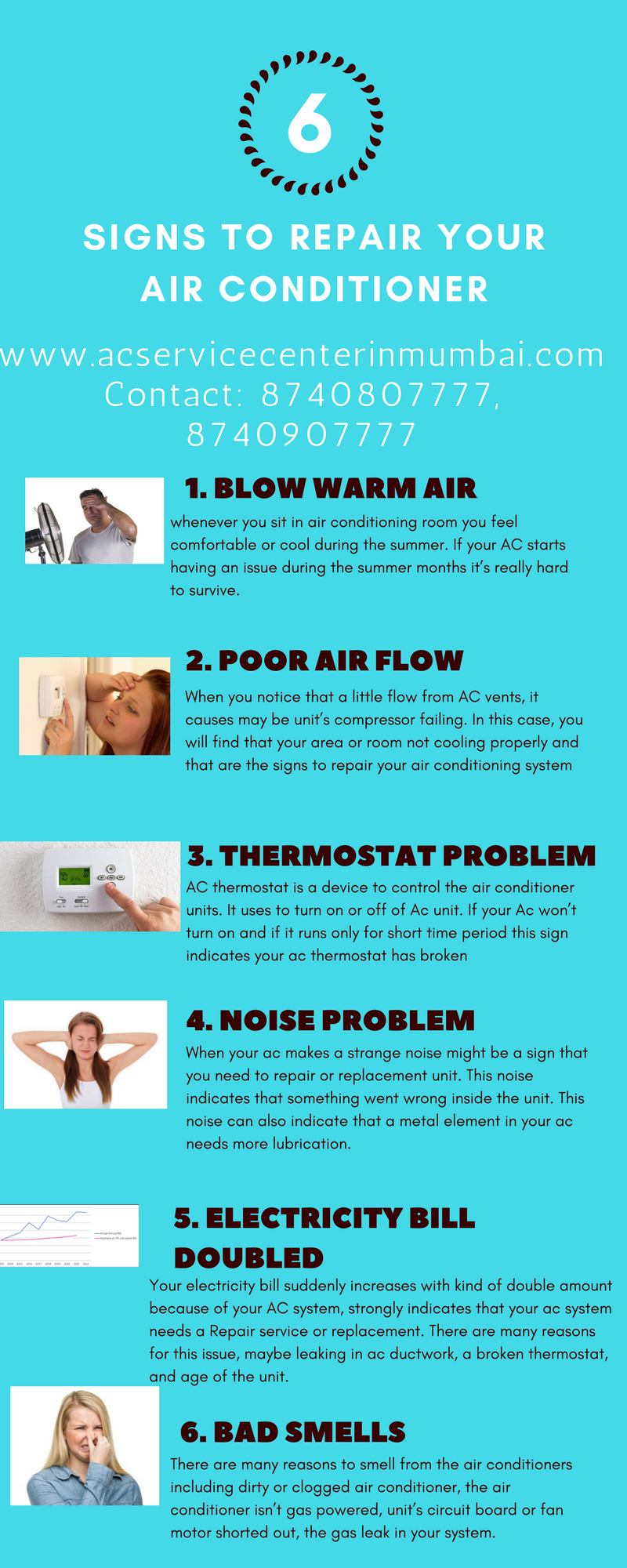
Image Source: miro.medium.com
Recognizing the Symptoms: Your AC’s Warning Signals
Your air conditioner will often give you clues when it’s not working properly. Paying attention to these signals can save you time, money, and a lot of discomfort. Let’s dive into the most common indicators that your AC might be broken.
AC Not Cooling: The Most Obvious Sign
The most fundamental job of an air conditioner is to cool your home. If you turn it on and the air coming out isn’t cold, or if the temperature in your house continues to rise despite the AC running, this is a clear indication that something is wrong.
- Feeling Warm Air: The most direct evidence is AC blowing warm air from the vents instead of cool, refreshing air. This can happen even if the fan is running and you can hear the unit working.
- Inconsistent Cooling: Your AC might seem to be cooling, but it struggles to reach the desired temperature, or certain rooms remain warmer than others. This could point to a refrigerant leak or an issue with the thermostat.
- Reduced Airflow: If the air coming from your vents is weak, even if it’s cool, it could signify a blocked filter, a problem with the fan motor, or ductwork issues.
AC Making Strange Noises: Listen Carefully
Your AC unit should run relatively quietly. Unusual sounds are often a sign that a component is malfunctioning or has become loose. Different noises can point to different problems.
- Banging or Clanging: This could mean a loose part in the fan motor or a bent fan blade. It might also indicate that the compressor is having trouble starting or is damaged.
- Grinding or Scraping: This often suggests a problem with the fan motor bearings. If you hear grinding, it’s best to turn the unit off immediately to prevent further damage.
- Hissing: A hissing sound, especially if it’s coming from the outdoor unit, could indicate a refrigerant leak. This is a serious issue that requires professional attention.
- Screeching or Shrieking: This high-pitched noise can sometimes signal a problem with the compressor or a loose belt in the fan assembly.
- Clicking: While some clicking is normal when the AC starts up, persistent or loud clicking could mean an electrical problem or a failing capacitor.
AC Leaking Water: More Than Just Condensation
It’s normal for your AC to produce condensation, which is typically drained away. However, if you notice significant water pooling around your indoor or outdoor unit, it’s a sign of a problem.
- Indoor Unit Leaks: Water leaking from the indoor unit (air handler) usually means the condensate drain line is clogged. This line removes moisture from the air. When it’s blocked, water can back up and overflow.
- Outdoor Unit Leaks: Water leaking from the outdoor unit could be due to a variety of issues, including a frozen evaporator coil (which then melts), a clogged drain pan, or a damaged refrigerant line.
- Ice Buildup: If you see ice forming on the refrigerant lines or the indoor coil, this is a strong indicator of an airflow problem, low refrigerant levels, or a dirty filter. This ice can block airflow and lead to water damage as it melts.
AC Not Turning On: A Complete Silence
The most frustrating problem is when your AC unit simply refuses to start. This can stem from a range of issues, from simple power problems to more complex internal failures.
- No Power: Check your circuit breaker first. Has it tripped? If so, reset it. If it trips again immediately, there’s likely an electrical short and you’ll need an electrician.
- Thermostat Issues: Ensure your thermostat is set to “Cool” and the temperature setting is lower than the current room temperature. Check the batteries if it’s a battery-powered thermostat. A faulty thermostat can also prevent the system from turning on.
- Tripped Float Switch: Many AC systems have a safety float switch in the drain pan that shuts off the unit if it detects excess water, preventing water damage. A clogged drain line can trigger this switch.
- Internal Component Failure: If the power is on, the thermostat is working, and there are no obvious blockages, the problem could be with internal components like the capacitor, contactor, or the AC compressor not working.
AC Cycling On and Off Rapidly: Short-Cycling
An air conditioner should run in cycles, turning on when the temperature rises and off when it reaches the set point. However, if your AC is constantly switching on and off in very short intervals (less than 10 minutes), this is called short-cycling.
- Overheating Compressor: This is a common cause of short-cycling. The compressor might be overheating due to low refrigerant, a dirty condenser coil, or a malfunctioning fan.
- Refrigerant Issues: Both low and high refrigerant levels can cause the system to cycle improperly. Low refrigerant can lead to freezing, while overcharging can stress the system.
- Undersized Unit: If your AC unit is too small for the space it’s trying to cool, it may struggle to maintain the temperature and will cycle on and off more frequently.
- Dirty Air Filter: A severely clogged air filter restricts airflow, which can cause the system to overheat and short-cycle.
AC Smells Bad: Unpleasant Odors
The air coming from your vents should smell fresh. If you notice unpleasant odors, it’s a sign that something is amiss within the system.
- Musty or Moldy Smell: This is often due to mold or mildew growing in the ductwork or on the evaporator coil, especially if there’s excess moisture.
- Rotten Egg Smell: A sulfurous or rotten egg smell can indicate a problem with electrical components overheating, potentially a failing motor or wiring. This is a serious safety concern.
- Burning Smell: This is another critical warning sign. It usually points to an electrical issue, such as a short circuit or a motor that is about to burn out. Turn off the unit immediately.
- Exhaust Fumes: If you smell something like exhaust fumes, it could indicate a problem with the combustion process if you have a gas furnace combined with your AC, or it could be electrical.
AC Not Dehumidifying: The Air Feels Sticky
Air conditioners not only cool the air but also remove humidity, making your home feel more comfortable. If your home feels clammy or sticky even when the temperature is cool, your AC might not be AC not dehumidifying effectively.
- Low Refrigerant: Insufficient refrigerant can cause the evaporator coil to not get cold enough to effectively condense moisture from the air.
- Incorrect Airflow: If the air is moving too quickly over the evaporator coil, it doesn’t have enough time to cool down and remove humidity. This can be caused by fan issues or obstructions.
- Running Cycles Too Short: As mentioned with short-cycling, if the AC runs for very brief periods, it won’t have enough time to adequately dehumidify the air.
- Dirty Evaporator Coil: A dirty coil acts as an insulator, reducing its ability to cool the air and condense moisture.
AC Compressor Not Working: The Heart of the System
The AC compressor is the vital component in your outdoor unit that circulates refrigerant. If the AC compressor not working, your AC won’t be able to cool your home at all.
- Signs of Compressor Failure: Symptoms often include the outdoor fan running but no cool air coming from the vents, humming or buzzing sounds from the outdoor unit without the compressor engaging, or the unit tripping the circuit breaker.
- Reasons for Failure: Compressors can fail due to electrical issues (bad capacitor, contactor), lack of lubrication, overheating, or damage from debris.
Diagnosing the Cause: Common AC Problems
Once you’ve identified the symptoms, it’s helpful to have a basic idea of what might be causing them. This knowledge can help you communicate effectively with an HVAC technician or even tackle some simple DIY fixes.
Dirty Air Filter: The Easiest Fix
A dirty air filter is one of the most common culprits behind a struggling AC. When the filter is clogged with dust and debris, it restricts airflow.
- Impact: Reduced airflow can lead to the evaporator coil freezing, the system overheating, and the AC not cooling effectively. It also puts extra strain on the fan motor.
- Solution: Check your air filter monthly and replace it every 1-3 months, or more often if you have pets or allergies.
Clogged Condensate Drain Line: Water Woes
The condensate drain line removes moisture from the air. When it gets clogged with algae, sludge, or debris, water can back up.
- Impact: This can cause water leaks around the indoor unit and can trip a safety float switch, shutting down the entire system.
- Solution: You can try to clear the line yourself using a wet/dry vacuum or a stiff wire. Many homeowners opt for professional cleaning to ensure it’s done correctly.
Refrigerant Leaks: The Coolant is Leaking
Refrigerant is the lifeblood of your AC system. If there’s a leak, the system won’t be able to absorb heat effectively.
- Impact: Leads to AC not cooling, AC blowing warm air, and can cause the compressor to overheat and fail if the low refrigerant levels persist. You might also notice ice buildup on the coils.
- Solution: Refrigerant leaks require professional repair. An HVAC technician will locate the leak, repair the damage, and recharge the system with the correct amount of refrigerant.
Dirty Outdoor Condenser Coils: Overheating Outdoors
The outdoor unit’s condenser coils release heat from your home into the outside air. If they are covered in dirt, grass clippings, or other debris, they can’t dissipate heat efficiently.
- Impact: This causes the system to work harder, overheat, and reduce cooling capacity. It can also lead to the AC compressor not working properly due to overheating.
- Solution: Carefully turn off the power to the outdoor unit and spray the coils with a garden hose from the inside out. Avoid high pressure, as it can bend the fins. You can also use a special coil cleaner.
Faulty Capacitor: The Spark of Life
Capacitors are electrical components that provide a boost of energy to start the compressor and fan motors.
- Impact: A blown capacitor can prevent the compressor or fan from starting, leading to the AC not turning on or the system short-cycling. You might hear a humming sound without the unit starting.
- Solution: Replacing a capacitor is a relatively simple DIY fix for those comfortable with electrical work, but it’s often best left to a professional due to the risk of electric shock.
Thermostat Issues: The Brains of the Operation
Your thermostat controls when your AC turns on and off. If it’s not calibrated correctly or is malfunctioning, it can cause various problems.
- Impact: Inaccurate temperature readings, the AC not turning on, or the system cycling improperly.
- Solution: Ensure the thermostat is set correctly. Try replacing the batteries. If it’s an older model, it might need recalibration or replacement. Smart thermostats can also be reset or checked for software issues.
Frozen Evaporator Coil: A Chilling Problem
If your AC’s evaporator coil freezes over, it severely restricts airflow and cooling.
- Impact: You’ll experience AC not cooling, reduced airflow, and eventually water leaks as the ice melts.
- Causes: This is usually caused by poor airflow due to a dirty air filter, a malfunctioning blower motor, or low refrigerant levels.
- Solution: Turn the AC off but leave the fan running to help the ice melt. Once thawed, check and replace the air filter. If the problem persists, it likely indicates a deeper issue like low refrigerant.
Troubleshooting and Solutions: What You Can Do
While some AC problems require a professional, there are several things you can do yourself to troubleshoot and potentially fix common issues.
H3: Basic Checks and Maintenance
Regular maintenance is key to preventing most AC problems. Simple checks can save you from costly repairs.
H4: Checking and Replacing the Air Filter
This is the most important and easiest maintenance task.
- Locate the filter: It’s usually in the return air duct, near the indoor unit.
- Remove the old filter: Note the size and airflow direction arrow.
- Install the new filter: Ensure the arrow points in the direction of airflow (towards the unit).
- Frequency: Check monthly, replace every 1-3 months.
H4: Clearing the Condensate Drain Line
A clogged drain line can cause water damage and system shutdowns.
- Locate the drain line: It’s a PVC pipe coming from the indoor unit, usually leading outside or to a drain.
- Use a wet/dry vacuum: Seal the vacuum hose around the end of the drain line and turn it on to suck out any blockage.
- Flush with vinegar (optional): Pour about a cup of white vinegar into the drain line opening to kill mold and algae, then flush with water.
- Professional cleaning: If you can’t access the line or the vacuum doesn’t work, call a technician.
H4: Cleaning the Outdoor Condenser Unit
Keeping the outdoor unit clean allows it to dissipate heat effectively.
- Turn off power: Crucially, shut off the power to the outdoor unit at the breaker box and at the disconnect switch near the unit.
- Remove debris: Gently clear away any leaves, grass, or dirt from around the unit.
- Rinse the coils: Use a garden hose with a gentle spray to wash dirt from the outside of the coils. Spray from the inside if possible for better results.
- Straighten fins: If the fins are bent, you can gently straighten them with a fin comb.
H3: When to Call a Professional HVAC Technician
Some AC problems are complex and require specialized tools and expertise. If you’re unsure or uncomfortable with a repair, it’s always best to call a professional.
H4: Electrical Issues
Problems like a faulty capacitor, contactor, or wiring issues are best handled by an HVAC technician.
- Signs: AC not turning on, humming noises, or tripping breakers.
- Why professional: Electrical work can be dangerous. Technicians have the right tools and knowledge to diagnose and fix these issues safely.
H4: Refrigerant Leaks and Charging
Refrigerant is a hazardous substance and requires proper handling.
- Signs: AC not cooling, AC blowing warm air, hissing sounds.
- Why professional: Technicians can detect leaks using specialized equipment, repair the breach, and refill the system with the precise amount of refrigerant. It’s illegal to handle refrigerants without proper certification.
H4: Compressor Problems
The compressor is the most expensive part of your AC system.
- Signs: Loud noises (banging, grinding), AC compressor not working, unit not cooling.
- Why professional: Diagnosing compressor issues often requires testing electrical components and refrigerant pressures. Replacement is a major job.
H4: Complex Airflow Problems
Issues with the blower motor or ductwork often need professional attention.
- Signs: Weak airflow, AC not cooling, unusual noises from the indoor unit.
- Why professional: Technicians can test motor performance, check for duct leaks or blockages, and ensure proper airflow for efficient operation.
H4: Recurring Problems
If you’ve tried basic troubleshooting and the problem keeps coming back, a technician can identify the root cause.
- Signs: Repeated short-cycling, frequent system shutdowns, or persistent cooling issues.
- Why professional: A professional can perform a comprehensive diagnostic to find underlying issues that simple fixes won’t address.
Frequently Asked Questions (FAQ)
Q1: How often should I service my air conditioner?
It’s generally recommended to have your air conditioner professionally serviced at least once a year, preferably in the spring before the cooling season begins. This allows technicians to catch minor issues before they become major problems and ensures the unit is running efficiently.
Q2: Can I refill my own AC refrigerant?
No, you cannot and should not refill your own AC refrigerant. Refrigerants are regulated substances, and handling them requires specific EPA certification. It’s also dangerous, and overcharging or undercharging the system can cause severe damage. If you suspect a refrigerant leak, call a certified HVAC technician.
Q3: My AC is blowing air, but it’s not cold. What’s the most likely cause?
The most common reasons for AC blowing warm air when the fan is working are:
- Low refrigerant levels (due to a leak).
- A dirty air filter or clogged evaporator coil restricting airflow.
- A malfunctioning compressor.
- A thermostat set incorrectly.
Q4: Is it okay if my AC is making a little noise?
Some operational noise is normal, such as the fan running or the compressor starting up. However, any new or unusual noises like banging, grinding, hissing, or screeching should be investigated. These signs of AC breakdown often indicate a problem that needs professional attention.
Q5: Why is my AC freezing up?
An AC unit freezing up is almost always a sign of restricted airflow or low refrigerant.
- Restricted airflow: Caused by a very dirty air filter, a blocked return vent, or a dirty evaporator coil.
- Low refrigerant: Indicates a leak in the system.
You should turn the AC off but leave the fan running to allow the ice to melt. Once it’s thawed, change the filter and check for any obvious airflow obstructions. If it freezes again, call a professional.
Q6: My AC isn’t cooling as well as it used to. What could be wrong?
Several issues can lead to reduced cooling performance. These include:
- A dirty air filter.
- Dirty condenser coils on the outdoor unit.
- Low refrigerant levels.
- A refrigerant leak.
- An undersized AC unit for the home.
- Ductwork leaks.
Regular maintenance can help prevent a gradual decline in performance.
By paying attention to these common signs and understanding the potential causes, you can be proactive about your home’s comfort and the longevity of your air conditioning system. Don’t hesitate to call a qualified HVAC professional when you suspect a significant problem. Regular maintenance and prompt repairs are the best ways to ensure your AC keeps you cool and comfortable for years to come.

My name is Carlos Gadd, and I am the creator of AirPurityGuide.com.. With a passion for footwear, I share my experiences, insights, and expertise about shoes. Through my blog, I aim to guide readers in making informed decisions, finding the perfect pair, and enhancing their footwear knowledge. Join me on this journey to explore everything about shoes!