
A loud air conditioner can be a real nuisance. When your AC unit starts making unusual noises, it’s natural to wonder: why does my air conditioner sound so loud? Your air conditioner sounds loud because of various issues, ranging from simple fixes like debris in the fan to more complex mechanical problems within the unit, such as a struggling compressor or loose components. This guide will help you decipher the common culprits behind that abnormal AC noise and provide actionable solutions.
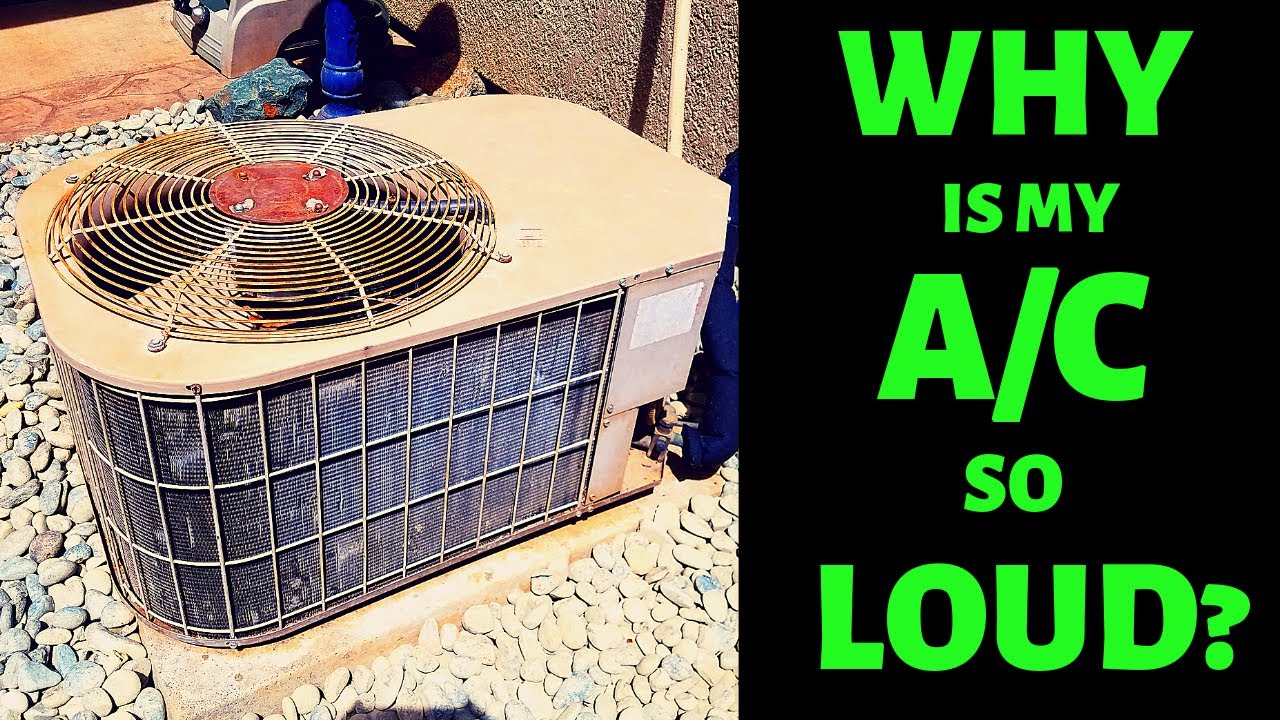
Image Source: i.ytimg.com
Deciphering the Symphony of AC Noises
Air conditioners are complex machines with many moving parts. When they work correctly, you might hear a gentle hum or the soft whirring of the fan. However, when these sounds become excessive or change in character, it’s a sign that something is amiss. A noisy air conditioner can disrupt your peace and quiet, and more importantly, it can indicate a problem that needs attention. Let’s break down the common sounds and their potential causes.
The Grinding Groan: What it Means
A grinding noise, often described as a metallic scraping or grating sound, usually points to a mechanical issue. This isn’t just an annoyance; it’s a strong indicator that parts are rubbing against each other or that something is severely out of place.
Common Causes of Grinding
- Loose Blower Wheel: The blower wheel is responsible for circulating air throughout your home. If it becomes loose or is obstructed by debris, it can grind against its housing. This is a frequent cause of air conditioner fan noise.
- Motor Bearing Failure: The fan motor and the compressor motor have bearings that allow them to spin smoothly. When these bearings wear out, they can produce a loud grinding or squealing sound.
- Debris in the Unit: Small rocks, twigs, or other debris can get into the outer casing of your AC unit and interfere with the fan or other moving parts, leading to a grinding noise.
The Rattling Rumble: Identifying the Source
A rattling sound can be quite unsettling, often making you think a small animal is trapped inside your system. This type of AC noise is typically associated with vibrations and loose parts.
Why is My AC Rattling?
- Loose Panels or Screws: Over time, the panels or screws on your AC unit can loosen due to vibrations. Even a slightly loose panel can rattle against the main housing.
- Refrigerant Issues: While less common for rattling, severely low refrigerant levels can sometimes cause the compressor to cycle erratically, leading to vibrations that might manifest as rattling.
- Debris in the Outdoor Unit: Similar to grinding, loose debris like leaves or small branches can lodge themselves in the outdoor unit, particularly around the fan, causing a rattling sound as the fan spins.
- Mounting Bracket Problems: The AC unit is secured by mounting brackets. If these brackets become loose or damaged, the entire unit can vibrate excessively, causing a rattling sound.
The Persistent Hum: More Than Just a Buzz
An air conditioner humming is often a normal operational sound, especially from the compressor. However, a significantly louder or fluctuating hum can signal trouble.
Interpreting the Hum
- Normal Compressor Operation: The compressor is the heart of your AC system, and a low, consistent hum is expected.
- Electrical Issues: A buzzing or vibrating hum might indicate a problem with the electrical components, such as a failing capacitor or motor.
- Overheating Compressor: If the compressor is overheating, it can produce a louder, more strained hum. This is often a sign of low refrigerant or a blocked airflow.
- Loose Mountings: Like rattling, a loose mounting for the compressor can cause it to vibrate, producing an amplified hum.
The Clanking and Banging: A Sign of Serious Trouble
Clanking or banging noises are usually the most alarming abnormal AC noise and often point to severe mechanical problems. These sounds suggest that major components are loose, damaged, or colliding.
What Causes Clanking?
- Connecting Rod Issues: Inside the compressor, connecting rods link the pistons to the crankshaft. If these become loose or damaged, they can cause loud clanking sounds. This is a significant issue related to AC compressor noise.
- Loose Fan Blades: If the fan blades themselves become loose or bent, they can strike the sides of the fan housing, creating a distinct clanking sound.
- Internal Compressor Damage: More severe internal damage to the compressor, such as a broken valve or piston, will undoubtedly result in loud clanking or banging.
The Whistling Wind: Airflow Issues
A whistling sound from your air conditioner typically indicates an issue with airflow or a leak somewhere in the system.
Explaining the Whistle
- Blocked Air Filters: A clogged air filter restricts airflow. The system then has to work harder, and air can be forced through small openings at high speed, creating a whistling sound. This is a common cause of air conditioner fan noise.
- Leaking Ducts: Holes or leaks in your ductwork can cause air to escape under pressure, producing a whistling sound.
- Refrigerant Leaks: A small leak in the refrigerant line can cause the refrigerant to escape rapidly, creating a high-pitched whistling or hissing sound.
- Blower Speed: Sometimes, a whistling sound can occur if the blower fan is set to a very high speed and the airflow is restricted.
The Screeching Squeal: A High-Pitched Warning
A high-pitched squeal is often associated with the fan motor or belts. It’s a sound that demands immediate attention.
Reasons for Squealing
- Worn Fan Motor Bearings: As mentioned earlier, worn bearings in the fan motor are a prime cause of squealing.
- Loose or Worn Belts: Some older AC systems use belts to drive the fan or compressor. If these belts are loose, frayed, or worn, they can slip and produce a squealing sound.
- Tightened Belts: Conversely, a belt that is too tight can also put excessive strain on the motor and bearings, leading to squealing.
Investigating the Causes of Loud AC
A loud HVAC system isn’t just about the noise; it’s about what that noise signifies. Many issues can contribute to an AC unit loud operation, and pinpointing the exact cause is key to effective repair.
Indoor Unit Issues
The indoor unit, often called the air handler or furnace, contains the blower fan and evaporator coil. Problems here can significantly impact the overall sound.
Blower Motor and Fan Problems
The blower is one of the most crucial components for airflow. If it’s not functioning correctly, it can create a host of noises.
- Dirty Blower Wheel: Over time, dust and debris can accumulate on the blower wheel blades. This imbalance can cause vibrations and noise. A dirty blower wheel is a very common reason for increased air conditioner fan noise.
- Loose Blower Wheel: If the blower wheel is not securely attached to the motor shaft, it can wobble and cause rattling or grinding sounds.
- Worn Blower Motor Bearings: Just like the outdoor fan, the blower motor’s bearings can wear out, leading to squealing or grinding.
Evaporator Coil Issues
The evaporator coil is where the refrigerant absorbs heat from the air.
- Ice Buildup: If the evaporator coil freezes over due to low refrigerant or poor airflow, the ice can shift and bang against the fan blades as it moves.
- Debris on Coil: Accumulated dust and debris on the evaporator coil can restrict airflow, forcing the fan to work harder and potentially causing new noises.
Outdoor Unit Issues
The outdoor unit houses the compressor, condenser fan, and condenser coil. These components are exposed to the elements, making them susceptible to wear and tear.
Compressor Quandaries
The compressor is a major source of noise in an AC system. AC compressor noise can range from a normal hum to alarming clanks.
- Worn Compressor Mounts: The compressor is mounted on rubber grommets or springs to absorb vibrations. If these mounts degrade or break, the compressor can vibrate excessively, causing a loud humming or rattling.
- Internal Compressor Damage: As discussed, internal issues within the compressor, such as worn pistons, valves, or connecting rods, can lead to severe clanking, grinding, or knocking sounds. This often signifies the end of the compressor’s life.
- Refrigerant Overcharge/Undercharge: Incorrect refrigerant levels can stress the compressor, leading to unusual noises and inefficient operation.
Condenser Fan Problems
The condenser fan’s job is to dissipate heat from the refrigerant.
- Bent or Damaged Fan Blades: The fan blades can become bent or damaged by debris or impact. This imbalance causes wobbling and rattling.
- Loose Fan Motor: If the fan motor itself is loose, it can vibrate and create noise.
- Worn Fan Motor Bearings: Similar to the indoor blower, worn bearings in the condenser fan motor will produce squealing or grinding.
Condenser Coil Issues
The condenser coil releases heat from your home to the outdoors.
- Debris on Coil: Leaves, grass clippings, and dirt can clog the condenser coil fins. This blockage reduces the unit’s ability to release heat, causing the system to work harder and potentially overheat, leading to louder operation and noises.
Ductwork and Installation
Sometimes, the source of the loud noise isn’t within the AC unit itself but in its surrounding infrastructure.
Ductwork Dilemmas
- Undersized Ducts: If your ductwork is too small for the amount of air your AC system needs to move, it can create a whistling or rushing air noise.
- Loose or Damaged Ducts: Holes, leaks, or poorly connected sections of ductwork can create whistling, hissing, or even rattling sounds as air escapes or vibrates the metal.
- Ductwork Vibration: If ductwork is not properly secured, it can vibrate against joists or other parts of the house, creating a rattling or banging sound.
Installation and Leveling
- Uneven Installation: If the outdoor unit is not installed on a level pad, it can cause the compressor and fan to operate unevenly, leading to increased vibration and noise.
- Unit Touching Structures: If the outdoor unit is too close to walls or fences, the vibrations can be amplified and transmitted to these structures, making the noise seem louder.
Table: Common AC Noises and Their Likely Causes
| AC Noise | Likely Cause(s) | Potential Solution |
|---|---|---|
| Grinding | Loose blower wheel, worn motor bearings, debris in unit | Clean or replace blower wheel, replace motor bearings, remove debris. |
| Rattling | Loose panels/screws, debris in unit, loose mounting brackets | Tighten panels/screws, remove debris, secure mounting brackets. |
| Humming | Normal operation, electrical issues (capacitor, motor), overheating compressor | Check electrical components, ensure proper airflow, allow unit to cool. |
| Clanking | Loose connecting rods, damaged fan blades, internal compressor damage | Professional inspection and repair/replacement of compressor or fan assembly. |
| Whistling | Dirty air filter, leaking ducts, refrigerant leak, high blower speed | Replace air filter, seal duct leaks, repair refrigerant leak, adjust blower speed. |
| Screeching | Worn fan motor bearings, loose or worn belts | Replace motor bearings, replace or adjust belts. |
| Banging | Ice buildup on coil, internal compressor damage | Defrost coil, professional compressor repair/replacement. |
| Hissing | Refrigerant leak | Locate and repair leak, recharge refrigerant. |
Troubleshooting Steps for a Noisy Air Conditioner
When your AC unit loud, it’s natural to want to address it quickly. Here are some troubleshooting steps you can take.
Step 1: Identify the Type of Noise and Its Location
Listen carefully. Is the noise coming from the indoor unit or the outdoor unit? What kind of sound is it (grinding, rattling, humming, etc.)? This initial assessment will help narrow down the possibilities.
Step 2: Check the Air Filter
A clogged air filter is one of the simplest and most common causes of air conditioner fan noise and general inefficiency.
- Location: The air filter is usually located near the return air vent or inside the air handler.
- Action: Remove the filter and inspect it. If it’s dirty, replace it with a new one of the correct size and MERV rating.
Step 3: Inspect the Outdoor Unit for Debris
Obstructions in the outdoor unit can cause significant noise.
- Safety First: Always turn off the power to your AC unit at the breaker box before inspecting the outdoor unit.
- Inspection: Carefully look around the fan blades and inside the unit (as much as safely possible) for any leaves, twigs, paper, or other debris.
- Removal: Gently remove any visible debris. You can use a hose to rinse the condenser fins if they appear dirty, but be careful not to bend them.
Step 4: Check for Loose Panels or Screws
Vibrations can loosen components over time.
- Action: With the power still off, gently try to wiggle the outer panels of both the indoor and outdoor units. Check if any screws appear loose and tighten them if necessary.
Step 5: Examine the Refrigerant Lines (Visually)
Look for any obvious signs of damage or leaks on the refrigerant lines, which are the insulated copper pipes connecting the indoor and outdoor units.
- Signs of a Leak: Frost buildup on the pipes or an oily residue can indicate a refrigerant leak, which might contribute to unusual AC noise.
When to Call a Professional
While some minor issues can be addressed by homeowners, many causes of loud AC require the expertise of a qualified HVAC technician.
Signs You Need Professional Help
- Loud Clanking, Grinding, or Banging: These noises often indicate serious internal mechanical problems with the compressor or fan motor that you cannot safely repair yourself.
- Refrigerant Leaks: Detecting and repairing refrigerant leaks, as well as recharging the system, requires specialized tools and knowledge.
- Electrical Problems: Faulty capacitors, motors, or wiring are dangerous and should only be handled by professionals.
- Persistent or Worsening Noises: If the noise doesn’t go away after simple troubleshooting or if it gets louder, it’s time to call an expert.
- Lack of Cooling: If your AC is loud and not cooling effectively, it points to a more significant problem that needs immediate attention.
The Benefits of Professional AC Service
- Expert Diagnosis: Technicians have the experience and tools to accurately diagnose the abnormal AC noise.
- Safe Repairs: They can perform repairs safely, especially when dealing with electrical components or refrigerants.
- Preventative Maintenance: Regular professional maintenance can catch problems before they become serious, preventing future AC noise and costly breakdowns.
- Extended Lifespan: Addressing issues promptly can help prolong the life of your HVAC system.
Maintaining Your AC to Prevent Loud Noises
Regular maintenance is the best way to keep your AC running quietly and efficiently.
Key Maintenance Practices
- Regular Filter Changes: Change your air filter every 1-3 months, depending on the type of filter and your household conditions. This is crucial for preventing air conditioner fan noise and ensuring good airflow.
- Annual Professional Tune-Ups: Schedule a professional inspection and tune-up for your AC system at least once a year, ideally before the cooling season begins. This includes cleaning coils, checking refrigerant levels, inspecting electrical components, and lubricating moving parts.
- Keep Outdoor Unit Clear: Ensure the area around your outdoor unit is clear of debris, plants, and obstructions to allow for proper airflow.
- Listen for Changes: Pay attention to any new or unusual sounds your AC system makes. Early detection of abnormal AC noise can prevent minor issues from becoming major repairs.
Frequently Asked Questions (FAQ)
Q1: Can a loud AC be a sign of a serious problem?
A1: Yes, while some AC noises are minor, sounds like loud clanking, grinding, or banging can indicate serious mechanical failures within the compressor or fan motor, requiring professional attention.
Q2: How often should I change my AC air filter to prevent noise?
A2: You should change your AC air filter every 1 to 3 months. A dirty filter restricts airflow, which can cause the fan to work harder and create whistling or whining sounds, contributing to air conditioner fan noise.
Q3: Is it normal for my AC unit to make a humming sound?
A3: A low, consistent hum is normal for an AC unit, especially from the compressor. However, if the humming becomes excessively loud, vibrates intensely, or changes pitch, it could indicate an electrical issue or a struggling compressor.
Q4: What should I do if I hear a rattling sound from my AC?
A4: First, check for loose panels or debris around the unit. If the rattling persists, it might be due to loose internal components or motor issues, and it’s best to have a technician inspect it.
Q5: Can I fix a loud AC unit myself?
A5: Simple issues like changing an air filter or removing visible debris from the outdoor unit can be done by homeowners. However, any repairs involving electrical components, refrigerant, or internal mechanical parts should be handled by a qualified HVAC professional.
Q6: What is the most common cause of a loud HVAC system?
A6: Some of the most common causes of a loud HVAC system include dirty air filters, debris in the outdoor unit, loose fan blades or panels, and worn motor bearings.
Q7: What does it mean if my AC is making a screeching noise?
A7: A screeching noise often points to issues with the fan motor bearings or belts. These components may be worn out or in need of lubrication or replacement.
By understanding the various sounds your air conditioner can make and their potential causes, you can be better equipped to address issues promptly. Whether it’s a subtle hum or a concerning clank, regular maintenance and a keen ear can save you from costly repairs and keep your home comfortable. Don’t let AC noise disrupt your peace – address it head-on!

My name is Carlos Gadd, and I am the creator of AirPurityGuide.com.. With a passion for footwear, I share my experiences, insights, and expertise about shoes. Through my blog, I aim to guide readers in making informed decisions, finding the perfect pair, and enhancing their footwear knowledge. Join me on this journey to explore everything about shoes!