
Does your air conditioner seem to be sweating a lot? If you’re asking, “Why is my air conditioner draining so much water?” the most common reason is normal operation: the AC is removing moisture from the air in your home. However, if the water output seems excessive, or you notice a water leak from AC unit, there might be other issues at play.
Your air conditioner acts like a dehumidifier as it cools your home. It pulls warm, moist air from your rooms across cold evaporator coils. This process cools the air and also removes moisture from it. This moisture then drips off the coils and collects in a shallow tray, called the AC pan drain, before flowing out of your home through a pipe known as the AC condensate drain line. This AC unit condensation is a natural part of how your AC works.
However, abnormal AC water production or a water leak from AC unit can point to problems. Let’s explore the common culprits behind an AC that seems to be draining too much water.
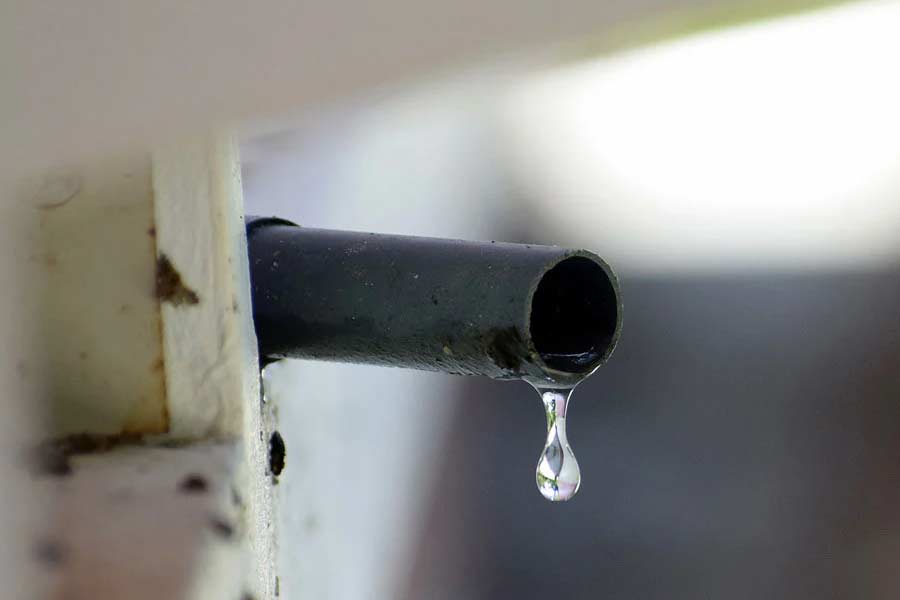
Image Source: dellahome.com
Deciphering the Drip: Normal vs. Abnormal AC Water Production
It’s important to distinguish between normal condensation and excessive water. During hot, humid weather, your AC will naturally produce more condensation. This is a good thing, as it means your AC is effectively removing excess moisture from your indoor environment. You’ll typically see water dripping from the outdoor unit’s drain pipe or collecting in a condensate line.
Normal Water Production:
- Seasonal Variation: More water during humid summer days.
- Location: Water coming from the designated AC condensate drain line.
- Volume: A steady, consistent flow, not pooling or overflowing.
When to Worry:
- Excessive Water: Puddles around the indoor or outdoor unit.
- Water Inside: Leaks inside your home, near the indoor unit.
- No Water: A complete lack of drainage can also signal a problem.
- Algae or Slime: Visible in the condensate line or drain pan.
High Humidity and AC Performance
High humidity and AC systems are closely linked. When the air outside is very humid, your AC has to work harder to remove that moisture. This can lead to increased condensation. Think of it like a cold glass on a humid day – it “sweats” a lot. Your AC coils are doing the same thing.
- Increased Dehumidification: The AC is functioning as intended by removing moisture.
- Potential for Overload: In extremely humid conditions, the AC might struggle to keep up, leading to more noticeable condensation.
- Energy Efficiency: While increased water production is normal in humidity, an inefficient AC might use more energy to achieve the same level of dehumidification.
The Role of the AC Condensate Drain Line
The AC condensate drain line is a small pipe, usually made of PVC, that carries the water collected from the AC’s evaporator coil away from the unit and outside your home. This seemingly simple component is crucial for preventing water damage.
- Gravity-Fed System: Most condensate lines rely on gravity to move water. This means they need a slight downward slope.
- Ventilation: Some systems have a vent pipe connected to the condensate line to allow air to escape, preventing siphoning.
- Regular Maintenance: Keeping this line clear is vital.
Common Culprits Behind Abnormal AC Water Production
When your air conditioner is draining more water than usual, or you’re experiencing a water leak from AC unit, it’s time to investigate. Here are the most frequent reasons:
1. Clogged AC Drain Line: The Most Frequent Offender
A clogged AC drain line is the most common reason for an AC to back up and leak water. Over time, dust, dirt, algae, mold, and sludge can build up inside the line, restricting or completely blocking the flow of water.
- Formation of Sludge: This sticky, dark substance is a combination of dust, lint, and microbial growth.
- Algae and Mold Growth: Warm, moist environments are perfect breeding grounds for these organisms.
- Impact on Drainage: When the line is clogged, water can’t escape properly.
Consequences of a Clogged Drain Line:
- AC Pan Overflow: The AC pan drain (also known as the secondary drain pan) is designed to catch water if the primary drain line clogs. However, if the clog is severe or the pan itself is damaged, water can overflow from the primary pan.
- Water Damage: This overflow can lead to water leaking inside your home, damaging ceilings, walls, floors, and insulation.
- Mold and Mildew Growth: Standing water creates an ideal environment for mold and mildew to flourish, impacting indoor air quality.
- System Shutdown: Some modern AC units have a safety float switch installed in the condensate drain line. If the water level rises due to a clog, this switch will shut off the AC to prevent further water damage.
Addressing a Clogged AC Drain Line
A simple solution often involves clearing the clog.
- DIY Cleaning: You can often clear a minor clog by using a wet/dry vacuum on the exterior end of the drain line or by pouring a mixture of diluted bleach or vinegar down the line (follow manufacturer recommendations or consult a professional).
- Professional Cleaning: For stubborn clogs or if you’re uncomfortable doing it yourself, a HVAC technician can safely clear the line using specialized tools.
- Preventative Maintenance: Regular cleaning of the drain line, perhaps twice a year, can prevent clogs from forming in the first place.
2. Dirty Evaporator Coils
The evaporator coil is where the magic of cooling and dehumidification happens. When it gets covered in dust and debris, it hinders the AC’s ability to cool and dehumidify effectively.
- Reduced Airflow: Dirt acts as an insulator, making it harder for the coils to absorb heat and moisture.
- Frozen Coils: In severe cases, dirty coils can lead to the refrigerant becoming too cold, causing ice to form on the coils. As this ice melts, it can overwhelm the AC pan drain and cause excessive dripping.
Signs of Dirty Evaporator Coils:
- Reduced Cooling Efficiency: Your AC may not be cooling your home as effectively.
- Increased Humidity: Even if the air feels cooler, the increased moisture can make it feel clammy.
- Visible Dirt: You might see visible layers of dust and grime on the coils (usually accessed through a panel near the indoor unit).
Fixing Dirty Evaporator Coils
- Professional Cleaning: This is usually a job for an HVAC technician, as the coils are often located in a hard-to-reach place within the air handler.
- Regular Filter Changes: Using high-quality air filters and changing them regularly (every 1-3 months) is the best way to prevent dirt from reaching the coils.
3. Leaky or Damaged AC Pan Drain
The AC pan drain is the shallow pan located directly beneath the evaporator coils, designed to collect the condensation. If this pan is cracked, rusted, or improperly installed, it can lead to water leak from AC unit even if the drain line is clear.
- Corrosion: Metal drain pans can rust over time, developing holes.
- Cracks: Plastic pans can become brittle and crack.
- Improper Installation: If the pan isn’t level, water may not drain correctly into the condensate line, causing it to pool and overflow.
Repairing or Replacing a Damaged Drain Pan
- Sealing: Minor cracks might be sealable, but this is often a temporary fix.
- Replacement: A damaged drain pan usually needs to be replaced by a professional.
4. AC Refrigerant Leak: An Indirect Cause of Excessive Water
While an AC refrigerant leak doesn’t directly cause water to drain, it can indirectly lead to excessive condensation and potential water issues. Refrigerant is the substance that circulates through your AC system to absorb heat and moisture.
- Low Refrigerant Levels: When refrigerant levels drop due to a leak, the evaporator coils can get too cold.
- Ice Formation: This extreme cold can cause moisture in the air to freeze onto the coils, forming ice.
- Water Overflow: When the AC cycles off or the ice melts, it can release a large amount of water, overwhelming the condensate drain system and causing the AC pan to overflow, resulting in a water leak from AC unit.
Signs of a Refrigerant Leak:
- Reduced Cooling: Your AC isn’t cooling as effectively as it used to.
- Hissing Sounds: You might hear hissing or bubbling noises from the unit.
- Frozen Coils: Ice buildup on the evaporator coils is a strong indicator.
- Warm Air: The air coming from your vents might feel warm.
Addressing a Refrigerant Leak
- Professional Repair: Refrigerant leaks are serious and require a certified HVAC technician to locate the leak, repair it, and recharge the system with the correct amount of refrigerant. Never attempt to add refrigerant yourself, as it’s a hazardous substance and requires specialized knowledge.
5. Improperly Insulated Condensate Line
The condensate line carries water from the indoor unit to the outside. If the line isn’t properly insulated, especially in areas where it runs through unconditioned spaces like attics or crawl spaces, condensation can form on the outside of the pipe itself.
- Temperature Difference: The cold water inside the pipe can cause the warm, humid air outside the pipe to condense on its surface.
- Dripping Water: This external condensation can drip down, creating puddles that look like a leak from the AC unit.
Insulating the Condensate Line
- Foam Insulation: Ensure all accessible parts of the condensate line are covered with foam pipe insulation.
- Check for Gaps: Make sure there are no gaps in the insulation.
6. Clogged Condensate Line Vent
Most AC condensate drain lines have a small vent pipe that goes up from the main line, usually near the indoor unit. This vent allows air to escape as water flows out, preventing a vacuum from forming that could slow or stop drainage.
- Blockage: If this vent gets clogged with dust, insects, or debris, it can impede water flow, similar to a clogged main drain line.
Clearing the Condensate Line Vent
- Visual Inspection: Check the vent pipe for any visible obstructions.
- Gentle Cleaning: You might be able to clear minor blockages with a thin wire or a brush.
7. Extreme Weather Conditions and AC Function
While less common as a direct cause of excessive drainage, certain weather conditions can influence AC operation and condensation.
- Very Low Outdoor Temperatures: Running your AC when outdoor temperatures are very low (typically below 60-65°F or 15-18°C) can cause the system to freeze up. This ice buildup, when it melts, can lead to significant water discharge. Air conditioners are designed for cooling in warm weather, not for heating or operating in cold.
- Short Cycling: If your AC unit is too large for your home, it might cool the space very quickly and shut off before it has a chance to adequately dehumidify. This can sometimes lead to a feeling of clamminess, though not necessarily excessive drainage from a leak.
When to Call a Professional
While some minor AC water issues can be addressed with DIY steps, many require the expertise of a qualified HVAC technician.
Call a professional if:
- You suspect a refrigerant leak.
- You have ice buildup on the evaporator coils.
- You’ve attempted to clear the condensate line, but the problem persists.
- You see significant water damage inside your home.
- You’re uncomfortable working with AC components.
- Your AC is shutting off unexpectedly (it might be due to a safety float switch indicating a drainage issue).
Maintaining Your AC to Prevent Water Issues
Regular maintenance is the best defense against AC water problems.
Key Maintenance Tasks:
- Change Air Filters: Monthly or quarterly, depending on the filter type and household conditions.
- Inspect Condensate Drain Line: Annually, or more often in humid climates. Consider flushing it with vinegar or a specialized cleaner.
- Clean Evaporator Coils: As needed, or as part of a professional tune-up.
- Check Drain Pan: Annually, for rust, cracks, or debris.
- Annual Professional Tune-Up: Have a technician inspect the entire system, including refrigerant levels, electrical connections, and overall efficiency.
Frequently Asked Questions (FAQ)
Q1: Is it normal for my AC to drip water outside?
A1: Yes, it is completely normal for your air conditioner to drip water outside from its condensate drain line. This is the system removing moisture from your home’s air.
Q2: My AC is making a gurgling noise and draining a lot of water. What could be wrong?
A2: A gurgling noise often indicates air being pushed through a partially clogged condensate drain line. This can lead to the AC pan drain overflowing if the clog is severe.
Q3: Can a dirty air filter cause my AC to leak water?
A3: Yes, a very dirty air filter can restrict airflow over the evaporator coils. This can cause the coils to get too cold and potentially freeze. When the ice melts, it can lead to abnormal AC water production and overflow.
Q4: What if there’s no water draining from my AC?
A4: No water draining is also a sign of a problem, most commonly a completely clogged AC drain line or a broken condensate pump (if your system uses one). This can lead to water backing up and leaking.
Q5: How often should I clean my AC’s condensate drain line?
A5: In humid climates or if you have pets that shed a lot, it’s advisable to clean the condensate drain line at least twice a year. Otherwise, an annual cleaning during a professional tune-up is generally sufficient.
Q6: Can high humidity alone cause my AC to leak?
A6: High humidity and AC operation mean the AC will work harder to dehumidify, producing more condensate. While this is normal, extreme humidity combined with a minor issue like a slightly restricted drain line could lead to an overflow.
Q7: What is the AC pan drain?
A7: The AC pan drain is the shallow pan situated beneath the evaporator coils that collects condensation. It is connected to the condensate drain line.
By familiarizing yourself with these common causes and performing regular maintenance, you can keep your air conditioner running smoothly and prevent potentially costly water damage. If you ever suspect a significant problem, don’t hesitate to contact a qualified HVAC professional.

My name is Carlos Gadd, and I am the creator of AirPurityGuide.com.. With a passion for footwear, I share my experiences, insights, and expertise about shoes. Through my blog, I aim to guide readers in making informed decisions, finding the perfect pair, and enhancing their footwear knowledge. Join me on this journey to explore everything about shoes!