
Does your window air conditioner emit a strange, unpleasant odor that strongly resembles urine? This is a common, and often baffling, problem for many homeowners. The most frequent causes for a window AC unit smelling like pee are mold and mildew growth, bacteria buildup, a dirty AC filter, or issues with the evaporator coil.
Let’s dive into why this urine odor might be plaguing your home and what you can do about it. A smelly AC can make your living space uncomfortable, and it’s important to address the issue promptly to ensure healthy air quality.
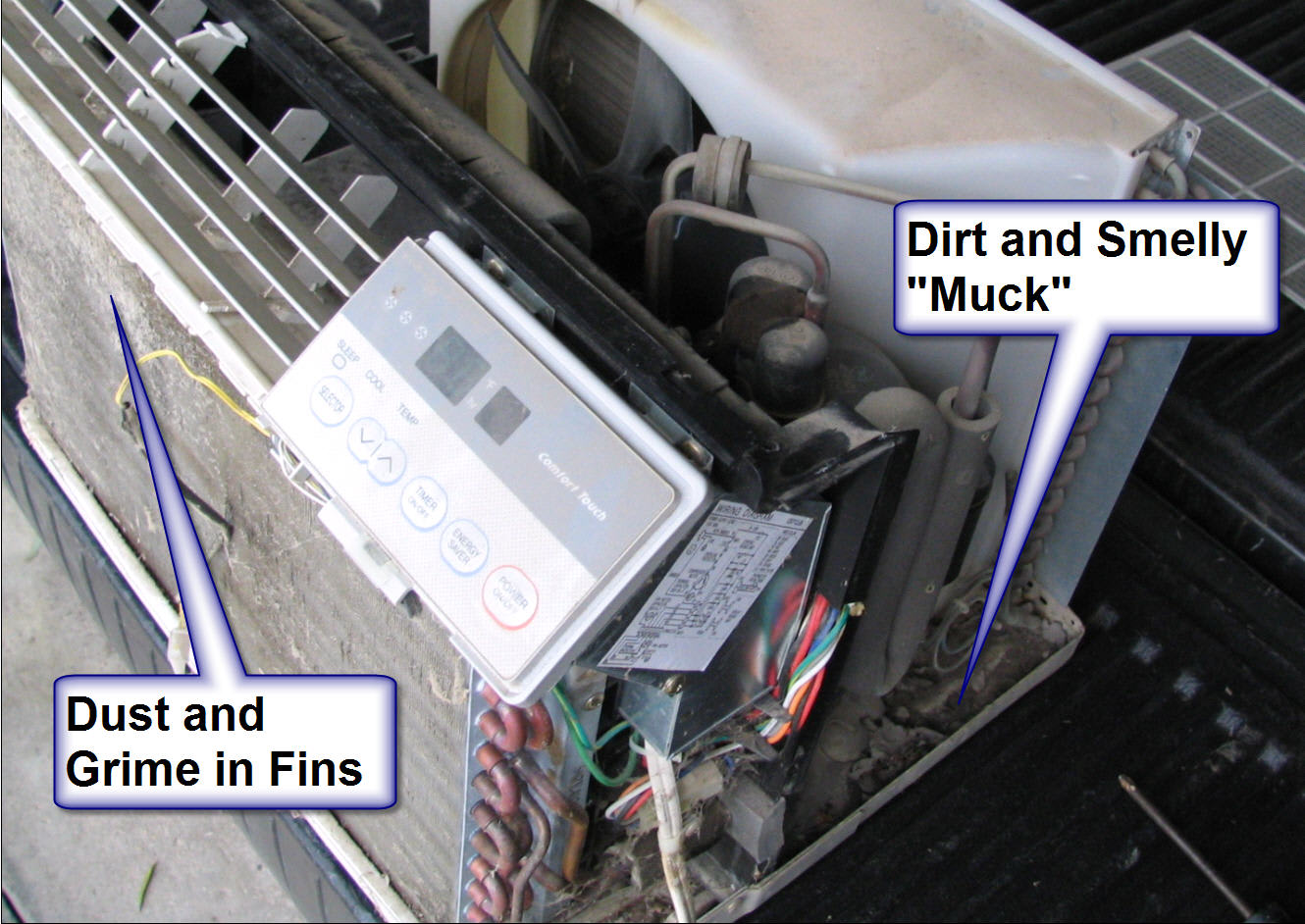
Image Source: dengarden.com
Deciphering the Source of the Urine Odor
Several factors can contribute to your window AC unit producing a smell that makes you think of pet urine smell AC. It’s not usually actual urine, but rather the byproducts of microbial activity or chemical reactions within the unit.
Mold and Mildew AC: The Prime Suspects
Mold and mildew are fungi that thrive in damp, dark environments, and the interior of an air conditioner is a perfect breeding ground. Condensation is a natural part of the cooling process, and if this moisture isn’t properly managed, it can lead to significant mold and mildew growth.
- How it Happens: As your AC cools the air, it also dehumidifies it. This moisture collects on the evaporator coil and in the drain pan. If these areas are not regularly cleaned or if the drainage system is clogged, water can sit, creating a humid environment where mold spores can germinate and multiply.
- The Smell: Certain types of mold and mildew produce volatile organic compounds (VOCs) when they grow. Some of these VOCs have a distinct, pungent odor that can be very similar to ammonia or urine. The ammonia smell AC complaint is often linked to specific types of mold.
- Health Concerns: Beyond the unpleasant odor, mold can release spores into the air, which can trigger allergies, asthma symptoms, and other respiratory issues in sensitive individuals.
Bacteria Growth AC: Another Microbial Culprit
Similar to mold, bacteria also love moist environments. Bacteria can form biofilms on the internal components of your AC unit, particularly on the evaporator coil and in the condensate drain line.
- The Process: When dust and debris mix with moisture, they create a sticky substance that bacteria can colonize. Over time, these bacterial colonies can grow and break down organic matter, releasing foul-smelling byproducts.
- Urine-Like Odor Connection: Some bacteria, particularly certain types of Pseudomonas species, can produce ammonia as a metabolic waste product. This ammonia can then contribute to the urine odor you detect. This is a key reason why your AC smells bad.
The Dirty AC Filter: A Gateway for Contaminants
Your AC filter is the first line of defense against dust, dirt, pollen, and other airborne particles. When it becomes clogged, it not only reduces the efficiency of your unit but can also contribute to odors.
- Clogged Filters Trap Moisture: A dirty, clogged filter restricts airflow. This can cause the evaporator coil to get colder than it should, leading to excessive condensation. This excess moisture then becomes trapped, providing ideal conditions for mold and bacteria.
- Debris Becomes a Food Source: The trapped dust and debris on a dirty filter can also act as a food source for mold and bacteria that might enter the unit. As these microbes grow on the accumulated grime, they can release odors.
- Stale Air Conditioner Smell: A dirty filter can also simply recirculate stale air, trapping odors from within the unit itself. If mold or bacteria are present, these smells will be amplified.
Evaporator Coil Issues: Where the Magic (and the Smell) Happens
The evaporator coil is a crucial component of your air conditioner. It’s responsible for absorbing heat from your indoor air. Because it’s constantly in contact with moist air, it’s a prime location for grime and microbial growth.
- Accumulation of Grime: Over time, dust, dirt, and other airborne particles can settle on the evaporator coil fins. When combined with condensation, this creates a sticky, often slimy, surface.
- Biofilm Formation: This layer of grime is perfect for bacteria and mold to colonize, forming biofilms. These living communities of microbes can produce a range of gases, including ammonia, contributing to the ammonia smell AC and the overall urine odor.
- Reduced Efficiency and Odors: A dirty evaporator coil not only causes your AC to work harder and consume more energy but also significantly contributes to the stale air conditioner smell and the dreaded urine odor.
Refrigerant Leak: A Less Common but Possible Cause
While less common than microbial growth, a refrigerant leak can sometimes be the culprit behind strange smells. However, the smell associated with a refrigerant leak is usually described as slightly sweet or chemical, rather than urine-like.
- How it Works: Refrigerant is the substance that cools your air. If there’s a leak, the refrigerant can escape.
- When it Might Mimic Urine: In very rare instances, certain chemical reactions or the presence of specific additives in the refrigerant might produce an odor that some people might misinterpret. However, if you suspect a refrigerant leak, it’s a more serious issue that requires professional attention immediately, as refrigerants can be harmful.
Troubleshooting Your Smelly Window AC
Now that we’ve explored the potential causes, let’s look at how you can identify and address the problem.
H3: Initial Checks: Simple Steps You Can Take
Before calling a professional, there are a few things you can check yourself.
H4: Inspect the AC Filter
This is the easiest and most frequent cause of AC odors.
- Locate the Filter: Most window AC units have a filter located behind the front grille.
- Remove and Inspect: Carefully slide out the filter. If it’s visibly dirty, clogged with dust, or feels damp and grimy, it’s time for a replacement or cleaning.
- Clean or Replace: Wash reusable filters with mild soap and water, ensuring they are completely dry before reinserting. Disposable filters should be replaced with a new one of the correct size.
H4: Check the Drain Pan and Line
The drain pan collects condensation, and the drain line removes excess water.
- Access the Pan: You may need to remove the front panel or access the unit from the back.
- Look for Standing Water: If there’s standing water in the pan, it indicates a clog or improper drainage.
- Inspect the Drain Line: Look for kinks or blockages in the small drain tube that exits the unit.
- Clean the Pan: If you see slime or debris, gently clean the pan with a mild detergent and water.
H4: Examine the Evaporator Coil (Visually)
The evaporator coil is usually located behind the filter.
- Gentle Inspection: Without forcing anything, try to get a visual of the coil.
- Signs of Grime: Look for any visible accumulation of dust, mold, or a slimy coating on the fins. If it looks dirty, it likely needs cleaning.
H3: When to Call a Professional: Recognizing Complex Issues
Some problems require the expertise of an HVAC technician.
H4: Persistent Odors After Cleaning
If you’ve cleaned the filter and checked the drain pan, but the urine odor or AC smells bad persists, it’s time for professional help.
H4: Suspected Mold or Bacteria Overgrowth
If you suspect significant mold growth on the evaporator coil or within the unit’s housing, a professional cleaning is recommended. They have specialized tools and solutions to safely and effectively remove mold and bacteria.
H4: Evaporator Coil Cleaning
Cleaning the evaporator coil properly involves more than just a quick wipe. Technicians use coil cleaners and often high-pressure water or steam to remove stubborn grime and biofilms. This is crucial for eliminating the bacteria growth AC and the associated odors.
H4: Refrigerant Leak Diagnosis
If the smell is chemical or you suspect a refrigerant issue, do not attempt to fix it yourself. A technician can detect leaks and safely recharge the system.
H4: Clogged Condensate Drain Line
While you can check for visible blockages, a professional can thoroughly flush and clear the entire drain line, ensuring proper water removal.
H3: DIY Deep Cleaning: A Thorough Approach
If you’re comfortable with a bit more hands-on work, a deep clean can tackle many odor issues.
H4: Safety First!
- Unplug the Unit: Always disconnect the power supply to the window AC unit before attempting any cleaning.
- Wear Protective Gear: Use gloves and a mask, especially if you suspect mold or significant dust.
H4: Step-by-Step Cleaning Process
- Remove the Front Grille and Filter: As described earlier.
- Clean the Fan Blades: Dust and grime can accumulate on the fan blades. Use a soft brush or cloth to gently clean them.
- Clean the Evaporator Coil:
- You can purchase specialized AC coil cleaners. Follow the product instructions carefully.
- Often, these cleaners are sprayed onto the coil and allowed to work. They may foam up to lift dirt and then drain away with the condensation.
- For tough grime, a soft brush can be used very gently.
- Clean the Condenser Coil (Exterior Unit): While the evaporator coil is inside, the condenser coil is usually on the outside of the unit. You can gently hose this down from the inside out to remove dust and debris.
- Clean the Drain Pan and Line:
- Empty any standing water.
- Use a mild bleach solution (1 part bleach to 10 parts water) or vinegar to clean the pan and kill any microbial growth. Rinse thoroughly.
- You can try to clear the drain line by carefully using a thin wire or a small amount of pressurized air (from a can).
- Wipe Down the Interior Casing: Use a damp cloth with mild soap to clean the plastic interior parts of the unit.
- Reassemble and Test: Ensure all parts are dry before reassembling the unit and plugging it back in.
Factors Contributing to a Smelly AC
Understanding the conditions that foster these odors can help prevent them in the future.
H3: High Humidity Environments
Regions with consistently high humidity are more prone to AC odor issues because they create more condensation.
H3: Infrequent Use and Poor Ventilation
Units that are used sporadically or are in poorly ventilated rooms can develop stale smells and allow moisture to linger, promoting growth.
H3: Allergens and Pet Dander
If you have pets or live in an area with high pollen counts, these allergens can contribute to the debris that clogs filters and contaminates coils. This can exacerbate a pet urine smell AC issue if it’s already present due to other reasons.
H3: Age of the Unit
Older window AC units may have degraded seals or less efficient drainage systems, making them more susceptible to moisture buildup and odor-causing issues.
Preventing Future Odors
Proactive maintenance is key to enjoying fresh-smelling air.
H3: Regular Filter Maintenance
- Check monthly: Make it a habit to check your AC filter every month, especially during peak usage seasons.
- Clean or replace: Clean reusable filters or replace disposable ones as needed. This is the single most effective way to prevent many AC problems, including odors.
H3: Annual Professional Servicing
- Deep clean: Schedule an annual professional cleaning and tune-up for your window AC unit. This includes thorough cleaning of coils, drain pans, and checking refrigerant levels.
- Catch problems early: A technician can spot potential issues before they become major odor sources.
H3: Proper Unit Installation and Drainage
- Ensure correct slope: Window AC units need to be installed with a slight downward tilt towards the exterior to allow proper drainage. If it’s not installed correctly, water can pool inside.
- Keep drain line clear: Regularly check that the drain line is not obstructed by leaves, debris, or insect nests.
H3: Use of AC Deodorizers and Air Purifiers
- Activated charcoal filters: Some AC units come with or can be fitted with activated charcoal filters that help absorb odors.
- Air purifiers: Using a separate air purifier in the room can help reduce the amount of airborne particles that enter your AC unit.
Table: Common AC Smells and Their Likely Causes
| Reported Smell | Likely Cause(s) | What to Do |
|---|---|---|
| Urine or Ammonia | Mold/Mildew growth, Bacteria growth AC, Dirty filter | Clean/replace filter, clean evaporator coil and drain pan, professional cleaning if persistent. |
| Musty or Earthy | Mold and Mildew AC | Thorough cleaning of the unit, especially evaporator coil and drain pan. Ensure proper ventilation and dehumidification. |
| Chemical or Acrid | Refrigerant leak (rare), electrical issue | Immediate professional inspection required. Do not operate the unit. |
| Stale or Dusty | Dirty AC filter, accumulated dust in the unit | Clean/replace filter, dust interior components, run AC for a short period to circulate fresh air. |
| Rotten Eggs | Sometimes associated with electrical issues or burnt dust | Professional inspection recommended. Check for any signs of overheating or damage to electrical components. |
Frequently Asked Questions (FAQ)
Q1: Can my window air conditioner really smell like urine if there’s no pet involved?
A1: Yes, absolutely. The urine odor is typically caused by the metabolic byproducts of mold and bacteria that thrive in the moist, dark interior of the AC unit. These microbes produce gases, like ammonia, that have a smell similar to urine or ammonia smell AC.
Q2: How often should I clean my window AC filter?
A2: It’s best to check your dirty AC filter at least once a month, especially during warmer months when the unit is in frequent use. Clean or replace it as needed. In homes with pets or high dust levels, you might need to check it more often.
Q3: Is it safe to use bleach to clean my AC unit?
A3: A diluted bleach solution (1 part bleach to 10 parts water) can be used to clean the drain pan to kill mold and bacteria. However, avoid getting bleach directly on the evaporator coil or electrical components, as it can cause damage. Always follow up with a thorough rinse with clean water. For the coils themselves, specialized AC coil cleaners are usually recommended.
Q4: My AC smells like pee when I first turn it on, but the smell goes away. What does that mean?
A4: This often indicates that there is some mold and mildew AC growth or bacteria growth AC present. When the unit is off, the moisture can build up, and the odors are more concentrated. As the AC runs and circulates air, the smell may dissipate temporarily. However, the underlying issue of microbial growth still exists and needs to be addressed to prevent it from worsening and impacting air quality.
Q5: What is the difference between a mold smell and a urine smell from my AC?
A5: While both are unpleasant, mold smells are often described as musty, earthy, or damp. A urine or ammonia smell AC is more sharp and pungent. However, there can be overlap, and some types of mold or bacteria can produce similar compounds, making it difficult for the untrained nose to distinguish definitively. Both indicate a need for cleaning.
Q6: Can a refrigerant leak cause a urine smell?
A6: While a refrigerant leak is a serious issue, the smell is typically described as slightly sweet or chemical, not usually like urine. If you suspect a refrigerant leak, the smell is often more persistent and might be accompanied by reduced cooling performance. It’s crucial to contact a professional immediately if you suspect a refrigerant leak.
Q7: My neighbor’s cat sometimes sleeps near my window AC. Could that be the cause of the pee smell?
A7: While it’s possible for external factors to contribute to smells, the pet urine smell AC issue originating from inside the unit is almost always due to internal moisture and microbial growth. If an animal urinated directly on the unit’s exterior, that could cause an external smell, but the urine odor from within the air flow points to internal cleanliness issues.
Q8: How can I prevent my AC from smelling bad in the future?
A8: Regular maintenance is key. This includes:
* Cleaning or replacing the dirty AC filter monthly.
* Annual professional servicing for a deep clean of the evaporator coil and drain system.
* Ensuring the unit is installed correctly for proper drainage.
* Keeping the area around the unit clean and free of debris.
By addressing these issues promptly and maintaining your window air conditioner, you can ensure your home remains a comfortable and fresh-smelling sanctuary.

My name is Carlos Gadd, and I am the creator of AirPurityGuide.com.. With a passion for footwear, I share my experiences, insights, and expertise about shoes. Through my blog, I aim to guide readers in making informed decisions, finding the perfect pair, and enhancing their footwear knowledge. Join me on this journey to explore everything about shoes!