
Your air conditioner (AC) might keep shutting off due to several reasons, including electrical issues, a dirty air filter, a faulty thermostat, refrigerant leaks, or an overheated unit. Addressing these problems promptly can restore your comfort and prevent further damage.
Few things are more frustrating than your air conditioner suddenly stopping when you need it most. That moment of relief from the summer heat quickly turns into concern when your AC unit cycling unexpectedly, or your air conditioner not running at all. If your A/C keeps turning off and on, it can be maddening. Is your HVAC system off for good, or is it just taking a break? This intermittent AC operation can be a sign of a more serious issue. Let’s delve into the common culprits behind why your AC is failing and what you can do about it.
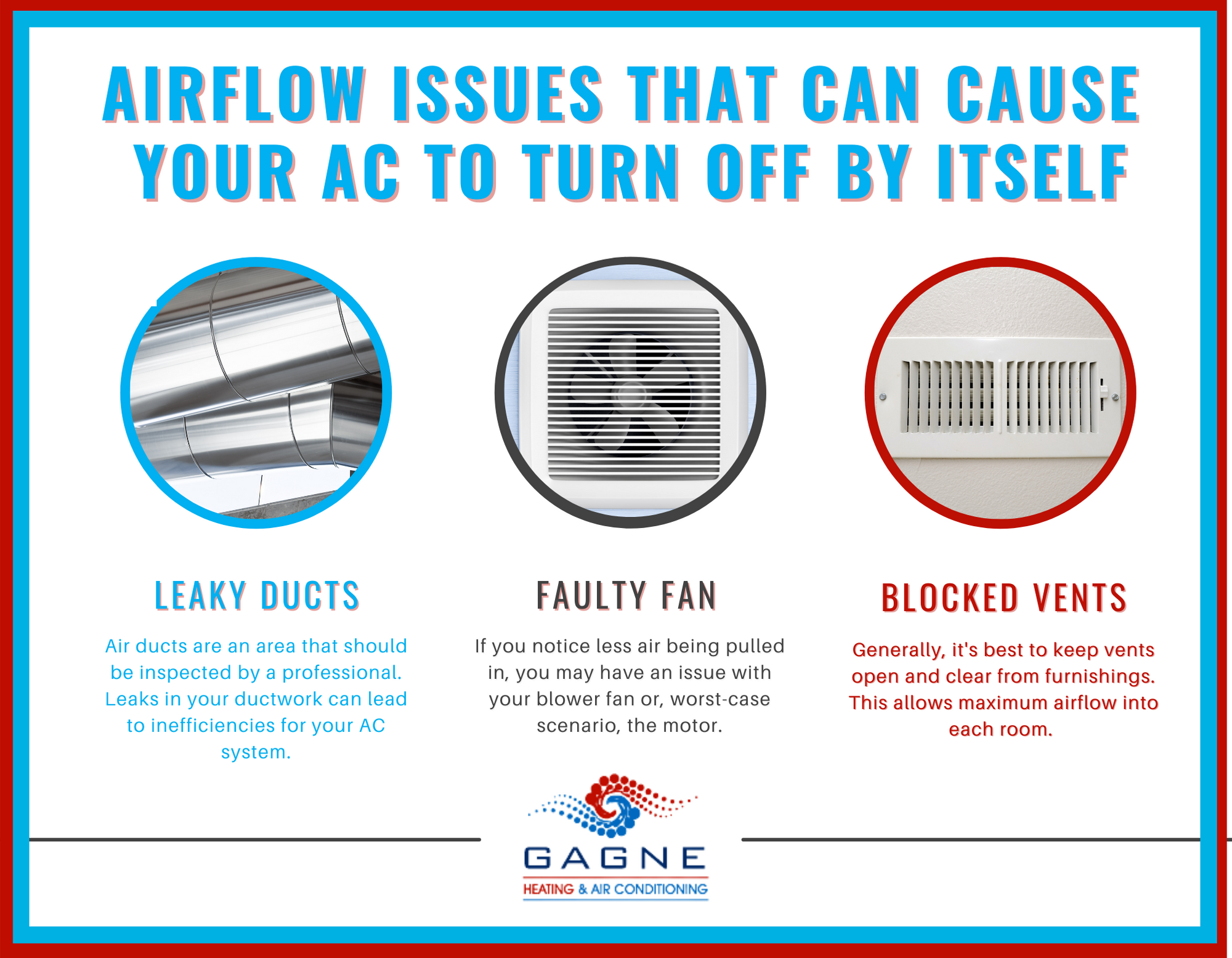
Image Source: gagneac.com
The Mystery of the Shutting AC: Unpacking the Causes
When your cooling system stopping without warning, it’s a clear indication that something isn’t right. Whether it’s the compressor shutting off or the entire system going silent, diagnosing the problem is the first step to getting cool air back.
1. Electrical Issues: The Silent Saboteur
Electrical problems are a frequent reason your AC might be shutting down. These can range from simple tripped breakers to more complex wiring issues.
Tripped Circuit Breakers or Blown Fuses
Your AC unit draws a significant amount of power. If there’s a power surge or if the unit tries to draw more power than the circuit can handle, the circuit breaker will trip or a fuse will blow. This is a safety mechanism to prevent damage.
- How it happens: Overuse of the circuit, short circuits within the AC unit, or problems with the electrical supply can trigger this.
- What to check: Go to your electrical panel. Look for a breaker that is in the “off” position or is halfway between “on” and “off.” Flip it completely to “off” and then back to “on.” If it trips again immediately, do not keep resetting it. This indicates a more serious problem. Similarly, if you have fuses, check if one has blown.
- When to call a professional: If the breaker keeps tripping, it suggests an underlying electrical fault that needs to be diagnosed and repaired by a qualified electrician or HVAC technician.
Loose Wiring or Corroded Connections
Over time, wires within your AC unit can become loose due to vibrations from the unit’s operation. Corroded connections can also impede the flow of electricity.
- Signs of trouble: You might notice flickering lights in your home when the AC cycles on, or the unit might seem to struggle to start.
- Safety first: Working with electrical components is dangerous. It’s best to have a professional inspect and tighten or clean any loose or corroded wiring.
Problems with the Capacitor
The capacitor is a vital component that helps start the AC unit’s motor. If it fails, the motor won’t get the necessary electrical “kick” to start, leading to the unit shutting down or not starting at all.
- Symptoms: You might hear a humming noise from the outdoor unit, but the fan doesn’t spin.
- Professional diagnosis: Replacing a capacitor is a job best left to HVAC professionals due to the high voltage involved.
2. Overheating: When Your AC Gets Too Hot
Like any machine, your air conditioner can overheat. When its internal components get too hot, safety mechanisms will shut the unit down to prevent damage.
Dirty Air Filter: The Breath Blocker
This is perhaps the most common and easily fixable reason for an AC unit shutting off. A clogged air filter restricts airflow to the system.
- How it impacts your AC: When airflow is restricted, the evaporator coil (the cold part inside) can freeze over. This ice buildup further blocks air, causing the unit to overheat or even shut down to protect itself.
- What to do: Check your air filter. If it looks dirty or clogged, replace it. It’s recommended to check and replace your air filter every 1-3 months, depending on usage and household factors (pets, allergies, etc.).
- Signs of a frozen coil: You might notice reduced cooling, strange noises, or ice on the refrigerant lines.
Dirty Condenser Coils: The Heat Exchange Hindrance
The condenser coils are located in the outdoor unit. Their job is to release the heat from your home into the outside air. If these coils are covered in dirt, dust, and debris, they can’t efficiently release heat.
- Consequences: This causes the system to overheat, leading to the compressor shutting off.
- Maintenance: The outdoor unit should be kept clear of debris. You can gently hose down the coils to clean them, but be careful not to bend the delicate fins. For a thorough cleaning, a professional is recommended.
Blocked Airflow Around the Outdoor Unit
Just as a dirty filter blocks indoor airflow, obstructions around your outdoor unit can prevent proper heat dissipation.
- Common issues: Overgrown bushes, lawn clippings, leaves, or anything else blocking the vents of the outdoor unit can cause it to overheat.
- Actionable steps: Ensure there’s at least a couple of feet of clear space around your outdoor condenser unit. Keep the area clean and free of debris.
Low Refrigerant Levels: The Cooling Capacity Crunch
Refrigerant is the lifeblood of your AC system, absorbing heat from your home and releasing it outside. If your refrigerant level is low, it can cause the evaporator coil to freeze, leading to overheating and the compressor shutting off.
- Why it gets low: Low refrigerant is almost always due to a leak in the system.
- Signs of a leak: Hissing sounds from the unit, reduced cooling performance, and ice buildup on the refrigerant lines.
- Professional intervention: Refrigerant is a regulated substance. Only certified HVAC technicians can legally and safely add refrigerant and repair leaks.
3. Thermostat Troubles: The Brain of the Operation
Your thermostat tells your AC when to turn on and off. If it’s malfunctioning, it can send incorrect signals, causing the unit to shut down prematurely.
Incorrect Settings
It sounds simple, but sometimes the thermostat is simply set incorrectly.
- What to check: Ensure the thermostat is set to “Cool” mode and the desired temperature is set lower than the current room temperature. Also, check if the fan is set to “Auto” (which only runs the fan when the AC is cooling) or “On” (which runs the fan continuously).
- Smart thermostat quirks: Some smart thermostats have energy-saving features or schedules that might cause unexpected shutdowns. Review your thermostat’s programming.
Faulty Thermostat
The thermostat itself could be faulty.
- Dead batteries: If you have a battery-powered thermostat, dead batteries are a common cause of intermittent AC operation. Replace the batteries.
- Calibration issues: The thermostat may not be accurately reading the room temperature.
- Wiring problems: Loose or faulty wiring between the thermostat and the AC unit can interrupt the signal.
- Professional replacement: If you suspect your thermostat is the problem, a technician can test and replace it.
4. Drainage System Blockages: Water Woes
Your AC unit removes moisture from the air, creating condensation. This water typically drains away through a condensate drain line. If this line gets clogged, water can back up.
- Safety switch activation: Most AC units have a safety float switch that will shut off the system if the condensate drain pan fills with water. This prevents water damage to your home.
- Causes of clogs: Algae, mold, dirt, and debris can accumulate in the drain line.
- What you can do: You can often clear minor clogs yourself by using a wet/dry vacuum on the outdoor drain pipe or by pouring a mixture of vinegar and water down the line (check your owner’s manual for specific instructions).
- When to call a pro: Persistent clogs or a malfunctioning float switch require professional attention.
5. Overworked or Overloaded System: Pushing the Limits
Sometimes, an AC unit shuts off because it’s simply working too hard or has been overloaded.
Undersized AC Unit
If your AC unit is too small for the square footage of your home, it will run constantly in an effort to cool the space. This can lead to overheating and premature shutdowns.
- Diagnosis: This is a more complex issue that typically requires a professional to assess your home’s cooling load and the capacity of your current unit.
Extreme Outdoor Temperatures
On extremely hot days, your AC may struggle to keep up. If the outdoor temperature is significantly higher than the set indoor temperature, the unit might overheat and shut down as a protective measure.
- What to do: Try setting your thermostat a few degrees higher than usual on exceptionally hot days to reduce the strain on your system. Ensure the outdoor unit is clean and has good airflow.
6. Compressor Issues: The Heart of the AC
The compressor is a critical component that circulates refrigerant. If the compressor shuts off unexpectedly, it can be due to several reasons.
Overheating Compressor
The compressor itself can overheat due to low refrigerant, dirty coils, or electrical problems.
- Protective shutdown: Many compressors have internal thermal overload protectors that shut them down when they get too hot. Once they cool down, they might restart, leading to intermittent AC operation.
Starting Capacitor Failure
As mentioned earlier, a faulty starting capacitor can prevent the compressor motor from starting, causing it to shut off.
Compressor Overload Relay
This is another safety device. If the compressor tries to draw too much power or experiences too much resistance, the overload relay will trip, shutting it down.
- Common triggers: Issues with the compressor’s motor, a failing start/run capacitor, or voltage irregularities can cause the overload relay to activate.
7. Dirty Evaporator Coils: The Indoor Chill Factor
The evaporator coils are located inside your home, usually within the air handler or furnace. They are responsible for absorbing heat from the indoor air.
- Impact of dirt: If these coils are covered in dust and grime, they can’t effectively absorb heat. This leads to the system working harder, potentially overheating, and the compressor shutting off.
- When to clean: Evaporator coils should be inspected and cleaned regularly as part of routine HVAC maintenance.
8. Refrigerant Line Freezing: The Icy Obstruction
A frozen refrigerant line is often a symptom of another problem, such as a dirty air filter or low refrigerant. The ice buildup can disrupt the flow of refrigerant and cause the system to shut down.
- Thawing process: If you notice frozen lines, turn off the AC and turn the fan to “On” to help the ice melt. Do not run the AC while the lines are frozen.
- Finding the root cause: Once thawed, identify the underlying issue (e.g., replace the air filter, call a technician for refrigerant issues).
Troubleshooting Steps: What Can You Do?
Before calling a technician, there are a few things you can check yourself.
Simple Checks You Can Perform
- Check the thermostat: Ensure it’s set correctly and the batteries are fresh.
- Inspect the air filter: Replace if dirty.
- Look for tripped breakers: Reset if necessary, but be cautious if it trips again.
- Clear debris around the outdoor unit: Ensure good airflow.
- Check the condensate drain line: Look for blockages.
When to Call a Professional
- If the circuit breaker keeps tripping.
- If you suspect a refrigerant leak (hissing sounds, reduced cooling).
- If you hear unusual noises (grinding, loud humming).
- If you see ice on refrigerant lines or coils after addressing airflow issues.
- If you’ve tried simple fixes and the problem persists.
- For any work involving electrical components or refrigerant.
Regular Maintenance: The Key to Preventing Shutdowns
The best way to avoid your AC constantly shutting off is through regular maintenance.
Annual Inspections
Have a qualified HVAC technician inspect your system annually. They can:
- Clean coils (indoor and outdoor).
- Check refrigerant levels.
- Inspect electrical connections.
- Lubricate moving parts.
- Check the thermostat’s accuracy.
- Inspect the condensate drain system.
DIY Maintenance Tips
- Change air filters regularly.
- Keep the area around the outdoor unit clean.
- Listen for unusual sounds from your system.
- Monitor your energy bills: A sudden spike can indicate an inefficiently running AC.
Common Questions About AC Shutdowns
Q1: Why does my AC turn on for a few minutes and then shut off?
This is often referred to as short cycling. Common causes include a dirty air filter, a dirty evaporator coil, a malfunctioning capacitor, a refrigerant leak, or an oversized AC unit. The unit might be overheating or sensing an abnormal pressure.
Q2: Can I fix a compressor shutting off by myself?
Generally, no. Compressor issues often involve electrical components or refrigerant, which are best handled by a trained HVAC professional for safety and to prevent further damage.
Q3: My AC keeps turning off and on. Is it my thermostat?
It could be. Check the thermostat’s settings and batteries. If those are fine, the thermostat itself might be faulty or have connection issues, requiring a technician to diagnose.
Q4: What should I do if my AC unit is frozen?
Turn off the cooling mode and set the fan to “On.” This will help the ice melt. Once thawed, check and replace the air filter. If the problem persists, you likely have a low refrigerant issue or another airflow problem that needs professional attention.
Q5: Is it safe to run my AC if it’s short cycling?
Running an AC that is short cycling is generally not recommended. It can cause excessive wear and tear on the components, particularly the compressor, and may lead to more significant and expensive repairs. It’s best to identify and fix the cause of the short cycling.
By understanding these common reasons why your AC unit might be shutting off, you can be better equipped to troubleshoot the issue and ensure your home stays cool and comfortable. Regular maintenance and prompt attention to any unusual behavior from your cooling system will help prevent breakdowns and keep your HVAC system running efficiently.

My name is Carlos Gadd, and I am the creator of AirPurityGuide.com.. With a passion for footwear, I share my experiences, insights, and expertise about shoes. Through my blog, I aim to guide readers in making informed decisions, finding the perfect pair, and enhancing their footwear knowledge. Join me on this journey to explore everything about shoes!