
Can I stop condensation from my AC vents? Yes, you can effectively stop condensation from your air conditioner vents by addressing the underlying causes, which often relate to temperature differences, humidity levels, and airflow issues within your HVAC system.
Condensation on AC vents, often referred to as “AC vent sweating,” is a common and frustrating problem for many homeowners. This persistent moisture can not only be unsightly but also lead to more serious issues like mold growth, water damage, and reduced indoor air quality. Fathoming why this happens is the first step to fixing it.
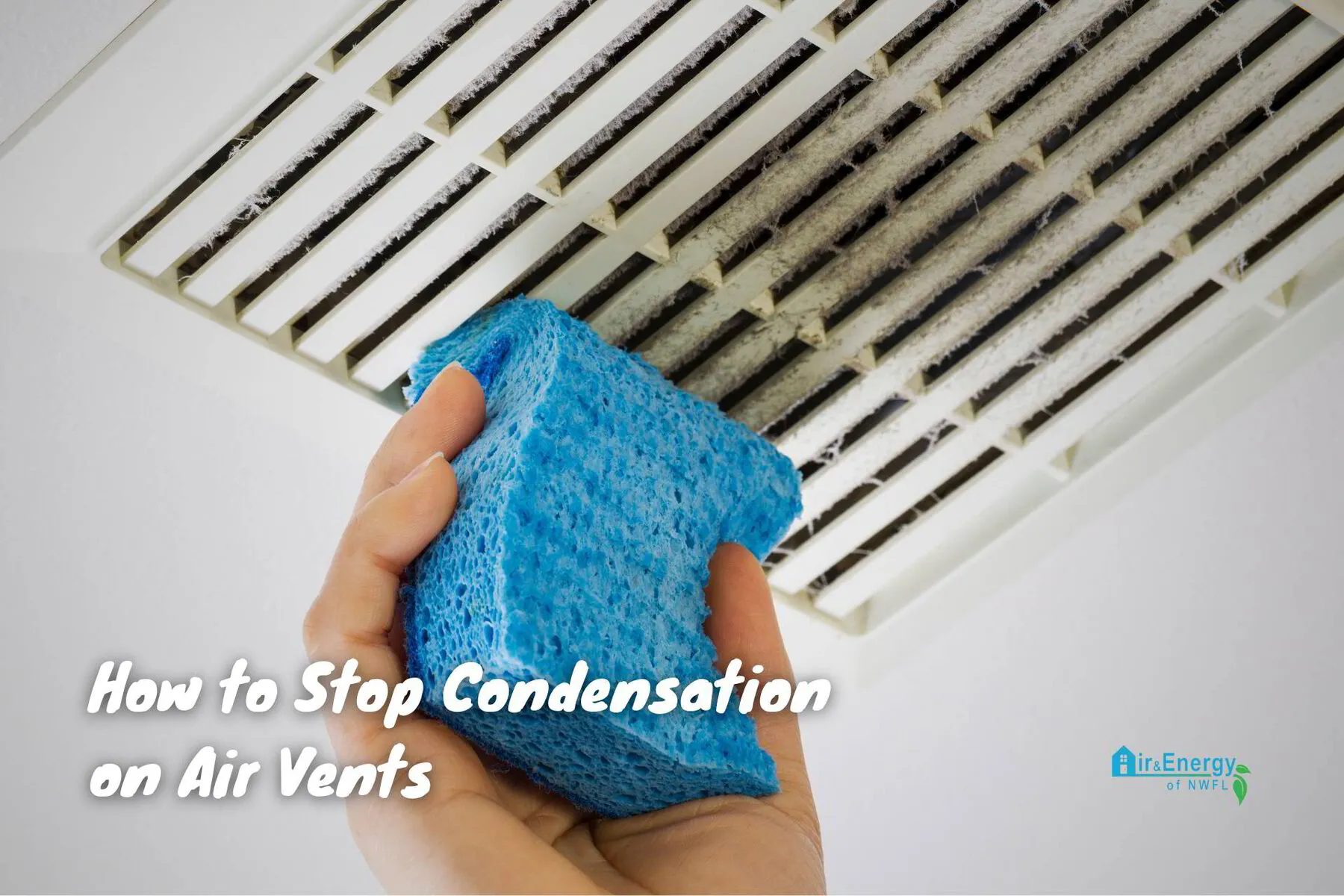
Image Source: content.app-sources.com
Why Does Condensation Form on AC Vents?
The core reason for condensation is simple: warm, moist air comes into contact with a cold surface. Your air conditioner’s job is to cool the air circulating through your home. When this cold air travels through the ductwork and out of the vents, it can cause the metal or plastic of the vent itself to become significantly colder than the surrounding air.
If the air in your home is humid, the water vapor in that air will condense onto the cold vent surface, just like dew forming on a cold glass of water on a summer day.
Several factors contribute to this phenomenon:
- High Indoor Humidity: The more moisture in your home’s air, the more readily condensation will form.
- Poorly Insulated Ductwork: If the ducts carrying the cold air are not properly insulated, they can lose their chill to the surrounding warmer air, making the vent surfaces colder.
- Temperature Differences: A significant difference between the cooled air from your AC and the ambient room temperature will increase the likelihood of condensation.
- Air Leaks: Unsealed gaps and cracks in your ductwork or around your vents can allow warm, humid air to infiltrate and meet the cold air.
- Improper AC Sizing or Operation: An oversized AC unit might cool the air too quickly without adequately dehumidifying it, leading to excessive condensation.
Deciphering the Causes: A Deeper Dive
Let’s explore these causes in more detail to better grasp the solutions.
High Indoor Humidity
Indoor humidity levels are a primary driver of AC vent condensation. When your AC system runs, it naturally dehumidifies the air. However, if the humidity is exceptionally high, or if the AC unit isn’t operating efficiently, it may not remove enough moisture.
Sources of Indoor Humidity:
- Everyday Activities: Cooking, showering, doing laundry, and even breathing release moisture into the air.
- Poor Ventilation: Inadequate ventilation in kitchens and bathrooms can trap moisture.
- Basements and Crawl Spaces: These areas can be naturally damp, and if not properly managed, can contribute to overall home humidity.
- Plant Life: Numerous houseplants can increase indoor humidity.
- Leaky Plumbing or Foundation: Water intrusion into your home can significantly raise humidity levels.
Poorly Insulated Ductwork and Vents
Ductwork, especially if it runs through unconditioned spaces like attics or crawl spaces, needs to be well-insulated. Insulation acts as a barrier, preventing the cold air inside the ducts from coming into direct contact with the warmer, more humid air outside the ducts.
- Attic Moisture Management: Attics are notorious for being hot and humid in the summer. If your ductwork passes through an uninsulated attic, the temperature difference between the cold supply air and the hot attic air can be extreme. This is a prime culprit for condensation. Without proper attic moisture management, this issue will persist.
- Crawl Space Issues: Similar to attics, unconditioned crawl spaces can also lead to cold ductwork.
- Vent Insulation: Even the vents themselves can benefit from insulation for AC vents. This is particularly true for vents located in less conditioned areas of your home.
Temperature Differences and AC Performance
The efficiency and performance of your AC unit play a crucial role.
- Refrigerant Charge: An AC system with a low refrigerant charge might blow colder air than usual, but it will do so less efficiently and with reduced dehumidification. This can exacerbate condensation problems.
- Dirty Coils: Dirty evaporator coils within your AC unit impede its ability to absorb heat and moisture from the air. This leads to less effective cooling and dehumidification.
- Airflow Restrictions: Anything that restricts proper AC airflow – like clogged air filters or blocked vents – can cause the evaporator coil to freeze or operate inefficiently, leading to both cooling and dehumidification problems.
Air Leaks
The integrity of your ductwork and the sealing around your vents are critical.
- Duct Sealing: Holes, tears, or poorly sealed joints in your ductwork allow conditioned (cold) air to escape into unconditioned spaces, and unconditioned (warm, humid) air to infiltrate the duct system. This infiltration can directly lead to condensation forming on the cooler interior surfaces. Sealing air leaks is a fundamental step in HVAC moisture control.
- Vent Sealing: Gaps between the vent register and the drywall or ceiling can allow humid room air to seep into the duct boot behind the vent, leading to condensation.
Solutions for AC Vent Condensation
Now that we’ve delved into the causes, let’s explore effective solutions to stop condensation from your air conditioner vents. These solutions are designed to address the root causes of the problem, offering lasting AC vent sweating solutions.
1. Control Indoor Humidity
This is a paramount step in dehumidifying AC system performance and preventing condensation.
- Use Exhaust Fans: Always use exhaust fans in bathrooms during and after showers and in the kitchen while cooking. Ensure these fans vent outdoors, not into the attic.
- Vent Appliances: Make sure clothes dryers and other moisture-producing appliances are properly vented to the outside.
- Check for Water Leaks: Inspect your plumbing, roofing, and foundation for any signs of water intrusion or leaks and address them promptly.
- Consider a Whole-House Dehumidifier: For persistent high humidity, a whole-house dehumidifier integrated with your HVAC system can provide continuous HVAC moisture control.
- Portable Dehumidifiers: In specific rooms or areas with high humidity, portable dehumidifiers can be a temporary or localized solution.
- Increase Ventilation (When Appropriate): In milder weather, opening windows can help exchange humid indoor air for drier outdoor air, but be cautious not to introduce more humidity if outdoor air is more humid than indoor air.
2. Improve Ductwork Insulation and Sealing
This directly tackles issues related to temperature differences and infiltration.
- Inspect and Seal Ductwork: Carefully inspect all accessible ductwork for leaks, tears, or poorly sealed joints. Use mastic sealant or metal-backed tape specifically designed for HVAC systems. This is a crucial aspect of ductwork condensation solutions.
- Add Duct Insulation: If your ductwork runs through unconditioned spaces like attics or crawl spaces, ensure it is adequately insulated. You can use duct wrap insulation or rigid duct insulation. Pay special attention to areas where ducts enter conditioned spaces.
- Seal Vent Boots: Apply caulk or spray foam insulation around the gap between the vent boot (the box that attaches to the ductwork behind the drywall) and the ceiling or wall. This prevents humid air from entering the space behind the vent.
3. Ensure Proper AC System Maintenance and Operation
A well-maintained AC unit is key to both comfort and preventing moisture issues.
- Regular Filter Changes: Clogged air filters restrict airflow, leading to inefficient operation and potential freezing of the evaporator coil. Change your air filters regularly, typically every 1-3 months, depending on the filter type and household conditions. This is fundamental for proper AC airflow.
- Professional AC Tune-Ups: Schedule annual professional maintenance for your HVAC system. A technician will clean the coils, check refrigerant levels, inspect the blower, and ensure the system is operating efficiently, which aids in dehumidifying AC system performance.
- Correct AC Sizing: If your AC unit is significantly oversized for your home, it may cool the air too rapidly without running long enough to effectively dehumidify. Consult with an HVAC professional to ensure your system is appropriately sized.
- Thermostat Settings: Avoid setting your thermostat to excessively low temperatures, as this can lead to colder ductwork and vents, increasing the risk of condensation.
4. Address Air Leaks in Your Home Envelope
While not directly related to the AC system itself, air leaks in your home’s structure can introduce humid air that exacerbates condensation issues.
- Caulking and Weatherstripping: Seal gaps and cracks around windows, doors, and electrical outlets.
- Attic Air Sealing: Ensure your attic is properly air-sealed, particularly around light fixtures, plumbing vents, and the attic hatch. This is a significant part of attic moisture management.
5. Explore Vent-Specific Solutions
Sometimes, targeted solutions for the vents themselves can provide relief.
- Vent Insulation: As mentioned earlier, adding insulation for AC vents can create a thermal barrier. This can be done with specialized vent insulation kits or by wrapping the vent boot with insulation.
- Vent Covers or Boots: In some cases, replacing old or uninsulated vent boots can help. Insulated vent boots are available that offer better thermal performance.
- Paint or Coatings: Some specialty paints or coatings can be applied to vents to create a thermal barrier and prevent condensation. However, this is often a less effective solution than addressing the root causes.
When to Call a Professional
While many of these solutions can be tackled by a diligent homeowner, certain situations warrant professional intervention.
- Persistent or Severe Condensation: If condensation is heavy, widespread, or continues to occur despite your best efforts, it’s time to call in the experts.
- Suspected Refrigerant Leaks or System Malfunctions: Issues with the AC unit itself, such as low refrigerant levels or malfunctioning components, require a certified HVAC technician.
- Major Ductwork Issues: Significant damage or extensive leaks in ductwork might require professional repair or replacement.
- Comprehensive Home Energy Audits: For a thorough assessment of your home’s insulation, air sealing, and HVAC system efficiency, consider hiring a professional home energy auditor.
Table of Common Condensation Causes and Solutions
| Cause | Description | Primary Solutions |
|---|---|---|
| High Indoor Humidity | Excessive moisture in the air that condenses on cold surfaces. | Use exhaust fans, vent appliances, fix water leaks, use dehumidifiers, improve home ventilation. |
| Poor Ductwork Insulation | Cold supply air ducts lose temperature to warmer surrounding environments (attics, crawl spaces). | Insulate ductwork, seal duct leaks, use insulated vent boots. |
| Poor Ductwork Sealing | Holes or gaps in ducts allow humid air to enter the system or cold air to escape. | Seal all duct seams and connections with mastic or metal-backed tape. |
| Inefficient AC Operation | The AC system isn’t cooling or dehumidifying effectively (e.g., low refrigerant, dirty coils). | Regular AC maintenance, clean/replace air filters, check refrigerant levels, ensure proper AC sizing. |
| Air Leaks in Home Envelope | Humid outdoor air infiltrates the home, raising indoor humidity. | Caulk and weatherstrip around windows and doors, seal attic penetrations, improve general home air sealing. |
| Excessive Temperature Difference | Large disparity between cooled air temp and ambient room temp. | Ensure proper AC sizing, avoid excessively low thermostat settings, maintain AC efficiency. |
| Blocked Airflow | Restricted air movement reduces cooling and dehumidification efficiency. | Clean or replace air filters regularly, ensure vents are not blocked by furniture, check for obstructions in ductwork. |
Preventing Vent Drips: A Proactive Approach
Preventing vent drips is not just about fixing an annoyance; it’s about protecting your home. Water damage can lead to:
- Mold and Mildew Growth: Condensation creates a damp environment perfect for mold and mildew to thrive behind walls, in ceilings, and within ductwork. This can significantly impact indoor air quality and cause respiratory problems. This is a direct link to air conditioner mold prevention.
- Structural Damage: Persistent moisture can rot wood, damage drywall, and compromise the structural integrity of your home.
- Stains and Discoloration: Water marks on ceilings and walls are unsightly and difficult to remove.
- Pest Infestations: Damp areas can attract pests like insects and rodents.
Therefore, taking proactive steps to address condensation is an investment in your home’s health and longevity.
Conclusion: A Comfortable and Healthy Home
Condensation on AC vents can be a persistent nuisance, but by systematically identifying and addressing the underlying causes, you can effectively eliminate it. Focusing on HVAC moisture control, ensuring proper AC airflow, and maintaining your system are key. Whether it’s improving insulation for AC vents, sealing air leaks, or implementing attic moisture management, a comprehensive approach will lead to a more comfortable, healthier, and damage-free home. Don’t let vent condensation drip another day – take action to enjoy the full benefits of your air conditioning system.
Frequently Asked Questions (FAQ)
Q1: Is condensation on my AC vents a serious problem?
A1: Yes, while it may seem like a minor annoyance, persistent condensation can lead to serious issues like mold growth, water damage to your home’s structure, and reduced indoor air quality. Addressing it promptly is important for air conditioner mold prevention.
Q2: Can I fix AC vent condensation myself?
A2: Many common causes of AC vent condensation, such as high indoor humidity or minor air leaks, can be addressed with DIY solutions. However, if you suspect issues with your AC unit’s performance or extensive ductwork problems, it’s best to consult a qualified HVAC professional.
Q3: How often should I change my AC filter to prevent condensation?
A3: It’s generally recommended to change your AC filter every 1 to 3 months. A clogged filter restricts airflow, which can lead to inefficient cooling and dehumidification, potentially causing condensation. Regular filter changes are crucial for proper AC airflow.
Q4: What is the ideal indoor humidity level?
A4: The ideal indoor humidity level for comfort and health is typically between 30% and 50%. If your home consistently exceeds this range, you may experience condensation issues and should consider HVAC moisture control measures.
Q5: Should I insulate my AC vents?
A5: Yes, insulating your AC vents, especially if they are located in unconditioned spaces like attics or crawl spaces, is a highly effective way to prevent condensation by reducing temperature differences and preventing heat exchange. This is a key part of insulation for AC vents.
Q6: My AC system is new, why do I still have condensation?
A6: Even new systems can develop condensation issues if indoor humidity is very high, if the system is improperly sized for your home, or if there are air leaks in the ductwork or home envelope that are introducing humid air. Professional inspection can help diagnose the specific cause.
Q7: How does attic moisture management help with AC condensation?
A7: If your ductwork runs through an attic, especially a hot and humid one, inadequate attic moisture management can cause the cold ducts to sweat. Insulating and properly sealing ducts in the attic, along with ensuring the attic itself is well-ventilated and sealed, significantly reduces condensation risks.
Q8: What are some signs that my AC needs professional service for condensation issues?
A8: Signs include persistently cold or sweating vents, ice buildup on the AC unit, strange noises, reduced cooling, or the presence of mold or water stains around vents. These indicate potential problems with the AC’s cooling or dehumidifying capabilities and may require dehumidifying AC system adjustments.

My name is Carlos Gadd, and I am the creator of AirPurityGuide.com.. With a passion for footwear, I share my experiences, insights, and expertise about shoes. Through my blog, I aim to guide readers in making informed decisions, finding the perfect pair, and enhancing their footwear knowledge. Join me on this journey to explore everything about shoes!