
Ever stepped into a home on a warm day and been greeted by a subtle, pleasant scent? Chances are, your air conditioner (AC) played a role in delivering that delightful aroma. But why do some air conditioners smell good? The good news is that the pleasant AC scent you notice is often a sign of a well-maintained system or the intentional addition of air conditioner fragrance.
Many people wonder if their AC unit can actually produce a good smell. Yes, it can! While a malfunctioning AC might produce unpleasant odors, a properly functioning and maintained unit can contribute to a fresh and inviting atmosphere in your home. This article will delve into the reasons behind these pleasant aromas, explore how they are created, and offer tips for enhancing your home’s scent experience through your HVAC system. We’ll also touch upon how to ensure your AC provides freshness from AC and contributes to overall home air quality improvement.
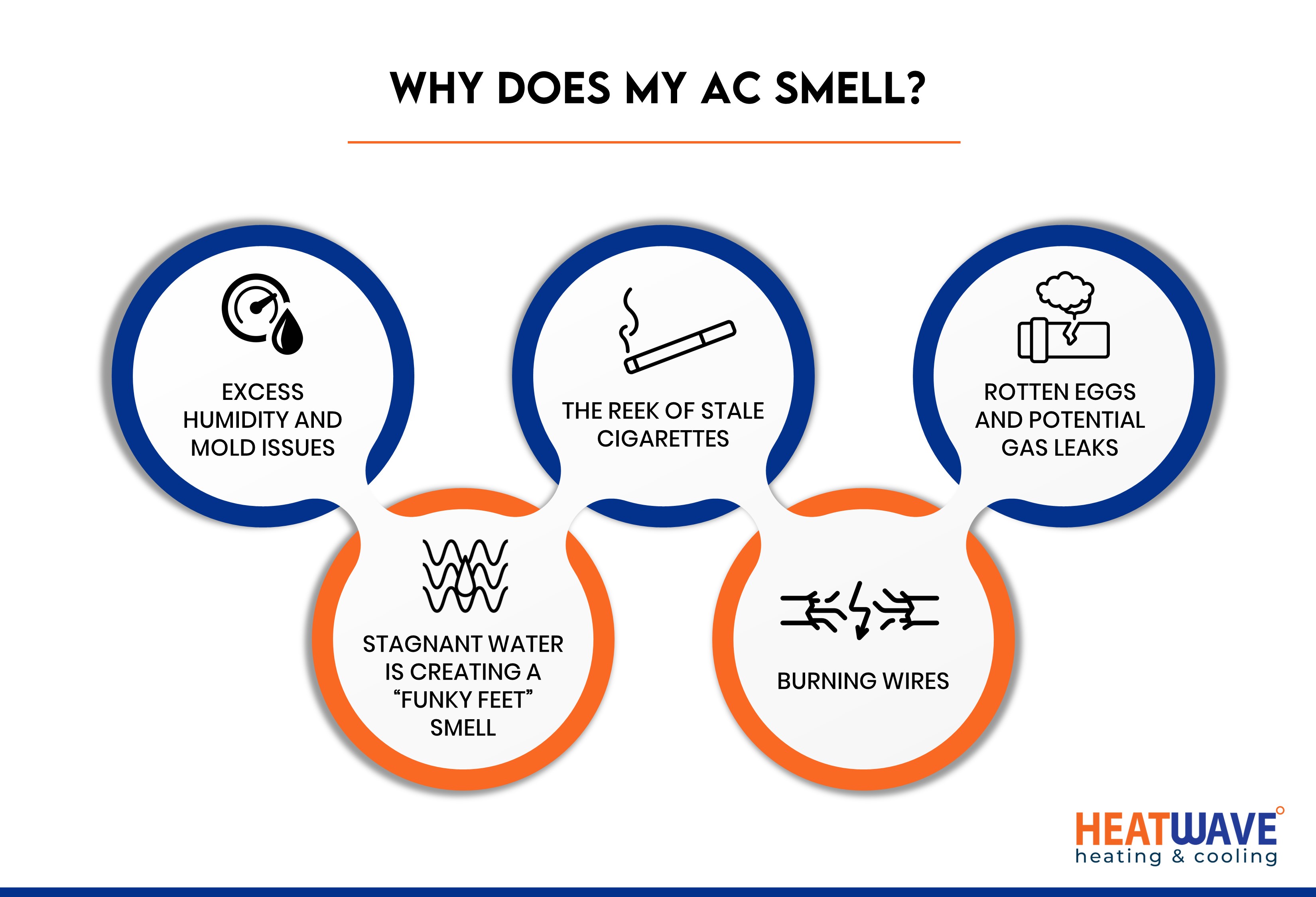
Image Source: heatwaveheatingandcooling.com
The Science Behind the Scent: How ACs Release Fragrance
The scent you associate with your air conditioner isn’t typically the machine itself emitting a natural perfume. Instead, it’s usually a result of specific components, maintenance practices, or deliberate additions designed to infuse your air with pleasant aromas.
The Role of Air Filters
Air filters are the first line of defense against dust, pollen, and other airborne particles. However, they can also be carriers of fragrance.
- Activated Carbon Filters: These filters are excellent at absorbing odors. While their primary function is purification, they can also trap and release subtle scents if exposed to them. If you’ve recently used an air freshener near your intake vent, the carbon filter might temporarily hold onto that scent.
- Scented Filters: Many manufacturers now offer specialized air filters infused with fragrances like lavender, eucalyptus, or citrus. When air passes through these filters, it picks up the scent, distributing it throughout your home. This is a direct way to achieve an airflow scent enhancement.
Evaporative Coolers and Their Aromas
While central AC systems rely on refrigerants, evaporative coolers, also known as swamp coolers, use water to cool the air. This process can sometimes lead to unique aromatic experiences.
- Water Purity: The scent from an evaporative cooler is often linked to the purity of the water used and the materials of the cooling pads. Clean water and well-maintained pads can contribute to a neutral or even slightly fresh scent as the water evaporates.
- Natural Aromas: In some cases, if the evaporative cooler is placed near plants or if natural elements are part of the design, the evaporating water can pick up subtle botanical scents, creating an evaporative cooler aroma that feels naturally refreshing.
The Impact of Cleaning and Maintenance
Regular maintenance is crucial for both the performance and the scent of your AC.
- Removing Odor Sources: A clean AC system means no trapped dust, mold, or mildew. These can all cause unpleasant smells. Professional cleaning ensures these odor-causing agents are removed, allowing for a truly mildew-free AC smell.
- Deodorizing Components: Technicians sometimes use specialized cleaning solutions that not only sanitize but also leave a fresh scent. These are essentially a residential AC deodorizer treatment. When the system runs, it circulates this pleasant fragrance, contributing to a clean AC airflow.
Intentional Fragrance Integration: Beyond Natural Scents
Many homeowners actively seek to integrate pleasant scents into their homes through their HVAC systems. This is where the concept of an HVAC scent booster comes into play.
Scent Diffusers for HVAC Systems
These are devices that are either installed directly into the HVAC system or placed near the air intake. They work by releasing a consistent, controlled amount of fragrance.
- How They Work: Typically, these diffusers use a small fan or the natural airflow of the AC to disperse a scented oil or solid fragrance. The intensity can often be adjusted.
- Types of Diffusers:
- In-duct diffusers: These are installed within the ductwork and are designed for whole-home scenting.
- Vent clip diffusers: These attach directly to the air vents and release scent as air passes over them.
- Plug-in diffusers: While not directly part of the AC, placing these near an air intake can allow the AC to circulate the scent.
Fragrance Oils and Pods
The core of most HVAC scent boosters is the fragrance medium itself.
- Essential Oils: Many systems use natural essential oils like lemon, peppermint, or lavender. These are not only pleasant but can also offer aromatherapy benefits.
- Fragrance Pods/Cartridges: These are pre-filled with scented materials and are designed for easy replacement. They offer a convenient way to change scents seasonally or based on preference.
DIY Scenting Methods
For those who prefer a more hands-on approach, there are several DIY methods to achieve a pleasant AC scent.
- Scented Cotton Balls: Place a few cotton balls soaked in your favorite essential oil (e.g., eucalyptus for a clean scent, or vanilla for warmth) into a small mesh bag. Tuck this bag near your AC’s air intake or on a shelf inside the return air grille (ensure it doesn’t obstruct airflow).
- Fabric Softener Sheets: While not ideal for long-term use as they can degrade and become brittle, a single fabric softener sheet placed near the intake can temporarily impart a subtle fragrance as air passes over it. Be cautious not to place it directly in the airflow where it could be pulled into the system.
- Baking Soda and Essential Oils: Mix baking soda with a few drops of essential oil in a breathable container (like a small sachet bag or a jar with holes punched in the lid). Place this near the air intake. Baking soda helps absorb odors, while the essential oil provides a pleasant aroma.
Table 1: Common Fragrances and Their Associated Moods
| Fragrance | Mood Association | Potential Benefits | Notes |
|---|---|---|---|
| Lavender | Relaxing, Calming | Stress reduction, Sleep aid | Very popular for bedrooms |
| Citrus (Lemon, Orange) | Uplifting, Energizing | Mood improvement, Focus | Great for living areas and offices |
| Peppermint | Invigorating, Refreshing | Improved alertness, Clarity | Good for spaces where concentration is key |
| Eucalyptus | Cleansing, Invigorating | Respiratory support | Often used for a “clean” scent profile |
| Vanilla | Comforting, Cozy | Relaxation, Warmth | Ideal for creating a welcoming atmosphere |
| Pine/Fir | Fresh, Natural, Grounding | Connection to nature | Popular during holiday seasons or for a cabin feel |
Maintaining a Pleasant AC Scent: Best Practices
Achieving and maintaining a pleasant AC scent requires a combination of regular maintenance and mindful practices.
Regular Professional Servicing
This is the most critical step for ensuring both system health and good smells.
- What Servicing Includes: A professional tune-up typically involves cleaning the coils, checking refrigerant levels, inspecting the fan, and cleaning out the drain pan.
- Preventing Bad Odors: Dirty coils can harbor mold and mildew, leading to musty smells. A clogged drain pan can cause water to back up, creating a stagnant, unpleasant odor. Regular cleaning prevents these issues, ensuring a mildew-free AC smell.
DIY Maintenance for Scent
While professional servicing is key, there are things you can do at home.
Changing Air Filters Regularly: This is the easiest and most impactful DIY task. Dirty filters not only reduce air quality but can also trap odors and even start to smell themselves.
- Frequency: Depending on the filter type and your home environment (pets, allergies), filters should be changed every 1-3 months.
- Filter Types: Consider upgrading to filters with activated carbon or those specifically designed for odor reduction.
Cleaning the Exterior and Intake:
- Keep the area around your outdoor unit clear of debris like leaves and grass clippings, which can decompose and create odors.
- Vacuum or wipe down return air grilles regularly to prevent dust buildup.
Using Scent Boosters Wisely
If you choose to use an HVAC scent booster or DIY methods, do so with caution.
- Moderation is Key: Too much fragrance can be overwhelming and may even cause headaches or allergic reactions in some individuals. Start with a low setting or a minimal amount of scent material.
- Choose Quality Scents: Opt for high-quality essential oils or fragrance oils from reputable brands. Avoid products with harsh chemicals that might degrade AC components or release harmful VOCs (Volatile Organic Compounds).
- Monitor for Changes: Pay attention to how your AC performs after introducing a scent. If you notice any unusual noises, reduced airflow, or new smells, discontinue the use of the scent booster immediately and consult a professional.
- Ventilation: Even with pleasant scents, ensure your home has adequate ventilation. The goal is to enhance the air, not to mask poor quality with an overpowering perfume.
When AC Smells Go Wrong: Addressing Unpleasant Odors
While we are focusing on why ACs smell good, it’s important to briefly touch upon what to do if yours smells bad. Recognizing the difference between a deliberate fragrance and an actual problem is crucial for maintaining home air quality improvement.
Common Unpleasant AC Odors
- Musty/Mildew Smell: Often indicates mold or mildew growth in the ductwork, coils, or drain pan. This is a sign that your AC needs professional cleaning to achieve a mildew-free AC smell.
- Rotten Egg Smell: This could indicate a dead animal in the ductwork or a gas leak (if you have a gas furnace integrated with your HVAC). This is an emergency and requires immediate attention.
- Burning Smell: Can be caused by an overheating electrical component or motor. Turn off your AC immediately and call a technician.
- Dirty Sock Syndrome: A peculiar smell resembling dirty socks, often attributed to bacteria or mold growing on the evaporator coils.
Troubleshooting and Professional Help
If you detect any of these unpleasant odors, do not try to mask them with a HVAC scent booster.
- Turn Off the AC: Immediately shut down the system to prevent further circulation of the odor or potential damage.
- Check the Filter: While unlikely to cause a “burning” smell, a very dirty filter can contribute to musty odors. Try replacing it.
- Inspect Air Vents: Look for visible mold or debris around your indoor vents.
- Call a Professional: For most unpleasant smells, especially those that persist, the best course of action is to contact a qualified HVAC technician. They have the tools and expertise to diagnose and fix the root cause, ensuring clean AC airflow.
Enhancing Home Ambiance with AC Scents
A pleasant scent from your air conditioner can significantly enhance the ambiance of your home, making it feel more welcoming and comfortable.
Seasonal Fragrances
Varying scents throughout the year can add a delightful dimension to your living space.
- Spring/Summer: Opt for fresh, light scents like citrus, cucumber, or floral notes like jasmine. These complement the refreshing coolness provided by the AC.
- Autumn/Winter: Consider warmer, cozier scents like cinnamon, apple, vanilla, or pine. These create a sense of warmth and comfort during colder months.
Zoning Scents
If you have a zoned HVAC system, you can customize scents for different areas of your home.
- Living Areas: Use uplifting and welcoming scents like citrus or light florals.
- Bedrooms: Lavender or chamomile are excellent choices for promoting relaxation and sleep.
- Home Office: Peppermint or rosemary can help with focus and productivity.
Aromatherapy Benefits
Beyond just smelling good, certain fragrances can have therapeutic effects.
- Stress Relief: Lavender, bergamot, and chamomile are known for their calming properties.
- Energy Boost: Citrus oils (lemon, orange) and peppermint can help combat fatigue and improve alertness.
- Improved Focus: Rosemary and peppermint are often used to enhance concentration and cognitive function.
By strategically using air conditioner fragrance options, you can transform your HVAC system into a tool for creating a personalized sensory experience that promotes well-being.
The Future of AC Fragrances
The integration of scent technology with HVAC systems is an evolving field. We are likely to see more sophisticated and personalized options in the future.
- Smart Diffusers: Imagine diffusers that can be controlled via smartphone apps, allowing you to schedule scent releases, adjust intensity remotely, or even link them to smart home routines (e.g., a “wake-up” scent that starts a few minutes before your alarm).
- Natural Scent Release: Research into more advanced filtration and diffusion methods that utilize natural plant extracts and bio-based fragrances will likely lead to even healthier and more sustainable scenting options.
- Personalized Scent Profiles: Future systems might allow users to create custom scent blends or even learn user preferences over time to automatically adjust the fragrance.
Frequently Asked Questions (FAQ)
Q1: Can my air conditioner naturally smell good without any additions?
While a clean and well-maintained AC system will primarily smell neutral, the pleasant AC scent is usually achieved through intentional fragrance additions or by trapping subtle scents from the environment, which are then dispersed. It’s rare for an AC unit itself to emit a perfume-like aroma naturally.
Q2: Is it safe to use essential oils in my air conditioner?
When used correctly and in moderation, high-quality, pure essential oils are generally safe. However, it’s crucial to use them with scent diffusers designed for HVAC systems. Avoid pouring oils directly into the unit, as they can damage components or clog filters. Always ensure good ventilation and monitor for any adverse reactions.
Q3: How often should I change my AC filter to maintain good scent?
This depends on the type of filter and your home environment. Generally, paper or pleated filters should be changed every 1-3 months. If you have pets or suffer from allergies, you may need to change them more frequently. Upgrading to filters with activated carbon can also help neutralize odors and enhance scent.
Q4: Can I use air fresheners or candles near my AC intake?
Yes, you can place air fresheners or candles near your AC intake. However, be aware that the AC might pull these scents into the system and disperse them throughout your home. This can be a way to achieve freshness from AC, but it’s important to ensure the scents are pleasant and not overpowering. Avoid placing anything that could fall into the intake.
Q5: What is the difference between a good AC smell and a sign of a problem?
A good AC smell is typically a light, pleasant fragrance, often described as clean, fresh, or subtly floral/citrusy. Unpleasant smells like musty, burning, rotten egg, or dirty sock odors are usually indicators of a problem such as mold, electrical issues, or debris in the system. If you detect an unpleasant smell, turn off the AC and contact a professional.
Q6: Can my AC help improve my home’s air quality beyond scent?
Absolutely. A well-maintained AC system with clean filters significantly contributes to home air quality improvement by removing dust, pollen, pet dander, and other allergens from the air. Some advanced filters can even capture microscopic particles and neutralize odors, leading to a cleaner and healthier indoor environment.
Q7: What is a residential AC deodorizer?
A residential AC deodorizer is a product or service designed to eliminate or mask unpleasant odors within a home’s air conditioning system. This can include special cleaning solutions applied during maintenance or odor-absorbing filters and diffusers.
Q8: How can I ensure a mildew-free AC smell?
To ensure a mildew-free AC smell, regular professional cleaning of your AC unit, including the coils and drain pan, is essential. Keeping your home’s humidity levels in check also helps prevent mold and mildew growth within the system. Promptly addressing any leaks or condensation issues is also crucial.
Q9: What contributes to clean AC airflow?
Clean AC airflow is primarily achieved through regular maintenance, including changing air filters, cleaning coils and fan blades, and ensuring drain lines are clear. A system free of dust, debris, and microbial growth will naturally deliver cleaner, fresher air.
Q10: How does an evaporative cooler aroma differ from a central AC?
An evaporative cooler aroma is often linked to the water used and the natural environment, potentially carrying subtle scents from evaporation. Central AC systems don’t use water in the same way, so their perceived scent is almost always due to added fragrances or the cleanliness of the internal components.
Conclusion
The pleasant aroma emanating from your air conditioner is often a carefully curated experience, blending the benefits of modern HVAC technology with thoughtful scent integration. Whether it’s the subtle infusion from a scented filter, the deliberate use of an HVAC scent booster, or the natural freshness captured by an evaporative cooler aroma, the goal is often to enhance your living space. By prioritizing regular maintenance for a mildew-free AC smell and clean AC airflow, and by thoughtfully selecting fragrances, you can transform your AC system into a powerful tool for home air quality improvement and creating an inviting, fresh atmosphere. Enjoy the delightful scents that make your house a more comfortable and welcoming home.

My name is Carlos Gadd, and I am the creator of AirPurityGuide.com.. With a passion for footwear, I share my experiences, insights, and expertise about shoes. Through my blog, I aim to guide readers in making informed decisions, finding the perfect pair, and enhancing their footwear knowledge. Join me on this journey to explore everything about shoes!