
Yes, you should cover your air conditioner in winter. Covering your AC unit during the colder months offers significant protection and is a key part of proper HVAC winterization. It helps protect AC from snow, ice, debris, and animals, ultimately extending the lifespan of your unit and preventing costly repairs. This practice is crucial for AC unit protection and is often overlooked by homeowners.
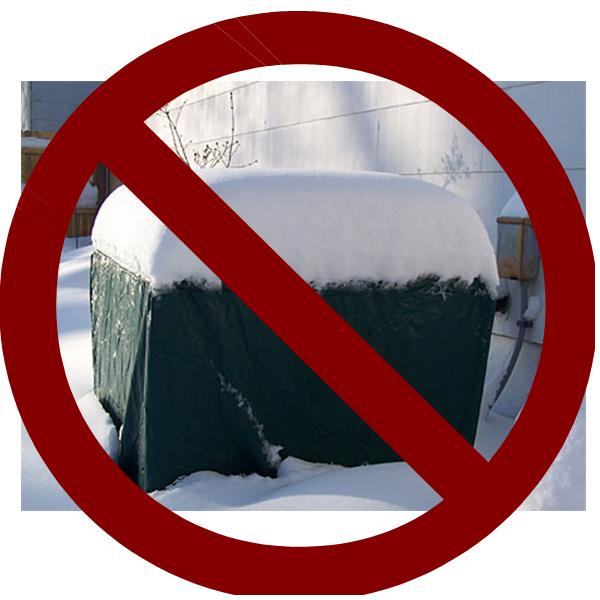
Image Source: trusthomesense.com
The Importance of AC Unit Protection in Colder Climates
As winter arrives, many homeowners focus on preparing their heating systems, often forgetting about their air conditioning units. However, your AC is a complex piece of machinery that, if left exposed, can suffer significant damage during the harsh winter months. AC unit protection is not just about aesthetics; it’s a vital step in ensuring your system remains functional and efficient for the upcoming cooling seasons. Think of it as tucking your AC into bed for a long, safe winter nap.
Why Shield Your Outdoor Air Conditioner?
Your outdoor air conditioner unit, or condenser, is designed to withstand the elements, but not the specific challenges that winter brings. When not properly protected, it becomes vulnerable to a range of issues that can impact its performance and durability.
Protecting Your AC from Snow and Ice
One of the primary reasons to cover your AC is to protect AC from snow. Heavy snowfall can accumulate on and around the unit, potentially blocking the fan and coil. More critically, the freeze-thaw cycle can cause water to seep into sensitive components, freeze, and expand, leading to cracks in the casing, internal damage to the fan motor, and damage to the coil fins.
Preventing ice buildup is another significant benefit. When snow melts and refreezes, it can form thick layers of ice. This ice can weigh down the unit, damage the fins, and obstruct airflow. If the fan motor gets frozen, it can seize up, leading to motor burnout when you try to start the AC in the spring.
Guarding Against Debris and Pests
Winter winds can carry leaves, twigs, dirt, and other debris. These can get blown into the AC unit, clogging the coils and preventing proper airflow. Even worse, small animals like rodents or birds might seek shelter inside the warm, dark space of your AC unit during winter. They can chew on wires, build nests that block airflow, or leave behind droppings that can cause corrosion. A good outdoor air conditioner cover acts as a barrier against these unwelcome visitors and their destructive habits.
Preventing Freeze Damage Prevention
The delicate components inside your AC, particularly the refrigerant lines and the compressor, are susceptible to freeze damage prevention. If moisture gets into these parts and freezes, it can cause significant internal damage. This is especially true for units where some residual moisture might remain after the cooling season. Covering the unit helps keep it dry and insulated from extreme cold.
What is the Purpose of an Air Conditioner Shroud?
An air conditioner shroud, often called a cover, is a protective casing designed to shield your outdoor AC unit. It typically covers the top and sides of the unit, allowing for ventilation while preventing the ingress of snow, ice, leaves, and other debris. Some shrouds are simple fabric covers, while others are more robust, often made of durable plastic or metal. The primary purpose is to create a protective barrier against the winter elements.
Key Benefits of Covering Your Air Conditioner in Winter
Using an outdoor air conditioner cover provides a multitude of advantages that contribute to the longevity and efficiency of your HVAC system. These benefits go beyond simple protection and directly impact your wallet and comfort.
Extended Lifespan of Your AC Unit
By shielding your AC from the harsh realities of winter, you are directly contributing to its overall lifespan. Reduced wear and tear from moisture, ice, and debris means fewer breakdowns and a system that operates efficiently for more years. This is a crucial aspect of proper AC unit storage during the off-season.
Preventing Costly Repairs
The damage caused by winter elements can be extensive and expensive to repair. A cracked fan motor, a damaged compressor, or corroded coils can lead to hefty repair bills. Investing in a simple cover can prevent these issues, saving you a significant amount of money in the long run. This proactive approach is far more economical than reactive repairs.
Maintaining Optimal Efficiency
When your AC unit is clogged with debris or has ice buildup, its ability to function efficiently is compromised. The system has to work harder to push air through obstructions, leading to increased energy consumption. Keeping the unit clean and clear with a cover ensures that it’s ready to operate at peak efficiency when the cooling season begins.
Avoiding Premature Component Failure
Certain components, like the fan motor and the compressor, are particularly vulnerable to cold-related damage. Ice can freeze the fan, preventing it from spinning. Moisture can lead to corrosion of electrical components and even freeze within the compressor, causing catastrophic failure. Freeze damage prevention through covering is a wise investment.
Protecting the Aesthetics of Your Unit
While not a functional benefit in terms of operation, covering your AC unit can also help maintain its appearance. A clean, well-maintained unit looks better in your yard and can even contribute to your home’s curb appeal.
Choosing the Right AC Cover for Winter
Not all covers are created equal. Selecting the right type of outdoor air conditioner cover is essential for effective AC unit protection. Here’s what to consider:
Types of AC Covers
- Fabric Covers: These are usually made from durable, breathable materials like polyester or canvas. They are lightweight, easy to install, and provide good protection against debris and light moisture. Look for covers that are waterproof but also breathable to prevent condensation buildup.
- Hard Covers/Shrouds: These are typically made of metal or heavy-duty plastic and offer more robust protection against heavier snow loads and impact. They often have vents to allow for airflow, preventing moisture and condensation. Some are designed with a sloped top to help shed snow and ice.
- DIY Covers: Some homeowners opt for a DIY approach, using plywood or tarps. While a tarp might seem like a quick solution, it can trap moisture and lead to condensation, which is detrimental. Plywood can be a sturdier option but needs to be secured properly and should allow for some ventilation.
Key Features to Look For
- Breathability: Crucial for preventing moisture buildup, which can lead to mold, mildew, and corrosion. Look for covers with built-in vents or made from breathable materials.
- Durability: The cover should be able to withstand harsh winter conditions, including strong winds, heavy snow, and fluctuating temperatures.
- Proper Fit: The cover should fit snugly but not too tightly. It should be secured to prevent it from blowing away in the wind.
- Ventilation: Some covers, particularly hard shrouds, are designed with vents to allow for essential airflow. This helps to prevent condensation and allows the unit to “breathe” during the off-season.
- Water Resistance/Proofing: The cover should prevent water from entering the unit, but breathability is still paramount.
How to Prepare Your AC for Winter Covering
The process of preparing AC for winter involves more than just throwing a cover over it. Following these steps ensures optimal protection:
Step 1: Thorough Cleaning
Before covering your unit, it’s essential to clean it thoroughly.
- Remove Debris: Gently remove any leaves, twigs, or other debris from the fins and the top of the unit. A soft brush or a vacuum cleaner with a brush attachment can be helpful.
- Clean the Exterior: Wipe down the exterior casing with a damp cloth.
- Clean the Condenser Coil: If you’re comfortable doing so, you can use a hose to gently spray down the condenser coil from the inside out (if accessible and recommended by your manufacturer). Ensure the unit is powered off at the breaker before doing any cleaning.
Step 2: Inspect for Damage
Take this opportunity to inspect your unit for any pre-existing damage that might have occurred during the cooling season. Check for bent fins, loose wires, or any signs of wear and tear. Address any issues now to prevent them from worsening over winter.
Step 3: Turn Off Power
For complete AC unit storage safety, turn off the power to your air conditioner at the main electrical panel or breaker box. This prevents accidental startups and protects against electrical hazards.
Step 4: Place the Cover
Carefully place the outdoor air conditioner cover over the unit. Ensure it fits properly and covers the top and sides.
Step 5: Secure the Cover
Most covers come with straps, bungee cords, or drawstrings to secure them in place. Make sure the cover is taut and won’t be easily dislodged by wind or snow. If you are using a DIY cover, ensure it is securely fastened.
When to Cover Your Air Conditioner
The best time to cover your AC unit is after the cooling season has ended and before the first significant snowfall or hard freeze. Typically, this is in late fall or early winter. Similarly, you should remove the cover in the spring, just before you anticipate needing to use the air conditioning again. Removing it too early can expose the unit to late-season frosts or debris.
Common Misconceptions About Covering AC Units
There are a few myths surrounding AC covers that are worth addressing:
Myth: Covering an AC Unit Traps Moisture
This is only true if you use a completely sealed, non-breathable cover, like a plastic tarp that doesn’t allow any air exchange. Modern AC covers are designed with breathability in mind, using materials or vents that allow moisture to escape while keeping precipitation and debris out.
Myth: AC Units Are Built to Withstand Winter
While AC units are durable, they are not designed to be fully exposed to heavy snow, ice, and prolonged freezing temperatures without protection. The internal components can be compromised.
Myth: Covering is Only for Units in Extremely Cold Climates
Even in milder climates, winter can bring frost, heavy rains, and windblown debris that can damage an unprotected AC unit. AC unit protection is beneficial across a wider range of climates.
Alternatives and Considerations for AC Unit Storage
While a cover is the most common method for AC unit storage in winter, there are a few other points to consider.
Indoor Storage (Not Applicable for Central AC Units)
For window AC units or portable AC units, storing them indoors in a dry place is ideal. However, for central air conditioning systems, the outdoor unit remains outdoors, making covering its primary protection method.
Professional Winterization Services
Some HVAC companies offer professional winterization services. This can include cleaning, checking refrigerant levels, and applying protective coatings. While this is a more comprehensive service, a good quality cover is often sufficient for most homeowners as part of their HVAC winterization routine.
When to Remove the AC Cover in Spring
The timing for removing the AC cover in the spring is just as important as putting it on.
- After the Last Frost: Wait until all danger of frost has passed in your area.
- Before You Need to Use It: Remove the cover a few days before you expect to turn on your air conditioning for the first time. This gives you time to inspect the unit and ensure it’s ready for operation.
- Inspect Upon Removal: Always inspect the unit for any signs of damage or animal activity when removing the cover.
Frequently Asked Questions (FAQ)
Q1: Can I use a plastic tarp to cover my AC unit?
A1: While a plastic tarp might seem like a simple solution, it’s generally not recommended. Tarps are not breathable, which can trap moisture and condensation, leading to mold, mildew, and corrosion of internal components. This can cause more harm than good. It’s better to use a specially designed breathable AC cover.
Q2: Will covering my AC unit prevent it from freezing up?
A2: Covering your AC unit helps prevent ice buildup by keeping snow and water out. However, it doesn’t actively prevent the internal components from freezing if exposed to extreme cold and moisture. Its primary role is to shield the unit from external ice formation and moisture ingress.
Q3: Do I need to cover my AC unit if I live in a mild climate?
A3: Yes, even in milder climates, it is beneficial. Winter can still bring frost, heavy rains, and windblown debris that can harm the unit. AC unit protection is a good practice regardless of the severity of your winter.
Q4: How do I choose the right size AC cover?
A4: Measure the dimensions of your outdoor AC unit (length, width, and height). Then, purchase a cover that closely matches these measurements, allowing for a snug but not overly tight fit. Some covers are universal, while others are specific to AC unit sizes.
Q5: Is it okay to leave the cover on my AC unit year-round?
A5: No, it is not recommended to leave the AC cover on year-round. During the summer, the unit needs to operate freely without any obstruction to airflow. Removing the cover in the spring and reapplying it in the fall is the correct procedure for HVAC winterization and summer readiness.
Q6: What is the difference between an AC cover and an air conditioner shroud?
A6: The terms are often used interchangeably. Generally, an “AC cover” can refer to fabric or material designed to wrap around the unit, while an “air conditioner shroud” might imply a more rigid, fitted casing, often made of metal or plastic, that covers the top and sometimes the sides. Both serve the purpose of AC unit protection.
Q7: How do I secure the AC cover to prevent it from blowing away?
A7: Most quality covers come with built-in straps, bungee cords, or drawstrings that can be tightened around the unit. If your cover doesn’t have secure fastenings, you can use heavy-duty bungee cords or ropes to tie it down securely, ensuring it doesn’t flap or blow off in strong winds.
By taking these steps and utilizing the right protective measures, you can ensure your air conditioning unit remains in excellent condition, ready to provide cool comfort when the warmer months return. Proper AC unit protection is a small investment that pays significant dividends in the longevity and performance of your HVAC system.

My name is Carlos Gadd, and I am the creator of AirPurityGuide.com.. With a passion for footwear, I share my experiences, insights, and expertise about shoes. Through my blog, I aim to guide readers in making informed decisions, finding the perfect pair, and enhancing their footwear knowledge. Join me on this journey to explore everything about shoes!