
When your air conditioner is running but not cooling, and you notice ice on the unit, it’s likely that your AC is frozen up. Can you fix a frozen AC unit yourself? Yes, in many cases, you can thaw your AC unit and address the underlying issues. This guide will help you unfreeze an air conditioner unit fast and prevent it from happening again.
An AC unit freezing up is a common problem, especially during hot weather when the system is working overtime. The good news is that this is often a fixable issue that doesn’t necessarily require a professional technician, though persistent problems might. Knowing how to address an AC unit ice buildup can save you money and keep your home cool.
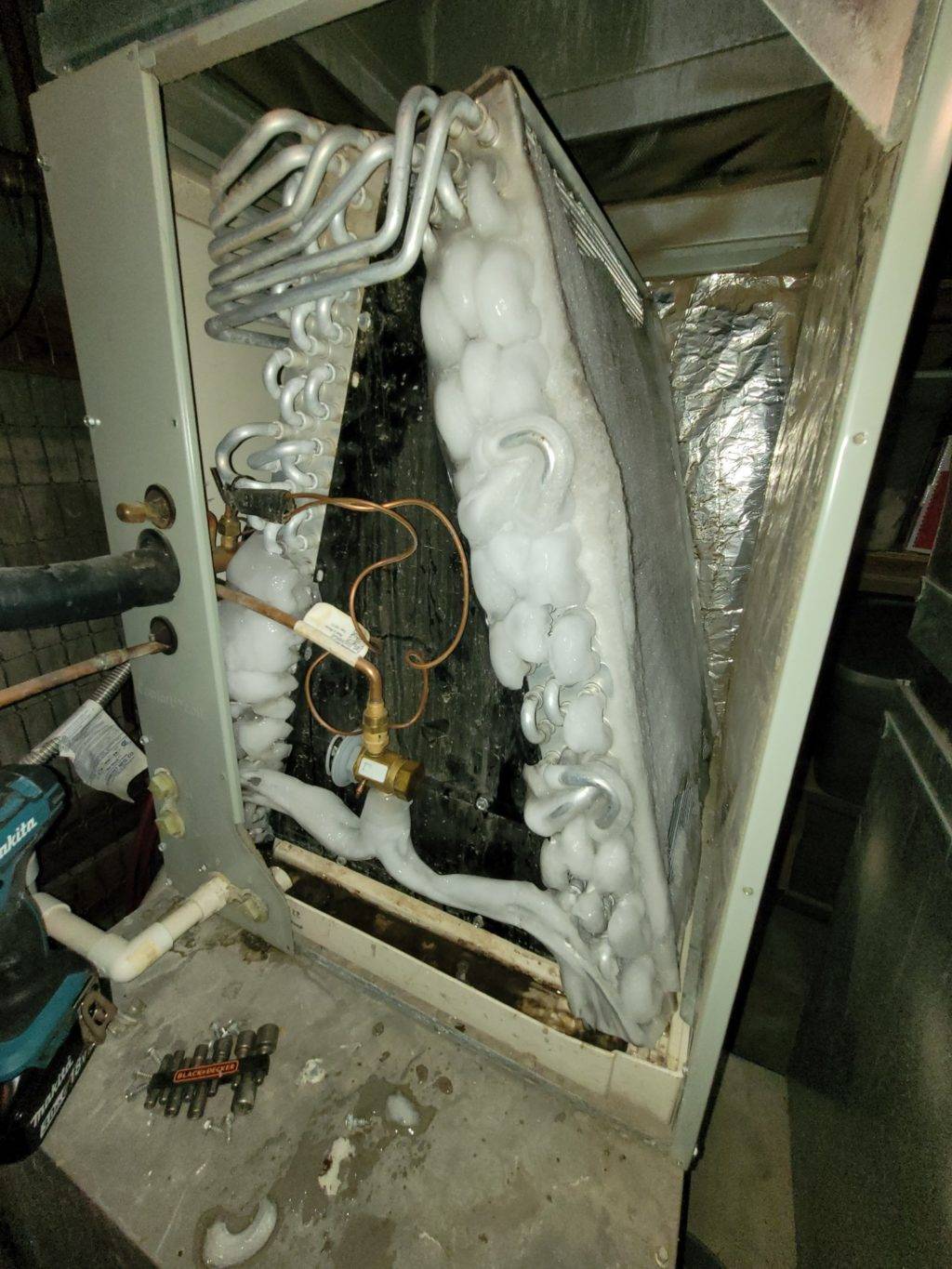
Image Source: www.manmadediy.com
Why Does an AC Unit Freeze Up?
Several factors can lead to your AC unit freezing up. The most common culprits involve airflow issues and problems with the refrigerant.
Airflow Blockages
Proper airflow is crucial for your air conditioner to function correctly. When air can’t move freely over the evaporator coil (the indoor part of your AC), it gets too cold. This cold air causes moisture in the air to condense on the coil, and if it gets cold enough, it freezes into ice.
Common airflow blockages include:
- Clogged Air Filter AC: This is by far the most frequent cause. A dirty, clogged air filter restricts the amount of warm air that can reach the evaporator coil. Without enough warm air to absorb heat, the coil temperature drops, leading to ice formation.
- Blocked Vents and Registers: If furniture, curtains, or other objects are blocking your supply or return air vents, it impedes airflow. This can create dead spots where air doesn’t circulate, causing the coil to freeze.
- Dirty Evaporator Coil: Over time, dust and debris can accumulate on the evaporator coil itself, even with a clean filter. This layer of grime acts as an insulator, hindering heat transfer and contributing to freezing.
Refrigerant Issues
Refrigerant is the substance that circulates through your AC system to absorb heat from your home and release it outside. If the refrigerant levels are too low or there’s a leak, it can disrupt the system’s pressure and temperature balance.
- Low Refrigerant AC Freeze: When refrigerant levels drop, the pressure inside the evaporator coil decreases. This lower pressure causes the refrigerant to get colder than it should, potentially dropping below freezing point. This extreme cold then freezes any moisture present on the coil. This is often a sign of a refrigerant leak that needs professional attention.
- Refrigerant Leaks: Even if your system isn’t critically low on refrigerant, a leak can cause the system to operate at lower pressures and temperatures, increasing the risk of freezing.
Other Contributing Factors
- Low Outdoor Temperatures: While it might seem counterintuitive, running your air conditioner when outdoor temperatures are too low (generally below 60-65°F or 15-18°C) can also cause freezing. The system is designed to work efficiently within a certain temperature range.
- Faulty Blower Fan: The blower fan is responsible for circulating air through your home. If it’s not working correctly (e.g., running too slowly or not at all), air won’t move over the evaporator coil, leading to freezing.
- Dirty Condenser Coil: While less directly related to freezing than the evaporator coil, a dirty outdoor condenser coil can make your AC system work harder. This increased strain can sometimes contribute to pressure imbalances that lead to freezing.
How to Unfreeze an Air Conditioner Unit Fast
When you discover your AC unit ice buildup, the first and most important step is to turn off the cooling system. Do NOT continue to run the AC when it’s frozen. This can damage the compressor, the most expensive part of your AC system.
Here’s how to thaw your AC unit and get it running again:
Step 1: Turn Off The AC System
Locate your thermostat and switch it from “Cool” to “Off.” If you can’t reach the thermostat or want to be absolutely sure, you can also turn off the power to your air conditioner at the breaker box. Look for a breaker labeled “AC,” “Air Conditioner,” or “HVAC.”
Step 2: Turn On The Fan
Now, switch your thermostat fan setting from “Auto” to “On.” This will circulate the air in your home through the AC system without the cooling component engaged. This helps to speed up the thawing process by using the warmer indoor air to melt the ice.
Step 3: Wait for the Ice to Melt
This is the crucial waiting period. Depending on the severity of the ice buildup, this can take anywhere from a few hours to a full day. Be patient! Forcing the ice off can damage the delicate fins on the evaporator coil.
Methods to speed up thawing (use with caution):
- Open Windows: If the weather is mild or cool outside, opening windows in your home can help introduce cooler air, which can aid in melting.
- Use a Fan: Position a portable fan to blow air directly onto the frozen indoor unit (the evaporator coil).
- Warm Water (for outdoor units only, with extreme caution): If you need to thaw the outdoor unit specifically (e.g., the part with the fan), you can carefully use a hose to apply lukewarm water. Never use hot water, as the sudden temperature change can crack the metal. Be extremely cautious not to get water into electrical components. This is generally not recommended for the indoor coil.
Important Note: While waiting for the ice to melt, you’ll likely see water pooling around your indoor unit. This is normal as the ice melts. Ensure your drain pan is clear and the condensate drain line is not clogged.
Step 4: Address the Underlying Cause
Once the AC unit ice buildup has completely melted, and your system is thawed, it’s time to figure out why it froze in the first place. If you don’t fix the root cause, your AC will likely freeze up again.
Here are the common issues you can check and fix yourself:
Checking and Replacing the Air Filter
This is the easiest and most common fix.
- Locate your air filter: It’s usually found in the return air vent or inside the air handler unit itself.
- Inspect the filter: Hold it up to a light source. If you can’t see light through it, or if it’s visibly covered in dust and debris, it needs to be replaced.
- Replace the filter: Purchase a new filter of the correct size and MERV (Minimum Efficiency Reporting Value) rating. Make sure to install it in the correct direction, as indicated by the airflow arrows on the filter.
A clogged air filter AC is a prime suspect for freezing. Replacing it regularly (every 1-3 months, depending on usage and household conditions) is essential maintenance.
Inspecting Vents and Registers
- Walk around your home: Check all supply and return air vents.
- Ensure they are open: Make sure no furniture, rugs, or other items are obstructing them.
- Confirm proper airflow: If a vent feels like it has very little air coming out, there might be a blockage further in the ductwork, which might require a professional.
Cleaning the Evaporator Coil (with caution)
If your air filter is clean and vents are clear, the evaporator coil itself might be dirty.
- Access the coil: This usually involves opening a panel on your indoor air handler. Consult your AC unit’s manual if you’re unsure.
- Visual inspection: Look for dust and grime buildup on the coil fins.
- Gentle cleaning: You can try to gently brush away loose debris with a soft brush. For more stubborn dirt, use a specialized coil cleaner spray (available at hardware stores) and follow the product instructions. Be very careful not to bend the delicate fins.
Checking for Ice on the Outdoor Unit
While the indoor evaporator coil is the primary place for freezing, the outdoor condenser unit can sometimes have ice if the system is severely malfunctioning or during extremely cold weather operation.
- Locate the outdoor unit: This is the large metal box with a fan outside your home.
- Turn off power: Ensure the power to the AC unit is turned OFF at the breaker.
- Visual inspection: Look for any ice buildup on the coils or fan blades.
- Thawing: If there’s minor ice, you can let it melt naturally by keeping the system off. For faster thawing, you can use lukewarm water from a hose. Again, never use hot water, and avoid getting water on electrical components.
Low Refrigerant Issues
If you’ve replaced the filter, ensured clear vents, and cleaned the coils, but your AC continues to freeze up, the most likely cause is low refrigerant AC freeze. This indicates a leak in the system.
- Symptoms: Besides freezing, you might notice your AC blowing warm air, or the system may not be cooling effectively even when it’s running.
- What to do: Low refrigerant is not a DIY fix. It requires specialized tools and knowledge to detect and repair leaks, and to recharge the system with the correct amount of refrigerant. You will need to call a qualified HVAC technician. Attempting to add refrigerant yourself without knowing the cause of the loss or the proper amount can be dangerous and ineffective.
Step 5: Restart the AC System
Once you’ve addressed the likely cause of the freezing and are confident the ice has melted:
- Turn the thermostat back to “Cool” and “Auto” for the fan.
- Listen and observe: The AC should now be running normally and blowing cold air. If it freezes up again soon, it’s a strong indicator of a more serious problem like a refrigerant leak or a malfunctioning component that needs professional attention.
What If My AC Keeps Freezing Up?
If you’ve gone through the steps to unfreeze an air conditioner unit and it freezes up again shortly after, it’s time to call in the professionals. Persistent freezing usually points to issues that require a technician’s expertise.
Here are common reasons why an AC might continue to freeze up:
- Refrigerant Leak: As mentioned, this is a major cause. The system needs to be leak-tested, the leak repaired, and the system recharged.
- Faulty Fan Motor: If the blower fan isn’t moving enough air, the coil will get too cold. The motor might need to be repaired or replaced.
- Thermostat Issues: A malfunctioning thermostat might not be signaling the system to turn off when it should, leading to over-operation and freezing.
- Electrical Problems: Issues with the fan control board or other electrical components can prevent proper airflow and cause freezing.
- Drainage Problems: While not directly causing freezing, if the condensate drain line is completely blocked, water can back up and contribute to icing conditions on the coil.
A technician will perform a thorough diagnosis, which may include checking refrigerant pressures, inspecting electrical components, and evaluating the overall performance of your system.
Preventing Your AC from Freezing Up in the Future
Prevention is key to avoiding the inconvenience and potential damage associated with a frozen AC unit. Regular maintenance is your best defense.
Regular Maintenance Schedule
- Change Air Filters Regularly: This is the single most important step. Make it a habit to check and replace your air filter monthly, or as recommended by the filter manufacturer.
- Schedule Annual Professional Tune-Ups: Have a qualified HVAC technician inspect your system once a year, ideally before the cooling season begins. They can check refrigerant levels, clean coils, inspect electrical components, and identify potential problems before they lead to freezing.
- Keep Outdoor Unit Clear: Ensure the area around your outdoor condenser unit is clear of debris, leaves, and grass clippings. This allows for proper airflow.
- Check for Obstructed Vents: Periodically walk through your house and ensure all vents are open and unobstructed.
System Checks and Considerations
- Monitor Thermostat Settings: Avoid setting your thermostat to extremely low temperatures, especially when outdoor temperatures are also very low. Stick to a comfortable temperature that your AC can maintain without overworking.
- Listen for Strange Noises: If your AC starts making unusual sounds, it could be a sign of a developing problem. Have it checked by a professional.
- Address Leaks Promptly: If you suspect a refrigerant leak, or if you notice your AC blowing warm air even when it’s not frozen, get it checked immediately to prevent further damage and potential freezing.
Common Questions About Frozen AC Units
Here are answers to some frequently asked questions about AC freezing issues:
What is the typical time it takes for an AC unit to thaw?
It typically takes anywhere from 2 to 12 hours for an AC unit to completely thaw after being frozen. This depends on the extent of the ice buildup, the ambient temperature, and how you’re facilitating the thawing process (e.g., by running the fan and opening windows).
Can I use a hairdryer or heat gun to speed up thawing?
While tempting, it’s generally not recommended to use a hairdryer or heat gun. The concentrated heat can damage the evaporator coil fins, which are very delicate. It can also be a safety hazard due to moisture and electrical components. Lukewarm water on the outdoor unit or simply running the fan with open windows are safer methods.
What does it mean if my AC is blowing warm air?
If your AC is blowing warm air, it can be a symptom of several issues, including a frozen evaporator coil (if the ice has melted and the system is trying to run), low refrigerant levels, a faulty compressor, or a problem with the fan.
How do I know if I have a low refrigerant AC freeze?
A low refrigerant AC freeze often comes with other symptoms besides ice buildup, such as reduced cooling performance, your AC blowing warm air, or hissing sounds from the unit. The only way to confirm low refrigerant is by having a technician check the system pressures.
What is the primary function of a clogged air filter AC in causing freezing?
A clogged air filter AC restricts the amount of warm air that can pass over the evaporator coil. This lack of warm air causes the coil to become too cold, leading to moisture in the air freezing onto it, thus creating the ice buildup.
What are the signs of an AC unit ice buildup on the evaporator coil?
Common signs include:
* The AC is running but not cooling effectively, or blowing warm air.
* You can see visible ice or frost on the indoor unit’s coil or refrigerant lines.
* Reduced airflow from the vents.
* Your thermostat might indicate the AC is on, but you don’t feel cool air.
How do I thaw outdoor AC unit safely if needed?
If the outdoor unit has ice, ensure the power is off. You can use lukewarm water from a hose to gently spray the iced-over parts. Avoid hot water, as it can cause thermal shock and damage components. Be cautious and avoid spraying water directly into electrical boxes or onto the fan motor if possible.
What is a “thawed AC coil”?
A “thawed AC coil” refers to the evaporator coil (the indoor part of your AC system) after it has been completely defrosted. Once the ice has melted away, the coil is exposed again, allowing for proper heat exchange and airflow.
Should I turn off the AC completely or just the cooling?
When you notice AC unit ice buildup, you should turn off the cooling function (set the thermostat to “Off” for cooling). Then, turn the fan to “On” (not “Auto”) to circulate air and help melt the ice.
What is the purpose of the “fan on” setting during defrosting?
Setting the fan to “On” circulates air through your home and the AC system without engaging the cooling cycle. This warmer indoor air flows over the frozen evaporator coil, significantly speeding up the melting process compared to just waiting for ambient conditions to thaw it.
By following these steps and understanding the causes of AC freezing, you can effectively unfreeze your air conditioner unit fast and keep your home comfortable throughout the warmer months. Regular maintenance remains the best strategy to prevent future issues and ensure your AC system runs efficiently for years to come.

My name is Carlos Gadd, and I am the creator of AirPurityGuide.com.. With a passion for footwear, I share my experiences, insights, and expertise about shoes. Through my blog, I aim to guide readers in making informed decisions, finding the perfect pair, and enhancing their footwear knowledge. Join me on this journey to explore everything about shoes!