
So, how long does it take to install an air conditioner? Generally, a standard AC unit replacement or installation takes between 4 to 8 hours for a single system. However, this timeframe can vary significantly based on several factors, from the complexity of the job to the type of system being installed. This comprehensive guide will delve into the specifics of air conditioning installation time, exploring the various elements that influence the overall duration and providing a clear HVAC installation estimate. We’ll cover everything from a simple AC unit replacement duration to a full central air installation timeline.
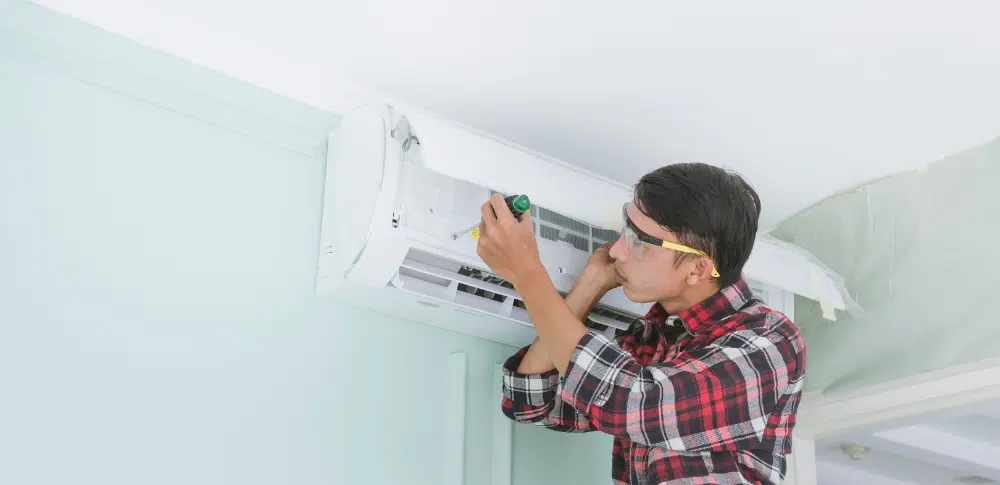
Image Source: hunterconair.com.au
Factors Shaping AC Installation Time
Several key elements play a role in how long your AC installation process length will be. Knowing these can help you set realistic expectations and prepare for the day of the installation.
Type of Air Conditioning System
The most significant factor influencing installation time is the type of AC system.
- Central Air Conditioners: These are the most common type of whole-house cooling systems. They involve an outdoor unit (condenser and compressor) and an indoor unit (evaporator coil, often integrated with a furnace or air handler). Installing a central AC system typically takes longer due to the extensive ductwork, refrigerant lines, and electrical connections required.
- Ductless Mini-Split Systems: These systems are popular for homes without existing ductwork or for zoned cooling. They consist of an outdoor unit and one or more indoor units, connected by refrigerant lines and electrical wires. Mini-split installations are often quicker than central AC installations because they don’t require extensive ductwork.
- Window Air Conditioners: These are the simplest and quickest to install, often requiring just a few minutes to place in a window and plug in. However, they are only suitable for cooling single rooms.
- Portable Air Conditioners: Similar to window units, these are easy to set up, usually involving venting a hose out a window. They are also for single-room cooling and don’t require professional installation.
Complexity of the Installation
Beyond the unit type, the specific circumstances of your home and the installation site add layers of complexity.
- New Construction vs. Replacement: Installing an AC in a home that has never had central air before is generally more involved than replacing an existing unit. New installations may require running new electrical lines, installing new ductwork, and potentially creating new openings in walls or ceilings. An AC unit replacement duration is usually shorter as many existing connections and pathways can be reused.
- Ductwork: If your home needs new ductwork installed, or if existing ductwork needs significant modifications to accommodate the new AC, this will add considerable time to the project. Conversely, if ductwork is already in place and in good condition, the installation will be faster.
- Electrical Work: Upgrading or installing new electrical circuits for the AC unit can extend the installation time. Older homes may have outdated electrical panels that need upgrading to support the power demands of a new AC.
- Location of Units: The accessibility of the installation sites for both the indoor and outdoor units can impact the time. If the outdoor unit needs to be placed in a difficult-to-reach area, or if the indoor coil requires significant work to access, the installation may take longer.
- Thermostat Installation: While often a straightforward process, installing a new thermostat, especially a smart thermostat that requires Wi-Fi setup, can add a small amount of time.
The Installation Team
The experience and efficiency of the HVAC technicians also play a part.
- Number of Technicians: Most AC installations are performed by a team of two technicians. This allows them to work efficiently, with one often managing the outdoor unit and refrigerant lines while the other works on the indoor unit and electrical connections.
- Technician Experience: Experienced technicians are generally faster and more adept at troubleshooting any unexpected issues that may arise during the installation.
Typical Time Estimates for Different AC Installations
To give you a clearer picture, here are some typical AC installation hours for various scenarios:
Central Air Installation Timeline
For a full central air installation timeline, especially in a home that doesn’t have it yet, you can expect:
- New Central AC Installation (No existing ductwork): This is the most time-consuming. It can take 1 to 3 days, or even longer, depending on the complexity of the ductwork design and installation, as well as any necessary electrical upgrades. This often involves a team of 2-3 technicians.
- Central AC Unit Replacement (Existing ductwork): This is much faster. If the existing ductwork, electrical connections, and refrigerant lines are compatible and in good shape, the AC unit replacement duration can often be completed within 4 to 8 hours by a team of two experienced technicians. This is where you’ll find the most common HVAC installation estimate in terms of hours for a system swap.
Ductless Mini-Split Installation Time
Installing a ductless mini-split system is typically more efficient than central air.
- Single-Zone Mini-Split: Installing one indoor head and one outdoor unit usually takes 3 to 6 hours.
- Multi-Zone Mini-Split: For systems with multiple indoor units (e.g., 2-4 heads), the installation can range from 6 to 10 hours, or potentially a full day or more, depending on the number of zones and the routing of refrigerant lines and electrical wiring. This provides a good HVAC installation estimate for homes needing targeted cooling.
Other AC Installation Scenarios
- Window or Portable AC: These require no professional installation and can be set up in minutes.
- Booster or Supplemental AC Units: If you’re adding an AC to a specific area that isn’t adequately cooled by your central system, the time will depend on how the new unit needs to integrate with existing ductwork or electrical systems. This could range from a couple of hours to half a day.
The HVAC Installation Process Length: What to Expect on Installation Day
Let’s break down the typical steps involved in a central air installation timeline for a replacement, which helps clarify the HVAC installation process length. This will give you a good sense of the time to install central AC.
Pre-Installation Checks and Preparation
Before the actual work begins, the technicians will:
- Site Assessment: They’ll re-confirm the placement of the indoor and outdoor units, check access points, and review the existing system’s configuration.
- Tool and Material Staging: Ensure all necessary tools, parts, and the new AC unit are ready.
- Area Protection: Lay down drop cloths or protective coverings to shield your floors and belongings from dust and debris.
Removing the Old Unit
If it’s a replacement, the first step is to safely remove the old equipment.
- Power Disconnection: The power to the old unit is turned off at the breaker box.
- Refrigerant Recovery: The refrigerant from the old system is safely removed and recovered according to environmental regulations.
- Disconnection of Lines: Refrigerant lines, electrical wiring, and condensate drain lines are disconnected.
- Physical Removal: The old indoor and outdoor units are carefully removed from their locations.
Installing the New Indoor Unit (Evaporator Coil)
This component is typically located in your attic, basement, or a closet, often paired with your furnace.
- Placement: The new evaporator coil or air handler is positioned correctly.
- Ductwork Connection: It’s connected to the existing supply and return air ductwork. Seals are checked to ensure no air leaks.
- Condensate Line: A new condensate drain line is connected to carry away moisture, often with a secondary safety drain or pan.
- Electrical Wiring: Wiring is run from the unit to the thermostat and the outdoor unit.
Installing the New Outdoor Unit (Condenser)
This is the unit that sits outside your home.
- Pad Preparation: A level pad is ensured for the outdoor unit to sit on, preventing vibrations and potential damage.
- Unit Placement: The new condenser unit is carefully placed on the pad.
- Refrigerant Line Connection: New copper refrigerant lines are run from the indoor unit to the outdoor unit and connected.
- Electrical Connection: Power is supplied to the outdoor unit from the electrical panel.
Connecting and Sealing
Once the units are in place, the connecting work begins.
- Line Set Brazing: Refrigerant lines are brazed (a high-temperature soldering process) to ensure a leak-proof seal.
- Insulation: The line set is insulated to prevent energy loss.
- Electrical Connections: All electrical connections are made securely.
Startup and Testing
This is a crucial phase to ensure the system operates correctly.
- System Purge: The refrigerant lines are purged with nitrogen to remove any moisture or air.
- Refrigerant Charge: The system is charged with the correct amount of refrigerant.
- Vacuum Pull: A vacuum is pulled on the refrigerant lines to remove air and moisture.
- System Power-Up: Power is restored to the new unit.
- Operational Checks: Technicians check airflow, temperature differential (the difference between the air entering and leaving the unit), refrigerant pressures, and electrical currents.
- Thermostat Calibration: The new thermostat is tested and calibrated.
- Leak Checks: A final check for refrigerant leaks is performed.
Cleanup and Final Walkthrough
- Site Cleanup: Technicians clean up the work area, removing debris and old parts.
- System Explanation: The technicians will walk you through the new system, explain its operation, thermostat functions, and maintenance recommendations. They will also provide warranty information.
Factors That Can Increase AC Installation Time
While the typical AC installation hours fall within a certain range, several things can push that timeline out. Understanding these can help you get a more accurate HVAC installation estimate.
- Complex Ductwork Modifications: If your existing ductwork needs significant rerouting, resizing, or sealing, this adds considerable labor.
- Electrical Panel Upgrades: Older homes may require a new breaker or even a panel upgrade to handle the power requirements of a new AC, which takes extra time and specialized work.
- Accessibility Issues: If the installation location for either the indoor or outdoor unit is difficult to access (e.g., cramped attic space, difficult-to-reach crawl space, steep roofline for some mini-splits), it will slow down the process.
- Unforeseen Issues: Sometimes, during removal, technicians might discover existing problems like damaged wiring, plumbing issues near the indoor unit, or structural issues that need addressing before the new unit can be installed.
- Permitting and Inspections: Depending on your local regulations, a permit may be required for AC installation, and an inspection may need to be scheduled, which can add days to the overall project completion.
- Weather: Extreme weather conditions can impact outdoor work, potentially delaying installation.
AC Installation Cost and Time: A General Overview
The AC installation cost and time are often linked. More complex installations requiring more labor, specialized parts, or extensive modifications will naturally cost more and take longer.
| Installation Type | Typical Timeframe | Complexity |
|---|---|---|
| AC Unit Replacement (Central) | 4-8 Hours | Moderate |
| New Central AC Install (New Ductwork) | 1-3 Days | High |
| Single-Zone Mini-Split Install | 3-6 Hours | Moderate |
| Multi-Zone Mini-Split Install (2-4) | 6-10 Hours / 1-2 Days | High |
Note: These are general estimates and can vary based on the factors discussed.
How Long For AC Service and Installation?
When asking how long for AC service, it’s important to distinguish between a repair and a full installation.
- AC Repair: A simple AC repair, like fixing a refrigerant leak or replacing a capacitor, can often be done in 1-3 hours. More complex diagnostic issues might take longer.
- AC Installation: As detailed throughout this article, a full installation, particularly for central air, is a more extensive process taking significantly longer, from a single day to multiple days.
New AC Unit Installation Duration: Getting the Best Estimate
To get the most accurate new AC unit installation duration and associated costs, it’s crucial to have a reputable HVAC contractor perform an on-site assessment.
Steps to Get an Accurate HVAC Installation Estimate:
- Get Multiple Quotes: Contact at least three different HVAC companies.
- Request On-Site Assessments: Never rely solely on phone quotes. A technician needs to see your home’s setup.
- Discuss Your Needs: Clearly explain what you want (e.g., cooling capacity, efficiency ratings, brand preferences).
- Ask Detailed Questions: Inquire about the specific steps of the installation, the number of technicians assigned, and any potential complexities they foresee.
- Review the Written Estimate: Ensure the quote clearly outlines the equipment to be installed, labor costs, warranty details, and the estimated timeline.
FAQs About AC Installation Time
Here are some frequently asked questions regarding how long AC installation takes:
Q1: Can an AC installation be completed in a single day?
A1: Yes, for AC unit replacements where ductwork and electrical systems are already in place and compatible, a single-day installation (typically 4-8 hours) is common. New central AC installations involving ductwork often take longer.
Q2: What is the average time to install central AC?
A2: The average time to install central AC can range from 1 day for a replacement to 1-3 days or more for a new installation with ductwork.
Q3: Do I need to be home during the entire AC installation?
A3: It’s highly recommended that a homeowner or a designated adult is present at the beginning and end of the installation. Some homeowners choose to be present throughout, while others may leave for short periods if they trust the contractor and the work is in a contained area.
Q4: What happens if the installation takes longer than expected?
A4: If the installation takes longer, it’s usually due to unforeseen issues or added complexity. Good contractors will communicate any delays and explain the reasons. Ensure your contract has a clear scope of work and understand how unexpected delays might affect the final cost.
Q5: Will a new AC unit installation disrupt my home’s power?
A5: Yes, the HVAC technicians will need to shut off power to your home or at least to the circuit that will power the new AC. They will communicate this to you. For the duration of the power cut to your specific circuits, you may not have power to those areas.
Q6: Is the time it takes to install an AC affected by the size of the unit?
A6: While the physical handling of a larger unit might take slightly more effort, the primary factors influencing installation time are the system type and complexity, not just the physical size or BTU rating of the unit itself. The wiring, refrigerant lines, and ductwork connections remain the main time consumers.
Q7: How much time does thermostat installation add?
A7: Installing a new thermostat typically adds only 30 minutes to 1 hour to the overall installation time, provided there are no issues with the existing wiring.
By considering these factors and getting detailed quotes from qualified professionals, you can confidently plan for your new air conditioning system’s installation and know what to expect regarding the time to install central AC or other cooling solutions.

My name is Carlos Gadd, and I am the creator of AirPurityGuide.com.. With a passion for footwear, I share my experiences, insights, and expertise about shoes. Through my blog, I aim to guide readers in making informed decisions, finding the perfect pair, and enhancing their footwear knowledge. Join me on this journey to explore everything about shoes!