
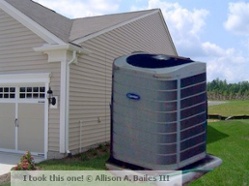
Image Source: www.energyvanguard.com
Fix Your Oversized AC: How To Correct an Oversized Air Conditioner
Can you fix an oversized air conditioner? Yes, you can take steps to mitigate the problems caused by an oversized air conditioner, though sometimes replacement is the most effective solution.
An air conditioner that’s too powerful for your home, often referred to as an oversized AC, can lead to a surprisingly unpleasant and inefficient cooling experience. While it might seem counterintuitive, a system that cools your home too quickly is not always better. This problem is more common than you might think, stemming from common AC sizing mistakes made during installation. This guide will delve into the tell-tale signs of an oversized AC, the detrimental effects it has, and most importantly, how to correct or at least manage these issues for a more comfortable and cost-effective home environment.
The Pitfalls of a Too-Powerful AC Unit
Choosing the right sizing AC unit is crucial for optimal performance and comfort. When an air conditioner is too powerful, it doesn’t run for long enough cycles to effectively dehumidify the air. This leads to a cold, clammy feeling even when the thermostat is set to a comfortable temperature. This is one of the key oversized AC issues.
AC Short Cycling: The Most Obvious Sign
One of the most prominent indicators of an oversized air conditioner is AC short cycling. This means the air conditioner turns on, cools the space very quickly, and then shuts off again before it has had a chance to run for a typical cycle. This on-again, off-again behavior is not only inefficient but also puts undue stress on the AC components, potentially leading to premature wear and tear.
AC Blowing Cold Air Too Fast: A Deceptive Symptom
You might think AC blowing cold air too fast is a sign of a powerful, well-functioning unit. However, when it happens repeatedly in short bursts, it’s a clear sign the AC is overpowering your home’s cooling needs. Instead of gradually lowering the temperature and removing humidity, it rapidly chills the air and shuts off.
Poor Humidity Control: The Clammy Consequence
A major drawback of an oversized air conditioner is its inability to manage indoor humidity effectively. Proper AC operation involves running for longer periods, which allows the cooling coils to remove moisture from the air. When the AC short cycles, it doesn’t spend enough time in operation for this dehumidification process to occur. The result? Your home feels cool but remains damp and clammy, fostering an environment where mold and mildew can thrive. This poor AC humidity control can significantly impact indoor air quality and comfort.
Uneven Cooling: Hot and Cold Spots
An oversized unit can also contribute to uneven cooling. Because it cools the air so rapidly, it might over-cool certain areas while leaving others still feeling warm. This creates uncomfortable hot and cold spots throughout your home, defeating the purpose of having a consistently comfortable environment.
Increased Energy Bills: The Hidden Cost
While a more powerful unit might seem like it would cool your home faster, an oversized air conditioner often leads to higher energy bills. The frequent starting and stopping of the compressor consumes more electricity than a system running at a steady, efficient pace. Moreover, the lack of effective dehumidification can make you feel less comfortable, potentially leading you to set the thermostat lower, further increasing energy consumption. The goal of reducing AC runtime is typically to save energy, but with an oversized unit, the constant cycling increases it.
Reduced Equipment Lifespan: A Costly Problem
The constant starting and stopping associated with short cycling puts significant strain on the compressor and other vital components of your air conditioning system. This can lead to increased wear and tear, reducing the overall lifespan of your AC unit and potentially resulting in costly repairs or premature replacement.
Identifying Your Oversized AC: Key Symptoms to Watch For
To confirm if you’re dealing with an oversized air conditioner, keep an eye out for these tell-tale symptoms:
- Frequent Cycling: The unit turns on and off much more often than you’d expect for typical cooling needs.
- Cooler Than Desired Temperatures Followed by Warm-Up: The room gets very cold rapidly, then the AC shuts off, and the temperature quickly rises again.
- Damp, Clammy Feeling Indoors: Despite the cool temperature, the air feels sticky and humid.
- Visible Condensation: You might notice condensation on windows or walls, indicating excess moisture in the air.
- Increased Energy Bills: Your electricity usage for cooling seems higher than it should be for the amount of cooling achieved.
- Drafty or Uneven Airflow: Some areas of your home are significantly colder than others.
Why Proper AC Sizing is Paramount
The concept of proper AC sizing is fundamental to achieving an efficient, comfortable, and long-lasting cooling system. An AC unit’s capacity is measured in British Thermal Units (BTUs). The BTU rating should be carefully matched to the square footage of the space it needs to cool, along with other factors like insulation, window type and number, climate, and even the amount of direct sunlight your home receives.
Factors Influencing AC Sizing
When determining the sizing AC unit for a home, HVAC professionals consider several factors:
- Square Footage: The most basic factor, larger areas require more cooling capacity.
- Climate: Homes in hotter, more humid climates require larger units than those in milder regions.
- Insulation: Well-insulated homes retain cool air better, potentially needing smaller units.
- Window Type and Quantity: Energy-efficient windows and fewer windows can reduce the cooling load.
- Sunlight Exposure: Homes that receive a lot of direct sunlight will need more cooling power.
- Occupancy: The number of people in a home can also affect the cooling load.
- Heat-Generating Appliances: Kitchens and rooms with numerous electronics can generate more heat.
Common AC Sizing Mistakes
Many installers fall prey to common errors when determining the right AC size:
- Oversimplification: Relying solely on square footage without accounting for other crucial factors.
- “Bigger is Better” Mentality: The misconception that a larger unit will always cool more effectively and faster.
- Ignoring Manufacturer Recommendations: Not adhering to the specific guidelines provided by AC manufacturers.
- Lack of a Thorough Load Calculation: Failing to perform a detailed Manual J calculation, the industry standard for HVAC sizing.
Strategies to Correct or Mitigate an Oversized Air Conditioner
While the ideal solution to an oversized air conditioner is often a correctly sized replacement, there are several strategies you can employ to manage or mitigate the issues caused by your current unit.
1. Professional Assessment and Recalibration
Your first step should always be to consult with a qualified HVAC professional. They can perform a detailed load calculation to confirm that your unit is indeed oversized and then explore potential adjustments.
- Thermostat Adjustments: In some cases, a smart thermostat can be programmed to run the AC for slightly longer cycles, allowing for better dehumidification. Some advanced thermostats have specific “dehumidify” modes.
- Adjusting Fan Speed: If your system allows, increasing the fan speed can help circulate air more effectively, potentially aiding in slightly better dehumidification during the shorter cycles. However, this is a minor fix and won’t completely solve the problem.
- Ductwork Evaluation: Sometimes, inefficient ductwork can exacerbate the symptoms of an oversized AC. Leaky ducts or poorly designed airflow can lead to uneven cooling and make the system work harder than it needs to. Professional assessment and sealing of ductwork can improve overall system efficiency.
2. Enhancing Dehumidification Capabilities
Since poor AC humidity control is a major issue, focus on improving it.
- Consider a Whole-House Dehumidifier: For homes with persistent high humidity due to an oversized AC, a whole-house dehumidifier can be a very effective solution. This unit works independently of your AC to remove excess moisture from the air, providing a more comfortable environment without overcooling.
- Using Portable Dehumidifiers: In specific problem areas or rooms, portable dehumidifiers can help manage moisture levels.
3. Improving Airflow and Distribution
Addressing issues with how air moves through your home can help distribute the cool air more evenly and potentially encourage longer run cycles.
- Check and Clean Air Filters: Dirty air filters restrict airflow, making your AC work harder and less efficiently. Regular filter replacement is crucial.
- Ensure Vents are Open and Unobstructed: Make sure all supply and return air vents in your home are open and not blocked by furniture, curtains, or other objects.
- Consider Installing a Variable-Speed Fan: Some modern AC systems offer variable-speed fans. A higher fan speed can help with air circulation, though it may not fully resolve the short cycling issue.
4. Sealing Air Leaks and Improving Insulation
Making your home more energy-efficient overall can reduce the cooling load, which, in turn, might lead to slightly longer, more effective AC cycles.
- Seal Air Leaks: Check for drafts around windows, doors, electrical outlets, and plumbing penetrations. Use caulk and weatherstripping to seal these leaks.
- Improve Insulation: Ensure your attic and walls are adequately insulated. Proper insulation helps keep cool air in and hot air out, reducing the demand on your AC.
5. Implementing a Staged Cooling System (Advanced Solution)
For very large homes or specific zoning needs, some advanced systems utilize a staged cooling approach. This involves having two cooling stages (low and high) or even multiple smaller units. A properly configured system would start on the lower stage for most cooling needs, leading to longer run cycles and better dehumidification. However, retrofitting such a system to an existing oversized unit can be complex and costly.
6. The Ultimate Solution: AC Unit Replacement
In many cases, especially if the unit is significantly oversized or aging, the most effective and long-term solution is to replace the existing oversized air conditioner with a unit that is correctly sized for your home.
- Perform a Professional Load Calculation: When purchasing a new unit, insist on a Manual J load calculation performed by your HVAC contractor. This ensures proper AC sizing.
- Discuss Your Comfort Needs: Communicate your specific comfort preferences, including humidity control, with your contractor.
- Consider High-Efficiency Options: Newer AC units are more energy-efficient and often feature variable-speed compressors and fans that can improve comfort and reduce energy consumption even further.
Understanding AC Sizing Calculations: A Deeper Dive
When it comes to sizing AC unit, the Manual J load calculation is the industry standard. It’s a comprehensive process that takes into account many more variables than just square footage. Failing to perform this calculation correctly is one of the most common AC sizing mistakes.
What Does a Manual J Calculation Involve?
A Manual J calculation is a detailed assessment of your home’s cooling needs. It considers:
- Building Envelope: The size, type, and orientation of windows and doors, as well as the quality of insulation in walls and ceilings.
- Orientation and Shading: How much sun exposure your home gets at different times of the day and year.
- Air Infiltration: How much outside air leaks into your home through cracks and openings.
- Internal Heat Gains: Heat generated by occupants, appliances, lighting, and electronics.
- Ventilation Requirements: The amount of fresh air needed for proper indoor air quality.
The output of a Manual J calculation is a precise BTU requirement for your home, which is then used to select the appropriate AC unit size (Manual S calculation).
The Ripple Effect: Why Fixing Oversized AC Matters
Addressing an oversized AC isn’t just about comfort; it has broader implications for your home and your wallet.
- Improved Indoor Air Quality: By resolving poor AC humidity control, you reduce the risk of mold and mildew growth, leading to healthier air.
- Enhanced Comfort: Consistent temperatures and reduced clamminess mean a more enjoyable living environment.
- Reduced Energy Waste: While it seems paradoxical, a correctly sized unit will operate more efficiently, reducing AC runtime ineffectively and leading to lower energy bills.
- Longer Equipment Life: Preventing the constant stress of short cycling extends the life of your AC system.
- Environmental Benefits: More efficient operation means less energy consumption, which is better for the environment.
Can I DIY Fix an Oversized AC?
While you can take steps like ensuring vents are open, changing filters, and sealing obvious air leaks yourself, attempting to “fix” the core problem of an oversized air conditioner without professional expertise is generally not recommended. Modifying refrigerant levels or internal components of an AC unit can be dangerous and may void warranties. The most effective solutions, like recalibration or replacement, require specialized knowledge and tools.
Frequently Asked Questions About Oversized Air Conditioners
Q1: My AC blows very cold air, does that mean it’s working well?
A: While your AC might be producing cold air, if it’s blowing cold air too fast and then shutting off quickly (short cycling), it’s a sign the unit is too large for your home. This rapid cooling and shutting off prevents proper dehumidification and leads to inefficient operation.
Q2: What is the most common sign of an oversized AC?
A: The most common and noticeable sign of an oversized AC is AC short cycling. The unit will turn on, cool the space very rapidly, and then shut off before it has a chance to complete a normal cooling cycle.
Q3: Can an oversized AC actually make my house feel colder but less comfortable?
A: Yes, absolutely. An oversized air conditioner cools the air so quickly that it doesn’t have enough time to remove moisture from the air. This results in a cool but clammy environment, indicating poor AC humidity control.
Q4: Is it possible to have my oversized AC unit recalibrated?
A: In some limited cases, an HVAC professional might be able to make minor adjustments, such as adjusting fan speeds or thermostat settings, to slightly improve performance and reduce AC runtime ineffectively. However, significant recalibration to compensate for a truly oversized unit is often not feasible, and replacement is the better option for proper AC sizing.
Q5: If my AC is oversized, will it cause higher energy bills?
A: Surprisingly, yes. The frequent starting and stopping (short cycling) of an oversized air conditioner puts more strain on the compressor and consumes more electricity than a correctly sized unit running at a steady pace. Therefore, it often leads to increased energy bills.
Q6: How do I ensure the HVAC technician performs a proper load calculation for a new AC unit?
A: When getting quotes for a new AC, specifically ask if they will perform a Manual J load calculation. This is the industry standard for accurately determining the right sizing AC unit. If they only ask for square footage, they may be making common AC sizing mistakes.
Q7: Can I simply turn down the thermostat on an oversized AC to make it run longer?
A: While lowering the thermostat might force the unit to run longer, it doesn’t address the root cause of the problem. You’ll likely overcool your home, still experience poor dehumidification, and waste energy. It’s a temporary patch, not a solution to an oversized air conditioner.
Addressing the issue of an oversized air conditioner is essential for maintaining a comfortable, healthy, and energy-efficient home. By recognizing the signs and seeking professional advice, you can take the right steps to correct the problem, whether through adjustments or ultimately, by investing in a correctly sized system that provides optimal comfort and performance for years to come.

My name is Carlos Gadd, and I am the creator of AirPurityGuide.com.. With a passion for footwear, I share my experiences, insights, and expertise about shoes. Through my blog, I aim to guide readers in making informed decisions, finding the perfect pair, and enhancing their footwear knowledge. Join me on this journey to explore everything about shoes!