
An air conditioner works by using a special liquid called refrigerant. This liquid moves heat from inside your home to the outside. If your air conditioner is not cooling properly, it might have frozen. You can tell if your air conditioner is frozen if you see ice on the pipes, hear unusual noises, or if it’s not blowing cold air.
A frozen air conditioner can seem like a big problem, but often, you can fix it yourself with a few simple steps. This article will help you spot the signs of a frozen AC and guide you through how to fix it. We’ll also look at common reasons why this happens and how to stop it from happening again.
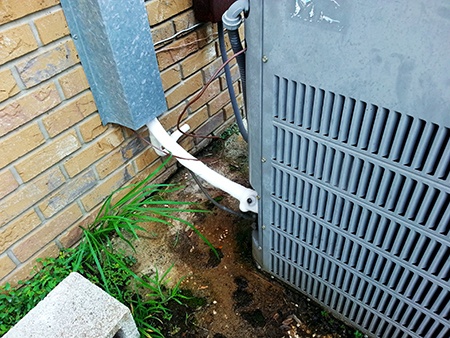
Image Source: www.adams-air.com
Deciphering the Signs of a Frozen Air Conditioner
Spotting an air conditioner that’s frozen isn’t always obvious at first. However, there are several key indicators that point towards this issue. Recognizing these symptoms early can save you from more serious damage and costly repairs down the line.
Visible Ice Buildup on the Unit
The most direct sign of a frozen air conditioner is air conditioner ice buildup. You might see thick layers of ice clinging to different parts of your indoor unit, especially on the frozen evaporator coil. This coil is where the refrigerant absorbs heat from the air. When it gets too cold, moisture in the air freezes onto it.
Ice on AC Fins
Look closely at the metal fins on the evaporator coil. If they are covered in frost or a solid block of ice, this is a clear sign of a frozen system. The fins are designed to increase the surface area for heat transfer, but ice can block airflow, making the unit less effective.
Frozen Refrigerant Lines
You might also notice ice on the refrigerant lines, which are the copper pipes connecting the indoor and outdoor units. Specifically, the larger, insulated line (the suction line) is more prone to freezing if airflow is poor or if there’s a refrigerant issue.
Performance Issues with the AC Unit
Beyond visible ice, the way your AC unit performs will change dramatically when it’s frozen. These changes in operation are critical clues.
AC Unit Not Cooling
One of the most frustrating symptoms of frozen AC is that your AC unit not cooling effectively. Even though the fan might be running, the air coming out of the vents will be warm or only slightly cool. This happens because the ice on the evaporator coil acts as an insulator, preventing the refrigerant from absorbing heat from the air.
AC Blowing Warm Air
In more severe cases, you might notice your AC blowing warm air. This is a direct consequence of the frozen coil’s inability to cool the air passing over it. The system might still be trying to run, but it’s circulating uncooled air throughout your home.
Unusual Noises and Other Clues
Your air conditioner might also start making noises it didn’t before, or you might notice other subtle changes.
Strange Sounds
A frozen AC can sometimes make gurgling or hissing sounds. These noises can indicate issues with refrigerant flow or air trapped in the system. A blocked airflow can also cause the fan motor to work harder, potentially leading to humming or grinding noises.
Reduced Airflow from Vents
Even if you don’t see ice, a significant reduction in the amount of air coming out of your vents can be a sign. This is often due to the ice blocking the pathways for air to travel through the unit and out into your home.
Why Is My AC Frozen? Common Causes
So, why is my AC frozen? Several factors can contribute to this problem. Most of them relate to either restricted airflow or issues with the refrigerant charge.
Restricted Airflow
This is the most common culprit. When warm air can’t flow properly over the evaporator coil, the coil’s temperature drops too low. This causes the moisture in the air to freeze.
Dirty Air Filter
A clogged air filter is the primary reason for restricted airflow. It traps dust, dirt, and debris, preventing air from passing through.
- Consequence: The evaporator coil doesn’t receive enough warm air to keep its temperature above freezing.
- Impact: This leads to air conditioner ice buildup on the coil.
Blocked Vents or Registers
Closed or blocked vents and registers in your home can also impede airflow. Furniture, curtains, or even closed doors can prevent air from circulating back to the AC unit.
- Consequence: The system can’t pull enough warm air into the unit to be cooled.
- Impact: This directly contributes to a frozen evaporator coil.
Dirty Evaporator Coil
Over time, dust and grime can accumulate on the evaporator coil itself, even if the filter is clean. This layer of dirt acts as an insulator, hindering heat absorption.
- Consequence: The coil’s surface becomes too cold.
- Impact: Moisture freezes on the coil, leading to ice on AC fins and potential frozen refrigerant lines.
Low Refrigerant Charge
Refrigerant is the lifeblood of your AC system. If the level is too low, it can cause the system to freeze up.
Refrigerant Leaks
A leak in the refrigerant lines means there isn’t enough refrigerant circulating to properly absorb heat.
- Consequence: The pressure in the evaporator coil drops.
- Impact: This causes the coil to become excessively cold, resulting in air conditioner ice buildup. A low refrigerant charge is a serious issue that requires professional attention.
Other Contributing Factors
While less common, other issues can lead to a frozen AC.
Malfunctioning Blower Fan
The blower fan is responsible for pushing air through the system. If it’s not working correctly or at the right speed, airflow will be reduced.
- Consequence: Insufficient air passes over the evaporator coil.
- Impact: The coil can freeze, leading to the AC unit not cooling.
Thermostat Issues
A malfunctioning thermostat can send incorrect signals to the AC system, causing it to run continuously even when the desired temperature is reached, or not at all.
- Consequence: The system may operate when it shouldn’t, leading to overcooling and freezing.
- Impact: This can manifest as AC blowing warm air if it’s off but the fan is still running, or freezing if it runs too much.
Extreme Outdoor Temperatures
While AC units are designed for heat, extremely high outdoor temperatures can sometimes push them to their limits, especially if other minor issues are present.
- Consequence: The system works harder than usual.
- Impact: This can exacerbate existing airflow problems or refrigerant issues, leading to freezing.
Troubleshooting a Frozen AC Unit: A Step-by-Step Guide
If you suspect your air conditioner is frozen, the first step is always to turn it off. Running a frozen AC can cause further damage. Here’s how to troubleshoot:
Step 1: Turn Off the Air Conditioner
Immediately switch your AC unit to the “Off” position. Do not set it to “Fan Only” yet, as this might continue to circulate cold air.
Step 2: Allow the Unit to Defrost
This is the most crucial step. You need to let the ice melt completely. This can take several hours, or even a full day, depending on how much ice has accumulated.
How to Safely Defrost:
- Turn the thermostat to “Off.”
- Open the vents in your home to allow warmer room air to circulate.
- You can also open windows if the outside air is warmer and less humid than inside.
- Place towels or a shallow pan around the indoor unit to catch melting water.
Do NOT:
- Use a hairdryer or any heat source to speed up defrosting. This can damage the unit.
- Try to chip or scrape away the ice. You could puncture refrigerant lines or damage the coil.
Step 3: Check and Replace the Air Filter
While the unit is defrosting, this is the perfect time to check your air filter.
How to Check and Replace:
- Locate the air filter. It’s usually in the return air grille or inside the air handler unit.
- Remove the old filter. If it’s visibly dirty, clogged, or covered in dust and debris, it was likely the cause of the airflow problem.
- Note the size and type of the filter.
- Purchase a new filter of the same size and type.
- Install the new filter, ensuring it’s facing the correct direction (usually indicated by an arrow).
- Recommendation: Replace your air filter every 1-3 months, depending on usage and environmental factors.
Step 4: Inspect Vents and Registers
Ensure all vents and registers in your home are open and unobstructed.
What to Look For:
- Furniture blocking vents.
- Curtains or blinds hanging in front of registers.
- Closed vents in unused rooms.
- Ductwork leaks or blockages (though this may require professional inspection).
Step 5: Once Defrosted, Turn the AC Back On
After you are certain all ice has melted, you can turn your AC system back on.
What to Expect:
- Set the thermostat to your desired temperature.
- Listen for unusual noises.
- Feel the air coming from the vents. It should be cool.
- Check the thermostat and the AC unit for error codes (if applicable).
Step 6: Monitor the System
Keep an eye on your AC’s performance over the next few hours and days.
What to Watch For:
- Is the air blowing cold?
- Are there any signs of ice reappearing?
- Is the unit making strange noises?
If the problem persists, or if you see ice again shortly after turning it back on, there’s likely a more serious issue.
Advanced Troubleshooting and When to Call a Professional
Sometimes, simple fixes aren’t enough. If your AC continues to freeze up or if you suspect a more complex problem, it’s time to consider calling a qualified HVAC technician.
Issues Requiring Professional Diagnosis
These problems often go beyond DIY troubleshooting and require specialized tools and expertise.
Low Refrigerant Levels
If you’ve replaced the filter and cleared vent blockages and your AC unit not cooling or freezing still occurs, low refrigerant is a strong possibility.
- Why it’s a pro job: Refrigerant is a hazardous substance. Handling it requires specific licenses and equipment to ensure safety and environmental compliance. Technicians can accurately detect leaks, repair them, and recharge the system with the correct amount of refrigerant.
Dirty Evaporator Coil
While you can sometimes clean accessible coils, deeply embedded dirt or corrosion requires professional cleaning methods.
- Why it’s a pro job: Professional cleaning often involves specialized coil cleaners and techniques to avoid damaging the delicate fins or tubing.
Malfunctioning Blower Motor or Fan Capacitor
If the blower fan isn’t moving air correctly, it could be due to a faulty motor or a failing capacitor.
- Why it’s a pro job: These are electrical components that require electrical knowledge and specialized tools to diagnose and replace safely.
Dirty Condenser Coil (Outdoor Unit)
While not directly causing indoor freezing, a dirty condenser coil (on the outdoor unit) makes the entire system work harder. This can indirectly stress components and contribute to freezing if other issues are present.
- Why it’s a pro job: The condenser coil needs thorough cleaning, often with pressure washers and specific cleaning agents, to remove debris and grime effectively.
Drainage Problems
A clogged condensate drain line can cause water to back up, potentially leading to freezing if the water itself freezes or if the system’s internal moisture sensors are affected.
- Why it’s a pro job: Technicians can use specialized tools like drain snakes or compressed air to clear blockages effectively.
Preventive Maintenance: Stopping Future Freezing
The best way to deal with a frozen AC is to prevent it from happening in the first place. Regular maintenance is key.
Regular Filter Changes
- Frequency: Check your air filter monthly and replace it every 1-3 months.
- Benefit: Ensures optimal airflow, preventing a major cause of AC freezing.
Annual Professional Tune-Ups
- Frequency: Schedule a professional inspection and cleaning once a year, typically before the cooling season begins.
- Benefit: A technician can identify and address potential issues like low refrigerant, dirty coils, or failing components before they lead to a freeze-up.
Keeping Outdoor Unit Clear
- Action: Ensure the outdoor condenser unit is free of debris like leaves, grass clippings, and other obstructions.
- Benefit: Allows for efficient heat dissipation, which is crucial for the system’s overall performance.
Frequently Asked Questions (FAQ)
Q1: How long does it take for an AC unit to defrost?
It typically takes several hours, from 4 to 12 hours, for an AC unit to completely defrost. The exact time depends on the amount of ice and the ambient room temperature. It’s important to be patient and not try to rush the process.
Q2: Can I use a heater to defrost my AC?
No, you should never use a heater, hairdryer, or any other heat source to defrost your air conditioner. This can cause severe damage to the coils and other components. Let the ice melt naturally by turning off the AC.
Q3: What happens if I run my AC when it’s frozen?
Running a frozen AC unit can lead to serious damage. The ice buildup restricts airflow, which can cause the compressor to overheat and fail. It can also damage the evaporator coil and other internal components, leading to expensive repairs.
Q4: How often should I change my air filter?
You should check your air filter every month and replace it every 1 to 3 months. If you have pets, allergies, or live in a dusty environment, you may need to change it more frequently. A clean filter is essential for proper airflow and preventing your AC from freezing.
Q5: My AC is still blowing warm air after defrosting. What should I do?
If your AC continues to blow warm air after a thorough defrost and you’ve replaced the air filter, there’s likely an underlying issue. This could be low refrigerant, a problem with the fan motor, or other internal component failures. At this point, it’s best to call a qualified HVAC technician for diagnosis and repair.
Q6: Is it normal for my AC to make a little noise?
Most AC units make some noise during operation. However, if you hear unusual sounds like grinding, squealing, or loud banging, it could indicate a problem. These noises, especially if they start after you’ve noticed an issue like the AC not cooling properly, warrant professional inspection.
Q7: How can I prevent my AC from freezing in the future?
The best prevention methods include regular air filter changes, ensuring unobstructed airflow through vents, and scheduling annual professional maintenance. These steps address the most common causes of AC freezing and help maintain optimal system performance.
By staying vigilant and knowing these signs and troubleshooting steps, you can keep your air conditioner running smoothly and avoid the headache of a frozen system.

My name is Carlos Gadd, and I am the creator of AirPurityGuide.com.. With a passion for footwear, I share my experiences, insights, and expertise about shoes. Through my blog, I aim to guide readers in making informed decisions, finding the perfect pair, and enhancing their footwear knowledge. Join me on this journey to explore everything about shoes!