
Can you clean an electrostatic air filter? Yes, you absolutely can clean an electrostatic air filter! In fact, regular cleaning is crucial for maintaining its effectiveness and extending its lifespan. This guide will walk you through the simple steps involved in electrostatic filter maintenance and cleaning reusable air filters, transforming washing washable air filters into a straightforward chore.
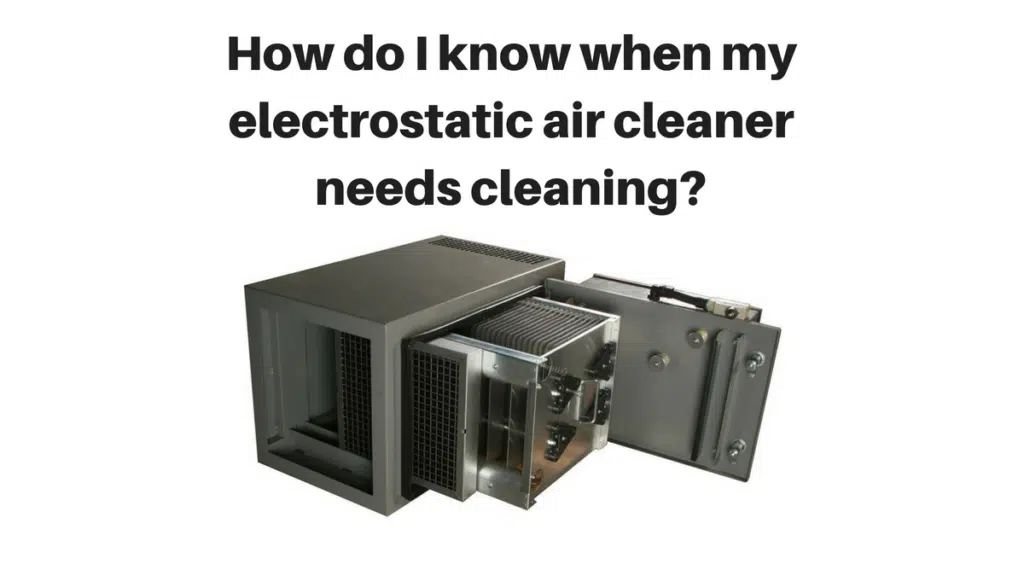
Image Source: beecleanspecialties.com
Why Electrostatic Filter Care Instructions Matter
An electrostatic air filter works by using static electricity to attract and trap airborne particles like dust, pollen, mold spores, and even some bacteria. Over time, these particles build up on the filter media, reducing airflow and diminishing its ability to clean your air. This is where electrostatic filter maintenance becomes vital. Neglecting to clean your filter can lead to several problems:
- Reduced Air Quality: A clogged filter can’t capture new particles effectively, meaning more contaminants circulate in your home.
- Decreased HVAC System Efficiency: When airflow is restricted, your heating and cooling system has to work harder to push air through. This leads to increased energy consumption and higher utility bills.
- Potential HVAC Damage: In extreme cases, a severely clogged filter can cause your HVAC system to overheat or freeze up, potentially leading to costly repairs.
- Shorter Filter Lifespan: While electrostatic filters are designed to be reusable, improper cleaning or a lack of cleaning altogether can damage the filter media, shortening its electrostatic air filter lifespan.
This guide is designed to make DIY electrostatic air filter cleaning a breeze, helping you keep your home healthy and your HVAC system running smoothly. We’ll cover everything from preparing your workspace to restoring electrostatic filter performance.
Gathering Your Supplies for Washing Washable Air Filters
Before you begin cleaning reusable air filters, gather all the necessary supplies. Having everything ready will make the process much smoother.
Here’s what you’ll need for effective electrostatic filter cleaning:
- Protective Gear:
- Gloves: To protect your hands from dirt and cleaning solutions.
- Mask: To avoid inhaling dust and allergens stirred up during cleaning.
- Eye Protection (Optional but Recommended): To prevent dust or cleaning solution from entering your eyes.
- Cleaning Tools:
- Vacuum Cleaner with Brush Attachment: For an initial dry removal of loose debris.
- Soft Brush or Sponge: For gently scrubbing the filter media. Avoid abrasive scrubbers.
- Garden Hose or Shower Head: For rinsing the filter.
- Mild Dish Soap or a Dedicated Electrostatic Filter Cleaner: Ensure the cleaner is safe for electrostatic filters. Avoid harsh chemicals or bleach, as they can damage the static-generating components.
- Bucket or Sink: Large enough to hold the filter for soaking and rinsing.
- Clean Towels or a Drying Rack: For drying the filter completely.
Step-by-Step Guide to DIY Electrostatic Air Filter Cleaning
Follow these simple steps for electrostatic filter maintenance and to ensure your filter is restoring electrostatic filter performance effectively.
Step 1: Initial Dust Removal
This first step is crucial for getting rid of loose debris before wetting the filter.
- Remove the Filter: Locate your electrostatic air filter in your HVAC system. Most are found in the return air duct, either in the wall or ceiling. Carefully slide the old filter out. Note the airflow direction arrow on the filter frame; you’ll need to reinsert it correctly later.
- Vacuum Thoroughly: Take the filter outdoors or to a well-ventilated area. Using your vacuum cleaner with a soft brush attachment, gently vacuum both sides of the filter. Work in the direction of the airflow (from the side that air enters to the side it exits) to dislodge as much dust and debris as possible. Pay attention to the edges of the filter frame.
Step 2: Washing the Filter
Now it’s time for the wet cleaning process. This is where the majority of the grime is removed.
- Prepare the Cleaning Solution: In your bucket or sink, mix a small amount of mild dish soap with lukewarm water. If you’re using a specialized electrostatic filter cleaner, follow the manufacturer’s instructions for dilution.
- Soak and Scrub: Submerge the filter in the soapy water. Let it soak for about 10-15 minutes to loosen stubborn dirt.
- Gentle Scrubbing: Using your soft brush or sponge, gently scrub the filter media. Work in the direction of the airflow again. Don’t scrub too hard, as you could damage the electrostatic components. Focus on areas with visible buildup. You might need to rinse your brush or sponge several times.
Step 3: Rinsing the Filter
Thorough rinsing is key to removing all soap residue.
- Rinse Thoroughly: Use your garden hose or shower head to rinse the filter. Again, rinse from the side the air enters to the side it exits. Continue rinsing until all soap bubbles and loosened dirt are gone. Ensure no soap residue remains, as this can affect the filter’s electrostatic charge and potentially leave a residue on your HVAC components.
Step 4: Drying the Filter
This is a critical step for electrostatic filter care instructions. A damp filter can lead to mold growth and damage your HVAC system.
- Shake Off Excess Water: Gently shake the filter to remove as much standing water as possible.
- Air Dry Completely: This is the best way to clean electrostatic filters. Place the filter on a clean towel or a drying rack in a well-ventilated area. Do NOT place it in direct sunlight for extended periods, as excessive heat can degrade the filter material. Allow it to air dry completely. This can take several hours, depending on humidity and temperature. Ensure both sides are thoroughly dry before reinstallation. You can speed up the process by gently patting it dry with clean towels, but avoid rubbing.
Step 5: Reinstallation
Once your filter is bone dry, it’s time to put it back to work.
- Check Airflow Direction: Locate the airflow direction arrow on the filter frame.
- Insert Correctly: Slide the clean, dry filter back into its slot in your HVAC system, ensuring the arrow points in the direction of airflow (usually towards your furnace or air handler).
- Secure the Filter: Make sure the filter is seated properly and securely in its housing.
How Often Should You Clean Your Electrostatic Filter?
The frequency of electrostatic filter maintenance depends on several factors:
- Home Environment: If you have pets, live in a dusty area, or have occupants with allergies or respiratory issues, you’ll likely need to clean your filter more often.
- Usage: How often your HVAC system runs will also influence how quickly the filter gets dirty.
- Filter Type: Some electrostatic filters are designed for higher dust capture and may require more frequent cleaning.
As a general guideline:
- Check Monthly: It’s a good practice to visually inspect your electrostatic filter every month.
- Clean Every 1-3 Months: Most homeowners will find cleaning their electrostatic filter every 1 to 3 months to be sufficient for optimal performance. If it appears visibly dirty or clogged during your monthly check, it’s time for a cleaning.
This consistent cleaning schedule is key to maximizing the electrostatic air filter lifespan and ensuring the effectiveness of cleaning reusable air filters.
Deep Cleaning Electrostatic Filters: When and How
Sometimes, a standard wash isn’t enough, especially if the filter has been neglected for a while. Deep cleaning electrostatic filters can help revive performance.
When to Deep Clean:
- Stubborn Grime: If simple washing doesn’t remove all the buildup, a deeper clean might be necessary.
- Significant Reduction in Airflow: If you notice a drastic decrease in airflow despite regular cleaning, a deeper clean can help.
- Restoring Performance: Over time, even with regular washing, the electrostatic charge might diminish. A deeper clean can sometimes help reactivate this.
Deep Cleaning Methods:
Stronger (But Safe) Cleaning Solution:
- You can use a slightly more concentrated solution of mild dish soap and water.
- Alternatively, some manufacturers recommend a diluted solution of vinegar and water (e.g., 1 part white vinegar to 3 parts water) for a more thorough clean. Vinegar is a natural disinfectant and can help break down tougher residues. Always rinse thoroughly after using vinegar.
- Important: Always check your filter manufacturer’s recommendations before using any cleaning solution, especially if it’s not a standard household one.
Soaking Time:
- Allow the filter to soak for a longer period, perhaps 30 minutes to an hour, in the cleaning solution.
Gentle Agitation:
- After soaking, you can gently agitate the filter in the water to help loosen trapped particles.
Multiple Rinses:
- Perform extra rinses to ensure all cleaning solution is removed.
After deep cleaning, the drying process remains the same: shake off excess water and air dry completely.
Maintaining Electrostatic Precipitators: A Broader View
While this guide focuses on electrostatic air filters commonly found in HVAC systems, it’s worth noting that electrostatic precipitators (ESPs) are also used in larger industrial air purification systems. The core principle of using an electric charge to capture particles is the same, but the maintenance for large ESPs is often more complex and may require professional attention.
However, for the electrostatic air filter in your home, consistent cleaning as outlined above is the key to maintaining electrostatic precipitators at a residential level. Think of it as regular upkeep to keep the “spark” of static electricity alive and well.
Common Mistakes to Avoid in Electrostatic Filter Care Instructions
Even with a good guide, some common pitfalls can hinder your DIY electrostatic air filter cleaning efforts.
Mistakes to Avoid:
- Using Harsh Chemicals: Bleach, ammonia, or abrasive cleaners can permanently damage the electrostatic media and even the frame. Always opt for mild soap or manufacturer-recommended cleaners.
- Using High-Pressure Water: While rinsing, avoid using a pressure washer or a very strong jet from a hose, as this can tear or deform the filter material.
- Reinstalling a Damp Filter: This is a recipe for mold and mildew growth within your HVAC system, which is worse than a dirty filter. Ensure it’s completely dry.
- Using Heat to Dry: Never use a hair dryer, oven, or direct sunlight for prolonged periods to speed up drying. Excessive heat can warp plastic components or damage the electrostatic properties.
- Forgetting the Airflow Arrow: Installing the filter backward will reduce its effectiveness and strain your HVAC system.
- Over-Washing: While cleaning is important, excessively aggressive scrubbing can reduce the electrostatic air filter lifespan. Be gentle.
The Electrostatic Air Filter Lifespan and When to Replace
Electrostatic filters are designed to be durable and reusable, offering a significantly longer lifespan than disposable filters when properly maintained. However, nothing lasts forever.
Factors Affecting Lifespan:
- Cleaning Frequency and Method: Regular, gentle cleaning extends life; neglect or harsh cleaning shortens it.
- Filter Quality: Higher-quality filters tend to be more robust.
- Environmental Factors: Extreme dust or pollution can wear out even well-maintained filters faster.
Signs It’s Time for a New Filter:
- Visible Damage: If you notice tears, rips, or significant warping in the filter media or frame, it’s time for a replacement.
- Persistent Odors: If even after thorough cleaning, the filter continues to smell musty or unpleasant, it might be harboring deeply embedded contaminants or mold.
- Reduced Performance: If you’ve cleaned the filter meticulously, but your HVAC system still struggles with airflow or air quality, the filter might have lost its electrostatic charge or be permanently degraded.
- Age: While there’s no strict age limit, most manufacturers suggest replacing electrostatic filters every 5-10 years, even with good maintenance, as the materials can degrade over time.
Replacing your electrostatic filter at the right time ensures your system continues to operate efficiently and effectively.
Frequently Asked Questions (FAQ)
Q1: Can I use my dishwasher to clean my electrostatic air filter?
While some might consider it, it’s generally not recommended to use a dishwasher. The high heat and harsh detergents in a dishwasher can damage the delicate electrostatic media and plastic components, shortening the electrostatic air filter lifespan. Hand washing with mild soap and lukewarm water is the best way to clean electrostatic filters.
Q2: How do I know if my electrostatic filter is still working?
A clean, properly functioning electrostatic filter will attract dust and fine particles to its surfaces. After cleaning and drying, you should notice improved airflow from your vents, and your air should feel cleaner. If you’ve followed the cleaning steps and still experience poor performance, the filter might need replacement. You can also observe if dust particles are more readily attracted to the filter media a few days after cleaning.
Q3: What happens if I don’t clean my electrostatic filter?
As discussed earlier, not cleaning your electrostatic filter leads to reduced air quality, decreased HVAC efficiency, higher energy bills, and potential damage to your HVAC system. The filter will become clogged, restricting airflow and making your system work much harder.
Q4: Can I use compressed air to clean my electrostatic filter?
While tempting, using compressed air is generally not advised for washing washable air filters of the electrostatic type. The high pressure can easily damage the filter media, reducing its ability to hold a charge and capture particles. Gentle vacuuming with a brush attachment is a safer initial step.
Q5: How do I recharge an electrostatic filter?
Electrostatic filters are designed to generate their own charge through the movement of air across the media. While some deep cleaning methods might help restore electrostatic filter performance, there isn’t a separate “recharging” process in the way one might recharge a battery. Proper maintenance and avoiding damaging cleaning methods are key to preserving its electrostatic capabilities throughout its electrostatic air filter lifespan.
Q6: Are electrostatic filters better than HEPA filters?
Both have their pros and cons. Electrostatic filters are reusable and cost-effective over the long term. They are good at capturing larger particles like dust and pollen. HEPA (High-Efficiency Particulate Air) filters, however, are designed to capture a much higher percentage of very fine particles, including allergens, smoke, and bacteria, often down to 0.3 microns. HEPA filters are typically disposable and more expensive to replace. The “better” filter depends on your specific needs for air purification.
By following these electrostatic filter care instructions, you can ensure your home’s air remains clean and your HVAC system runs efficiently for years to come. Happy cleaning!

My name is Carlos Gadd, and I am the creator of AirPurityGuide.com.. With a passion for footwear, I share my experiences, insights, and expertise about shoes. Through my blog, I aim to guide readers in making informed decisions, finding the perfect pair, and enhancing their footwear knowledge. Join me on this journey to explore everything about shoes!