
A car air conditioner doesn’t have a set “recharge” schedule like an oil change, but it will need AC system servicing if it stops cooling effectively or if there’s a leak in the system. While you can do an AC refrigerant top-up yourself, it’s often best left to a professional to ensure the system is properly diagnosed and serviced.
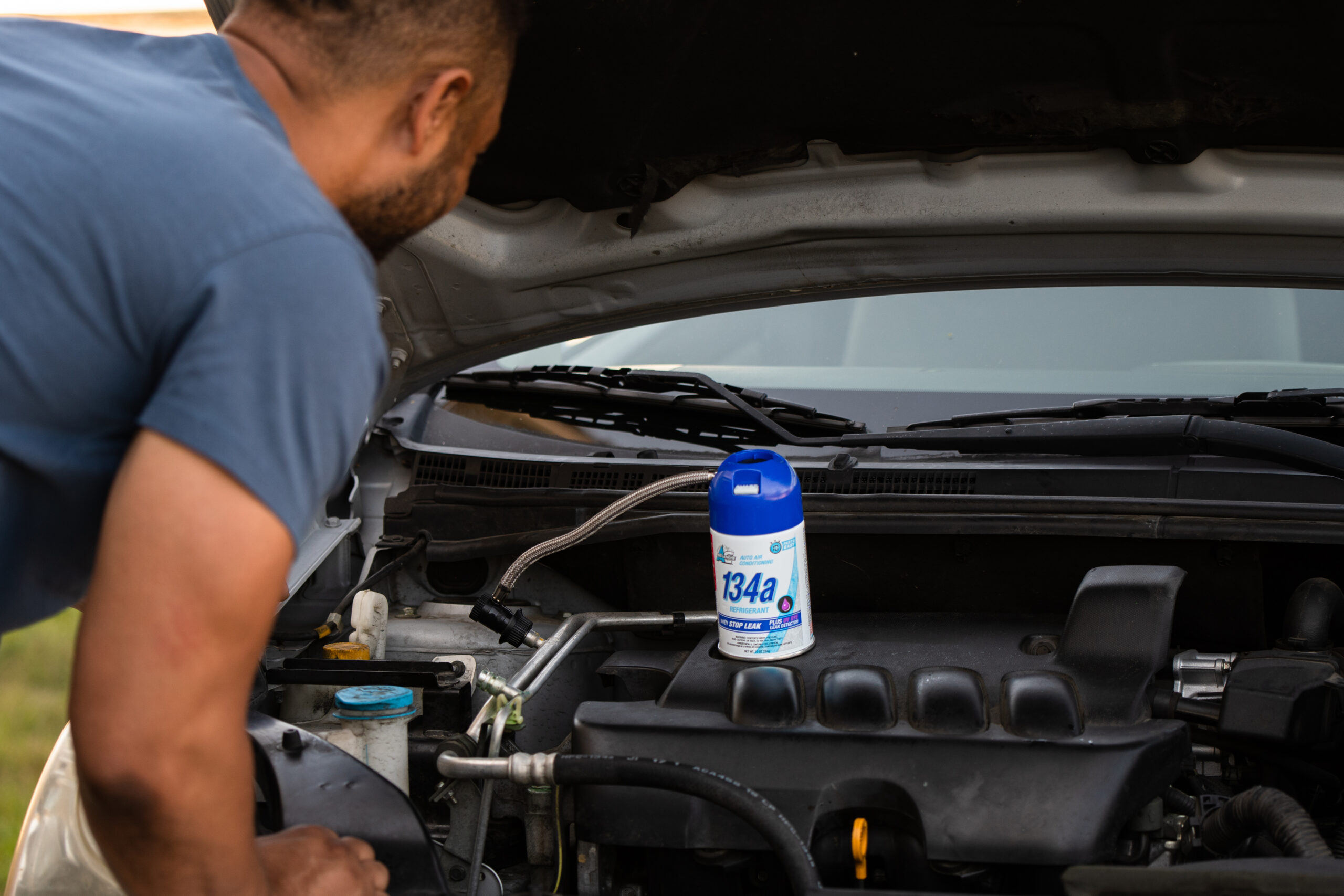
Image Source: azblogsingle.wpengine.com
Deciphering AC Service Frequency: What’s the Real Deal?
Many car owners wonder, “How often do car air conditioners need to be recharged?” It’s a common question, especially when the summer heat rolls in and your car’s AC suddenly seems weak. The truth is, there isn’t a universal answer with a specific mileage or time frame. Unlike oil changes or tire rotations, car AC recharge frequency isn’t a matter of routine maintenance based on time. Instead, it’s directly tied to the condition and integrity of your car’s AC system.
Your car’s air conditioning system is a closed loop. It uses a special gas called refrigerant to cool the air. This refrigerant circulates through the system, absorbing heat from the cabin and releasing it outside. For the system to work efficiently, it needs to be completely sealed. If your AC is cooling as it should, there’s no need for a recharge. The refrigerant doesn’t get “used up.” It’s the leaks that cause the refrigerant levels to drop, leading to a loss of cooling.
Therefore, the more accurate question isn’t “How often do car air conditioners need to be recharged?” but rather “When does my car’s air conditioner need a recharge, and why?” This shifts the focus from a hypothetical schedule to a condition-based assessment.
When to Recharge Car AC: Spotting the Signs
The primary indicator that your car AC might need attention is a noticeable decline in its cooling performance. If you turn on your AC and it blows cool but not cold air, or if it struggles to cool the cabin even on a moderate day, it’s a strong hint that something is amiss. Here are some specific signs of low refrigerant:
- Weak or Warm Airflow: This is the most obvious sign. If the air coming from your vents isn’t as cold as it used to be, or if it feels more like ambient air, your refrigerant level is likely low.
- AC Blows Hot Air: In extreme cases, if the refrigerant is critically low, the AC may blow hot air instead of cool.
- Unusual Noises: While not directly a sign of low refrigerant, strange noises coming from the AC system (like hissing or grinding) can indicate a problem, potentially a leak or a failing component, which could lead to refrigerant loss.
- Ice Forming on AC Lines: Sometimes, low refrigerant can cause the evaporator to freeze over, leading to reduced airflow and the formation of ice.
- AC Cycling On and Off Frequently: If the compressor is constantly engaging and disengaging, it might be trying to compensate for low refrigerant or a system imbalance.
Fathoming AC Leak Detection: The Root Cause
The most common reason for needing an AC refrigerant top-up is a leak. Refrigerant isn’t consumed; it’s lost. Think of it like a bicycle tire. If it goes flat, it’s not because the air was used up, but because there’s a puncture letting it escape. Your car’s AC system has numerous seals, hoses, and connections, and over time, these can degrade, crack, or loosen, creating tiny leaks.
AC leak detection is a crucial step before any recharge. Simply adding more refrigerant without finding and fixing the leak is like pouring water into a leaky bucket – it will just escape again, and you’ll be back to square one, potentially wasting money and harming the environment. Professional mechanics use specialized equipment to find these leaks:
- UV Dye: A fluorescent dye is added to the AC system. The system is run for a while, and then a UV light is used to scan for leaks. The dye will show up as a bright glow wherever the refrigerant is escaping.
- Electronic Leak Detectors: These are highly sensitive devices that can detect the presence of refrigerant in the air. They are often used to pinpoint small or hard-to-reach leaks.
- Nitrogen Pressure Test: After recovering any remaining refrigerant, the system is pressurized with dry nitrogen. Leaks can be detected by a drop in pressure or by listening for escaping gas.
How Often Does Car AC Need Service?
The frequency of AC system servicing is, therefore, entirely dependent on the health of the system. A well-maintained, leak-free AC system might never need a refrigerant recharge in its lifetime. However, if your car is older, or if you’ve noticed a gradual decline in cooling, you might require periodic checks and potential top-ups.
Here’s a breakdown of factors influencing automotive AC service frequency:
- Age of the Vehicle: Older cars are more prone to leaks due to aging rubber hoses and seals.
- Previous Repairs: If the AC system has been opened for other repairs, there’s a small chance a leak might develop at the re-sealing points.
- Environmental Factors: Extreme temperatures and vibrations can put stress on AC components, potentially leading to leaks.
- Manufacturing Defects: In rare cases, a manufacturing defect could cause a premature leak.
The Car AC Maintenance Schedule: Proactive Steps
While there’s no set schedule for recharging, a proactive approach to car AC maintenance schedule can help prevent problems and ensure your system is always working efficiently. Regular checks, even when the system seems fine, can catch minor issues before they become major ones.
Here are some recommended practices:
- Run Your AC Regularly: Even during cooler months, run your AC for about 10-15 minutes every couple of weeks. This circulates the refrigerant and lubricant, keeping seals moist and preventing them from drying out and cracking.
- Listen for Unusual Noises: Pay attention to any new sounds your AC system makes. Hissing, grinding, or squealing can be early warnings.
- Check Airflow: Ensure the airflow from your vents is strong and consistent. Reduced airflow could indicate a clogged cabin air filter or a problem with the blower motor, but it can also be a symptom of low refrigerant impacting the system’s efficiency.
- Inspect Cabin Air Filters: A dirty cabin air filter restricts airflow, making your AC work harder and potentially reducing its effectiveness. Replacing these regularly is a simple but important maintenance task.
- Periodic Professional Inspections: Consider having your AC system inspected by a qualified mechanic during your regular car service. They can check for refrigerant levels, system pressure, and signs of wear or potential leaks.
Refrigerant Recharge Intervals: When is it Necessary?
Refrigerant recharge intervals are dictated by leaks. If your system is holding pressure and cooling effectively, there is no interval. You only need a recharge when the refrigerant level drops due to a leak.
- Minor Leaks: If your AC develops a very small leak, you might only need an AC refrigerant top-up every year or two, and the cooling will gradually diminish.
- Significant Leaks: A larger leak could cause a rapid loss of cooling, requiring a recharge sooner. More importantly, a significant leak needs immediate attention to find and repair the source.
The AC Refrigerant Top-Up Process: What Happens?
When your mechanic performs an AC refrigerant top-up, they typically follow these steps:
- Recover Existing Refrigerant: Any remaining refrigerant is safely recovered using specialized equipment to prevent its release into the atmosphere.
- System Evacuation (Vacuum): The system is then put under a deep vacuum for a period. This removes any moisture and air that may have entered the system, which can cause corrosion and reduce efficiency. It also helps confirm that the system is leak-free at that moment.
- Leak Testing: If a leak is suspected or confirmed, it will be addressed now. This might involve repairing a hose, replacing a seal, or fixing a component.
- Recharging with Refrigerant: Once the system is leak-free and evacuated, the correct type and amount of refrigerant are added, usually by weight, according to the vehicle manufacturer’s specifications.
- System Performance Check: The mechanic will then run the AC and check its performance, measuring pressures and temperatures to ensure it’s operating correctly.
Consequences of Ignoring Low Refrigerant Levels
Simply adding refrigerant without addressing the underlying leak can be a short-term fix with long-term consequences:
- System Damage: Low refrigerant can lead to the compressor not being adequately lubricated, causing premature wear and potential failure. The compressor is an expensive part to replace.
- Reduced Efficiency: Even with a partial recharge, a leaking system won’t cool as efficiently as it should, leading to higher fuel consumption as the engine works harder.
- Environmental Harm: Refrigerants are potent greenhouse gases. Leaks contribute to climate change. Proper recovery and disposal are vital.
- Costly Repairs: Ignoring small leaks can allow moisture and contaminants to enter the system, which can cause more extensive and expensive damage over time.
Can I Recharge My Car AC Myself?
While DIY AC recharge kits are readily available at auto parts stores, it’s generally advisable to have this service performed by a professional. Here’s why:
- Correct Refrigerant Type: Different vehicles use different types of refrigerants (e.g., R-134a or the newer R-1234yf). Using the wrong type can damage your system.
- Accurate Quantity: Overcharging or undercharging the system can lead to performance issues and damage. Professional equipment allows for precise measurement by weight.
- Leak Detection and Repair: DIY kits don’t typically include proper leak detection tools. You might be recharging a system that continues to leak, wasting your money and effort.
- Safety: Refrigerants are under pressure. Mishandling them can cause frostbite or eye injury.
- Environmental Regulations: In some regions, only certified technicians are allowed to handle refrigerants due to environmental regulations.
When Professional AC Service is Essential
If you notice any of the signs of low refrigerant, or if your AC system is not performing well, it’s time to consult a professional. They have the tools, knowledge, and training to:
- Accurately diagnose the problem.
- Perform effective AC leak detection.
- Safely recover and recharge refrigerant.
- Repair any leaks or faulty components.
- Ensure the system is operating at peak efficiency.
The car AC maintenance schedule should prioritize checking the system’s performance and addressing any issues promptly. Instead of focusing on a recharge frequency, focus on the health of your AC system. Regular checks and prompt repairs for any detected leaks are the best way to ensure your car’s air conditioning provides reliable comfort for years to come.
Frequently Asked Questions (FAQ)
Q1: My car AC is blowing a little warm. Do I need a recharge?
A1: Warm air is a strong indicator of low refrigerant, likely due to a leak. You’ll need AC leak detection to find and fix the leak before a recharge. Simply topping it up without fixing the leak is a temporary solution.
Q2: How long does a car AC recharge typically last?
A2: If the system has no leaks, a recharge is not needed. If there is a leak, the duration the recharge lasts depends entirely on the size and location of the leak. A well-repaired system should hold its charge indefinitely.
Q3: Can I use a DIY AC recharge kit?
A3: While kits are available, it’s generally recommended to have your AC serviced by a professional. Professionals can accurately diagnose issues, perform proper leak detection, and ensure the correct type and amount of refrigerant are used, preventing potential damage to your system.
Q4: What are the main causes of AC leaks in cars?
A4: The most common causes include aging rubber hoses and seals that degrade over time, cracks in metal components due to vibration or corrosion, loose fittings, and damage from road debris.
Q5: Does running my AC in winter damage it?
A5: No, in fact, running your AC periodically in winter can be beneficial. It helps circulate the refrigerant and lubricates the system’s seals, preventing them from drying out and potentially cracking, which could lead to leaks when you need the AC most.
Q6: How often should the cabin air filter be replaced?
A6: A general guideline is to replace the cabin air filter every 12,000 to 15,000 miles or once a year. Check your car’s owner’s manual for specific recommendations. A clean cabin filter ensures good airflow and prevents your AC from working harder than necessary.
Q7: What happens if I overcharge my car’s AC system?
A7: Overcharging can cause excessive pressure within the system, leading to reduced cooling efficiency, damage to the compressor, and potentially other component failures. It can also make the system run hotter.
Q8: Is R-1234yf refrigerant the same as R-134a?
A8: No, they are different types of refrigerants. R-1234yf is a newer, more environmentally friendly refrigerant that is being phased in by many manufacturers. It is crucial to use the correct refrigerant type specified for your vehicle, as using the wrong one can cause significant damage.

My name is Carlos Gadd, and I am the creator of AirPurityGuide.com.. With a passion for footwear, I share my experiences, insights, and expertise about shoes. Through my blog, I aim to guide readers in making informed decisions, finding the perfect pair, and enhancing their footwear knowledge. Join me on this journey to explore everything about shoes!