
So, how often should you recharge your air conditioner? Generally, a healthy AC unit doesn’t need frequent recharging. You should only need to add refrigerant if there’s a leak. If your AC is blowing warm air or not cooling as effectively as it used to, it might be a sign of low refrigerant, which could indicate a leak.
Air conditioners are designed to be sealed systems. This means the refrigerant inside should stay within the system for its entire lifespan. Think of it like the oil in your car’s engine – it’s meant to stay put unless there’s a problem. So, if you find yourself asking “how often air conditioner recharge?”, the most honest answer is: as little as possible. The need for a refrigerant top up or AC gas refill usually signals an underlying issue, not a routine maintenance requirement.
Let’s dive deeper into why this is the case and what you should do if you suspect your AC needs a recharge. We’ll explore the signs of low refrigerant, the importance of a refrigerant leak check, and what goes into an AC system charge. We’ll also touch on how much refrigerant is typically needed and the factors influencing AC recharge cost.
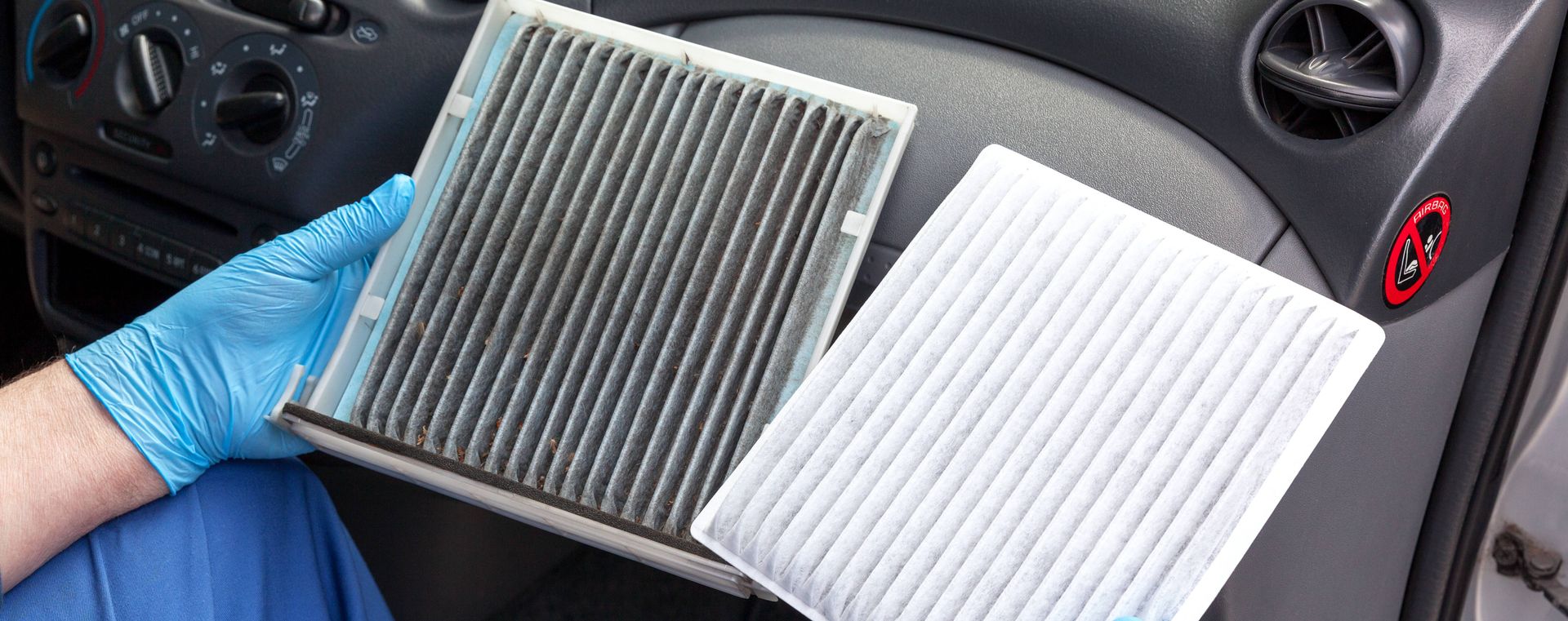
Image Source: irp.cdn-website.com
Why ACs Don’t Need Regular Recharging
The primary reason your air conditioner doesn’t need regular recharging is its design. It’s a closed-loop system. Refrigerant circulates within this loop, changing from a liquid to a gas and back again. This process absorbs heat from your home and releases it outside, thus cooling your space.
If the refrigerant levels are dropping, it means that refrigerant is escaping the system. This is almost always due to a refrigerant leak. It’s like finding your car losing oil – it doesn’t mean you need to add oil every week; it means you need to find and fix the leak.
Refrigerant: The Lifeblood of Your AC
Refrigerant is the substance that makes air conditioning possible. It’s a special chemical that can easily turn from a liquid to a gas and back. This change allows it to absorb heat.
- Evaporation: Inside the evaporator coil (the part inside your home), the liquid refrigerant absorbs heat from the warm indoor air passing over it. As it absorbs heat, it turns into a gas.
- Compression: The gaseous refrigerant then moves to the compressor (the part outside). The compressor squeezes this gas, increasing its pressure and temperature.
- Condensation: The hot, high-pressure gas then flows to the condenser coil (also outside). Here, it releases the absorbed heat to the outside air and turns back into a liquid.
- Expansion: Finally, the liquid refrigerant passes through an expansion valve, which lowers its pressure and temperature before it returns to the evaporator coil to start the cycle again.
This cycle relies on a precise amount of refrigerant. Too little, and the system can’t cool effectively. Too much, and it can also cause problems. This is why a professional needs to ensure the correct AC system charge.
Signs Your AC Might Need a Recharge (and What It Really Means)
If your air conditioner isn’t cooling properly, you might think it needs a coolant refill. While that might be the case, it’s crucial to remember that this usually points to a leak. Here are common signs:
- Warm Air Blowing: The most obvious sign is air coming from your vents that isn’t cool. If the temperature coming out is the same or warmer than the room temperature, your system isn’t working efficiently.
- Slow Cooling: Your AC takes much longer than usual to cool down your home, or it struggles to reach the desired temperature.
- High Energy Bills: A system that’s working harder due to low refrigerant will consume more electricity, leading to higher utility bills.
- Ice Buildup: You might notice ice forming on the refrigerant lines or the indoor evaporator coil. This happens because the low refrigerant pressure causes the coil to get too cold, freezing any moisture in the air.
- Hissing or Bubbling Sounds: These unusual noises can indicate a refrigerant leak.
If you notice any of these signs, the first step should be to call a qualified HVAC technician for an air conditioner service. They can perform a thorough diagnosis, including a refrigerant leak check.
The Importance of a Refrigerant Leak Check
When an HVAC technician checks your AC, they won’t just add more refrigerant without investigating. A professional diagnosis will involve:
- Pressure Checks: They’ll use gauges to measure the refrigerant pressure. Low pressure is a strong indicator of a leak.
- Leak Detection: Technicians have specialized tools to find leaks, such as electronic leak detectors, soap bubbles applied to lines, or even UV dye that shows up under a special light.
- Repairing the Leak: Before any AC gas refill, the leak must be found and fixed. This might involve repairing or replacing a faulty component like a coil, valve, or line.
- Evacuation and Recharge: Once the leak is sealed, the system is typically evacuated to remove any air or moisture. Then, it’s recharged with the correct amount of refrigerant. This is often referred to as restoring the HVAC refrigerant level.
Just adding refrigerant without fixing the leak is like putting a band-aid on a major wound. The problem will return, and you’ll be stuck in a cycle of unnecessary refrigerant top ups.
How Much Refrigerant Does an AC Need?
The amount of refrigerant an AC unit requires varies greatly depending on the size and type of the system. This is often referred to as the AC system charge. It’s not a one-size-fits-all answer.
- System Size: Larger homes and larger AC units need more refrigerant. This can range from a few pounds for a smaller residential unit to much more for commercial systems.
- Refrigerant Type: Different types of refrigerants (like R-22, R-410A) have different densities and charging requirements.
- Manufacturer Specifications: Each AC unit is designed to operate with a specific amount of refrigerant, as specified by the manufacturer. This information is usually found on a data plate on the outdoor unit.
A qualified technician will use the manufacturer’s specifications and specialized charging equipment to ensure the system has the correct AC system charge. They might charge by weight (using a scale) or by superheat/subcooling measurements, which are indicators of proper refrigerant levels.
Common Causes of Refrigerant Leaks
Leaks don’t just appear out of nowhere. They usually result from wear and tear or installation issues.
Age and Wear and Tear
Over time, the metal components of your AC system can corrode or develop small holes. Vibration from the unit’s operation can also cause fittings to loosen.
Manufacturing Defects
Though less common, a component might have a defect from the factory that leads to a leak later on.
Installation Errors
Improper installation, such as poorly brazed or tightened connections, can be a common source of leaks.
Accidental Damage
Physical damage to the outdoor unit, like from a lawnmower or falling debris, can puncture refrigerant lines.
Corrosion
In coastal areas or places with high humidity, the metal components can corrode, leading to leaks.
What Happens If You Don’t Address Low Refrigerant?
Ignoring the signs of low refrigerant can lead to several problems, impacting both your comfort and your wallet.
Reduced Cooling Efficiency
The primary function of your AC is to cool your home. Low refrigerant means it can’t absorb and dissipate heat effectively, leading to a less comfortable living environment.
Increased Energy Consumption
To compensate for the lack of cooling, your AC unit will run longer and harder. This increased workload translates directly into higher electricity bills.
Damage to the Compressor
The compressor is the heart of your AC system. When refrigerant levels are low, the compressor can overheat and suffer severe damage. Refrigerant not only cools but also lubricates the compressor. Without enough of it, the compressor can seize up, leading to a very expensive repair or replacement.
Frozen Evaporator Coils
As mentioned earlier, low refrigerant can cause the evaporator coils to freeze over. This blockage further reduces airflow and cooling, and can eventually lead to system failure.
When is a Refrigerant Top Up Necessary?
A refrigerant top up is only necessary after a leak has been identified and repaired. It’s not a routine maintenance task.
Professional Diagnosis is Key
If you suspect low refrigerant, do not attempt to add it yourself. Refrigerants are potent chemicals that require specialized equipment and knowledge to handle safely. Incorrectly charging an AC unit can damage the system, reduce its efficiency, and pose environmental risks.
The Process of a Recharge
When a technician performs an AC recharge, they will:
- Locate and repair the leak.
- Evacuate the system (remove all old refrigerant and air).
- Vacuum the system to remove moisture.
- Recharge the system with the precise amount of the correct refrigerant type, according to manufacturer specifications. This ensures the correct HVAC refrigerant level.
AC Recharge Cost: What to Expect
The AC recharge cost can vary depending on several factors:
- Amount of Refrigerant: The price of refrigerant itself is a significant part of the cost. Newer refrigerants like R-410A are more expensive than older ones like R-22.
- Labor Costs: The technician’s hourly rate and the time it takes to diagnose and repair the leak.
- Repair Costs: If a leak requires replacing a part (like a coil or line), this will add to the overall expense.
- Location: Costs can differ based on your geographic location and local market rates.
A simple refrigerant top up on a small leak might cost a few hundred dollars. However, if a major component needs replacement, the cost can easily climb into the thousands. It’s always best to get a detailed quote from a reputable HVAC professional.
Is it Worth Recharging an Old AC?
This is a common question, especially if your AC unit is old and has a significant leak. If your AC is over 10-15 years old and requires a major refrigerant recharge, it might be more cost-effective in the long run to consider a replacement. Older units are often less energy-efficient, and a costly repair on an aging system might not be the best investment.
Maintaining Your AC for Optimal Performance
Preventative maintenance is key to avoiding frequent refrigerant top ups. Regular air conditioner service can help catch minor issues before they become major problems.
Regular Tune-Ups
Schedule annual check-ups with an HVAC professional. They will:
- Clean coils (indoor and outdoor)
- Check refrigerant levels and pressure
- Inspect electrical connections
- Lubricate moving parts
- Check thermostat operation
- Inspect ductwork for leaks
Clean or Replace Air Filters
Dirty air filters restrict airflow, making your AC work harder. Change your filters regularly, typically every 1-3 months, depending on the filter type and your household’s conditions (pets, allergies, etc.). This is a simple yet effective way to maintain good HVAC refrigerant level efficiency.
Keep the Outdoor Unit Clear
Ensure the area around your outdoor condenser unit is clear of debris, plants, and obstructions. This allows for proper airflow, which is crucial for the system’s efficiency.
Check for Visible Signs of Leaks
Occasionally, visually inspect your indoor and outdoor units for any signs of oil residue around refrigerant lines, which can indicate a leak.
Frequently Asked Questions About AC Recharging
Here are some common questions people have about AC recharging:
Q1: Can I recharge my AC myself?
A1: It is strongly discouraged for homeowners to attempt AC recharging themselves. Refrigerants are hazardous chemicals, and specialized equipment and knowledge are required for safe and proper handling. Incorrect charging can damage your system and is often illegal without proper certification.
Q2: How do I know if my AC has a refrigerant leak?
A2: Signs include your AC blowing warm air, reduced cooling capacity, ice buildup on refrigerant lines or coils, unusual hissing or bubbling sounds, and higher energy bills. A professional air conditioner service is the best way to confirm a leak.
Q3: What type of refrigerant does my AC use?
A3: The type of refrigerant is usually listed on a data plate or sticker on your outdoor AC unit. Common refrigerants include R-22 (older systems, phased out due to environmental concerns) and R-410A (newer systems). If you’re unsure, an HVAC technician can identify it during a service call.
Q4: Is a refrigerant top-up the same as an AC recharge?
A4: Yes, these terms are often used interchangeably to describe the process of adding refrigerant to an air conditioning system. However, it’s important to remember that this should only be done after a leak has been found and repaired.
Q5: How much refrigerant is in my AC?
A5: The exact amount of refrigerant, known as the AC system charge, varies by system size and model. Your HVAC technician will refer to the manufacturer’s specifications to determine the correct amount.
Q6: Will my AC need recharging every year?
A6: No, a properly functioning and sealed AC system should not need a refrigerant top up every year. The need for regular recharging indicates a problem, most commonly a leak.
Q7: What is the difference between refrigerant and coolant?
A7: In the context of air conditioners, the terms “refrigerant” and “coolant” are often used interchangeably. Refrigerant is the specific chemical that circulates within the AC system to absorb and release heat, thus providing cooling.
Q8: How often should I get an air conditioner service?
A8: It is generally recommended to have your air conditioner serviced annually, ideally before the cooling season begins. This helps ensure optimal performance and can prevent costly breakdowns.
By keeping these points in mind, you can ensure your air conditioner runs efficiently and effectively, providing comfort when you need it most. Remember, proactive maintenance and professional servicing are your best allies against unexpected AC problems and unnecessary AC recharge cost.

My name is Carlos Gadd, and I am the creator of AirPurityGuide.com.. With a passion for footwear, I share my experiences, insights, and expertise about shoes. Through my blog, I aim to guide readers in making informed decisions, finding the perfect pair, and enhancing their footwear knowledge. Join me on this journey to explore everything about shoes!