
Does your air conditioner need Freon? Unlike a car’s oil change, Freon, also known as refrigerant, isn’t something your air conditioner consumes. It circulates within a sealed system, and its presence indicates a healthy AC. If your system is low on refrigerant, it means there’s a leak somewhere. The question isn’t how long Freon lasts, but rather, how long the AC refrigerant charge should last in a properly functioning, sealed system.
A well-maintained air conditioner with a properly sealed refrigerant system should never lose Freon. The refrigerant is designed to cycle continuously, facilitating the cooling process. Therefore, the lifespan of Freon in your AC is essentially indefinite, as long as the system remains leak-free. If you suspect you need to recharge your AC, it’s a strong indicator of a leak that needs professional attention, not just a simple refrigerant top-off. Understanding AC coolant life is crucial to diagnosing and addressing potential problems effectively.
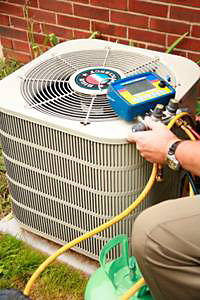
Image Source: wg.scene7.com
The Sealed System: A Constant Cycle
Your air conditioner operates using a closed-loop system. This means the refrigerant, commonly known as Freon (though Freon is a brand name for R-22, and modern systems use different refrigerants like R-410A), is contained within a sealed network of pipes and components. It changes state from a liquid to a gas and back again, absorbing heat from your home and releasing it outdoors. This continuous cycle is what provides cool air.
How Refrigerant Works in Your AC
Think of the refrigerant as the lifeblood of your air conditioner. It travels through the evaporator coil (inside your home), where it absorbs heat and turns into a gas. This warm gas then moves to the compressor, which pressurizes it and sends it to the condenser coil (outside your home). In the condenser, the refrigerant releases the heat it absorbed and turns back into a liquid, ready to start the cycle again.
What Happens When Refrigerant is Low?
If your AC isn’t cooling effectively, or if you’re noticing increased energy bills, a common culprit is low refrigerant. However, this isn’t because the Freon has been “used up.” It signifies that there’s a leak in the system. Refrigerant doesn’t evaporate or get consumed like fuel. It’s a contained substance.
The Real Issue: Refrigerant Leaks
The primary reason an air conditioner might need “more Freon” is due to a leak. These leaks can occur over time due to:
- Corrosion: Metal components, especially in older systems or those located in humid or coastal environments, can corrode, leading to small pinhole leaks.
- Vibrations: The constant operation of the AC system can cause vibrations, which over years, can loosen fittings or create stress points in the refrigerant lines, leading to leaks.
- Manufacturing Defects: Though less common, a faulty component or a poor connection during manufacturing can result in a leak from the start.
- Wear and Tear: Like any mechanical system, AC components experience wear and tear. Seals can degrade, and joints can weaken, allowing refrigerant to escape.
Identifying a Refrigerant Leak
Recognizing a refrigerant leak early is key to preventing further damage to your system and ensuring optimal air conditioner cooling efficiency. Here are some signs to look out for:
- Weak or No Cooling: The most obvious sign is that your AC isn’t cooling your home as effectively as it used to, or it’s blowing warm air.
- Increased Energy Bills: When the refrigerant level is low, your AC has to work harder and longer to achieve the desired temperature, leading to higher electricity consumption.
- Ice Buildup: Low refrigerant can cause the evaporator coil to get too cold, leading to ice formation. This further impedes airflow and cooling.
- Hissing or Bubbling Sounds: If you hear unusual noises coming from your outdoor unit or refrigerant lines, it might indicate a leak.
- Visible Puddles or Leaks: In some cases, you might see oily residue around refrigerant line connections, which is often a sign of a leak. The oil circulates with the refrigerant.
- Slow or Inconsistent Cooling: The temperature inside your home might fluctuate more than usual, or it might take a very long time to cool down.
How Often to Recharge AC? The Myth of Regular Top-Offs
The concept of “how often to recharge AC” is a misconception. In a properly functioning, sealed system, you should never need to recharge the AC with Freon. If your system is losing refrigerant, it needs to be repaired.
The Dangers of Frequent Refrigerant Top-Offs
Simply adding more refrigerant without fixing the leak is a temporary and potentially harmful solution for several reasons:
- Environmental Impact: Refrigerants like R-22 are potent greenhouse gases. Releasing them into the atmosphere contributes to climate change.
- System Damage: Refrigerant and oil circulate together. If refrigerant is leaking, so is the lubricating oil. Adding refrigerant without adding oil can lead to compressor damage.
- Reduced Efficiency: Even with a partial charge, the system’s ability to transfer heat is compromised, leading to reduced cooling efficiency and increased energy use.
- Costly Repairs Later: Ignoring a leak and repeatedly topping off the refrigerant can lead to more severe damage, potentially requiring expensive component replacements, including the compressor.
The Correct Procedure: Leak Detection and Repair
When a technician suspects low refrigerant, the correct procedure involves:
- Freon Leak Detection: Using specialized equipment, technicians will meticulously inspect the entire refrigerant system to locate the source of the leak. This can involve electronic leak detectors, soap bubbles, or nitrogen pressure testing.
- Repairing the Leak: Once found, the leak must be repaired. This might involve brazing a small hole, replacing a faulty fitting, or repairing a damaged line.
- Evacuating the System: The system is then evacuated using a vacuum pump to remove all air and moisture, which can degrade refrigerant and oil.
- Recharging the System: The system is then recharged with the correct type and amount of refrigerant specified by the manufacturer. This is critical for proper operation and is often measured by weight.
Factors Influencing AC Refrigerant Levels and Longevity
While a sealed system shouldn’t lose refrigerant, several factors can affect the overall AC refrigerant charge and the perceived longevity of the cooling system.
Refrigerant Capacity and Type
- Refrigerant Capacity: This refers to the total amount of refrigerant the system is designed to hold. This is specified by the manufacturer and is crucial for efficient operation. Overcharging or undercharging can cause problems.
- Refrigerant Type: Older systems often use R-22 (Freon), which is being phased out due to its ozone-depleting properties. Newer systems use R-410A or other alternative refrigerants. The type of refrigerant is important because they have different operating pressures and characteristics.
HVAC Refrigerant Levels and System Health
Maintaining correct HVAC refrigerant levels is a direct indicator of a healthy system. Deviations from the recommended levels usually point to a problem.
- Undercharged System: This means there is less refrigerant than required. Symptoms include poor cooling, ice on the evaporator coil, and increased energy consumption.
- Overcharged System: This means there is too much refrigerant. Symptoms include high system pressures, reduced cooling capacity, and potential damage to the compressor.
AC Coolant Life: Beyond the Refrigerant Itself
When we talk about “AC coolant life,” we’re often indirectly referring to the lifespan and efficiency of the entire AC system. A system that consistently maintains its refrigerant charge will generally last longer and perform better.
Freon System Longevity
The longevity of the Freon system, or more accurately, the refrigerant circuit, is directly tied to its integrity. A system that has had multiple leaks, even if repaired, may be more prone to future leaks. Regular maintenance and prompt repair of any issues are essential for maximizing Freon system longevity.
The Role of Maintenance in Refrigerant Longevity
Proactive maintenance plays a significant role in preventing refrigerant leaks and ensuring your air conditioner operates at peak performance.
Regular Inspections
Schedule annual or bi-annual check-ups with a qualified HVAC technician. They can:
- Inspect refrigerant lines for signs of corrosion or damage.
- Check for oily residue, which can indicate a leak.
- Test system pressures to ensure correct refrigerant levels.
- Clean coils and check for any obstructions that might affect system performance.
Filter Replacement
Dirty air filters can restrict airflow, causing the evaporator coil to freeze over. This can lead to pressure imbalances within the system and, in some cases, exacerbate existing or minor leaks. Regularly changing your air filter (usually every 1-3 months) is a simple yet crucial maintenance task.
Keeping the Outdoor Unit Clear
Ensure the outdoor unit (condenser) is free from debris like leaves, grass clippings, and dirt. Blocked fins reduce the system’s ability to dissipate heat, making it work harder and potentially leading to component stress.
When Freon Becomes a Costly Issue: The R-22 Phase-Out
For those with older air conditioning systems, the mention of “Freon” (R-22) brings another layer of complexity. R-22 is being phased out globally due to its negative environmental impact.
The R-22 Phase-Out Timeline
The production and import of R-22 have been significantly reduced and will eventually cease entirely. This has led to:
- Increased Cost: The dwindling supply of R-22 has made it increasingly expensive to purchase for servicing older systems.
- Limited Availability: Finding technicians who still stock and are willing to work with R-22 can become more challenging.
What to Do with an R-22 System
If your AC uses R-22 and you experience a refrigerant leak, you face a decision:
- Repair and Recharge with R-22: This is becoming prohibitively expensive and is a short-term fix if the system is old.
- Retrofit: In some cases, an older R-22 system can be retrofitted to use a more modern refrigerant. However, this is a complex process and not always feasible or cost-effective.
- Replace the System: For many homeowners with R-22 systems that are aging or experiencing significant issues, replacing the entire unit with a new, energy-efficient system that uses a modern refrigerant is the most sensible long-term solution. This also eliminates the concern of refrigerant obsolescence.
Modern Refrigerants: R-410A and Beyond
Newer air conditioning systems utilize refrigerants like R-410A. These refrigerants are considered more environmentally friendly than R-22, although they are still potent greenhouse gases.
R-410A vs. Freon (R-22)
- Environmental Impact: R-410A has zero ozone depletion potential (ODP), making it a better choice for the ozone layer. However, its global warming potential (GWP) is still significant.
- Operating Pressures: R-410A operates at higher pressures than R-22, meaning systems designed for R-410A have different components (e.g., thicker copper tubing, different compressors) and require specialized tools and knowledge for servicing.
- Efficiency: R-410A systems are generally more energy-efficient than older R-22 systems.
Refrigerant Top-Off Frequency with Modern Systems
Just like with R-22, modern systems with R-410A should not require regular refrigerant top-offs. Any loss of refrigerant indicates a leak that needs professional diagnosis and repair. The principles of leak detection and repair remain the same.
Factors Affecting Air Conditioner Cooling Efficiency
The presence of the correct amount of refrigerant is fundamental to your air conditioner’s air conditioner cooling efficiency. Other factors that play a role include:
- Cleanliness of Coils: Dirty evaporator and condenser coils reduce heat transfer, hindering efficiency.
- Airflow: Clogged air filters, blocked vents, or dirty blower components restrict airflow, reducing cooling performance.
- Ductwork: Leaky or poorly insulated ductwork can lose a significant amount of cooled air before it reaches your rooms.
- Insulation and Air Sealing: The effectiveness of your home’s insulation and how well it’s sealed against air leaks directly impacts how much cool air your AC needs to produce and how often it needs to run.
- Thermostat Settings: Setting your thermostat too low can cause the system to run continuously, reducing efficiency.
Your Role in Maintaining Refrigerant Integrity
While technicians handle refrigerant, you can contribute to maintaining system integrity and preventing leaks:
- Schedule Regular Maintenance: This is the most crucial step. Don’t wait for a breakdown.
- Address Warning Signs Promptly: If you notice any of the leak symptoms, call a qualified HVAC professional immediately.
- Choose a Reputable Technician: Ensure your HVAC contractor is licensed, insured, and experienced with your type of system and refrigerant. They should follow proper procedures for leak detection and repair.
- Educate Yourself: Knowing the basics of how your AC works and what to look out for empowers you to make informed decisions about its care.
Frequently Asked Questions (FAQ)
Q1: Can I add Freon to my AC myself?
It is strongly discouraged for homeowners to attempt to add refrigerant themselves. Handling refrigerants requires specialized training, equipment, and certification due to safety and environmental regulations. Improper handling can lead to injury, damage to your AC unit, and legal penalties for releasing refrigerants into the atmosphere.
Q2: My AC is blowing warm air. What should I do?
First, check your thermostat to ensure it’s set to “Cool” and the temperature is set lower than the current room temperature. Also, check if the air filter is dirty, as a clogged filter can restrict airflow. If these basic checks don’t resolve the issue, and the air is still warm, it’s time to call a qualified HVAC technician. It’s likely a refrigerant issue or another mechanical problem.
Q3: How much does it cost to recharge an AC with Freon?
The cost of recharging an AC with Freon (R-22) can vary significantly, but it is generally expensive due to the refrigerant’s scarcity. You’ll be paying for both the refrigerant itself and the technician’s labor for diagnosis and repair. It’s crucial to get a quote that includes leak detection and repair, not just a simple “recharge.” For newer systems using R-410A, the cost is typically lower than for R-22, but the principle of repair over simple recharging still applies.
Q4: Does Freon need to be replaced over time?
No, Freon (or any refrigerant) does not need to be replaced over time in a properly sealed system. It is a medium that cycles continuously. If it’s gone, it’s because of a leak.
Q5: What is the lifespan of an air conditioner?
The average lifespan of a central air conditioner is typically between 10 to 15 years, though this can vary based on usage, maintenance, and the quality of the unit. A system that experiences frequent refrigerant leaks may have a shorter operational lifespan due to the stress placed on its components.
By focusing on maintaining a leak-free system through regular professional checks and addressing issues promptly, you ensure your air conditioner operates efficiently and reliably for years to come. The goal is to prevent the need for refrigerant top-offs altogether.

My name is Carlos Gadd, and I am the creator of AirPurityGuide.com.. With a passion for footwear, I share my experiences, insights, and expertise about shoes. Through my blog, I aim to guide readers in making informed decisions, finding the perfect pair, and enhancing their footwear knowledge. Join me on this journey to explore everything about shoes!