
When your air conditioner freezes, the immediate question is: How long does it take for an air conditioner to unfreeze? Generally, a frozen AC can take anywhere from a few hours to 24 hours or more to completely thaw, depending on the severity of the ice buildup and the methods used to defrost it. Simply turning off the AC and letting it run in fan-only mode is the passive approach, but active steps can expedite the process.
A frozen air conditioner is a common problem, and it’s frustrating when your cooling system stops working. Ice on the AC coils, often called AC freezing time, indicates a problem that needs to be addressed. This ice acts like a blanket, preventing your AC from effectively cooling your home. Knowing how to handle a frozen AC and how long the defrosting air conditioner process typically takes is crucial for homeowners. This article will delve into the causes of AC freezing, the steps involved in how long to defrost ice, factors influencing AC unit thaw time, and what to do to prevent it from happening again.
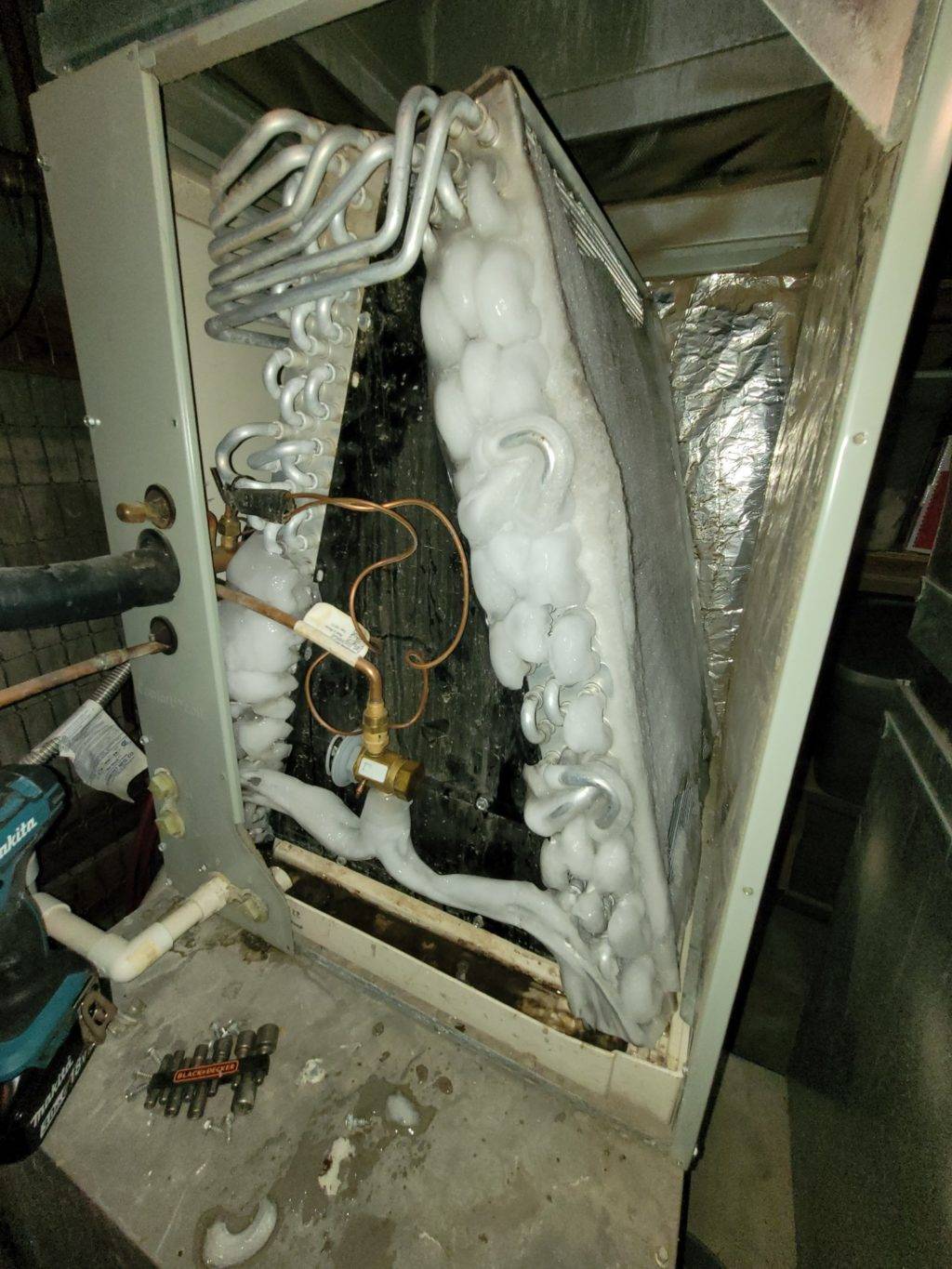
Image Source: www.manmadediy.com
Why Does Your AC Freeze Up?
Before we discuss time to thaw frozen AC, let’s explore why this happens in the first place. The primary culprit behind a frozen AC is usually a lack of sufficient airflow. When warm, moist air from your home doesn’t pass over the evaporator coil (the indoor coil) correctly, the coil gets too cold. This cold coil then causes the moisture in the air to freeze onto it.
Several factors can contribute to this airflow issue:
Restricted Airflow Causes
- Dirty Air Filter: This is the most common reason. A clogged air filter prevents air from moving freely through the system. Imagine trying to breathe through a thick scarf – it’s difficult. The same happens with your AC.
- Blocked Vents or Registers: Furniture, curtains, or other obstructions blocking your indoor vents force the air to recirculate within the unit, leading to reduced airflow over the coils.
- Blocked Return Air Grilles: Similar to vents, blocked return air grilles restrict the amount of air that can be drawn into the AC system.
- Blower Motor Issues: If the blower motor, which is responsible for pushing air through the ducts, is malfunctioning or not running at the correct speed, it can significantly reduce airflow.
Refrigerant Issues
- Low Refrigerant Levels: Refrigerant is the substance that absorbs heat from your home. If the refrigerant level is too low (often due to a leak), the pressure in the evaporator coil drops. This lower pressure causes the coil to become excessively cold, leading to freezing.
- Refrigerant Leaks: Any leak in the refrigerant lines will inevitably lead to low refrigerant levels, initiating the freezing process.
Other Contributing Factors
- Dirty Evaporator Coil: Beyond airflow, a dirty evaporator coil itself can impede heat transfer. Dust and grime act as insulators, making it harder for the coil to absorb heat and thus easier to freeze.
- Thermostat Problems: A malfunctioning thermostat might not correctly signal the AC unit to cycle on and off, potentially leading to continuous operation and freezing.
- Cold Outdoor Temperatures: Running your air conditioner when the outdoor temperature is below 60-65°F (15-18°C) can cause the system to freeze up. The AC is designed to operate within specific temperature ranges.
How Long Does It Take For Air Conditioner To Unfreeze? The Thawing Process
So, you’ve discovered ice on your AC unit. What’s the next step, and how long can you expect before it’s back to normal? The air conditioner ice removal duration depends on several factors.
The Passive Thawing Method (Fan-Only Mode)
The safest and most recommended initial step is to turn off the cooling function of your AC. Many people make the mistake of just turning the entire unit off. Instead, you should set your thermostat to “Fan Only” mode. This allows the fan to continue circulating air over the frozen coils, helping to melt the ice.
- Duration: The time to thaw frozen AC using this method can vary significantly. For a thin layer of ice, it might only take a few hours. For thick ice buildup, it could take 12 to 24 hours, or even longer.
- What to Expect: During this time, you will see water dripping from the unit as the ice melts. Ensure the condensate drain line is clear to handle the excess water.
- Important: Never try to chip or scrape the ice off. This can damage the delicate fins of the evaporator coil and potentially the refrigerant lines.
Active Thawing Methods (Use with Caution)
While passive thawing is preferred, sometimes you need to speed things up, especially in extreme heat. However, these methods carry risks if not done correctly.
- Using a Hair Dryer (Low Heat Setting): For minor ice buildup on accessible parts of the unfreezing AC coil, you can use a hairdryer on a low heat setting. Always keep the hairdryer moving to avoid overheating any single spot. Ensure the electrical components are completely dry and disconnected before attempting this.
- Duration: This can significantly reduce the AC unit thaw time for small areas, perhaps by a couple of hours.
- Using a Fan: Placing a regular house fan in front of the indoor unit to blow air directly onto the frozen coil can also help speed up the melting process. This is similar to the “Fan Only” mode but provides more directed airflow.
- Duration: This might shave a few hours off the total defrosting air conditioner time.
Table 1: Estimated AC Thawing Times
| Ice Thickness | Method | Estimated Time to Thaw | Notes |
|---|---|---|---|
| Light | Fan Only Mode | 1-4 hours | Safest method, allows natural melting. |
| Moderate | Fan Only Mode | 4-12 hours | Requires patience, monitor for leaks. |
| Heavy | Fan Only Mode | 12-24+ hours | May require multiple cycles of thawing and checking. |
| Light (accessible) | Hair Dryer (low) | 1-2 hours | Use with extreme caution, keep moving, avoid electrical parts. |
| Light | Extra Fan | 2-6 hours | Direct airflow onto the frozen coil. |
Factors Influencing How Long To Defrost Ice
The exact how long to defrost ice is not a one-size-fits-all answer. Several variables play a role in the AC unit ice build-up time and subsequent thawing:
1. The Extent of Ice Buildup
This is the most significant factor. A thin layer of frost will melt much faster than a thick, solid block of ice. If your evaporator coil is encased in ice, it will take considerably longer to thaw.
2. Ambient Temperature and Humidity
- Warmer temperatures outside and inside your home will naturally speed up the thawing process.
- Higher humidity can sometimes slow down the melting of ice, as the air is already saturated with moisture.
3. Airflow Rate
- Higher fan speeds (when set to “Fan Only” mode) will circulate more air over the coils, accelerating melting.
- Ensure your vents and registers are open and unobstructed to allow maximum airflow.
4. System Operation (Post-Thaw)
Once the ice is gone, you still need to ensure the underlying problem is resolved before turning the cooling back on. If you turn the cooling back on too soon, the AC could freeze up again, especially if the issue persists.
Steps to Take When Your AC is Frozen
When you notice your AC is frozen, here’s a step-by-step guide to handle the situation and determine the air conditioner ice removal duration:
- Turn Off Cooling: Immediately switch your thermostat from “Cool” to “Fan Only”. This is the most crucial first step to allow the ice to melt without further strain on the system.
- Check and Replace Air Filter: While the ice is melting, inspect your air filter. If it’s dirty or clogged, replace it with a clean one. This is often the primary cause and addressing it now can prevent future freeze-ups.
- Inspect Vents and Registers: Ensure all supply and return air vents and registers in your home are open and not blocked by furniture, drapes, or anything else.
- Wait for Thawing: Allow the unit to thaw completely. As mentioned, this can take several hours to a full day. You’ll see water draining as the ice melts. Make sure the condensate drain line is clear.
- Check for Leaks: If you suspect low refrigerant, you might notice signs like slow cooling even after thawing, or ice returning quickly. Refrigerant leaks require professional attention.
- Turn Cooling Back On: Once you are absolutely certain all ice has melted from the evaporator coil (you can often see it through an access panel, or by feeling the air coming from the vents – it should be cool and not weak), you can switch the thermostat back to “Cool.”
- Monitor Performance: Keep an eye on your AC’s performance. If it starts to freeze up again, or if cooling is still weak, it’s time to call a professional HVAC technician. They can diagnose issues like low refrigerant, faulty blower motors, or dirty coils that you might not be able to fix yourself.
When is AC Defrosted? Signs of a Fully Thawed Coil
How do you know when is AC defrosted? Here are some indicators:
- Visible Absence of Ice: The most obvious sign is that all visible ice has completely melted from the evaporator coil.
- Normal Water Drainage: The unit will be draining water, but the flow should normalize. If it’s still a torrent of water, there might be residual ice.
- Strong Airflow from Vents: When you turn the system back to cool, the air coming from the vents should be strong and cool. If the airflow is weak, it might indicate that some ice is still present or that there’s another airflow restriction.
- No Strange Noises: A frozen unit might make gurgling or hissing sounds. Once thawed, these sounds should cease.
Preventing Future Freeze-Ups: Proactive Maintenance
Once your AC is thawed, you want to avoid experiencing AC freezing time again. Regular maintenance is key to preventing your AC from freezing up.
Regular Air Filter Replacement
- Frequency: Check your air filter monthly and replace it every 1-3 months, depending on the filter type, the number of pets in your home, and how often you run your AC.
- Benefit: A clean filter ensures proper airflow, the most critical factor in preventing freeze-ups.
Keep Vents and Registers Clear
- Action: Regularly walk through your home and ensure no furniture, rugs, or curtains are blocking any vents or registers.
- Benefit: This allows air to circulate freely throughout your home and the AC system.
Schedule Professional Maintenance
- Frequency: Have your HVAC system professionally inspected and serviced at least once a year, ideally before the cooling season begins.
- Benefits: Technicians can check refrigerant levels, clean coils, inspect the blower motor, and identify potential problems before they lead to freeze-ups. They will also ensure the condensate drain is clear.
Monitor Outdoor Temperatures
- Guideline: Avoid running your AC when outdoor temperatures are consistently below 60-65°F (15-18°C).
- Reasoning: The AC system relies on a temperature differential to operate correctly. Low outdoor temperatures can cause the system to malfunction and freeze.
Coil Cleaning
- Indoor Coil (Evaporator Coil): A dirty evaporator coil restricts airflow and heat absorption. Professional cleaning during annual maintenance is recommended.
- Outdoor Coil (Condenser Coil): While not directly causing freezing, a dirty outdoor coil makes the entire system work harder, which can indirectly contribute to issues. Keep the area around your outdoor unit clear of debris.
Troubleshooting Common AC Freezing Issues
Sometimes, even after thawing and changing the filter, your AC might continue to freeze. This suggests a more significant underlying issue.
Low Refrigerant
- Symptoms: Ice on the coil, poor cooling, hissing sounds, sometimes oily residue around refrigerant lines.
- Action: This indicates a leak. Do not attempt to add refrigerant yourself. Call a qualified HVAC technician. They will locate the leak, repair it, and recharge the system with the correct amount of refrigerant.
Fan Malfunction
- Symptoms: No air or very weak airflow from vents, even with a clean filter. Ice on the coil.
- Action: The blower motor might be failing or the fan capacitor could be bad. A technician can diagnose and replace faulty components.
Clogged Condensate Drain Line
- Symptoms: Water backup, potential water damage, and sometimes the AC freezing due to moisture sitting on the coil.
- Action: Clear the drain line. This can often be done with a wet/dry vacuum or by using a plumber’s snake. If it’s severely clogged, a technician may be needed.
Frequently Asked Questions (FAQ)
Q1: Can I run my AC if it’s frozen?
A1: No, you should not run your AC in “Cool” mode if it’s frozen. This can damage the compressor and other components. Switch it to “Fan Only” mode to allow it to thaw.
Q2: How long does it typically take to defrost an AC?
A2: A frozen AC can take anywhere from a few hours to 24 hours or more to fully defrost, depending on the severity of the ice and the methods used.
Q3: What should I do first when my AC freezes?
A3: The first step is to turn your thermostat from “Cool” to “Fan Only” mode to allow the ice to melt.
Q4: Is it okay to chip ice off the AC unit?
A4: Absolutely not. Never chip or scrape ice off your AC unit. This can easily damage the delicate evaporator coil fins or refrigerant lines.
Q5: What causes an AC to freeze up?
A5: The most common causes are restricted airflow (dirty filter, blocked vents) and low refrigerant levels.
Q6: How can I speed up the defrosting process?
A6: You can speed up the process by using the “Fan Only” setting, ensuring all vents are open, and in some cases, carefully using a fan directed at the unit or a hairdryer on a low setting for accessible parts, with extreme caution.
Q7: When is the AC completely defrosted?
A7: The AC is defrosted when all visible ice is gone, the airflow from the vents is strong and cool, and any unusual noises have stopped.
Q8: How long does it take to thaw a frozen AC coil?
A8: Thawing a frozen AC coil can take anywhere from 4 hours to over 24 hours, primarily relying on the “Fan Only” setting and ambient conditions.
Q9: What is the general AC unit thaw time?
A9: The general AC unit thaw time is typically between 4 to 24 hours when using the recommended “Fan Only” method.
Q10: Can a dirty evaporator coil cause AC freezing?
A10: Yes, a dirty evaporator coil restricts airflow and heat absorption, making it prone to freezing.
By following these guidelines, you can effectively manage a frozen AC, determine the appropriate time to thaw frozen AC, and take steps to prevent recurrence, ensuring your home stays comfortable throughout the warmer months. If you frequently experience frozen AC units, it’s a clear signal to call a professional HVAC technician to diagnose and fix the root cause.

My name is Carlos Gadd, and I am the creator of AirPurityGuide.com.. With a passion for footwear, I share my experiences, insights, and expertise about shoes. Through my blog, I aim to guide readers in making informed decisions, finding the perfect pair, and enhancing their footwear knowledge. Join me on this journey to explore everything about shoes!