
If your air conditioner is making noise, especially a high-pitched squealing sound, it’s a clear sign something needs attention. A squealing AC unit often indicates a problem with its moving parts, such as a worn-out bearing or an unbalanced fan. Can you fix it yourself? Yes, in some cases, simple issues can be resolved by a homeowner.
A noisy air conditioner can be incredibly annoying. That persistent squeak can disrupt your peace and quiet, making your home less comfortable. But before you call in the expensive repair folks, let’s explore why your AC is making that noise and how you can potentially quiet it down. This guide will delve into the common culprits behind a squeaking air conditioner and provide practical steps to silence that bothersome sound.
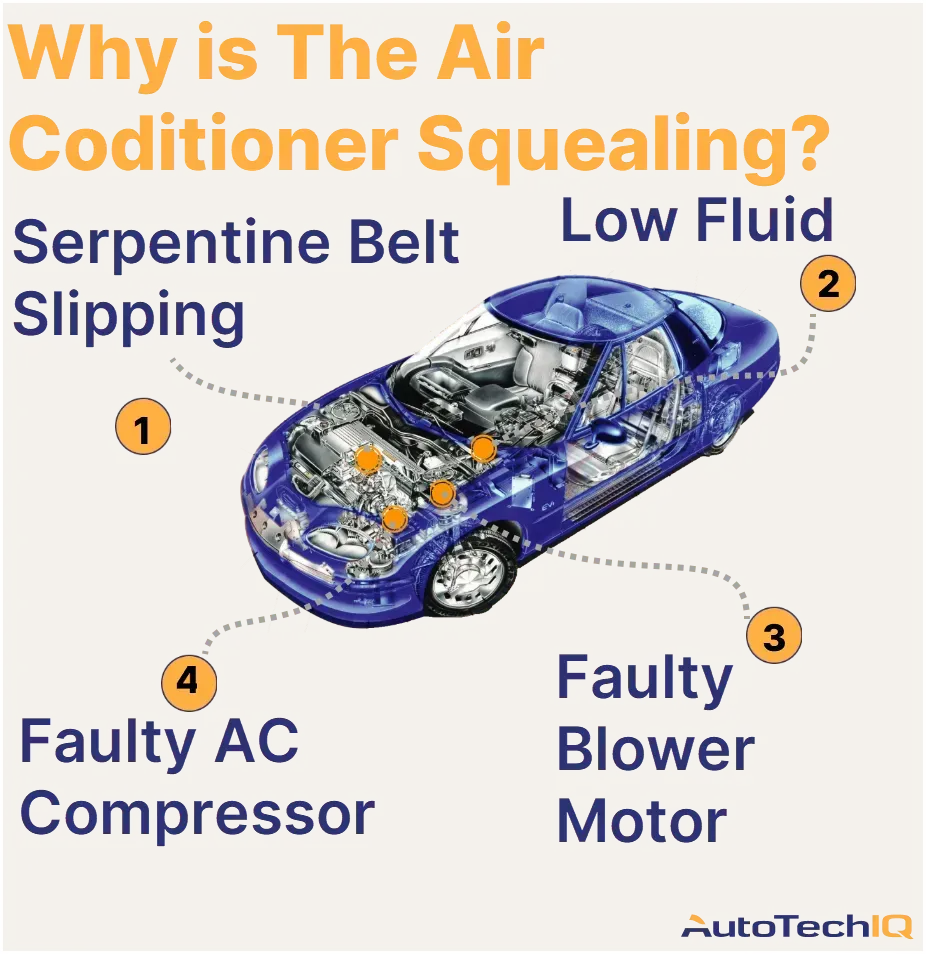
Image Source: www.autotechiq.com
Deciphering the Squeak: Common Causes of AC Noise
When your air conditioner starts making unusual sounds, it’s like a car engine giving you a warning. A squealing AC unit is no different. It’s the system’s way of saying, “Hey, something’s not quite right here!” Let’s break down the most frequent reasons behind that unwelcome AC making noise.
AC Fan Squeak: The Spinning Culprit
One of the most common sources of squeaking is the fan motor. This is the part that blows air throughout your home. Like any motor with moving parts, it relies on bearings to spin smoothly.
- Worn-out Bearings: Over time, the lubrication in the bearings can dry out, or the bearings themselves can simply wear down. This friction causes the metal-on-metal contact that results in a squeaking or grinding sound. You might hear an AC fan squeak when the unit first turns on or as it slows down.
- Loose Fan Blades: If the fan blades are loose or bent, they can hit the fan shroud or other components as they spin. This can create a squealing or rattling AC sound.
- Motor Issues: Sometimes, the motor itself might be failing. This is a more serious issue and will likely require a professional to diagnose and repair or replace.
Compressor Squealing: The Heart of Your AC
The compressor is essentially the “heart” of your air conditioning system. It’s responsible for circulating the refrigerant that cools your home. If your compressor is squealing, it’s usually a more significant concern.
- Overheating: A compressor can overheat due to several reasons, including low refrigerant levels or a malfunctioning capacitor. When it gets too hot, it can start to squeal as it struggles to operate.
- Bearing Failure: Similar to the fan motor, the compressor also has bearings. If these bearings fail, they can cause a loud squealing noise. This is often a sign of significant internal wear.
- Electrical Issues: Sometimes, electrical problems with the compressor or its associated components can lead to unusual noises, including squealing.
HVAC Squeak from Belts and Pulleys
In older or certain types of HVAC systems, a fan belt might be used to drive the blower motor.
- Slipping Belt: If the belt is loose, worn, or damaged, it can slip on the pulley. This slippage often produces a high-pitched squealing sound, especially when the motor starts.
- Misaligned Pulleys: If the pulleys are not properly aligned, they can cause the belt to wear unevenly and create a squeak.
Refrigerant Issues and Squeaks
While less common for a squealing sound, problems with your refrigerant can sometimes contribute to unusual noises.
- Low Refrigerant: If your system is low on refrigerant, it can cause the compressor to work harder and potentially overheat, leading to noises. However, this usually manifests as a hissing or gurgling sound, not typically a squeal.
- Blockages: Blockages in the refrigerant lines can also cause pressure imbalances, which might lead to noises, though again, squealing isn’t the most common symptom.
Other Contributors to AC Making Noise
Beyond the main components, other issues can contribute to a noisy air conditioner.
- Loose Panels or Screws: Sometimes, the metal panels of your AC unit might become loose. As the unit vibrates during operation, these loose panels can rattle or squeak.
- Ductwork Problems: While not directly part of the AC unit itself, issues with your ductwork, such as loose connections or obstructions, can also create whistling or squealing sounds that seem to come from the AC.
- Dirt and Debris: Accumulated dirt and debris on fan blades or in the motor housing can throw off the balance of rotating parts, leading to vibrations and noise.
Diagnosing the Squeak: Where is the Noise Coming From?
To effectively stop your air conditioner from squeaking, you first need to pinpoint the source of the sound. Is the AC making noise from the indoor unit or the outdoor unit? This distinction is crucial for troubleshooting.
Indoor Unit Squeaking: What to Listen For
If the squealing sound is emanating from your indoor unit (the air handler or furnace that blows the cool air), the common culprits are usually related to the blower motor and its components.
- Location: Listen closely to the area around the furnace or air handler. Does the sound seem to come from the blower compartment?
- When it Occurs: Does the squeak only happen when the fan is running, or is it constant? Does it happen when the cooling cycle starts or stops?
- Fan Behavior: Does the fan seem to be running smoothly, or does it wobble or hesitate?
Outdoor Unit Squeal: Investigating the Condenser
The outdoor unit, or condenser, houses the compressor and the outdoor fan. If the squeal is coming from outside your home, the issue could be with these components.
- Location: Stand near the outdoor unit. Can you clearly identify the squealing sound coming from this unit?
- Compressor vs. Fan: Try to discern if the squealing is coming from the fan at the top or from the general vicinity of the compressor inside the unit.
- Compressor Squealing: A loud, consistent squeal from the compressor area is often a more serious indicator.
- Outdoor Fan Squeak: A squeal specifically from the fan at the top of the unit might point to bearing issues in that fan motor.
Quiet Your AC: Troubleshooting Steps
Once you have a general idea of where the squeaking is coming from, you can start troubleshooting. Remember, safety first! Always turn off the power to your AC unit at the breaker box before attempting any hands-on inspection or repair.
For Indoor Unit Squeaking:
Checking the Blower Motor and Fan
- Turn off Power: Locate your electrical panel and switch off the breaker for your air conditioner.
- Access the Blower Compartment: This usually involves removing a panel on your furnace or air handler. Consult your owner’s manual if you’re unsure.
- Visual Inspection:
- Fan Blades: Look for any obvious damage, bends, or debris stuck to the fan blades. Ensure they are securely attached.
- Motor Mounts: Check if the motor itself is securely mounted. Loose screws can cause vibrations and noise.
- Belt (if applicable): If your system has a belt-driven fan, check the condition of the belt. Is it frayed, cracked, or loose?
- Lubrication (if applicable): Some older blower motors have oil ports for lubrication. If yours does, and the oil looks dry or old, adding a few drops of specific motor oil can sometimes resolve a squeak caused by dry bearings. Important: Many modern motors are sealed and do not require lubrication. Over-lubricating or using the wrong type of oil can cause damage.
- Tighten Screws: Gently try to tighten any visible screws holding the fan motor or the fan itself. Do not overtighten.
Addressing Belt Issues (If Applicable)
- Belt Tension: If the belt is loose, it might need to be tightened or replaced. This is often a task best left to a professional unless you have experience with HVAC systems.
- Belt Replacement: If the belt is worn, cracked, or excessively dry, it needs replacement.
For Outdoor Unit Squealing:
Inspecting the Outdoor Fan Motor and Blades
- Turn off Power: Again, ensure the power is off at the breaker box.
- Remove Outer Grille/Access Panel: Most outdoor units have a protective grille or panel that can be removed to access the fan and motor.
- Visual Inspection:
- Fan Blades: Check the fan blades for damage, debris, or anything obstructing their rotation.
- Motor Mounts: Ensure the fan motor is securely fastened.
- Lubrication: Similar to the indoor unit, some outdoor fan motors might have oil ports. If yours does, and the lubrication appears to be the issue, adding a few drops of appropriate motor oil might help. Caution: Many outdoor fan motors are sealed.
Dealing with Compressor Squealing
If you suspect the compressor is the source of the squealing, this is generally where DIY fixes end.
- Why Compressor Squeals: Compressor squealing is often a symptom of internal mechanical issues, overheating, or electrical problems. These require specialized tools and knowledge to diagnose and repair.
- When to Call a Professional: If the squealing is loud, persistent, or accompanied by other warning signs like the unit not cooling effectively, it’s best to call a qualified HVAC technician immediately. Continuing to run a squealing compressor can lead to more severe and expensive damage.
When to Call the Professionals
There are times when a squeaking AC unit is beyond a simple DIY fix. Knowing when to call in an HVAC professional is crucial to prevent further damage and ensure your system operates safely and efficiently.
Signs You Need an HVAC Technician:
- Persistent or Loud Squealing: If the noise is very loud, doesn’t go away after simple checks, or seems to be coming from the compressor.
- AC Not Cooling: If the squealing is accompanied by a lack of cool air, it indicates a more significant operational problem.
- Electrical Smells or Sparks: Any signs of electrical issues require immediate professional attention.
- Compressor Issues: Any suspected problem with the compressor itself should be handled by a pro.
- Lack of Confidence: If you’re not comfortable performing the troubleshooting steps, or if you’re unsure about the source of the noise, it’s always safer to call an expert.
- Rattling AC: While a squeak might be a bearing, a rattling AC often suggests loose components or debris that a technician can safely remove.
- Outdoor Unit Squeal: Issues with the outdoor unit, especially the compressor, are best left to professionals.
What a Professional Can Do:
A qualified HVAC technician has the tools and expertise to:
- Accurately diagnose the source of the squeal.
- Replace worn-out bearings in fan motors or compressors.
- Repair or replace faulty fan motors.
- Check and adjust belts and pulleys.
- Diagnose and repair refrigerant leaks or pressure issues.
- Inspect and address electrical components related to the compressor.
- Perform a thorough system check to identify any other potential problems.
Preventative Measures: Keeping Your AC Quiet
Preventing squeaks and other noises in your air conditioner is often about regular maintenance. A well-maintained AC unit is a quiet AC unit.
Regular Maintenance Schedule:
- Change Air Filters: A clogged air filter restricts airflow, making your system work harder and potentially leading to increased strain on components. Change filters every 1-3 months, depending on usage and filter type.
- Annual Professional Tune-Ups: Schedule an annual inspection and tune-up with an HVAC professional. They can identify and address potential issues before they escalate into noisy problems. This includes checking refrigerant levels, lubricating motors, inspecting belts, and cleaning coils.
- Keep Outdoor Unit Clear: Ensure the area around your outdoor unit is free of debris, leaves, and shrubbery. This allows for proper airflow and prevents debris from being drawn into the unit.
- Clean Fan Blades: Periodically (when the power is off!), gently clean the fan blades on both indoor and outdoor units. Accumulated dust and dirt can unbalance the blades.
Lubrication Best Practices:
- Know Your System: Determine if your motors require lubrication. Modern sealed motors do not need oil.
- Use the Right Oil: If lubrication is required, use the specific type of oil recommended by the manufacturer. Typically, this is a light, non-detergent motor oil.
- Don’t Over-Lubricate: Too much oil can attract dirt and grime, causing more problems than it solves.
Tightening Loose Components:
- Periodic Checks: As part of your filter change routine, take a quick look at accessible panels and screws to ensure they are snug.
Table of Common AC Noises and Potential Causes
| Noise Type | Possible Cause(s) | Location (Indoor/Outdoor) | DIY Fix Possible? | Professional Recommended? |
|---|---|---|---|---|
| Squealing | Worn fan motor bearings, loose fan blades, slipping belt (older systems), compressor issues (e.g., overheating) | Both | Sometimes (fan) | Often (compressor) |
| Rattling | Loose panels, loose screws, debris hitting fan blades, unbalanced fan | Both | Yes | Sometimes |
| Grinding | Bad bearings in fan motor or compressor, debris in motor | Both | No | Yes |
| Banging/Thumping | Loose blower wheel, failing compressor | Both | No | Yes |
| Hissing | Refrigerant leak, air escaping ductwork | Both | No | Yes |
| Buzzing/Humming | Electrical issue (capacitor, contactor), normal compressor operation (can be louder on startup) | Both | No | Yes |
| Clicking | Loose components, thermostat issues, relay problems | Indoor | Sometimes | Sometimes |
Frequently Asked Questions About Squealing AC Units
Q1: My AC is making a high-pitched squealing sound. What’s the first thing I should check?
A: The first thing to check is the fan motor bearings. If the squealing seems to come from the indoor blower fan or the outdoor condenser fan, worn bearings are a very common cause. Ensure you turn off the power to the unit before inspecting.
Q2: Can a squealing AC unit cause damage if I ignore it?
A: Yes, ignoring a squealing AC unit can lead to more significant damage. If it’s a bearing issue, continued operation can cause the bearing to seize, potentially burning out the motor. If it’s a compressor issue, it could lead to catastrophic failure of the compressor, which is one of the most expensive components of your AC system.
Q3: How often should I lubricate my AC unit?
A: Most modern air conditioning units, especially those with sealed motor bearings, do not require lubrication. If your unit is older and has oil ports on the fan motors, consult your owner’s manual for the recommended lubrication schedule. Over-lubricating or using the wrong type of oil can cause harm. It’s usually best to let a professional handle lubrication during annual maintenance.
Q4: I heard a squeal when my AC turned on, but it went away. Is that still a problem?
A: Even if the squeal disappears after a few moments, it’s often an early warning sign. It might indicate that the bearings are starting to wear or that the motor is under strain when it starts. It’s a good idea to have a professional inspect it to prevent it from becoming a more serious issue.
Q5: My AC fan squeak seems to be from the outdoor unit. What could it be?
A: An outdoor unit squeal often points to the outdoor fan motor bearings or, more seriously, the compressor. If the squeal is distinctly from the fan at the top of the unit, it’s likely a fan motor bearing issue. If it’s deeper within the unit, it could be the compressor. In either case, it’s advisable to have an HVAC professional inspect it.
By addressing that AC making noise promptly, you can ensure your home stays comfortable and avoid costly repairs down the line. Don’t let a noisy air conditioner disrupt your peace; take action to quiet your AC today!

My name is Carlos Gadd, and I am the creator of AirPurityGuide.com.. With a passion for footwear, I share my experiences, insights, and expertise about shoes. Through my blog, I aim to guide readers in making informed decisions, finding the perfect pair, and enhancing their footwear knowledge. Join me on this journey to explore everything about shoes!