
Image Source: davisheatingcooling.com
Why Is My Air Conditioner So Loud Outside? Causes and Fixes
Is your air conditioner outside making a racket? A loud air conditioner compressor or a humming AC outdoor unit can be a common homeowner concern. Many factors can contribute to an AC unit noise, from simple debris to more complex mechanical issues. But can you fix it yourself? For minor issues, yes, but for significant mechanical problems, it’s best to call a professional.
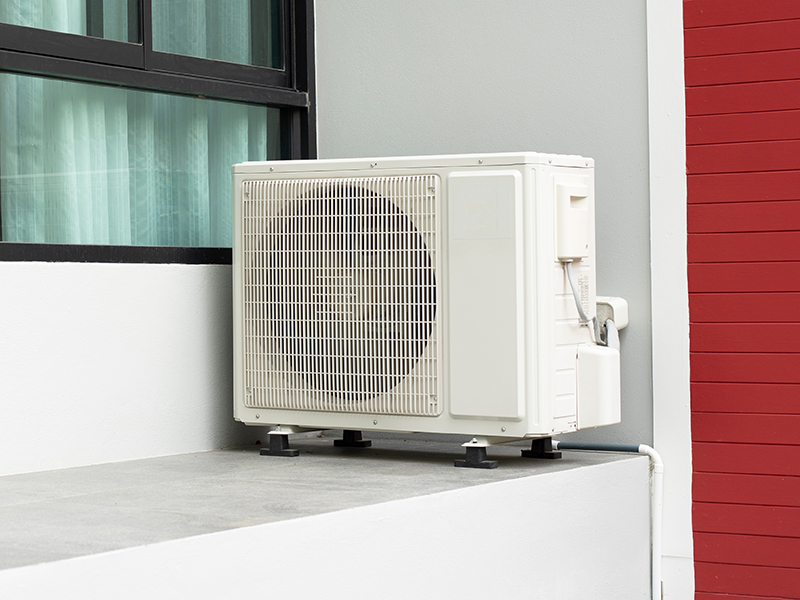
Your air conditioner’s outdoor unit, also known as the condenser, houses vital components that keep your home cool. When this unit starts making unusual sounds, it’s your HVAC system’s way of telling you something is amiss. A noisy HVAC unit isn’t just annoying; it can be a sign of a problem that could lead to a breakdown if ignored. This comprehensive guide will delve into the various reasons behind that rattling AC outside, the causes of a vibrating air conditioner, and how to address outdoor AC unit issues. We’ll also explore common culprits like the outdoor condenser fan and the AC unit fan motor.
Deciphering the Sounds: What Do They Mean?
Different noises emanating from your outdoor AC unit can point to specific problems. Learning to identify these sounds is the first step in diagnosing and resolving them.
Common AC Unit Noises and Their Meanings
- Humming or Buzzing: A low hum is often normal, indicating the compressor is running. However, a louder, more intense hum or a distinct buzzing air conditioner condenser can signify an electrical issue, a failing compressor, or a problem with the fan motor.
- Clicking: Occasional clicking when the unit starts or stops is normal. Persistent or loud clicking, especially when the unit is running, could mean a problem with the thermostat or electrical relays.
- Rattling: This is often caused by loose parts. A rattling AC outside might be due to debris inside the unit, loose screws, or a fan blade that is unbalanced or damaged.
- Grinding or Scraping: These sounds are usually more serious and indicate metal-on-metal contact. This could be a sign of a worn-out motor bearing, a failing compressor, or something obstructing the fan.
- Screeching or Squealing: This high-pitched noise often points to a problem with the fan motor, such as worn bearings or a belt that’s too tight or too loose.
- Banging or Knocking: Loud banging noises are a strong indicator of a significant internal problem, often within the compressor. This could be due to loose internal components or issues with the refrigerant.
- Hissing: A hissing sound could indicate a refrigerant leak. This is a serious issue that requires professional attention immediately.
Exploring the Causes of an AC Unit Noise
Several factors can contribute to your outdoor AC unit becoming a source of unwanted noise. Let’s break down the most common culprits.
The Outdoor Condenser Fan: A Major Noise Contributor
The outdoor condenser fan plays a crucial role in dissipating heat from your home. It draws air through the condenser coils, allowing the refrigerant to release heat. When this fan malfunctions, it can create a variety of loud noises.
- Obstructions: Leaves, twigs, dirt, and other debris can accumulate around and within the fan blades. When the fan spins, these obstructions can cause rattling or thumping sounds.
- Worn-out Bearings: The fan motor has bearings that allow it to spin smoothly. Over time, these bearings can wear out, leading to grinding, squealing, or screeching noises.
- Bent or Damaged Blades: If the fan blades are bent, cracked, or unbalanced, they can cause vibrations and rattling as they spin.
- Loose Fan Motor: The motor itself might become loose from its mounting, leading to vibrations and clanking sounds.
The AC Unit Fan Motor: The Heartbeat of the Fan
The AC unit fan motor powers the condenser fan. Like any motor, it can develop issues over time.
- Lubrication Issues: Older fan motors may require periodic lubrication. If they become dry, they can start to squeal or grind.
- Electrical Problems: Faulty wiring or a failing motor capacitor can cause the motor to hum loudly or even buzz erratically.
- Overheating: If the motor is not properly ventilated or is working too hard, it can overheat, leading to strange noises and potential failure.
The Loud Air Conditioner Compressor: The Engine of Your AC
The compressor is arguably the most critical and complex component of your outdoor unit. It’s responsible for circulating refrigerant and increasing its pressure. A malfunctioning compressor is often the source of the most concerning loud noises.
- Electrical Issues: Problems with the start or run capacitors, relays, or the compressor’s internal wiring can cause it to hum loudly, buzz, or even click without starting.
- Refrigerant Issues:
- Low Refrigerant: When refrigerant levels are too low, the compressor can suck in air or liquid, leading to knocking or banging sounds. This also significantly reduces cooling efficiency.
- Overcharged Refrigerant: While less common, too much refrigerant can also put strain on the compressor and lead to unusual noises.
- Internal Wear and Tear: Like any mechanical component, the compressor can wear out over time. Internal parts like valves or pistons can become loose or damaged, resulting in knocking, grinding, or banging sounds.
- Mounting Issues: The compressor is mounted on rubber grommets to absorb vibrations. If these grommets deteriorate or if the compressor itself becomes loose, it can cause significant rattling or vibrating.
Other Contributing Factors to Outdoor AC Unit Issues
Beyond the fan and compressor, other elements can contribute to your noisy HVAC unit:
- Loose Panels and Screws: The outer casing of your AC unit is made of metal panels held together by screws. Vibrations from the operating components can cause these panels or screws to loosen over time, leading to rattling and buzzing.
- Debris in the Casing: Beyond the fan, leaves, twigs, and other debris can fall into the AC unit’s casing and rest against moving parts or vibrate against the metal, creating noise.
- Refrigerant Lines: Sometimes, refrigerant lines within the unit can vibrate against the casing or other components, creating a buzzing or humming sound.
- Contactor Issues: The contactor is an electrical switch that controls the compressor and fan. If it’s worn or faulty, it can produce a buzzing or humming sound when the unit tries to start or run.
- Drain Pan Issues: While less common for noise when running, a clogged drain pan or a cracked condensate line can sometimes lead to gurgling sounds, especially after the AC has been running.
- External Vibrations: Sometimes, the noise might not be originating from inside the unit itself but from the surrounding environment. Loose mounting brackets, or even vibrations transmitted through the ground or wall it’s mounted on, can amplify the sounds.
Identifying the Source of the Noise: A Step-by-Step Approach
Before calling a technician, you can often pinpoint the general area of the noise. This can help you communicate the problem more effectively.
Visual Inspection: What to Look For
- Turn Off the Power: Crucially, always turn off the power to your AC unit at the breaker box before performing any visual inspection.
- Clear Debris: Remove any leaves, branches, grass clippings, or other debris from around and within the unit. Pay close attention to the area around the fan and the base of the unit.
- Check for Loose Panels: Gently try to wiggle the outer panels. If they feel loose, check for any visible screws that might have fallen out or are loose.
- Inspect Fan Blades: Carefully look at the fan blades. Are they bent, cracked, or excessively dirty? Is anything visibly obstructing them?
- Examine Mounting: Check if the unit itself is securely mounted to its pad or wall. Look for any signs of significant rust or damage to the mounting hardware.
Listening Carefully: Isolating the Sound
- When does the noise occur? Does it happen only when the unit starts, when it’s running, or when it shuts off?
- Where does the sound seem to come from? Try to locate the general area of the noise (e.g., top of the unit, the sides, the bottom).
- What type of noise is it? (Humming, rattling, grinding, etc., as described earlier).
Practical Fixes for Common Loud AC Unit Problems
Many outdoor AC unit issues can be addressed with simple DIY fixes, but always prioritize safety and know when to call a professional.
Simple Fixes for Minor Noises
- Clearing Debris: This is the most common and often effective fix. Remove all obstructions from the fan and the unit’s interior. You can use a hose to gently spray away dirt from the coils and fan blades (ensure the power is OFF).
- Tightening Loose Parts: If you find loose screws on the outer panels or access covers, tighten them securely.
- Securing Panels: If a panel is significantly loose, you might need to replace a missing screw or bracket.
When to Call a Professional HVAC Technician
It’s important to recognize when a problem is beyond a simple fix. Here are situations where you should definitely call an HVAC professional:
- Persistent or Loud Grinding, Scraping, or Banging: These sounds almost always indicate a serious mechanical issue with the fan motor, compressor, or other internal components that require expert diagnosis and repair.
- Screeching Noises: While a fan belt issue might be fixable, screeching can also point to a failing fan motor bearing, which needs professional replacement.
- Electrical Smells or Visible Damage: If you smell burning plastic or see sparks, immediately turn off the power and call a professional.
- Refrigerant Leaks (Hissing Sounds): Refrigerant is a hazardous substance, and leaks require specialized equipment and knowledge to repair and recharge.
- Compressor Problems: Diagnosing and repairing compressor issues is complex and dangerous for the untrained.
- Any issue you are not comfortable addressing: Your safety is paramount. If you’re unsure, it’s always better to err on the side of caution and call a professional.
Troubleshooting Specific Noises and Their Solutions
Let’s delve into specific noises and the likely causes and fixes.
Rattling AC Outside
A rattling AC outside is often one of the most common complaints.
- Cause: Loose debris, loose screws on panels, a loose fan blade, or a loose fan motor mount.
- DIY Fixes:
- Turn off power.
- Thoroughly clean out all debris from the unit.
- Check and tighten all external screws on the panels.
- Inspect fan blades for looseness; if loose, try tightening the central nut (if accessible and you’re comfortable). Caution: Over-tightening can damage the motor.
- Professional Fixes:
- Realigning or replacing a bent fan blade.
- Tightening or replacing a loose fan motor mount.
- Addressing loose internal components that you cannot safely access.
Vibrating Air Conditioner
A vibrating air conditioner can be felt as well as heard.
- Cause: Unbalanced fan blades, worn motor bearings, a loose compressor, or deteriorated mounting grommets.
- DIY Fixes:
- Ensure the unit is level on its pad.
- Clean the fan blades thoroughly, as dirt buildup can cause imbalance.
- Professional Fixes:
- Balancing or replacing fan blades.
- Replacing worn motor bearings.
- Replacing worn compressor mounting grommets.
- Securing a loose compressor.
Humming AC Outdoor Unit / Buzzing Air Conditioner Condenser
A persistent hum or buzz often points to electrical or motor issues.
- Cause: Normal compressor operation (low hum), failing start/run capacitor, faulty contactor, loose wiring, or a starting issue with the fan motor.
- DIY Fixes:
- Check that the unit is not obstructed and has good airflow. This can sometimes help an overworked motor.
- Professional Fixes:
- Testing and replacing faulty capacitors.
- Diagnosing and replacing a worn contactor.
- Checking and tightening electrical connections.
- Diagnosing a failing fan motor or compressor.
Loud Air Conditioner Compressor
When the compressor itself is the source of loud noise, it’s a serious concern.
- Cause: Low refrigerant, internal compressor damage, electrical issues with the compressor, or worn mounting.
- DIY Fixes: None recommended for the compressor itself.
- Professional Fixes:
- Diagnosing and repairing refrigerant leaks and recharging the system.
- Replacing worn compressor mounting components.
- Replacing the compressor itself (a major and expensive repair).
Maintenance Tips to Prevent Loud AC Unit Noise
Regular maintenance is key to keeping your AC running smoothly and quietly.
Preventative Measures
- Annual Professional Servicing: Schedule at least one professional AC tune-up per year. Technicians can identify potential issues before they become noisy problems.
- Regular Cleaning: Keep the area around your outdoor unit clear of debris. Trim bushes and plants to maintain at least 2-3 feet of clearance.
- Filter Changes: While this primarily affects indoor air quality and efficiency, a severely clogged filter can put extra strain on the system, indirectly impacting outdoor unit performance over time.
- Listen for Changes: Pay attention to any new or unusual sounds your AC unit makes. Addressing minor noises early can prevent major repairs.
- Keep it Clean: Periodically clean the condenser coils yourself (with the power off!) by gently spraying them with a hose. This improves efficiency and can prevent strain on components.
Table: Common Noises, Causes, and Solutions
| Noise Type | Potential Causes | DIY Fixes | Professional Fixes |
|---|---|---|---|
| Humming/Buzzing | Normal operation, faulty capacitor, contactor issues | Ensure good airflow; clean unit. | Test/replace capacitor, contactor; check wiring. |
| Rattling | Debris, loose panels/screws, loose fan blade/motor | Clean unit, tighten screws, check fan blade tightness. | Secure fan motor, balance/replace fan blade, fix loose internal parts. |
| Grinding/Scraping | Worn motor bearings, fan obstruction, internal damage | None recommended. | Replace motor bearings, clear severe obstructions, repair/replace motor. |
| Screeching/Squealing | Worn fan motor bearings, belt issues | None recommended. | Replace fan motor bearings, adjust/replace belt. |
| Banging/Knocking | Low refrigerant, internal compressor damage | None recommended. | Diagnose/repair refrigerant leak, replace compressor. |
| Hissing | Refrigerant leak | None. | Locate/repair leak, recharge refrigerant. |
Frequently Asked Questions (FAQ)
Q1: Is it normal for my AC unit outside to make some noise?
A1: Yes, a low hum or a gentle whirring sound when the compressor and fan are running is normal. However, loud or unusual noises indicate a problem.
Q2: How often should my AC unit be serviced?
A2: It’s recommended to have your AC unit serviced by a professional at least once a year, typically before the cooling season begins.
Q3: Can a loud AC unit cause my electricity bill to increase?
A3: Yes, a malfunctioning AC unit that is working harder to compensate for a problem (like a dirty coil or a struggling motor) will often consume more electricity, leading to higher bills.
Q4: How do I know if the noise is coming from the outdoor unit or the indoor unit?
A4: Most of the major mechanical components, like the compressor and the large fan that expels heat, are located in the outdoor unit. Therefore, loud noises like banging, grinding, or loud humming are most likely coming from outside. Indoor units typically produce fan noises or ductwork noises.
Q5: What is the lifespan of an AC unit’s outdoor fan motor?
A5: The lifespan of an outdoor fan motor can vary greatly depending on usage, maintenance, and quality of the unit. However, they typically last between 10 to 15 years. Signs of impending failure include increased noise, reduced fan speed, or the motor failing to start.
By understanding the potential causes of your AC unit noise and knowing when to take action, you can keep your home comfortable and your HVAC system running efficiently for years to come. Remember, regular maintenance and prompt attention to unusual sounds are your best defenses against costly repairs and complete system breakdowns.

My name is Carlos Gadd, and I am the creator of AirPurityGuide.com.. With a passion for footwear, I share my experiences, insights, and expertise about shoes. Through my blog, I aim to guide readers in making informed decisions, finding the perfect pair, and enhancing their footwear knowledge. Join me on this journey to explore everything about shoes!