
If your air conditioner (AC) is making a whistling noise, it typically indicates a problem with airflow or refrigerant, such as a refrigerant leak, a clogged filter, or a fan issue. Addressing this whistling sound promptly is crucial for your comfort and the longevity of your HVAC system.
Air conditioners are complex machines designed to keep our homes cool and comfortable, especially during hot weather. When your AC unit starts making unusual noises, it can be unsettling. One common and often concerning sound is a whistling noise. This air conditioner whistling sound can stem from various sources, ranging from simple fixes to more complex issues requiring professional attention. Fathoming the cause of this HVAC whistling is key to restoring your system’s efficiency and preventing further damage.
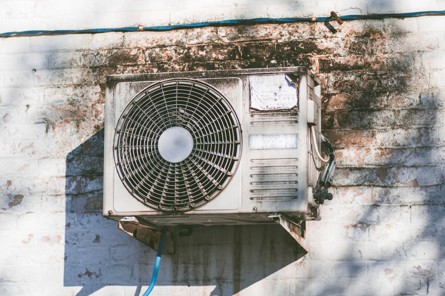
Image Source: www.hurlimanheating.com
Why Your Air Conditioner Might Be Whistling
A whistling sound from your AC can be unnerving, but it’s usually a sign that something needs attention. Let’s break down the most common culprits:
Airflow Obstructions and Leaks
The most frequent reason for an AC unit hissing noise or whistling is related to how air moves through your system. Think of your AC like your lungs – if the airways are blocked or have tiny holes, it affects how well everything works.
Clogged Air Filters
Your air filter is the first line of defense against dust and debris entering your AC system. When it gets clogged with dirt and grime, it restricts airflow. This restriction forces the fan to work harder, and the air has to squeeze through the remaining open areas of the filter, creating a whistling sound.
- What to look for: Check your air filter. If it looks dirty and clogged, it’s time to replace it.
- Simple Fix: Replace the air filter regularly, typically every 1-3 months depending on usage and household conditions.
Leaking Air Ducts
Your air ducts are like the arteries of your home’s cooling system, carrying cool air from the AC to different rooms. If these ducts have small holes, tears, or loose connections, air can escape before it reaches its destination. This escaping air can create a whistling sound.
- Where to suspect leaks: Look for gaps or openings where ducts connect to vents or the main unit.
- Potential impact: Leaky ducts can significantly reduce your AC’s efficiency, leading to higher energy bills and uneven cooling.
Blocked Vents or Registers
Sometimes, the simplest explanation is the correct one. Furniture, curtains, or other objects can accidentally block your air vents or registers, impeding airflow.
- Easy Check: Ensure all your vents are clear and unobstructed.
Refrigerant Issues
The refrigerant is the lifeblood of your air conditioner. It’s the substance that absorbs heat from your home and releases it outside. Problems with the refrigerant can also lead to whistling sounds.
AC Refrigerant Leak
This is a more serious concern. If your system has an AC refrigerant leak, the refrigerant can escape through a tiny hole in the refrigerant lines. As the refrigerant escapes under pressure, it can create a high-pitched whistling or hissing sound.
- Signs of a leak: Besides whistling, you might notice reduced cooling, ice forming on the refrigerant lines, or a hissing sound near the outdoor unit.
- Why it’s dangerous: Refrigerant can be harmful if inhaled. It also means your AC won’t cool effectively and can be damaged if it runs low on refrigerant.
- Action needed: If you suspect a refrigerant leak, turn off your AC immediately and call a qualified HVAC technician. Do not attempt to add refrigerant yourself.
Mechanical Problems
Internal components of your AC unit can also be the source of whistling noises.
AC Fan Making Noise
The fan in your AC unit is responsible for circulating air. If the fan motor is failing, if there’s something obstructing the fan blades, or if the fan bearings are worn out, it can produce a whistling sound.
- Indoor Unit Fan: The fan inside your home, often located in the air handler or furnace, can develop problems.
- Outdoor Unit Fan: The fan in the outdoor condenser unit can also be a source of noise.
- What to listen for: Try to isolate if the sound is coming from the indoor or outdoor unit.
AC Motor Whistling
The electric motor that powers the fan can also develop issues. As the motor ages or if it’s not properly lubricated, it can start to whistle.
- Bearings: Worn-out bearings in the motor are a common cause of whistling or squealing sounds.
- Lubrication: Motors often require specific lubrication. If this wears out, friction can cause noise.
AC Compressor Whistling
The compressor is the heart of your air conditioning system, located in the outdoor unit. While less common, a whistling sound can sometimes indicate a problem with the compressor, especially if it’s starting to fail. This might be due to internal issues or a blockage in its associated components.
- What it means: A compressor whistle could signal an internal failure, which is a significant issue.
- Professional Diagnosis: This is another situation where professional assessment is essential.
Other Potential Causes
While less common, other factors can contribute to whistling sounds.
Condensate Drain Whistling
Your AC system produces condensation as it cools the air. This water is supposed to drain away through a condensate drain line. If this drain line becomes partially blocked or if there’s an issue with the trap or vent, air can be drawn through it, creating a whistling sound.
- Where it happens: This is often heard near the indoor unit where the condensate line exits.
- Blocked drain: Algae or debris can clog the drain line, affecting its ability to remove water and potentially causing whistling.
Furnace Whistling (If Integrated)
If your AC system is a heat pump or part of a combined HVAC system with a furnace, a whistling noise could originate from the furnace side, particularly if there’s an issue with the blower motor, ductwork connected to the furnace, or even the heat exchanger if it’s cracked. The principles of airflow and obstructions apply here as well.
Deciphering the Source: A Diagnostic Approach
To pinpoint the exact cause of the air conditioner whistling sound, a systematic approach is helpful.
Step 1: Identify the Location of the Sound
- Indoor Unit: Is the whistling coming from the air handler, vents, or near the thermostat?
- Outdoor Unit: Is the sound emanating from the condenser unit outside your home?
- Ductwork: Can you hear the whistling along the visible parts of your ductwork?
Step 2: Note When the Sound Occurs
- Constantly: Does the whistling happen all the time your AC is running?
- Only When Starting/Stopping: Does it occur only when the AC kicks on or shuts off?
- During Specific Cycles: Does it happen only when the cooling or heating cycle is active?
Step 3: Check the Obvious First
- Air Filter: As mentioned, a dirty filter is a very common culprit.
- Vents and Registers: Ensure they are not blocked by furniture or debris.
Step 4: Consider External Factors
- Wind: In some rare cases, strong winds blowing across specific openings in the outdoor unit might mimic a whistling sound. However, this is usually intermittent and dependent on wind direction.
When to Call a Professional HVAC Technician
While some issues, like a dirty air filter, are DIY fixes, many whistling noises indicate problems that require expert attention.
You should call a professional if:
- You suspect an AC refrigerant leak. This is a safety hazard and requires specialized equipment.
- The whistling is loud or accompanied by other unusual sounds, like grinding or banging.
- You’ve checked the basic issues (filter, vents) and the whistling persists.
- You hear whistling from the outdoor unit, especially near the AC compressor whistling.
- The whistling is accompanied by a noticeable drop in cooling performance.
- You are not comfortable or experienced with AC maintenance and troubleshooting.
Common Causes and Their Fixes Summarized
Here’s a quick look at what might be causing the whistling and what can be done:
| Cause of Whistling | Potential Symptoms | Fix | DIY Potential | Professional Needed |
|---|---|---|---|---|
| Clogged Air Filter | Reduced airflow, weaker cooling, whistling near vents | Replace air filter | High | Low |
| Leaky Air Ducts | Uneven cooling, higher energy bills, whistling sound | Seal ductwork with mastic tape or sealant | Medium | High |
| Blocked Vents | Reduced airflow to specific rooms, whistling sound | Clear obstructions from vents | High | Low |
| AC Refrigerant Leak | Reduced cooling, ice on lines, whistling/hissing | Professional leak detection and repair, refrigerant recharge | None | Very High |
| AC Fan Issues | Whistling, reduced airflow, potential motor noise | Lubricate fan motor, clean fan blades, replace fan motor if necessary | Medium | High |
| AC Motor Whistling | Whistling from the motor housing | Lubricate motor (if applicable), replace motor | Low | High |
| AC Compressor Issues | Whistling from outdoor unit, poor cooling | Professional diagnosis and repair/replacement of compressor | None | Very High |
| Condensate Drain Issues | Whistling near indoor unit, potential water backups | Clear condensate drain line, check drain trap/vent | Medium | Medium |
| Furnace Whistling | If part of integrated system, furnace-related issues | Check furnace filter, ensure vents connected to furnace are clear | Medium | High |
Maintaining Your AC to Prevent Whistling
Preventative maintenance is key to keeping your AC running smoothly and quietly.
- Regular Filter Changes: This is the easiest and most impactful step.
- Annual Professional Tune-Ups: Schedule a yearly inspection and service by an HVAC technician. They can check refrigerant levels, lubricate moving parts, inspect electrical connections, and identify potential problems before they worsen.
- Keep Outdoor Unit Clear: Ensure the area around your outdoor condenser unit is free of debris, leaves, and vegetation to allow for proper airflow.
- Inspect Ductwork: Periodically check visible ductwork for any signs of damage or loose connections.
A whistling air conditioner is your system’s way of telling you something is amiss. By knowing the common causes and how to address them, you can ensure your home stays cool and comfortable without the unsettling soundtrack of a malfunctioning AC. When in doubt, always err on the side of caution and consult with a qualified HVAC professional.
Frequently Asked Questions (FAQ)
Q1: Can I fix an AC whistling noise myself?
A1: You can fix simple issues like a clogged air filter or blocked vents yourself. However, problems related to refrigerant leaks, internal motor issues, or compressor problems require a qualified HVAC technician.
Q2: Is an AC whistling noise dangerous?
A2: While the whistling sound itself might not be immediately dangerous, the underlying cause could be. Refrigerant leaks are a concern for both your health and the environment. Ignoring a whistling noise can also lead to more significant and costly damage to your AC system.
Q3: How often should I change my AC filter?
A3: It’s generally recommended to change your AC filter every 1 to 3 months. This can vary depending on the type of filter, your household’s air quality, and how often you use your AC. Check your filter monthly to see if it needs changing.
Q4: What should I do if I suspect a refrigerant leak?
A4: If you suspect a refrigerant leak, turn off your AC unit immediately to prevent further damage and potential health risks. Do not try to add refrigerant yourself. Contact a certified HVAC technician as soon as possible to diagnose and repair the leak.
Q5: My AC is whistling, but it still cools. Should I still worry?
A5: Yes, you should still be concerned. Even if your AC is still cooling, a whistling noise indicates an underlying problem that is affecting its efficiency and could lead to more serious issues or breakdowns if left unaddressed. Prompt attention can save you money and hassle in the long run.

My name is Carlos Gadd, and I am the creator of AirPurityGuide.com.. With a passion for footwear, I share my experiences, insights, and expertise about shoes. Through my blog, I aim to guide readers in making informed decisions, finding the perfect pair, and enhancing their footwear knowledge. Join me on this journey to explore everything about shoes!