
Seeing water pooling around your air conditioner can be unsettling. What is this water, and why is it there? This water is generally AC condensation, a normal byproduct of your air conditioner’s cooling process. However, when you see an excessive amount or it’s appearing in unusual places, it signals a potential problem. This guide will help you identify the common reasons for water in your AC system and provide clear solutions.
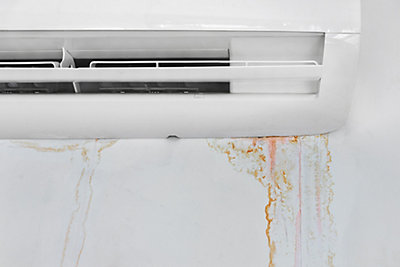
Image Source: wg.scene7.com
Deciphering AC Condensation: The Science Behind the Drip
Your air conditioner works like a refrigerator for your home. It uses a refrigerant to absorb heat from your indoor air. This process involves two main parts: the evaporator coil (inside your home) and the condenser coil (outside).
When warm, humid air from your house passes over the cold evaporator coil, the moisture in the air condenses into water, much like how water droplets form on a cold glass on a hot day. This AC condensation is supposed to collect in a drain pan and flow away through a clogged drain line or via a condensate pump.
Common Culprits for Water Leaks
Several issues can disrupt this normal drainage process, leading to leaks. Let’s explore the most frequent offenders.
1. The Clogged Drain Line: A Blocked Pathway
What is a clogged drain line? The drain line is a PVC pipe that carries the condensed water away from your indoor unit. Over time, algae, mold, dirt, and debris can build up inside this pipe, creating a blockage.
Why it causes leaks: When the drain line is clogged, the water has nowhere to go. It backs up into the drain pan, and if the pan overflows, water can spill out around your indoor unit. This is one of the most common reasons for water leaks.
Signs of a clogged drain line:
* Water pooling around the indoor unit.
* The drain pan is full or overflowing.
* You might hear gurgling noises from the drain line.
* Your AC might not be cooling as effectively.
Fixing a clogged drain line:
* Locate the drain line: It’s usually a PVC pipe coming from the side of your indoor air handler.
* Manual cleaning: You can try to clear the clog using a wet/dry vacuum. Attach the vacuum hose to the end of the drain line outside and turn it on to suck out the debris.
* Vinegar flush: Pour a cup of distilled white vinegar down the drain line opening. This helps kill any mold or algae that might be causing the blockage. Flush with water afterward.
* Professional service: If you can’t find the clog or the vacuum/vinegar method doesn’t work, it’s time to call an HVAC technician. They have specialized tools to clear stubborn blockages.
2. The Dirty Filter: Impeding Airflow
What is a dirty filter? Your AC has an air filter that catches dust, pollen, and other particles from the air before it passes over the evaporator coil.
Why it causes leaks: A dirty, clogged filter restricts the airflow to the evaporator coil. When less air flows over the coil, it gets much colder than it should. This extreme cold can cause the moisture in the air to freeze onto the coil, forming ice. As the ice builds up, it can eventually block the drainage path for meltwater, leading to a leak. This is often referred to as a frozen evaporator coil.
Signs of a dirty filter:
* Reduced cooling efficiency.
* Increased dust in your home.
* Visible ice buildup on the evaporator coil (if you can safely access it).
* Water leaks, especially after the system has been running for a while.
Fixing a dirty filter:
* Replace or clean the filter: This is the easiest fix. Check your AC’s manual for the filter location. Replace disposable filters monthly or quarterly, depending on the type. If you have a washable filter, clean it according to the manufacturer’s instructions.
3. The Frozen Evaporator Coil: A Cold Problem
What is a frozen evaporator coil? As mentioned, this happens when the evaporator coil gets too cold, causing moisture to freeze on its fins.
Why it causes leaks: A frozen coil severely hinders airflow. When the system is turned off, the ice melts. This meltwater can overwhelm the drain pan and overflow, causing a leak. Additionally, the ice itself can physically block the normal drainage of condensation.
Causes of a frozen evaporator coil:
* Dirty air filter: The most common cause, as it restricts airflow.
* Blocked airflow: Anything preventing air from circulating properly, like blocked vents or closed doors to rooms.
* Low refrigerant levels: This can be due to a refrigerant leak. Low refrigerant makes the coil colder than it should be.
* Thermostat issues: A malfunctioning thermostat could cause the AC to run continuously, over-cooling the coil.
* Dirty evaporator coil: If the coil itself is caked with dirt, it can’t transfer heat effectively, leading to freezing.
Fixing a frozen evaporator coil:
* Turn off the AC: Set your thermostat to “Off” or “Fan Only.”
* Melt the ice: Allow the ice to melt naturally. This can take several hours. You can speed it up by directing a fan towards the indoor unit.
* Address the root cause: Once defrosted, you must identify and fix why it froze. This usually involves cleaning or replacing the air filter, ensuring proper airflow, or calling a technician for refrigerant or coil cleaning issues.
4. The Faulty Condensate Pump: When Gravity Isn’t Enough
What is a faulty condensate pump? Many homes, especially those with AC units located below ground level or in areas where gravity drainage isn’t feasible, use a condensate pump. This pump’s job is to push the condensed water out of the house, usually to a drain or outside.
Why it causes leaks: If the condensate pump fails (due to mechanical issues, electrical problems, or a clogged float switch), it can’t expel the water. The water then backs up into the drain pan and can cause an overflowing drain pan.
Signs of a faulty condensate pump:
* Water pooling around the indoor unit.
* The drain pan is full or overflowing.
* The pump itself is making unusual noises or not running.
* Some pumps have a secondary overflow switch that may trigger an alert or shut off the AC.
Fixing a faulty condensate pump:
* Check the power: Ensure the pump is plugged in and the circuit breaker hasn’t tripped.
* Check the float switch: The float switch tells the pump when to turn on. Make sure it’s not stuck in the down position and that there’s no debris preventing it from rising.
* Clean the pump reservoir: Debris can accumulate in the pump’s reservoir, preventing proper operation.
* Check the discharge line: Ensure the pipe leading away from the pump isn’t clogged.
* Professional repair/replacement: If the pump is mechanically broken or you can’t diagnose the issue, you’ll need a technician to repair or replace it.
5. The Refrigerant Leak: A More Serious Concern
What is a refrigerant leak? Refrigerant is the chemical substance that circulates through your AC system, absorbing heat and providing cooling. A leak means this crucial substance is escaping the closed system.
Why it causes leaks: While a refrigerant leak doesn’t directly cause water leaks, it often leads to the frozen evaporator coil scenario. When refrigerant levels are low due to a leak, the evaporator coil gets excessively cold, causing ice to form. As we discussed, this ice melts and can lead to an overflowing drain pan.
Signs of a refrigerant leak:
* Reduced cooling capacity (your AC isn’t as cold).
* Ice buildup on the refrigerant lines or evaporator coil.
* A hissing sound from the AC unit.
* The presence of oily residue near refrigerant lines.
* Higher energy bills.
Fixing a refrigerant leak:
* This is a job for a professional. Refrigerants are hazardous and require special handling and equipment. An HVAC technician will locate the leak, repair the damaged component, and then recharge the system with the correct amount of refrigerant.
6. The Overflowing Drain Pan: A Symptom, Not a Cause
What is an overflowing drain pan? The drain pan is designed to catch the AC condensation. It overflows when the rate of condensation exceeds the system’s ability to drain it away, or when the drainage system is blocked.
Why it causes leaks: When the drain pan is full, water has nowhere to go but to spill out, often onto your floor, ceiling, or surrounding areas.
Common causes of an overflowing drain pan:
* Clogged drain line.
* Faulty condensate pump.
* Frozen evaporator coil.
* Blocked air intake or insufficient airflow.
* Improper installation of the AC unit or its drainage system.
* High humidity conditions where the AC is working overtime.
Fixing an overflowing drain pan:
* You must address the underlying cause. Once the primary issue (clogged drain, faulty pump, etc.) is resolved, the overflowing drain pan will stop.
7. The Blocked Air Intake: Starving the System
What is a blocked air intake? The air intake is where your AC draws warm air from your home to be cooled. This can be blocked by furniture, curtains, or even a poorly placed air return vent. A blocked air intake can also occur if the filter is extremely dirty.
Why it causes leaks: Similar to a dirty filter, a blocked air intake starves the evaporator coil of warm air. This leads to the coil getting too cold and freezing over. The subsequent melting of this ice can cause a leak from an overflowing drain pan.
Signs of a blocked air intake:
* Reduced cooling in the room or house.
* The AC unit may sound like it’s straining.
* Ice formation on the evaporator coil.
* Water leaks.
Fixing a blocked air intake:
* Clear obstructions: Ensure no furniture, drapes, or other items are blocking the air return vents or supply registers.
* Clean the air filter: A very dirty filter acts as a blockage.
8. High Humidity: Working Overtime
What is high humidity? This refers to a situation where there is a lot of moisture in the air. This is often more prevalent in certain climates or during specific seasons.
Why it causes leaks: When the air is very humid, your AC system has to work harder and longer to remove that moisture. This increased workload can sometimes lead to issues if other components are not optimally functioning, such as a slightly sluggish condensate pump or a drain line that is just beginning to accumulate debris. The sheer volume of AC condensation produced can overwhelm a drainage system that is not perfectly clear.
Addressing high humidity issues:
* Regular maintenance: Ensure your AC is in good working order and all drainage components are clean and functioning correctly.
* Dehumidifier: Consider using a whole-house dehumidifier or portable units during periods of very high humidity.
* Seal air leaks: Proper sealing of windows and doors prevents humid outdoor air from entering your home.
9. Improper Installation: A Foundation Problem
What is improper installation? This refers to errors made when the air conditioning system was initially put in place. This could involve incorrect placement of the unit, faulty wiring, or incorrect slope on the condensate drain line.
Why it causes leaks: If the indoor unit is not installed level, the drain pan might not drain effectively, leading to an overflowing drain pan. If the condensate drain line was not installed with the proper downward slope, water can pool in low spots, encouraging algae growth and eventual clogs. Incorrectly sealed ductwork could also lead to condensation forming on the ducts themselves and dripping.
Fixing improper installation issues:
* Professional assessment: This requires a qualified HVAC technician to inspect the installation and identify any errors.
* Corrections: Depending on the problem, this might involve leveling the unit, adjusting the drain line slope, or resealing ductwork.
Table: Common AC Water Leak Symptoms and Causes
| Symptom | Potential Cause(s) |
|---|---|
| Water around the indoor unit | Clogged drain line, Overflowing drain pan, Faulty condensate pump |
| Ceiling stain/water damage | Overflowing drain pan, Clogged drain line (in ceiling unit) |
| Reduced cooling | Frozen evaporator coil, Dirty filter, Refrigerant leak |
| Ice on the AC unit | Frozen evaporator coil, Dirty filter, Refrigerant leak |
| Musty smell | Mold/mildew in drain pan or drain line |
| Gurgling sounds | Clogged drain line |
| AC not turning on | Float switch activated due to overflow, Circuit breaker tripped |
Preventing Future Water Problems
Regular maintenance is key to preventing these issues. Here’s what you can do:
Annual HVAC Tune-Ups
- Schedule professional inspections and maintenance for your AC system at least once a year, ideally before the cooling season begins.
- Technicians will clean the evaporator and condenser coils, check refrigerant levels, inspect the drain line and pan, and ensure all components are working correctly.
Filter Replacement
- Check your air filter monthly and replace or clean it as needed. This is the simplest yet most effective preventive measure.
Drain Line Maintenance
- Consider having your drain line flushed annually by a professional.
- You can also periodically pour a cup of distilled vinegar down the drain line to inhibit mold and algae growth.
Keep Airflow Clear
- Ensure furniture, curtains, and other items never block air return vents or supply registers.
- Keep the area around your outdoor condenser unit clear of debris, leaves, and overgrown plants.
Frequently Asked Questions (FAQ)
Q1: Is it normal for my AC to produce water?
A1: Yes, AC condensation is a normal part of the cooling process. Your AC removes moisture from the air, and this condensed water is collected and drained away. The problem arises when there’s too much water or it’s leaking out.
Q2: Can I fix a clogged drain line myself?
A2: For minor clogs, you can often try vacuuming the line or flushing it with vinegar. However, if the clog is severe or you’re unsure, it’s best to call a professional.
Q3: My AC is making strange noises and leaking water. What should I do?
A3: Strange noises often indicate a mechanical issue. If you suspect a refrigerant leak or a problem with a component like the fan motor or compressor, turn off the AC immediately and call a qualified HVAC technician.
Q4: How often should I change my AC filter?
A4: This depends on the type of filter and your home environment. Generally, disposable filters should be changed every 1-3 months. If you have pets or allergies, you may need to change them more frequently.
Q5: What happens if I ignore AC water leaks?
A5: Ignoring water leaks can lead to significant problems, including:
* Water damage to your home (ceilings, walls, floors).
* Mold and mildew growth, which can affect indoor air quality and cause health issues.
* Damage to the AC unit itself, leading to more expensive repairs.
* Electrical hazards if water comes into contact with electrical components.
Q6: Can high humidity cause my AC to freeze up?
A6: While high humidity itself doesn’t directly cause freezing, it can contribute to it if airflow is restricted or refrigerant levels are low. The system works harder in high humidity, making any underlying airflow issues more apparent and prone to causing a frozen evaporator coil.
By understanding the functions of your air conditioner and recognizing the common signs of trouble, you can effectively address water leaks and keep your system running smoothly and efficiently. Regular maintenance is your best defense against costly repairs and water damage.

My name is Carlos Gadd, and I am the creator of AirPurityGuide.com.. With a passion for footwear, I share my experiences, insights, and expertise about shoes. Through my blog, I aim to guide readers in making informed decisions, finding the perfect pair, and enhancing their footwear knowledge. Join me on this journey to explore everything about shoes!