
What causes an air conditioner pipe to freeze outside? The most common reasons an AC pipe freezes outside are blocked airflow, low refrigerant levels, and a dirty outdoor coil. These issues prevent the system from properly transferring heat, leading to the refrigerant becoming too cold and forming ice.
Your air conditioner is a marvel of modern engineering, designed to keep you cool and comfortable during the hottest months. But what happens when you notice a strange, frosty buildup on the outdoor unit’s pipes? This is a clear sign that something isn’t quite right with your AC system. The sight of ice on AC copper pipe can be alarming, and it’s essential to understand the underlying causes to prevent further damage and restore your system’s efficiency.
This article delves deep into why your air conditioner’s outdoor pipes might be freezing. We’ll explore the common culprits, from simple fixes to more complex issues, and guide you on when it’s time to call in a professional for AC service frozen pipe or AC repair frozen outdoor unit.
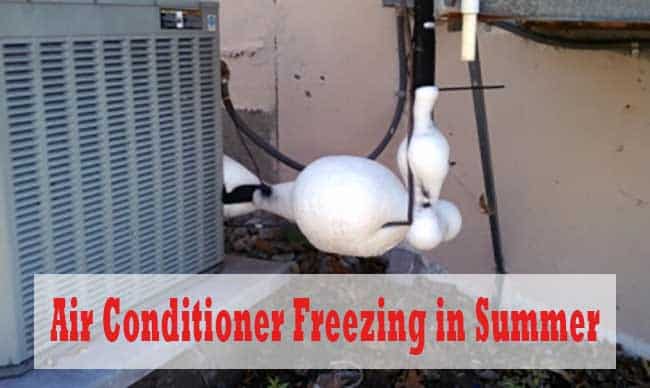
Image Source: alltimeairconditioning.com
Fathoming The AC Refrigerant Line Frost
The visible frost or ice on the AC refrigerant line frost is not just an aesthetic issue; it’s a symptom of a malfunction within your air conditioning system. The refrigerant lines, often referred to as the “suction line” (the larger, insulated pipe) and the “liquid line” (the smaller, uninsulated pipe), carry the refrigerant that cools your home. When these lines freeze, it means the refrigerant inside is getting too cold.
The AC unit works by circulating refrigerant through a closed loop. This refrigerant absorbs heat from your indoor air and releases it outdoors. The process involves phase changes: from liquid to gas and back to liquid. If any part of this cycle is disrupted, particularly the heat absorption or release, the refrigerant temperature can drop drastically, leading to freezing.
The Role of Refrigerant and Temperature
Refrigerant, commonly known as Freon (though newer, more environmentally friendly types are now in use), is the lifeblood of your AC system. It changes state between a liquid and a gas as it moves through the coils.
- Evaporator Coil (Indoor): In your indoor unit, the liquid refrigerant absorbs heat from the air blown over it. As it absorbs heat, it evaporates into a gas. This process makes the indoor air cooler.
- Compressor (Outdoor): The gaseous refrigerant then travels to the compressor in the outdoor unit, where it is pressurized, increasing its temperature.
- Condenser Coil (Outdoor): The hot, high-pressure gas then flows through the condenser coil in the outdoor unit. Here, it releases the absorbed heat to the outside air and condenses back into a liquid.
- Expansion Valve: The liquid refrigerant then passes through an expansion valve, which lowers its pressure and temperature before it returns to the evaporator coil to repeat the cycle.
When the AC refrigerant line frost appears, it typically happens on the larger, insulated suction line. This line carries the cool, low-pressure refrigerant vapor from the evaporator coil back to the compressor. If this vapor doesn’t pick up enough heat indoors, it remains too cold, and the moisture in the surrounding air condenses and freezes on the pipe.
Common Causes of Frozen AC Pipes Outside
Several factors can contribute to your AC pipes freezing. These range from simple maintenance issues that you might be able to address yourself to more complex mechanical problems requiring a technician.
1. Blocked Airflow: The Silent Culprit
One of the most frequent reasons for an outdoor AC unit freezing is restricted airflow across the indoor evaporator coil. The evaporator coil is where the magic of cooling happens. It’s designed to absorb heat from your home’s air. If the air cannot flow freely over this coil, the refrigerant inside it doesn’t get warm enough.
Why Blocked Airflow Matters:
- Dirty Air Filter: This is the number one offender. A clogged air filter prevents air from being drawn into the AC system efficiently. Imagine trying to breathe through a thick blanket – it’s difficult! The same applies to your AC.
- Blocked Vents or Registers: Furniture, curtains, or other obstructions blocking your indoor supply and return vents can severely restrict airflow.
- Dirty Evaporator Coil: Over time, dust and debris can accumulate on the evaporator coil itself, acting like a barrier to airflow and heat transfer.
- Undersized Ductwork or Leaks: Poorly designed or damaged ductwork can also limit the volume of air reaching or leaving the evaporator coil.
When airflow is insufficient, the refrigerant in the evaporator coil becomes excessively cold. This extreme cold can then cause moisture in the air to condense on the refrigerant lines and freeze, leading to the AC refrigerant line frost.
Dealing with Blocked Airflow
- Check and Replace the Air Filter: This is the easiest and most crucial step. Most manufacturers recommend replacing or cleaning your air filter every 1-3 months, depending on the filter type and household conditions (e.g., pets, allergies). A dirty filter is a cheap fix for a potentially expensive problem.
- Inspect Indoor Vents: Ensure all supply and return vents are clear of obstructions. Make sure furniture, rugs, or blinds are not blocking them.
- Professional Coil Cleaning: If you suspect your evaporator coil is dirty, it’s best to schedule AC service frozen pipe to have it professionally cleaned.
2. Low Refrigerant Levels: The Leaky System
Another significant cause of frozen AC pipes is low refrigerant. This typically indicates a leak in the system. When refrigerant levels are low, the pressure within the system drops.
How Low Refrigerant Leads to Freezing:
- Pressure Drop: The refrigerant circulates at specific pressures to maintain the correct temperatures for heat absorption and release. When refrigerant is lost through a leak, the pressure in the evaporator coil drops.
- Lower Boiling Point: As pressure decreases, the boiling point of the refrigerant also decreases. This means the refrigerant will boil and absorb heat at an even lower temperature than normal.
- Over-cooling: This over-cooling effect can cause the refrigerant to become so cold that it freezes the moisture in the air on the lines, leading to the dreaded ice on AC copper pipe.
- Reduced Cooling Capacity: Ironically, low refrigerant means your AC will not cool your home effectively, despite the freezing issue.
Identifying Low Refrigerant:
- Frost/Ice on the Suction Line: This is the most obvious sign, as discussed.
- Hissing Noises: A leak might sometimes be accompanied by hissing sounds from the refrigerant lines.
- Reduced Cooling Performance: Your home won’t feel as cool as it should, even with the AC running.
- High-Priced Energy Bills: An inefficient system will consume more energy.
Addressing Low Refrigerant Issues
Low refrigerant is not a DIY fix. It requires a certified HVAC technician to:
- Locate and Repair the Leak: Refrigerant leaks can occur in various parts of the system, including the coils, lines, or joints. The technician will use specialized equipment to find and seal the leak.
- Recharge the System: After repairing the leak, the technician will recharge the system with the correct type and amount of refrigerant. This process is known as AC repair frozen outdoor unit and requires specific tools and expertise.
Important Note: Simply adding more refrigerant without finding and fixing the leak is a temporary solution and can be environmentally harmful and costly in the long run. It’s crucial to address the root cause.
3. Dirty Outdoor AC Coil: Hindering Heat Release
While we often focus on the indoor unit when discussing freezing, issues with the outdoor AC coil freezing can also indirectly contribute to the problem. The outdoor unit’s condenser coil is responsible for releasing the heat absorbed from your home into the outside air. If this coil is dirty or obstructed, it can’t dissipate heat efficiently.
How a Dirty Outdoor Coil Impacts the System:
- Increased Pressure: When the outdoor coil can’t release heat, the pressure and temperature of the refrigerant going through it increase. This makes the entire system work harder.
- Impaired Refrigerant Flow: The system may try to compensate for this inefficiency, potentially leading to a cascade of issues, including a drop in pressure in the indoor coil and subsequent freezing.
- Reduced Overall Efficiency: A dirty condenser coil significantly reduces your AC’s ability to cool your home.
Cleaning the Outdoor Coil
The outdoor condenser unit can accumulate dirt, leaves, grass clippings, and other debris.
- Regular Visual Inspection: Periodically check the outdoor unit for any visible blockages.
- Gentle Cleaning: You can gently hose down the outdoor coil from the outside to remove loose debris. Be careful not to bend the delicate fins.
- Professional Cleaning: For a thorough cleaning and inspection, it’s recommended to have a technician service your unit annually.
4. Other Contributing Factors
While blocked airflow, low refrigerant, and dirty coils are the most common culprits, other factors can also contribute to frozen AC pipes:
- Thermostat Malfunction: A faulty thermostat could send incorrect signals to the AC system, causing it to overwork or operate at incorrect temperatures.
- Faulty Blower Motor: If the indoor blower motor is not running at the correct speed or not running at all, it will severely impact airflow over the evaporator coil.
- Mechanical Issues with the Compressor: While less common for causing freezing, internal compressor issues could indirectly lead to abnormal refrigerant pressures and temperatures.
- Running the AC in Very Cold Weather: Air conditioners are designed to cool when the outside temperature is above a certain threshold (typically around 60-65°F or 15-18°C). Running the AC when it’s too cold outside can cause the system to freeze up.
Identifying the Frozen Pipe: What to Look For
Recognizing the signs of a frozen AC pipe is crucial for timely intervention.
- Visible Ice: The most obvious sign is ice buildup on the refrigerant lines, particularly the larger, insulated suction line. You might also see frost on the outdoor unit itself.
- Reduced Airflow from Vents: If your AC is freezing up, the airflow from your indoor vents will likely be weak or nonexistent.
- Strange Noises: Hissing, gurgling, or banging sounds can indicate refrigerant issues or other internal problems.
- Higher Energy Bills: An inefficient AC system will consume more power.
- Water Leaks: As the ice melts, it can cause water to pool around the indoor unit or drain pan.
What to Do When You Find a Frozen AC Pipe
If you discover ice on your AC pipes, here’s what you should do:
- Turn Off the AC: Immediately turn off the cooling function of your AC unit at the thermostat. Leave the fan running in the “ON” position. This will help to melt the ice and prevent further damage.
- Check the Air Filter: While the ice is melting, take this opportunity to check your air filter. If it’s dirty, replace it.
- Inspect Indoor Vents: Ensure all your indoor vents are open and unobstructed.
- Allow Ice to Melt: Let the system run with the fan on until all ice has completely melted. This could take several hours. Do not try to chip or force the ice off, as you could damage the refrigerant lines.
- Turn the AC Back On: Once the ice has melted, you can try turning the cooling function back on.
- Monitor Performance: See if the problem reoccurs. If the pipes freeze again, it indicates a more serious issue that requires professional attention.
When to Call a Professional AC Technician
If the ice returns shortly after thawing, or if you suspect low refrigerant, a dirty evaporator coil, or any mechanical issues, it’s time to call a qualified HVAC technician. Attempting complex repairs yourself can lead to further damage and void your warranty.
A professional can:
- Diagnose the exact cause of the freezing.
- Check refrigerant levels and pressure.
- Identify and repair refrigerant leaks.
- Clean the evaporator and condenser coils thoroughly.
- Inspect and repair the blower motor and other components.
- Ensure the system is properly charged with refrigerant.
When looking for a professional, search for terms like “AC repair frozen outdoor unit” or “AC service frozen pipe” to find local experts.
Preventive Maintenance: The Key to a Healthy AC
Regular maintenance is the most effective way to prevent your AC from freezing up and to ensure its optimal performance and longevity.
- Annual Professional Tune-ups: Schedule an annual inspection and tune-up with a qualified HVAC technician. They can catch potential problems before they become serious.
- Regular Air Filter Replacement: Stick to a schedule for changing or cleaning your air filters.
- Keep Outdoor Unit Clear: Ensure the area around your outdoor condenser unit is free of debris, plants, and other obstructions.
- Check for Leaks: If you notice any unusual noises or dips in performance, have your system inspected for refrigerant leaks.
- Insulate Refrigerant Lines: Ensure the insulation on your refrigerant lines is intact. Damaged or missing insulation can contribute to condensation and freezing.
Frequently Asked Questions (FAQ)
Q: Can I safely run my AC if the pipes are frozen?
A: No, you should not run the cooling function if the pipes are frozen. Turn off the cooling mode at the thermostat and leave the fan running to help the ice melt.
Q: How long does it take for AC pipes to thaw?
A: It can take anywhere from a few hours to a full day, depending on the severity of the ice buildup and whether you’re just using the fan or allowing natural thawing.
Q: Is it safe to break the ice off the AC pipe?
A: No, it is not safe. You could easily puncture the refrigerant line, leading to a refrigerant leak and costly repairs.
Q: My AC is blowing warm air, and the outdoor pipe is frozen. What does this mean?
A: This is a classic symptom of restricted airflow or low refrigerant. The system is trying to cool but can’t effectively absorb heat indoors due to the underlying issue, causing the refrigerant to get too cold and freeze.
Q: Do I need a special license to add refrigerant?
A: Yes, in most regions, only EPA-certified technicians are allowed to handle and add refrigerant due to its environmental impact and the need for precise handling.
By understanding the reasons behind frozen AC pipes and taking proactive steps through regular maintenance and prompt attention to any issues, you can ensure your air conditioning system runs smoothly and efficiently for years to come, keeping your home comfortably cool.

My name is Carlos Gadd, and I am the creator of AirPurityGuide.com.. With a passion for footwear, I share my experiences, insights, and expertise about shoes. Through my blog, I aim to guide readers in making informed decisions, finding the perfect pair, and enhancing their footwear knowledge. Join me on this journey to explore everything about shoes!