
Does your air conditioner frequently switch on and off, a behavior known as short cycling? This is a common problem, and it can be caused by a variety of issues, ranging from simple fixes you can do yourself to more complex mechanical failures. The most common reasons include thermostat issues, a dirty air filter, refrigerant leaks, oversized units, and faulty capacitors.
Your air conditioner turning on and off repeatedly, or short cycling, is not only annoying but can also signal underlying problems that, if left unaddressed, can lead to higher energy bills and premature system wear. This constant starting and stopping puts undue stress on your system’s components, particularly the compressor. Fathoming why this happens involves looking at several potential culprits within your HVAC system.
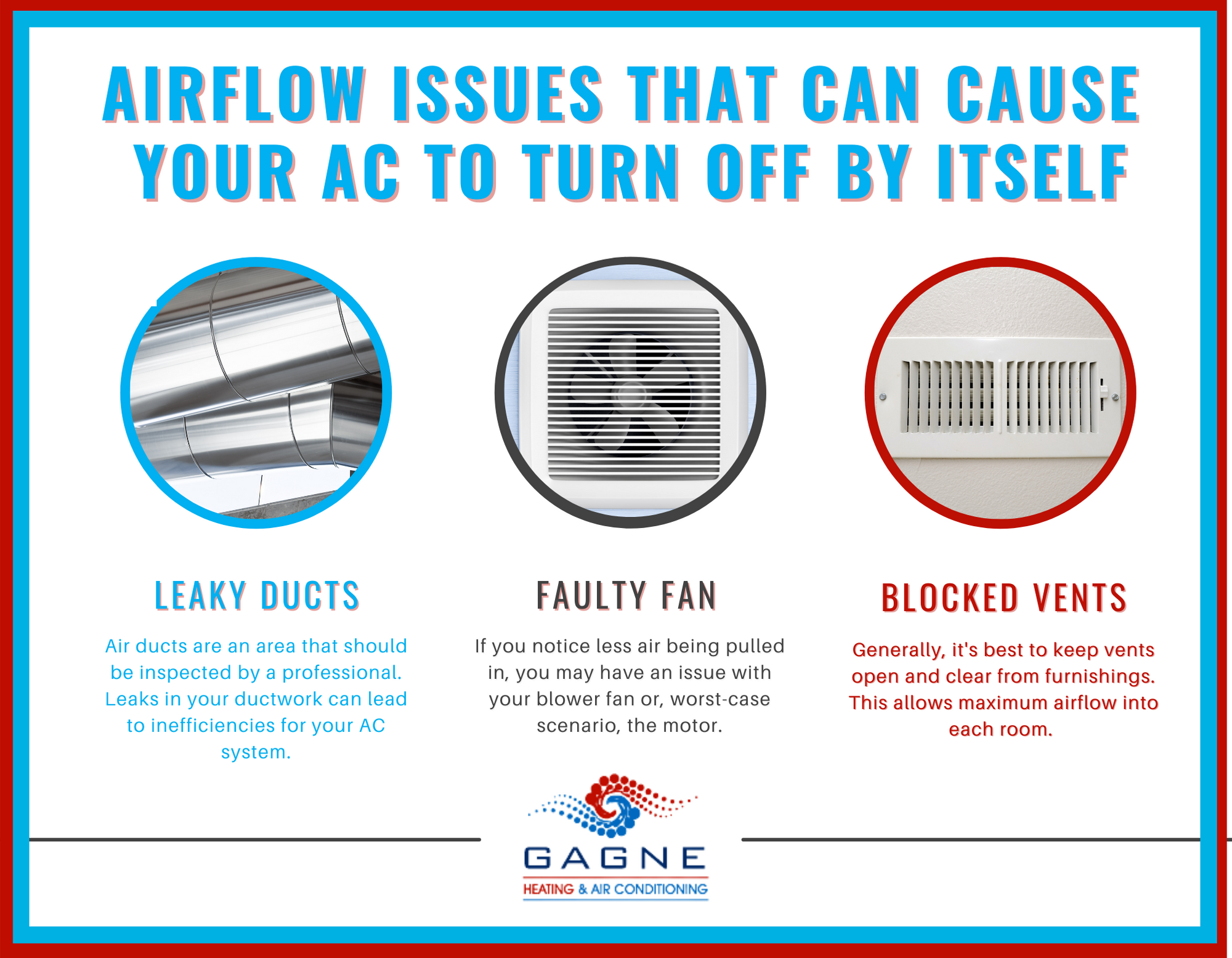
Image Source: gagneac.com
Deciphering Short Cycling: The Core Issue
Short cycling describes a situation where your air conditioner’s compressor kicks on, runs for a short period, then shuts off, only to repeat the cycle shortly after. Ideally, your AC should run in longer cycles, maintaining a consistent temperature and operating efficiently. When it’s short cycling, it’s not effectively cooling your home, and it’s working harder than it should be, consuming more energy. This can lead to uneven cooling, higher humidity levels, and increased wear and tear on crucial parts.
Common Culprits Behind the Constant On-Off Cycle
Let’s delve into the most frequent reasons your air conditioner might be engaging in this disruptive behavior.
1. Thermostat Issues: The Brain of Your System
Your thermostat is the command center for your HVAC system. If it’s not functioning correctly, it can send faulty signals, leading to erratic operation.
Calibration and Location
- Miscalibration: Thermostats can become miscalibrated over time. If the temperature sensor is inaccurate, it might falsely detect that the desired temperature has been reached, signaling the AC to shut off prematurely.
- Placement Problems: Where your thermostat is located is crucial. If it’s near a heat source (like a lamp or direct sunlight) or a draft (like an open window or vent), it will misread the room temperature. This can cause the AC to turn off when the actual room temperature is still too high, or vice versa, leading to short cycling.
- Battery Life: For battery-powered thermostats, low batteries can cause erratic behavior and signal interruptions.
Thermostat Settings
- Fan Setting: Ensure your thermostat is set to “Auto” for the fan. If it’s set to “On,” the fan will run continuously, even when the cooling cycle is off. This can sometimes confuse the system into thinking it’s already cooled the space.
- Temperature Setting: If you’re setting the thermostat to a very low temperature, especially on a hot day, the AC might struggle to reach that target quickly. This can lead to the system shutting off due to overheating or safety cut-offs before it can achieve the desired coolness, contributing to short cycling.
Faulty Thermostat
- Internal Malfunction: Like any electronic device, thermostats can fail. A faulty internal component can lead to inaccurate readings or an inability to maintain a stable connection with the AC unit.
Troubleshooting Steps for Thermostat Issues:
- Check Batteries: Replace the batteries in your thermostat.
- Verify Location: Ensure the thermostat isn’t exposed to direct sunlight, heat sources, or drafts.
- Recalibrate (if possible): Consult your thermostat’s manual for calibration instructions.
- Adjust Temperature Setting: Try setting the temperature a few degrees higher to see if the cycling stops.
- Clean: Dust and debris can sometimes interfere with sensors. Gently clean the thermostat’s vents.
- Test with a Manual Override: If your thermostat has a manual on/off switch, try using it to bypass the automatic settings.
2. Dirty Air Filter: A Breath of Fresh Air Blocked
A clogged dirty air filter is one of the most common and easily preventable causes of HVAC problems, including short cycling.
How a Dirty Filter Affects Your AC
- Restricted Airflow: The air filter’s job is to capture dust, dirt, and other airborne particles before they enter your AC’s internal components and circulate into your home. When it’s dirty, airflow is severely restricted.
- Evaporator Coil Freezing: Restricted airflow across the evaporator coil (the indoor part of your AC that absorbs heat) prevents it from absorbing heat efficiently. This can cause the moisture in the air to freeze onto the coil, creating an ice buildup. This ice formation is known as a frozen evaporator coil.
- System Overheating: The restricted airflow also makes the AC work harder. The motor can overheat, triggering safety mechanisms that shut down the unit. This sudden shutdown, followed by a brief cool-down before it tries to restart, is a classic cause of short cycling.
- Pressure Imbalance: The restricted airflow can also cause pressure imbalances within the system, leading to the compressor cycling off prematurely.
Troubleshooting Steps for Dirty Air Filters:
- Check the Filter Regularly: Most filters need to be replaced or cleaned every 1-3 months, depending on usage and household conditions (e.g., pets, allergies).
- Visual Inspection: Pull out the filter and hold it up to a light source. If you can’t see light through it, it’s time for a replacement or cleaning.
- Replacement: If your filter is disposable, replace it with a new one of the same size and MERV rating.
- Cleaning: If you have a washable filter, rinse it thoroughly with water and allow it to dry completely before reinstalling.
3. Refrigerant Leak: The Lifeblood of Cooling
Your air conditioner relies on a specific amount of refrigerant to absorb and release heat effectively. A refrigerant leak can severely disrupt this process.
Impact of Low Refrigerant
- Low Pressure: When refrigerant leaks out, the system’s internal pressure drops. This low pressure can trigger a safety switch, causing the compressor cycling to turn off.
- Frozen Evaporator Coil: Low refrigerant levels mean the system can’t absorb heat efficiently. This causes the evaporator coil to get too cold and freeze over, leading to a frozen evaporator coil. This ice further restricts airflow and can lead to short cycling.
- Reduced Cooling Capacity: The AC simply won’t cool your home effectively when it’s low on refrigerant, leading to longer run times that are then cut short by safety shutdowns.
- Damage to Compressor: Running with low refrigerant can seriously damage the compressor, the most expensive component of your AC system.
Troubleshooting Steps for Refrigerant Leaks:
- Signs of a Leak: Look for hissing sounds coming from your AC unit, frost on the refrigerant lines (the larger, insulated copper pipe), or decreased cooling performance.
- Professional Diagnosis: Refrigerant leaks require a certified HVAC technician to locate, repair, and recharge the system. Handling refrigerants without proper training and equipment is dangerous and illegal.
4. Faulty Capacitor: The Electrical Spark Plug
Capacitors are essential electrical components in your air conditioner that provide the necessary jolt of power to start and run the compressor and fan motors. A faulty capacitor is a common reason for short cycling.
Types of Capacitors and Their Roles
- Start Capacitor: This capacitor provides a strong surge of electricity to get the compressor motor spinning.
- Run Capacitor: This capacitor helps keep the compressor motor running smoothly and efficiently.
How a Faulty Capacitor Causes Problems
- Failure to Start: If a start capacitor fails, the compressor may try to start, hum loudly, and then shut off. This can trigger a compressor cycling issue.
- Intermittent Operation: A weak or failing capacitor might provide just enough power for the motor to start but not enough to keep it running. This can result in the motor running for a short time and then shutting off, leading to short cycling.
- Overheating: A struggling motor due to a faulty capacitor can overheat, leading to shutdowns.
Troubleshooting Steps for Faulty Capacitors:
- Visual Inspection: Sometimes, a faulty capacitor might show signs of bulging, leaking oil, or scorch marks.
- Professional Replacement: Capacitors store electrical charges and can be dangerous to handle. It is highly recommended that a qualified HVAC technician diagnose and replace a faulty capacitor.
5. Ductwork Problems: The Air Highways
The ductwork is the system of channels that distributes the cooled air throughout your home. Issues within the ductwork can significantly impact your AC’s performance and lead to short cycling.
Common Duct Issues
- Leaks: Holes, gaps, or poorly sealed connections in your ductwork can cause conditioned air to escape before it reaches its intended destination. This reduces the amount of cool air delivered to your rooms.
- Blockages: Debris, insulation, or collapsed sections within the ducts can restrict airflow.
- Poor Design or Size: If your ductwork is undersized for your AC unit, it won’t be able to deliver the volume of air required, leading to backpressure and potential short cycling.
Impact on AC Operation
- Uneven Cooling: Leaky or blocked ducts result in certain rooms receiving less cool air, while others may be excessively cooled.
- Reduced Efficiency: Your AC has to run longer to try and compensate for the lost air, making it more prone to short cycling as it attempts to reach the thermostat’s set point, or as components overheat due to air delivery issues.
- Frozen Evaporator Coil: Restricted airflow from duct problems can also contribute to a frozen evaporator coil.
Troubleshooting Steps for Ductwork Problems:
- Visual Inspection: Check accessible ductwork for obvious signs of damage, such as tears, holes, or disconnected sections.
- Seal Leaks: Use mastic sealant or specialized metal tape to seal any gaps or leaks.
- Check for Obstructions: Ensure no furniture or other items are blocking air vents.
- Professional Assessment: For significant issues or suspected internal blockages, consider having a professional inspect and seal your ductwork.
6. Oversized Unit: Too Much Power, Too Little Time
It might seem counterintuitive, but an air conditioner that is too large for your home can also lead to short cycling. This is often referred to as having an oversized unit.
Consequences of an Oversized AC
- Rapid Cooling: A unit that is too powerful cools your home very quickly. It reaches the thermostat’s set temperature much faster than it should, leading to frequent shutdowns.
- Inadequate Dehumidification: Because the AC cycles off so quickly, it doesn’t run long enough to adequately remove humidity from the air. This leaves your home feeling clammy and uncomfortable, even if the temperature is set low.
- Increased Wear and Tear: Constant starting and stopping puts excessive strain on the compressor, leading to premature wear and potential breakdowns.
- Energy Inefficiency: While you might think a more powerful unit is better, an oversized unit often consumes more energy due to its frequent starting and stopping.
Troubleshooting Steps for an Oversized Unit:
- Professional Assessment: If you suspect your AC unit is oversized, this is not something you can easily fix yourself. A professional HVAC technician can assess your home’s cooling needs and advise on appropriate solutions, which might include replacing the unit with a properly sized one or exploring ways to manage its operation.
7. Frozen Evaporator Coil: A Blockage of Ice
As mentioned in several previous points, a frozen evaporator coil is a symptom that can cause or exacerbate short cycling.
Causes of a Frozen Coil
- Dirty Air Filter: The most common culprit, as it restricts airflow.
- Low Refrigerant: A refrigerant leak leads to low pressure and freezing.
- Dirty Evaporator Coil: If the coil itself is coated in dirt and grime, airflow can be restricted even with a clean filter.
- Blocked Return Air Vents: Anything obstructing the air returning to the AC can also cause freezing.
- Fan Malfunction: If the indoor fan isn’t running or is running too slowly, air won’t circulate properly over the coil.
The Cycle of Freezing and Short Cycling
When the evaporator coil freezes, it acts like a thick layer of insulation, preventing heat from being absorbed from your home’s air. This leads to a significant drop in cooling efficiency. The system might then overheat, or a sensor malfunction might detect the abnormal conditions, causing the compressor cycling to shut down. Once the unit is off, the ice begins to melt. As it melts, airflow might temporarily improve, allowing the AC to start up again, only for the cycle to repeat as the coil freezes over once more.
Troubleshooting Steps for a Frozen Evaporator Coil:
- Turn Off the AC, Turn On the Fan: The immediate step is to turn off the cooling mode on your thermostat and set the fan to “On” or “Circulate.” This will help melt the ice faster.
- Check and Replace the Air Filter: This is the first thing to address after the ice has melted.
- Check for Refrigerant Leaks: If the problem recurs after replacing the filter, a refrigerant leak is likely.
- Inspect the Coil: Once thawed, inspect the evaporator coil for dirt and grime. Clean it gently with a soft brush or by following manufacturer instructions.
- Ensure Clear Air Vents: Make sure return air grilles and supply vents are not blocked.
8. Sensor Malfunction: Misleading Information
Modern air conditioners have various sensors to monitor temperature, pressure, and airflow. A sensor malfunction can lead to incorrect data being sent to the control board, causing erratic operation.
How Sensors Influence Operation
- Temperature Sensors: If a temperature sensor is faulty, it might constantly tell the system the room is cooler or warmer than it actually is, triggering the AC to turn on or off inappropriately.
- Pressure Sensors: These sensors protect the compressor from damage. If one malfunctions, it might falsely detect an overpressure or underpressure situation, leading to compressor cycling.
- Defrost Sensors: In heat pump systems or certain AC designs, a defrost sensor prevents ice buildup. A malfunctioning sensor could trigger the defrost cycle unnecessarily or fail to detect ice, indirectly contributing to issues.
Troubleshooting Steps for Sensor Malfunctions:
- Professional Diagnosis: Diagnosing and replacing faulty sensors typically requires specialized tools and knowledge of your specific AC system. This is best left to a qualified HVAC technician.
9. Ductwork Problems: Airflow Obstructions and Leaks
We touched upon this earlier, but it’s worth reiterating how critical proper airflow is, and how ductwork problems can directly cause short cycling.
Impact of Airflow Restrictions
- Reduced Air Volume: Leaks in ducts mean less cool air reaches your rooms. This forces the AC to run longer to try and meet the thermostat’s target.
- Pressure Imbalances: Collapsed or significantly obstructed ducts create areas of high pressure in some parts of the system and low pressure in others. This can trigger pressure switches, leading to compressor cycling.
- Frozen Coils: Poor airflow over the evaporator coil, often caused by duct issues, is a primary reason for freezing, which then leads to short cycling.
Troubleshooting Steps for Ductwork Issues:
- Inspect Accessible Ducts: Look for visible tears, disconnected sections, or loose joints.
- Seal Leaks: Use HVAC mastic sealant or foil tape to seal any gaps.
- Clear Obstructions: Ensure no furniture or items are blocking registers.
- Professional Evaluation: For thorough inspections and repairs, especially for internal duct issues, consult an HVAC professional.
10. Compressor Cycling: The Heartbeat of the System
The compressor cycling on and off too frequently is the observable symptom of the underlying problems we’ve discussed. The compressor is the workhorse of your AC. When it’s constantly starting and stopping, it’s under immense stress.
Why Compressor Cycling Matters
- Increased Wear: Each start-up cycle requires a significant surge of electricity and puts mechanical stress on the compressor’s internal components. Frequent cycles dramatically shorten its lifespan.
- Energy Waste: The startup surge is the most energy-intensive part of the compressor’s operation. Frequent cycling means more energy is spent just starting the unit, rather than efficiently cooling.
- Potential for Damage: Persistent short cycling due to issues like a faulty capacitor or refrigerant leak can lead to overheating and eventual compressor failure, which is a very costly repair.
What to do if you notice compressor cycling: It’s a clear indicator that something is wrong and needs prompt attention from a qualified technician.
Table: Common Causes and Solutions for AC Short Cycling
| Problem | Likely Cause | Solution | DIY Friendly? | Professional Help Needed? |
|---|---|---|---|---|
| Short Cycling | Dirty Air Filter | Clean or replace the air filter. | Yes | No |
| Low Refrigerant | Locate and repair leak, then recharge system. | No | Yes | |
| Faulty Capacitor | Test and replace the capacitor. | No | Yes | |
| Thermostat Issues (placement, calibration, batteries) | Adjust placement, recalibrate, replace batteries, or replace thermostat. | Yes | Possibly | |
| Oversized Unit | Replace unit with properly sized one. | No | Yes | |
| Frozen Evaporator Coil | Thaw coil, address underlying cause (filter, refrigerant, airflow). | Partially | Yes (for underlying cause) | |
| Ductwork Problems (leaks, blockages) | Seal leaks, clear blockages, or repair/replace damaged ducts. | Partially | Yes | |
| Sensor Malfunction | Diagnose and replace faulty sensor. | No | Yes | |
| Dirty Evaporator or Condenser Coils | Clean coils. | Partially | Yes | |
| Blocked Condenser Unit | Clear debris around the outdoor unit. | Yes | No |
Preventive Maintenance: Keeping Your AC Healthy
The best way to avoid the frustration and potential expense of short cycling is through regular preventive maintenance.
- Regular Filter Changes: Set a reminder to check and replace your air filter every 1-3 months.
- Annual Professional Tune-Ups: Schedule an annual inspection and servicing of your AC unit by a qualified technician. They can identify potential issues like refrigerant leaks or failing components before they cause major problems.
- Keep Outdoor Unit Clear: Ensure the area around your outdoor condenser unit is free of debris, leaves, and overgrown vegetation to allow for proper airflow.
- Check for Leaks: Periodically look for any visible signs of refrigerant leaks, such as oily residue around refrigerant lines or hissing sounds.
Frequently Asked Questions (FAQ)
Q1: How often should my air conditioner cycle on and off?
A: A properly functioning air conditioner should cycle on and off approximately 3-5 times per hour, with each cycle lasting between 10-20 minutes. The exact frequency depends on your home’s insulation, outdoor temperature, thermostat setting, and the size of your AC unit.
Q2: Can I fix a refrigerant leak myself?
A: No, you should not attempt to fix a refrigerant leak yourself. Handling refrigerants requires specialized training, tools, and certification due to their environmental impact and potential health hazards. Always call a certified HVAC professional.
Q3: My AC is blowing warm air, and it keeps turning on and off. What’s wrong?
A: This is a classic sign of low refrigerant, often caused by a leak. It could also be a severely dirty air filter or a frozen evaporator coil. It’s best to have a professional diagnose the exact cause.
Q4: Is short cycling bad for my air conditioner?
A: Yes, short cycling is detrimental to your air conditioner. It puts excessive wear and tear on components, especially the compressor, leading to a shorter lifespan and increased risk of costly breakdowns. It also reduces energy efficiency and cooling effectiveness.
Q5: How do I know if my AC unit is oversized?
A: An oversized AC unit will cool your home very quickly and then shut off, leading to frequent short cycling. You might also notice that your home feels cool but damp or humid, as the unit doesn’t run long enough for effective dehumidification. A professional load calculation is the best way to determine if your unit is the correct size for your home.
By familiarizing yourself with these common causes of AC short cycling and understanding the troubleshooting steps, you can either resolve minor issues yourself or be better equipped to explain the problem to a professional technician. Regular maintenance is key to ensuring your air conditioner runs efficiently and reliably, keeping your home comfortable all year round.

My name is Carlos Gadd, and I am the creator of AirPurityGuide.com.. With a passion for footwear, I share my experiences, insights, and expertise about shoes. Through my blog, I aim to guide readers in making informed decisions, finding the perfect pair, and enhancing their footwear knowledge. Join me on this journey to explore everything about shoes!