
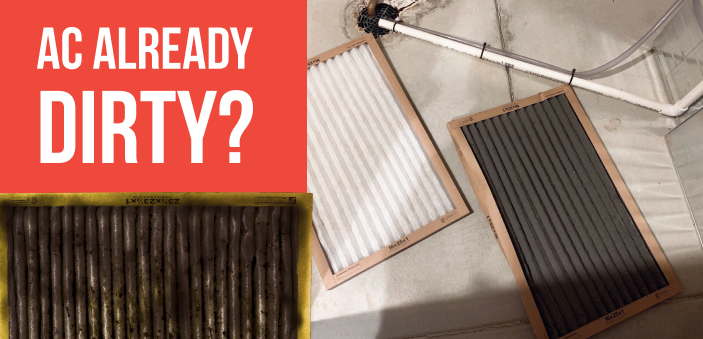
Image Source: filterking.com
Why Do My Air Filters Get Dirty So Fast? Causes and Solutions
Do your air filters get dirty incredibly fast? This is a common frustration for many homeowners, leading to more frequent purchases and a nagging concern about your home’s air quality. The primary reason for a dirty air filter is the presence of airborne particles that are drawn into your HVAC system. These particles can include everything from dust and pet dander to pollen and even microscopic debris from everyday activities.
Deciphering Rapid Filter Clogging
The rate at which your air filters accumulate dirt and debris is a direct indicator of the environment within your home and how your HVAC system is functioning. Several factors contribute to this phenomenon, and identifying them is the first step toward a solution.
Common Culprits Behind Dirty Filters
When your air filters are constantly needing replacement, it’s not just a matter of buying more filters; it points to underlying issues that can impact your health and the efficiency of your HVAC system.
- High Dust Circulation: The more dust circulating in your home, the faster your filter will become clogged. This can stem from various sources, including open windows, pet activity, or even dust migrating from less-used areas of your house. The constant movement of air within your HVAC system acts like a powerful vacuum, pulling in these particles.
- Residential Dust Accumulation: Beyond general circulation, specific sources within your home contribute significantly to dust. Think about everyday activities like cooking, walking, and even shedding skin cells. These processes constantly release particles into the air. If your home has a lot of carpets, upholstery, or decorative items, these can also trap and release dust over time.
- Pets and Allergens: For pet owners, the dander shed by dogs, cats, and other animals is a major contributor to airborne particles. This dander is microscopic and easily gets airborne, quickly finding its way into your HVAC system’s intake. Similarly, if anyone in your household suffers from allergies, pollen tracked in from outdoors can also rapidly dirty your filters.
- Poor Home Sealing and Drafts: Gaps and cracks in your home’s structure, around windows, doors, or even in the attic and basement, can allow unfiltered outside air to enter. This unfiltered air often carries a higher concentration of dust, dirt, and other pollutants, which then get pulled into your HVAC system and onto your filter.
- Age and Condition of HVAC System: An older or poorly maintained HVAC system might not be as efficient at capturing particles. Components like worn-out ductwork can leak air, allowing dust and debris to enter the system before it even reaches the filter.
Fathoming the Impact on Your Home
The consequences of a frequently dirty air filter extend beyond the annoyance of frequent replacement. They can affect your comfort, health, and even your wallet.
Symptoms of a Clogged Filter
Recognizing the signs that your filter needs attention is crucial for proactive maintenance. Clogged filter symptoms are often the first indication that something is amiss.
- Reduced Airflow: One of the most noticeable signs of a clogged filter is a significant decrease in the amount of air coming from your vents. If your rooms aren’t heating or cooling as effectively as they used to, a dirty filter is a prime suspect.
- Increased Energy Bills: When your HVAC system struggles to push air through a clogged filter, its motor has to work harder. This increased effort translates directly into higher energy consumption and, consequently, higher utility bills.
- Poor Indoor Air Quality: A dirty filter can’t effectively trap new particles, meaning more dust, allergens, and other irritants are circulated throughout your home. This can lead to or exacerbate respiratory problems, allergies, and general discomfort.
- HVAC System Overheating or Freezing: In extreme cases, a severely clogged filter can restrict airflow so much that the HVAC system overheats (furnace) or its coils freeze up (air conditioner). This can lead to costly damage.
- Visible Dust Buildup: If you notice dust accumulating on surfaces quickly, even after cleaning, it’s a strong indicator that your air filter is no longer doing its job.
Consequences for Your HVAC System
The strain on your HVAC system from a dirty filter can lead to premature wear and tear on its components.
- Overworked Fan Motor: The blower motor, responsible for circulating air, has to work much harder to overcome the resistance of a dirty filter. This can lead to premature failure of the motor.
- Ductwork Contamination: As the filter struggles, some larger particles might bypass it, or the dust collected on the filter might start to break down and spread further into the ductwork, creating a cycle of contamination.
- Reduced System Lifespan: Continuous strain from a dirty filter can shorten the overall lifespan of your HVAC system, leading to more expensive repairs and earlier replacement.
Investigating the Root Causes
To address the problem of filters getting dirty too fast, we need to delve deeper into the specific environmental and systemic factors at play.
Indoor Air Quality Issues
Your home’s indoor air quality issues are a direct reflection of what’s circulating in the air and, by extension, what’s landing on your air filter.
- Pet Dander and Hair: As mentioned, pets are significant contributors. Their dander, saliva, and hair are constantly shed. If you have multiple pets or long-haired breeds, this particulate load can be substantial.
- Mold Spores and Mildew: In humid environments or homes with moisture problems, mold and mildew can grow. Their spores become airborne and are drawn into the HVAC system, contributing to filter clogging and health concerns.
- Dust Mites and Their Waste: Dust mites are microscopic creatures that thrive in warm, humid environments, feeding on dead skin cells. Their waste products are a common allergen and contribute to dust buildup.
- Cooking Residues and Smoke: Particles from cooking, especially frying or grilling, can become airborne and sticky, clinging to surfaces and filters. Even subtle smoke from candles or fireplaces can add to the particulate load.
- Off-Gassing from Household Products: Many common household items, from new furniture and carpets to cleaning supplies and air fresheners, release volatile organic compounds (VOCs) and fine particles into the air.
Home Ventilation Problems
The way your home is ventilated significantly impacts how air circulates and what gets filtered. Home ventilation problems can create situations where your HVAC system works overtime.
- Sealed-Up Homes: While modern homes are often built to be energy-efficient with better sealing, if not properly managed with ventilation, this can trap indoor pollutants. Without adequate fresh air exchange, existing indoor particles have nowhere to go but into the HVAC system.
- Inadequate Ventilation Systems: If your home relies solely on natural ventilation (opening windows), this can be insufficient, especially in urban or polluted areas. Mechanical ventilation systems, like HRV (Heat Recovery Ventilator) or ERV (Energy Recovery Ventilator), can help manage this, but their effectiveness depends on proper operation and maintenance.
- Poor Ductwork Design or Condition: Leaky ducts, unsealed joints, or poorly insulated ducts can draw in air from crawl spaces, attics, or wall cavities. These areas are often filled with dust, insulation fibers, and other debris, directly contributing to a dirty filter.
- Blocked Vents or Return Air Grilles: If return air grilles (where air is sucked back into the HVAC system) are blocked by furniture, curtains, or even heavy dust buildup on the grille itself, the system will pull air from any available opening, potentially bypassing the filter or drawing in unfiltered air from elsewhere.
HVAC System Dust and Air Purifier Intake
Understanding how your HVAC system dust interacts with your air filters is key. Similarly, the role of your air purifier intake can influence the load on your central HVAC filters.
- HVAC System Dust: Over time, even with regular filter changes, dust can accumulate within the HVAC system itself – inside the air handler, blower fan, and ductwork. This internal dust can be stirred up and re-circulated, contributing to the rapid fouling of filters. Regular professional cleaning of your HVAC system and ductwork can mitigate this.
- Air Purifier Intake: If you use portable air purifiers in your home, their intake filters can also become dirty quickly, depending on their placement and the air quality in their immediate vicinity. While they target localized air, they also reduce the overall particle load that might eventually reach your central HVAC system. However, if an air purifier is placed near an HVAC return, it might simply be recirculating already-filtered air that the HVAC system is trying to draw in.
Strategies for Extending Filter Life and Improving Air Quality
Addressing the reasons for rapid filter clogging requires a multi-faceted approach, combining smart purchasing decisions with proactive maintenance and environmental controls.
Choosing the Right Air Filter
The type of air filter you use can significantly impact its lifespan and effectiveness.
MERV Ratings Explained: MERV (Minimum Efficiency Reporting Value) indicates how effectively a filter traps particles. Higher MERV ratings mean better filtration but can also restrict airflow.
- MERV 1-4: Basic filtration, catches large particles like lint and carpet fibers. Gets dirty quickly if there’s a lot of debris.
- MERV 5-8: Good for general home use, captures dust, pollen, and mold spores. A common and often sufficient choice.
- MERV 9-12: Captures finer particles, including pet dander and microscopic dust. Can cause airflow issues in older systems if not designed for it.
- MERV 13-16: High-efficiency filtration, captures bacteria and virus carriers. May require system upgrades and frequent monitoring due to airflow restriction.
Pleated vs. Fiberglass Filters: Pleated filters generally offer better filtration and have a larger surface area for trapping particles, which can extend their life compared to basic fiberglass filters.
Enhancing Your HVAC Maintenance Schedule
A consistent HVAC maintenance schedule is vital for keeping your system running efficiently and your filters cleaner for longer.
- Regular Filter Checks and Replacements: This is the most direct solution. Don’t wait for your filter to look visibly dirty. Check it monthly and replace it according to the manufacturer’s recommendation or sooner if you notice reduced airflow or increased dust.
- Professional HVAC Cleaning: Schedule annual or bi-annual professional cleanings of your HVAC system, including the ductwork. This removes accumulated dust and debris that can bypass or clog filters.
- Inspect and Seal Ductwork: Have your ductwork inspected for leaks and have any identified leaks professionally sealed. This prevents the intake of unfiltered air and debris.
- Clean Vents and Return Grilles: Regularly vacuum or wipe down all air vents and return air grilles to prevent dust buildup from obstructing airflow.
Environmental Controls and Lifestyle Adjustments
Making changes within your home can significantly reduce the amount of airborne particles your HVAC system has to deal with.
- Improve Home Sealing: Address drafts and air leaks around windows, doors, and other openings. Weatherstripping and caulking can make a big difference.
- Use High-Quality Air Purifiers: Consider using portable HEPA air purifiers in high-traffic areas of your home, especially bedrooms and living rooms. This can significantly reduce the particulate load before it even reaches your HVAC system. Ensure you clean or replace their filters regularly as well.
- Regular Cleaning and Dusting: Implement a consistent cleaning routine. Dust surfaces with damp cloths, vacuum carpets regularly with a vacuum cleaner that has a HEPA filter, and wash bedding frequently.
- Manage Pet Hair and Dander: Groom your pets regularly to reduce shedding. Consider keeping pets out of bedrooms if allergies are a concern. Bathe pets more frequently.
- Control Humidity: Use dehumidifiers in damp areas to discourage mold and mildew growth. Ensure proper ventilation in bathrooms and kitchens.
Addressing Frequent Filter Replacement
Frequent filter replacement becomes less of a burden when you understand and implement the right strategies. It’s a symptom, not just a problem. By treating the underlying causes, you can extend the life of your filters, improve your indoor air quality, and protect your HVAC investment.
Table: Common Causes and Corresponding Solutions
| Cause of Dirty Filters | Solutions |
|---|---|
| High dust circulation/accumulation | Regular vacuuming (HEPA filter), damp dusting, use air purifiers, improve home sealing, check for drafts. |
| Pet dander and hair | Regular pet grooming, bathe pets, use HEPA vacuums, consider air purifiers in pet areas, keep pets off furniture if possible. |
| Pollen and outdoor allergens | Keep windows and doors closed during high pollen seasons, use a good quality air filter (MERV 8+), clean HVAC system regularly. |
| Poor home sealing/drafts | Weatherstripping, caulking around windows and doors, inspect and seal ductwork. |
| Age/condition of HVAC system | Schedule professional HVAC inspections and maintenance, consider duct cleaning. |
| Overworked system due to clogged filter | Check and replace filter regularly, use appropriate MERV rating for your system, ensure vents are not blocked. |
| Internal HVAC dust buildup | Professional duct cleaning and HVAC system cleaning. |
| Off-gassing/VOCs from products | Ventilate home when possible (even for short periods), choose low-VOC products, use air purifiers. |
| Cooking residues/smoke | Use kitchen exhaust fans when cooking, clean stovetops and ovens regularly. |
| Mold and mildew spores | Control humidity (dehumidifiers), fix water leaks promptly, ensure proper ventilation in bathrooms/kitchens. |
FAQ Section
Q1: How often should I check my air filter?
You should visually inspect your air filter monthly. Depending on the MERV rating and your home environment (pets, allergies, etc.), you may need to replace it anywhere from every 1 to 3 months.
Q2: Can I use a higher MERV rated filter if mine is getting dirty too fast?
While a higher MERV filter can capture more particles, it also creates more resistance to airflow. If your HVAC system isn’t designed for it, this can strain the system and reduce efficiency. Consult your HVAC professional before switching to a significantly higher MERV rating.
Q3: My HVAC system is old, does that mean my filters will always get dirty fast?
Older systems can contribute to rapid filter clogging, especially if ductwork is leaky or the system components are not functioning optimally. Regular maintenance and cleaning of an older system are even more critical.
Q4: I have pets, is there anything else I can do besides changing the filter more often?
Yes, regular grooming of your pets, vacuuming frequently with a HEPA filter vacuum, and using portable HEPA air purifiers in areas where pets spend most of their time can significantly reduce the amount of dander and hair that gets into your HVAC system.
Q5: What are the main reasons for frequent filter replacement in a new home?
Even in a new home, filters can get dirty fast due to construction dust remaining in the air, off-gassing from new building materials and furnishings, or inadequate initial sealing which allows in external dust before permanent residents move in and begin managing the environment. Consistent cleaning and proper ventilation are key.

My name is Carlos Gadd, and I am the creator of AirPurityGuide.com.. With a passion for footwear, I share my experiences, insights, and expertise about shoes. Through my blog, I aim to guide readers in making informed decisions, finding the perfect pair, and enhancing their footwear knowledge. Join me on this journey to explore everything about shoes!