
Air conditioning vents sweating, forming visible water droplets on their surface, primarily occurs due to condensation. This happens when warm, moisture-laden air comes into contact with a cold surface, causing the water vapor in the air to turn into liquid. The primary culprit behind this phenomenon is a significant temperature difference between the air inside your home and the surface of the vent.
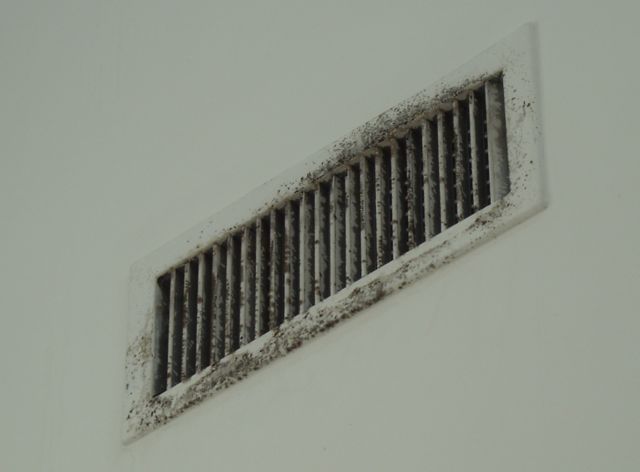
Image Source: www.energyvanguard.com
Deciphering the Source of Vent Sweat
The appearance of moisture on your air conditioning vents is a clear indicator that something isn’t quite right with your HVAC system or the surrounding environment. While a little bit of condensation might seem harmless, persistent sweating can lead to more significant issues like mold growth, water damage, and reduced energy efficiency. Let’s dive into the common reasons why your AC vents might be weeping.
High Humidity Levels Indoors
One of the most frequent contributors to sweating AC vents is elevated indoor humidity. When the air inside your home is thick with moisture, there’s more water vapor available to condense onto any cool surface it encounters. Your AC system, in its effort to cool your home, naturally dehumidifies the air. However, if the humidity levels are excessively high, the system might struggle to keep up, and the vents, being the points where the cold air exits, become prime spots for condensation to form.
- How High Humidity Affects Condensation: Think of a cold glass of water on a hot day. The outside of the glass “sweats” because the warm, humid air touches the cold glass, and the water vapor in the air turns into liquid. Your AC vents are essentially acting like that cold glass. The colder the vent surface and the more moisture in the air, the more pronounced the condensation will be.
Insufficient Insulation on Ductwork
The ducts that carry the cold air from your AC unit to your vents are often made of metal. If these ducts are not properly insulated, the cold air inside can significantly cool the exterior surface of the duct. When the surrounding air in your home, especially in unconditioned spaces like attics or crawl spaces, is warmer and more humid, the temperature difference between the duct and the air becomes large enough to cause condensation.
- The Role of Insulation: Insulation acts as a barrier, preventing the cold from escaping the ductwork and the warm, humid air from reaching the cold metal surface. Without adequate insulation, the ducts lose their cooling power, and the exterior becomes a cold surface prone to sweating.
Leaky or Damaged Ductwork
Leaky vents are not just an energy drain; they can also contribute to sweating. If your ductwork has holes, cracks, or poorly sealed connections, warm, humid air from unconditioned spaces can infiltrate the duct system. This humid air then mixes with the cool air inside, raising the overall temperature within the ducts. More importantly, if the leaks are located near the vents or in areas where the ducts are already exposed to warmer temperatures, the humid air can reach the vent surfaces, increasing the likelihood of condensation.
- Impact of Leaks: When leaky vents allow warm air in, it can disrupt the intended temperature balance. This introduces more moisture into the cooled air stream and can create pockets of warmer, humid air that readily condense on the cooler vent surfaces.
Poorly Sealed Vents
Even if the ductwork itself is well-insulated, poorly sealed vents can be a source of the problem. If the connection between the vent and the drywall or ceiling is not airtight, warm, humid air from the surrounding room can seep into the gap between the vent and the duct. This creates a localized moisture problem directly around the vent opening, leading to condensation.
- Sealing the Gaps: A tight seal around the vent prevents the infiltration of ambient air, ensuring that only the conditioned, cool air is being delivered into the room.
Refrigerant Leaks and Low Refrigerant Levels
A more serious underlying cause for sweating AC vents can be related to the refrigerant levels in your air conditioning system. Refrigerant is the substance that absorbs heat from your home. If there’s a refrigerant leak, the system will have less of this cooling substance, leading to reduced cooling efficiency and potentially freezing of the evaporator coil.
- Evaporator Coil Freezing: When the evaporator coil freezes, it dramatically reduces airflow. The ice buildup on the coil can then melt, and if this happens around the time the system is operating, the melted water can contribute to dripping or spraying from the vents, which can be mistaken for or exacerbate sweating. More commonly, low refrigerant can lead to a much colder duct surface, increasing the temperature difference and thus condensation.
Incorrectly Sized HVAC System
An AC unit that is too large for your home can also lead to excessive condensation and vent sweating. While it might seem counterintuitive, an oversized system will cool your home very quickly and then shut off. This short cycling means the system doesn’t run long enough to effectively dehumidify the air. As a result, the indoor air remains moist, and when the cold air is blasted out, the temperature difference is stark, leading to heavy condensation on the cold vents.
- The Dehumidification Factor: Proper dehumidification is a critical function of an AC system, achieved through longer run times. When run times are too short, this function is compromised.
Ambient Temperature and Humidity Extremes
In certain climates, particularly those with very high outdoor temperatures and humidity, the demands on your AC system are significantly increased. When the temperature difference between the inside and outside is extreme, and the indoor air is also humid, the system has to work harder, and the potential for condensation on cold surfaces like vents and ducts increases.
- Environmental Stress: Extreme weather conditions put extra strain on your HVAC system, making all components, including vents and ducts, more susceptible to the effects of moisture.
Blocked Airflow
If the return air vents are blocked or if the air filter is clogged, airflow to the AC unit is restricted. This can cause the evaporator coil to freeze, similar to the symptoms of low refrigerant. A frozen coil significantly alters the temperature of the air being blown through the vents, often making it colder than usual. This extreme cold, combined with any existing indoor moisture, can lead to significant condensation on the vent surfaces.
- Impact on Airflow: Proper airflow is crucial for the efficient operation of your AC. Blockages disrupt the balance, leading to various problems, including vent sweating.
Identifying the Signs of Sweating Vents
Recognizing the signs of sweating vents is the first step toward addressing the problem. You might notice:
- Water droplets forming on or around the vent cover.
- Stains or discoloration on the ceiling or wall around the vent.
- A musty smell, indicating potential mold growth due to prolonged moisture.
- Dripping water from the vents.
Table: Common Causes and Their Indicators
| Cause | Indicator |
|---|---|
| High Indoor Humidity | Foggy vents, general dampness in the air |
| Insufficient Duct Insulation | Cold surfaces on exposed ducts, sweating even when room is not very cold |
| Leaky Ductwork | Reduced airflow from some vents, pockets of humid air, potential mold |
| Poorly Sealed Vents | Concentrated sweating directly around the vent opening |
| Refrigerant Leaks | Reduced cooling, ice buildup on AC unit components, very cold vents |
| Oversized AC System | Rapid cooling followed by high humidity, frequent system cycling |
| Blocked Airflow | Weak airflow from vents, potential ice on AC unit |
Addressing the Problem: Solutions and Prevention
Once you’ve identified the likely cause of your sweating AC vents, you can take steps to resolve it.
1. Improve Indoor Air Quality and Dehumidification
- Use Dehumidifiers: Consider using portable dehumidifiers in persistently humid areas of your home.
- Ventilate Properly: Use exhaust fans in bathrooms and kitchens to remove moisture when showering or cooking.
- Check for Air Leaks: Seal gaps around windows and doors to prevent humid outdoor air from entering.
- Ensure Proper AC Operation: Make sure your AC thermostat is set to a reasonable temperature to allow for adequate run times for dehumidification.
2. Inspect and Insulate Ductwork
- Professional Inspection: Have your ductwork inspected by an HVAC professional. They can identify any leaky vents or areas where insulation is compromised.
- Add Insulation: If your ducts are not adequately insulated, especially in unconditioned spaces, consider adding or upgrading insulation. This can significantly reduce the temperature difference and prevent condensation. Look for ducts in attics, crawl spaces, and unfinished basements.
3. Seal Ductwork and Vents
- Duct Sealing: Use mastic sealant or metal-backed tape to seal any leaks in your ductwork. Properly sealing leaky vents and connections is crucial.
- Caulking and Weatherstripping: Ensure the area around your vents where they meet the ceiling or wall is properly sealed with caulk or foam sealant.
4. Address Refrigerant Issues and System Sizing
- Refrigerant Leak Detection: If you suspect a refrigerant leak, turn off your AC and call a qualified HVAC technician immediately. They have the tools to detect leaks and safely recharge the system.
- System Sizing: If your AC unit is consistently short-cycling and leaving your home feeling damp, it might be too large for your needs. Discuss this with an HVAC professional; a proper load calculation can determine the correct size for your home.
5. Maintain Airflow
- Regular Filter Changes: Change your AC filter regularly (typically every 1-3 months, depending on the filter type and usage). A clean filter ensures optimal airflow.
- Clear Obstructions: Ensure return air grilles are not blocked by furniture or drapes.
When to Call a Professional
While some minor condensation might be attributable to exceptionally humid days, persistent sweating or significant water accumulation warrants professional attention. An HVAC technician can diagnose more complex issues like:
- Refrigerant leaks
- Problems with the evaporator coil
- Incorrectly sized equipment
- Significant ductwork damage
They can also perform professional duct sealing and insulation services.
Frequently Asked Questions (FAQ)
Q1: Is sweating AC vent water harmful?
A1: The water itself is not inherently harmful, but the conditions that cause it can be. Prolonged moisture around vents can lead to mold and mildew growth, which can impact indoor air quality and cause respiratory issues. It can also damage drywall and paint.
Q2: Can I fix sweating vents myself?
A2: For simple issues like poor sealing around a vent or minor humidity problems, you might be able to make improvements yourself. However, for issues involving ductwork integrity, insulation, or refrigerant levels, it’s best to call a professional HVAC technician.
Q3: How often should I check my air filter?
A3: It’s generally recommended to check your air filter every 1-3 months. If you have pets, allergies, or live in a dusty area, you may need to check and change it more frequently.
Q4: What is the ideal indoor humidity level?
A4: The ideal indoor humidity level is typically between 40% and 60%. If your home consistently falls outside this range, especially on the higher side, you may experience issues like sweating vents.
Q5: Does the type of vent material matter?
A5: While the material itself isn’t the primary cause, metal vents tend to get colder than plastic ones due to their thermal conductivity. This can make them slightly more prone to condensation if other contributing factors are present.
By paying attention to the signs of moisture around your AC vents and addressing the underlying causes, you can maintain a more comfortable, healthier, and energy-efficient home.

My name is Carlos Gadd, and I am the creator of AirPurityGuide.com.. With a passion for footwear, I share my experiences, insights, and expertise about shoes. Through my blog, I aim to guide readers in making informed decisions, finding the perfect pair, and enhancing their footwear knowledge. Join me on this journey to explore everything about shoes!