
What causes air conditioner vents to sweat? Air conditioner vents sweat primarily due to condensation, which occurs when warm, moist air comes into contact with a cold surface. This phenomenon is common in homes with functioning air conditioning systems, especially during warmer months.
Experiencing condensation on air vents can be a puzzling and sometimes concerning issue for homeowners. You might notice AC vent moisture, leading to what appears to be sweaty AC vents. This can manifest as AC vent water droplets forming on or around the vents, and in more severe cases, you might see why AC vents drip onto your walls or ceilings. Understanding the underlying causes of AC vent condensation is crucial for maintaining a healthy and efficient home environment. This detailed guide will explore the common culprits behind air conditioner duct condensation and provide practical, actionable fixes.
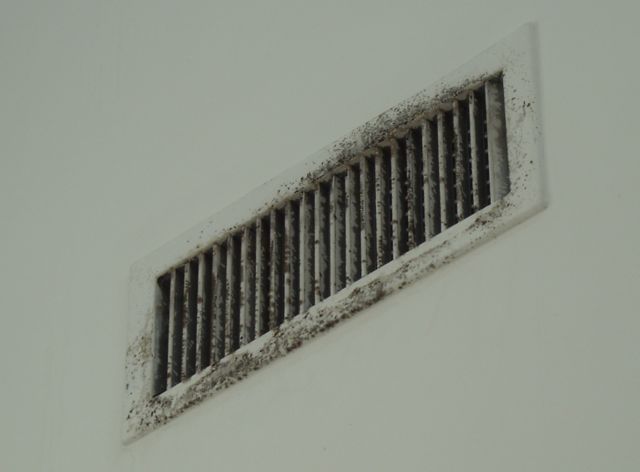
Image Source: www.energyvanguard.com
The Science Behind Sweaty Vents: Condensation Explained
Condensation is a natural physical process. It happens when water vapor in the air cools down and changes from a gas to a liquid. Think about a cold glass of water on a hot day – the outside of the glass gets wet. That’s condensation. The same principle applies to your air conditioner vents.
The air conditioner’s job is to cool the air inside your home. As it circulates this cooled air through the ducts and out of the vents, the metal or plastic of the vent becomes much colder than the surrounding indoor air. If the indoor air is also humid, the water vapor in that air will condense on the cold vent surface. This is how you get that cold AC vent sweat.
Humidity and AC vents are directly linked. The higher the humidity inside your home, the more water vapor is available to condense onto the cold vents. This is why you might notice more sweating on humid days, even if the AC is working.
Common Causes of AC Vent Condensation
Several factors can contribute to condensation forming on your air conditioner vents. Pinpointing the exact cause is the first step toward resolving the issue.
1. High Indoor Humidity Levels
This is arguably the most frequent reason for AC vent moisture. Your air conditioner is designed to dehumidify the air as it cools. However, if the system is undersized for your home, is not running long enough cycles to effectively dehumidify, or if there are significant sources of indoor moisture, the AC might struggle to keep up.
- Sources of Indoor Moisture:
- Cooking: Boiling water, steaming food.
- Showers and Baths: Unvented bathrooms.
- Drying Clothes Indoors: Especially without proper ventilation.
- Houseplants: Transpiration from numerous plants.
- Leaky Plumbing: Hidden leaks in walls or under floors.
- Poor Ventilation: Lack of fresh air exchange.
- Basement Moisture: Dampness migrating from lower levels.
When indoor humidity is consistently high, the air reaching the vents is already saturated with moisture. As this air hits the chilled vent surface, condensation is almost inevitable.
2. Poorly Insulated Ducts
The ducts carrying the cooled air from your AC unit to your vents are often located in unconditioned spaces like attics, crawl spaces, or basements. If these ducts are not properly insulated, the cold air inside can cool the duct walls significantly, leading to condensation on the exterior of the ducts. This moisture can then travel to the vents, appearing as air conditioner duct condensation.
- Why Insulation Matters: Insulation acts as a barrier, preventing the cold air inside the ducts from interacting with the warmer, more humid air in the surrounding unconditioned space. Without adequate insulation, this temperature difference creates a perfect environment for condensation to form.
3. Air Leaks in Ductwork
Cracks, gaps, or loose connections in your ductwork can allow warm, moist air from your attic, crawl space, or basement to infiltrate the conditioned air stream. This mixed air then flows through your vents, and the moisture in the infiltrated air can condense on the cooler surfaces.
- Impact of Leaks: Leaky ducts not only waste energy by allowing cooled air to escape but also introduce unwanted humidity into your home’s air distribution system, exacerbating condensation issues.
4. AC Unit Issues
Sometimes, the problem isn’t just the vents themselves but the performance of the air conditioning unit.
- Undersized AC Unit: If your AC unit is too small for the square footage of your home, it will run constantly without reaching the desired temperature, and more importantly, without running long enough to effectively dehumidify the air. This leads to high indoor humidity and consequently, condensation.
- Low Refrigerant Levels: When refrigerant levels are low, the evaporator coil (where the air is cooled) can freeze over. As the unit cycles off or when airflow is reduced, this ice melts, producing excess water that can contribute to vent moisture.
- Dirty Evaporator Coil: A dirty evaporator coil reduces the efficiency of heat transfer and airflow. This can lead to uneven cooling and potentially freezing, both of which can cause condensation.
- Blocked Condensate Drain Line: The AC unit has a drain line to remove the moisture it collects from the air. If this line is clogged, water can back up and overflow, potentially finding its way into the ductwork or surrounding areas, contributing to AC vent moisture.
5. Clogged Air Filters
A clogged air filter restricts airflow across the evaporator coil. This reduced airflow can cause the coil to get too cold, potentially leading to freezing. Once the ice melts, it results in excess moisture that can drip from the vents or contribute to air conditioner duct condensation.
6. Improperly Sized Vents or Ductwork
If your ductwork or vents are not sized correctly for your HVAC system and home, it can lead to imbalanced airflow and pressure issues. This can cause certain areas of the ductwork or specific vents to become colder than others, increasing the likelihood of condensation.
7. Location of Vents
Vents located in areas with high external moisture or temperature differences are more prone to sweating. For example, vents located near exterior walls that get direct sunlight or vents in rooms with very little air circulation can be more susceptible.
Diagnosing the Sweat: Step-by-Step Investigation
To effectively address why AC vents drip, you need to systematically investigate the potential causes.
Step 1: Assess Indoor Humidity
- Use a Hygrometer: This is a simple device that measures the relative humidity in your home. Aim for a relative humidity level between 30% and 50% for optimal comfort and to reduce condensation.
- Observe When It Happens: Does the sweating occur only on very humid days? Does it happen after activities like cooking or showering? This can point to general humidity issues.
Step 2: Inspect Your Ductwork
- Visual Inspection (If Accessible): If you can safely access your attic, crawl space, or basement, look at the ductwork connected to the sweating vents. Check for signs of condensation, water stains, or dripping.
- Feel the Ducts: Are the ducts cold to the touch? If they feel significantly colder than the surrounding air and are damp, insulation issues or air leaks are likely suspects.
Step 3: Examine Your Air Filter
- Check the Filter: A quick look at your AC filter can tell you a lot. If it’s visibly dirty and clogged, it’s a prime suspect for airflow restriction and subsequent coil freezing.
Step 4: Listen to Your AC Unit
- Unusual Noises: Are you hearing any strange sounds like hissing, gurgling, or ice cracking from your AC unit? These could indicate refrigerant issues or freezing.
- Water Pooling: Check around your AC unit for any signs of water pooling or leaks. This might suggest a clogged condensate drain line or a refrigerant leak.
Step 5: Check Vent Airflow
- Feel the Air: Is the airflow from the sweating vents strong, weak, or uneven compared to other vents? Uneven airflow can indicate ductwork problems or system imbalances.
Practical Fixes for Sweaty AC Vents
Once you have a better idea of the cause, you can implement targeted fixes.
Fixing High Indoor Humidity
- Use a Dehumidifier: For persistent high humidity, a portable or whole-house dehumidifier can be very effective.
- Ventilate Properly: Ensure exhaust fans in bathrooms and kitchens are used during and after showering or cooking. Consider installing a whole-house ventilation system if your home lacks adequate air exchange.
- Fix Leaks: Address any plumbing leaks or dampness issues in your basement or crawl spaces.
- Limit Moisture Sources: Try to dry clothes outdoors or in a vented dryer. Reduce the number of houseplants if they are contributing significantly to humidity.
Improving Ductwork Insulation and Sealing
- Add Insulation: If your ductwork is uninsulated or has inadequate insulation, consider adding or upgrading the insulation. Products like fiberglass duct wrap or spray foam can be used. For DIY, ensure you use appropriate safety gear and follow manufacturer instructions.
- Seal Leaks: Use mastic sealant or metal-backed tape specifically designed for ductwork to seal any gaps or cracks. Ensure connections between duct sections are secure.
Addressing AC Unit Issues
- Professional Servicing: If you suspect low refrigerant, a dirty evaporator coil, or a clogged condensate drain line, it’s best to call a qualified HVAC technician. They can safely recharge refrigerant, clean the coils, and clear blockages.
- Regular Maintenance: Schedule annual tune-ups for your AC system. This includes cleaning coils, checking refrigerant levels, and ensuring the condensate drain line is clear.
Managing Air Filters
- Regular Replacement: Change or clean your air filters regularly, typically every 1-3 months, depending on the filter type and your home’s environment (pets, allergies).
Optimizing Airflow
- Balance the System: A professional HVAC technician can balance your system by adjusting dampers in the ductwork to ensure proper airflow to all rooms.
- Check Vent Registers: Ensure that vent registers are not blocked by furniture or curtains, as this impedes airflow.
Vent Relocation or Modification (Less Common)
- Professional Consultation: In rare cases where condensation is consistently problematic due to vent placement, a professional might suggest relocating or modifying the vent. This is a more involved solution and should only be considered after other options have been explored.
Table: Common AC Vent Sweat Causes and Solutions
| Cause | Symptoms | Solutions |
|---|---|---|
| High Indoor Humidity | Condensation on vents, clammy feeling, musty odors | Use a dehumidifier, improve ventilation, vent bathrooms/kitchens, fix plumbing leaks, limit houseplants. |
| Poor Duct Insulation | Cold, damp feeling on ducts in unconditioned spaces, condensation near vents | Add or upgrade duct insulation (e.g., fiberglass wrap), seal duct penetrations. |
| Air Leaks in Ducts | Reduced airflow to some rooms, increased dust, condensation on vents | Seal duct seams and connections with mastic sealant or metal-backed tape. |
| Dirty Air Filter | Reduced airflow, AC unit freezes over, condensation at vents | Replace or clean air filters regularly (every 1-3 months). |
| AC Unit Problems | Freezing coils, low airflow, water leaks from unit, unusual noises | Schedule professional HVAC maintenance, check for low refrigerant, clean evaporator coil, clear condensate drain line. |
| Blocked Condensate Drain Line | Water pooling around AC unit, increased humidity, potential water damage | Call an HVAC technician to clear the drain line. |
| Improper Airflow | Uneven cooling, some vents have stronger airflow than others | Have an HVAC professional balance the system by adjusting dampers. Ensure vents are not blocked. |
Frequently Asked Questions (FAQ)
Q1: Is condensation on my AC vents harmful?
While not immediately dangerous, persistent condensation can lead to problems. It can encourage mold and mildew growth within the ductwork or on surrounding surfaces, which can affect indoor air quality. It can also cause water damage to ceilings, walls, or floors over time, leading to costly repairs.
Q2: Can I fix sweaty AC vents myself?
Many common issues, like changing air filters or sealing minor duct leaks, can be handled by homeowners. However, if you suspect issues with your AC unit itself (e.g., refrigerant levels, frozen coils), it’s best to call a qualified HVAC professional. Attempting complex repairs without proper knowledge can be dangerous and may void warranties.
Q3: How often should I replace my AC air filter?
This depends on the type of filter and your home environment. As a general rule, disposable pleated filters should be replaced every 1-3 months. Fiberglass filters may need changing more frequently. Check your filter monthly and replace it when it appears dirty.
Q4: My vents are sweating, but it’s not humid. What else could it be?
If humidity isn’t the culprit, the issue likely lies with your ductwork or AC system. Poorly insulated ducts, air leaks in the ducts allowing cold air to escape and condense on the exterior, or an AC unit that’s running too cold (perhaps due to low refrigerant or a dirty coil) could be the cause.
Q5: What is “vent surface moisture”?
“Vent surface moisture” is another way of describing condensation that forms on the exterior of the AC vent. It’s the visible sign that the vent is cold enough to cause water vapor in the air to turn into liquid.
Conclusion: Keeping Your Vents Dry and Your Home Comfortable
Sweaty AC vents are a sign that something in your HVAC system or home environment needs attention. By carefully examining the potential causes, from high indoor humidity to issues with ductwork and the AC unit itself, you can implement the right solutions. Regular maintenance, proper ventilation, and addressing any diagnosed problems promptly will not only prevent AC vent water droplets but also ensure your air conditioner runs efficiently, saving you money and keeping your home comfortable year-round. If you’re unsure about diagnosing or fixing the problem, always consult a trusted HVAC professional.

My name is Carlos Gadd, and I am the creator of AirPurityGuide.com.. With a passion for footwear, I share my experiences, insights, and expertise about shoes. Through my blog, I aim to guide readers in making informed decisions, finding the perfect pair, and enhancing their footwear knowledge. Join me on this journey to explore everything about shoes!