
Can mice get into air conditioners? Yes, unfortunately, mice can and often do get into air conditioning units, especially window units and those with exposed external components. This can cause significant damage and create unsanitary conditions in your home. This in-depth guide will show you how to effectively keep mice out of your air conditioner and prevent future infestations.
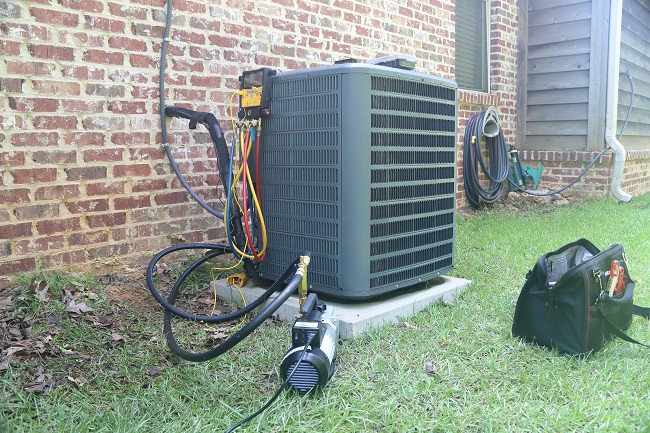
Image Source: txairtech.com
Why Mice Are Attracted to Air Conditioners
Mice are tiny, resourceful creatures that are always on the lookout for shelter, warmth, and food. Your air conditioner, whether it’s a window unit, a central AC system with outdoor components, or even the ductwork in your walls, can provide all of these.
Warmth and Shelter
During cooler months, air conditioners, especially those with outdoor condenser units or window units left in place, can offer a warm, protected haven for mice. The electrical components generate residual heat, and the enclosed spaces within the unit provide a safe place to nest away from predators and harsh weather.
Nesting Materials
The soft insulation, dust bunnies, and even stray fibers that accumulate inside AC units can be attractive nesting materials for mice. They can quickly build cozy nests that offer protection for themselves and their young.
Food Sources
While AC units themselves don’t contain food, their proximity to kitchens and other living areas means mice might be exploring your home for snacks. If they find a way into your AC unit, they might see it as a convenient resting spot between foraging expeditions.
Easy Access Points
Many air conditioning systems have small gaps, openings, or unsecured panels that mice can easily squeeze through. Outdoor condenser units, in particular, have vents and access panels that are not always rodent-proof. Even seemingly small openings can be exploited by these determined little pests.
Dangers of Mice in Your Air Conditioner
Having mice in your air conditioner is more than just a nuisance; it can lead to serious problems for your home and your health.
Fire Hazards
Mice have a habit of chewing on electrical wires. Insulation is made of plastic and rubber, which they find tasty. Chewed wires can short-circuit, leading to sparks and potentially starting a fire. This is one of the most dangerous risks associated with rodents in your HVAC system.
Health Risks
Mice carry diseases that can be transmitted to humans through their droppings, urine, and saliva. When they infest your AC unit, they can contaminate the air circulating throughout your home, spreading germs and allergens. This can exacerbate respiratory issues like asthma and allergies, and in some cases, lead to more serious illnesses. The droppings themselves can also become airborne dust if disturbed.
Damage to the AC Unit
Mice can chew through insulation, wiring, and plastic components. They can also clog filters and vents with nesting materials and droppings. This damage can lead to reduced efficiency, system malfunctions, and costly repairs. A compromised AC unit may not cool your home effectively and could even stop working altogether.
Unpleasant Odors
The presence of mice, their droppings, and their urine can create foul odors that will be circulated throughout your home by the AC system. These smells can be persistent and difficult to eliminate without a thorough cleaning and removal of the source.
Preventing Mice from Entering Your Air Conditioner
The key to keeping mice out of your air conditioner is to make it an unattractive and inaccessible target. This involves a multi-pronged approach focused on sealing entry points and deterring them from the area.
1. Seal Air Conditioner Vents and Openings
This is the most crucial step in mouseproofing your AC unit and your home’s HVAC system. Mice can squeeze through incredibly small openings, so a thorough inspection is necessary.
Outdoor Unit Inspection and Sealing
Your outdoor condenser unit is a prime target. Look for any holes or gaps where wiring enters the unit, around the base, or near any access panels.
Materials for Sealing:
- Hardware Cloth or Metal Mesh: Use galvanized steel mesh with openings no larger than 1/4 inch. This is sturdy and difficult for mice to chew through.
- Steel Wool: Pack steel wool tightly into small gaps. Mice dislike its texture and find it difficult to chew through.
- Caulk and Sealants: Use a good quality exterior-grade caulk to seal smaller cracks and seams.
- Sheet Metal: For larger holes, consider cutting and fitting pieces of sheet metal.
Sealing Process:
- Turn off Power: Always disconnect the power to the outdoor unit at the breaker box before doing any work.
- Clean the Area: Remove any debris, leaves, or overgrown vegetation around the unit that could provide cover for rodents.
- Inspect Thoroughly: Look for any openings. Pay attention to where pipes and electrical conduits enter the unit.
- Install Mesh: Cover any larger openings or vents with hardware cloth, securing it with screws or staples. Ensure the mesh is well-fitted and covers the entire opening.
- Pack Small Gaps: Stuff steel wool into smaller cracks and crevices.
- Seal with Caulk/Sealant: Apply caulk over the steel wool and around edges of mesh to create a complete seal. For a more durable seal, consider using a sealant specifically designed for outdoor use and pest control.
- Secure Panels: Ensure all access panels are securely fastened and that there are no gaps around them.
Indoor Unit (Window AC / Through-the-Wall AC) Inspection and Sealing
Window AC units and through-the-wall units are particularly vulnerable as they directly breach your home’s exterior.
- Inspect the Fit: Ensure the unit is snugly fitted into the window or wall opening.
- Seal Gaps: Use weather stripping or foam sealant to fill any gaps between the AC unit and the window frame or wall.
- Check Casings: Inspect the casing of the AC unit itself for any cracks or damage. Seal these with appropriate tape or sealant.
- Consider Screens: If your unit has intake vents that are accessible from the outside, consider fitting them with fine mesh screens, ensuring they don’t obstruct airflow too much.
Ductwork Considerations: Keep Mice Out of Ducts
For central HVAC systems, mice can also find their way into the ductwork, circulating air and droppings throughout your house.
- Inspect Exterior Vents: Check your home’s exterior vents for the HVAC system. These are often covered with louvers that can be pried open by determined rodents.
- Install Rodent Guards: Fit fine mesh screens (rodent guards) over all exterior air intake and exhaust vents. Ensure these are securely attached and cannot be easily dislodged.
- Seal Duct Openings: If your ductwork is exposed in basements or crawl spaces, inspect it for any holes or gaps where mice could enter. Seal these with metal tape or appropriate sealants.
2. Mouseproofing Your Home’s Exterior
Preventing mice from getting into your house in the first place is essential for AC rodent prevention.
- Seal Foundation Cracks: Inspect your home’s foundation for any cracks or holes and seal them with caulk, mortar, or steel wool. Mice can enter through surprisingly small openings.
- Check Door and Window Seals: Ensure weather stripping around doors and windows is intact and that there are no gaps.
- Trim Vegetation: Keep shrubs, trees, and vines trimmed away from your house. Branches can provide a bridge for mice to reach upper windows and vents.
- Secure Trash Cans: Use tightly sealed trash cans and keep them away from your home’s foundation.
- Properly Store Food: Don’t leave pet food or human food accessible outdoors.
3. Air Conditioner Pest Control Strategies
Beyond sealing, there are other methods to deter mice.
Deter Mice from HVAC Systems
- Natural Deterrents: Some people use strong scents that mice dislike, such as peppermint oil, cayenne pepper, or ammonia-soaked rags. Place these in areas around the AC unit, not inside, and be mindful of potential fumes affecting air quality. Reapply as needed.
- Electronic Deterrents: Ultrasonic pest repellers emit high-frequency sounds that are supposed to be irritating to rodents. Their effectiveness can vary, and they are generally more effective in enclosed spaces.
- Traps: Place snap traps or live traps in areas around your outdoor unit and in your basement or crawl spaces near ductwork. Use peanut butter or cheese as bait. Check traps regularly.
Professional Pest Control
If you have a persistent rodent problem or are uncomfortable performing these tasks yourself, consider hiring a professional pest control service. They have the expertise and tools to identify entry points, remove existing infestations, and implement effective prevention strategies. They can also advise on specific mouse deterrents for air conditioner units.
4. Regular Maintenance and Inspections
Consistent checks of your AC system and surrounding areas are key to long-term mouseproofing.
- Annual Servicing: Have your HVAC system serviced annually by a qualified technician. They can identify potential issues, including pest-related damage, and perform necessary cleaning and repairs.
- Seasonal Checks: Before turning on your AC for the cooling season and after the heating season, perform a thorough inspection of both indoor and outdoor units and accessible ductwork.
- Filter Replacement: Regularly change your AC filters. Clogged filters can accumulate dust and debris, making the unit more attractive to nesting rodents and reducing airflow.
Specific AC Rodent Prevention Tips
Here’s a summary of actionable steps:
- Seal ALL openings: Be meticulous about sealing every crack and crevice around your AC unit, especially where wires and pipes enter.
- Use durable materials: Opt for hardware cloth, steel wool, and robust sealants that mice cannot easily chew through.
- Protect outdoor units: These are the most accessible points. Ensure they are completely sealed.
- Guard exterior vents: Install fine mesh screens on all HVAC vents that open to the outside.
- Keep the area clean: Remove debris, clutter, and potential food sources around your AC units.
- Trim vegetation: Maintain a clear buffer zone around your home.
- Regular inspections: Make it a habit to check your AC system and its surroundings for signs of rodent activity.
Common Mistakes to Avoid
- Using only repellents: Relying solely on scents or electronic deterrents without sealing entry points is often ineffective. Mice will find a way in if there’s a comfortable nesting spot.
- Leaving unit exposed: Not covering or protecting window units or outdoor components during off-seasons makes them an open invitation for pests.
- Ignoring small gaps: What seems like a tiny hole to you is a highway for a mouse.
- Using flammable materials: Avoid using flammable sprays or materials near electrical components.
- Blocking airflow: Ensure any mesh or screens you install do not significantly impede the airflow needed for your AC unit to function correctly.
When to Call a Professional
You should consider calling a professional pest control service if:
- You suspect a significant infestation.
- You have tried sealing and prevention methods without success.
- You are uncomfortable working with electrical components or heights.
- You notice persistent signs of mice (droppings, gnaw marks, scratching sounds) despite your efforts.
- You have health concerns related to rodent exposure.
Frequently Asked Questions (FAQ)
Q1: How do I know if mice are in my air conditioner?
Signs include scratching or scurrying sounds coming from the unit, unusual odors (like urine or decaying material), visible droppings near or inside the unit, or the unit malfunctioning unexpectedly.
Q2: Can I use poison to get rid of mice in my AC?
While poison can kill mice, it’s generally not recommended for use directly inside AC units. Dead rodents in inaccessible areas can cause severe odor problems and attract other pests. If poison is used, it should be placed in tamper-proof bait stations in areas away from the AC unit, such as along walls or in attics and basements, and handled with extreme caution due to risks to pets and children. Professional pest control can advise on safe and effective methods.
Q3: What is the best material to block mice from AC vents?
The best materials are durable, chew-proof, and allow for some airflow. Galvanized steel hardware cloth (1/4-inch mesh or smaller) and tightly packed steel wool for smaller gaps are highly effective. Metal tape can also be used for sealing seams.
Q4: Should I remove my window AC unit in winter?
Yes, if possible, it’s a good practice to remove window AC units during the winter months. This prevents them from being a direct entry point and shelter for pests. Store them in a secure, rodent-proof location. If removal isn’t feasible, ensure it is thoroughly sealed from the outside.
Q5: How can I protect my central air conditioner’s outdoor unit from mice?
Focus on sealing all potential entry points around the unit, especially where wiring and pipes enter. Install hardware cloth over vents and any openings larger than 1/4 inch. Keep the area around the unit clear of debris and vegetation.
Q6: What are the risks of mice chewing on AC wires?
The primary risk is fire. Chewed insulation can expose wires, leading to short circuits and sparks that can ignite flammable materials within or near the unit. It can also cause the AC unit to malfunction.
By following these detailed steps, you can effectively keep mice out of your air conditioner, protecting your home from damage, fire hazards, and health risks. A proactive approach to mouseproofing your HVAC system ensures comfort and safety throughout the year.

My name is Carlos Gadd, and I am the creator of AirPurityGuide.com.. With a passion for footwear, I share my experiences, insights, and expertise about shoes. Through my blog, I aim to guide readers in making informed decisions, finding the perfect pair, and enhancing their footwear knowledge. Join me on this journey to explore everything about shoes!