
Getting rid of an old air conditioner is a common task when you’re upgrading your home’s cooling system. You can get rid of an old air conditioner by hiring a professional HVAC service for removal, arranging for junk AC pickup, or even transporting it yourself to a recycling center or landfill if permitted.
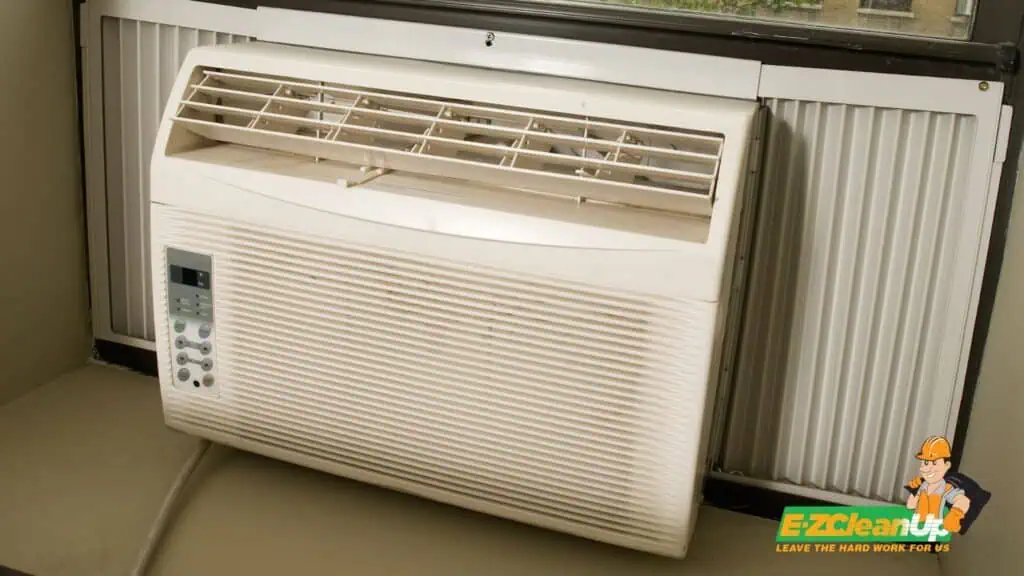
Image Source: ezcleanup.com
How To Get Rid Of Your Old Air Conditioner Easily
Upgrading your home’s cooling system is exciting. A new, energy-efficient air conditioner can save you money and keep you more comfortable. But what about the old unit? Simply leaving it on the curb isn’t the best or often legal way to handle it. You need a plan for proper air conditioner removal. This guide will walk you through the best methods for AC unit disposal, ensuring you handle your old air conditioning unit responsibly and efficiently.
Why Proper Disposal Matters
Discarding an old AC unit improperly can lead to environmental damage and potential fines. These units contain refrigerants, which are harmful greenhouse gases if released into the atmosphere. They also have metal and electronic components that can be recycled. Responsible old AC recycling protects our planet and conserves valuable resources.
Options for Getting Rid of Your Old AC Unit
There are several ways to tackle AC unit disposal. The best method for you will depend on your budget, available resources, and willingness to do some of the legwork yourself.
Option 1: Hiring an HVAC Removal Service
This is often the easiest and most hassle-free way to handle air conditioner removal. When you purchase a new AC system, most reputable HVAC companies offer removal and installation services.
Benefits of Using an HVAC Removal Service
- Convenience: The service technicians will disconnect, remove, and haul away your old unit as part of the installation process. You don’t have to lift a finger.
- Expertise: HVAC professionals know how to safely handle refrigerants and electrical components, preventing potential hazards.
- Environmental Compliance: They are equipped to dispose of or recycle the unit according to environmental regulations.
- Efficiency: They can often remove the old unit on the same day the new one is installed, minimizing disruption.
Considerations When Hiring a Service
- Cost: This convenience usually comes with a price. Be sure to get a clear quote that includes the removal and disposal fees.
- Company Reputation: Choose a licensed and insured HVAC company with good reviews.
Option 2: Junk Removal Services
If you’re not replacing your AC unit immediately or if your existing unit is completely separate from a replacement project, a specialized junk removal service can be a great option for junk AC pickup.
How Junk Removal Services Work
These companies specialize in hauling away unwanted items, including large appliances like air conditioners. You typically schedule a pickup, and their team comes to your home to remove the unit.
- Scheduling: Most services allow online or phone booking.
- Pricing: Costs are usually based on the volume of junk removed, but they may have specific pricing for large appliances.
- Scope: They can handle both window AC units and central air conditioner components.
Advantages of Junk Removal
- Flexibility: You can schedule the pickup at your convenience, even if it’s not tied to a new installation.
- Handles Various Items: If you have other bulky items to dispose of, a junk removal service can often take them all at once.
- No Heavy Lifting: Their team does all the work, including carrying the unit out of your house.
What to Ask a Junk Removal Service
- Do you handle AC unit hauling?
- What are your disposal fees for an air conditioner?
- Do you offer environmentally friendly AC disposal?
- What is your service area?
Option 3: DIY Removal and Disposal
For the more hands-on individuals, doing it yourself is an option, but it requires careful planning and adherence to safety and environmental regulations. This is particularly relevant for smaller units like window ACs or portable units, but it’s significantly more complex for a disposal of central air conditioner.
DIY Steps for Window or Portable AC Units
Safety First:
- Turn off the power to the unit at the breaker box.
- Wear protective gear: gloves, safety glasses, and sturdy shoes.
- If the unit is heavy or awkward, get help from another person.
Disconnection:
- Carefully remove the unit from the window or its housing.
- Ensure all electrical connections are safely disconnected. For window units, this usually involves unplugging it and removing mounting hardware.
Transport:
- Use a hand truck or dolly to move the unit.
- Secure it in your vehicle for transport.
Disposal Location:
- Recycling Centers: Many municipalities have recycling centers that accept appliances. They often have specific drop-off days or procedures for old AC recycling.
- Transfer Stations/Landfills: Check local regulations. Some landfills accept them, but there might be fees, and they may require proof of proper refrigerant handling.
- Scrap Metal Yards: Some yards may accept them, but they might require the refrigerant to be removed by a certified technician beforehand. You might get a small amount of money for the scrap metal if you can process it correctly.
DIY for Central Air Conditioner Removal
Warning: Removing a central air conditioner unit is a complex and potentially dangerous task. It involves handling high-pressure refrigerant lines and significant electrical components. It is strongly recommended that you do NOT attempt to remove a central AC unit yourself unless you are a qualified HVAC technician.
If you are a qualified technician, the process involves:
- Refrigerant Recovery: This is legally required. Refrigerant must be safely recovered using specialized equipment by EPA-certified technicians to prevent its release into the atmosphere.
- Electrical Disconnection: Safely powering down and disconnecting all electrical wiring.
- Line Set Disconnection: Properly disconnecting the refrigerant lines from both the indoor and outdoor units.
- Component Removal: Safely removing the outdoor condenser unit and the indoor air handler or furnace components containing the evaporator coil.
- Transport: Transporting heavy and bulky components safely.
For most homeowners, the DIY route is best reserved for smaller, self-contained units.
Option 4: Selling or Donating (If Still Functional)
If your old AC unit is still in working condition, consider selling it or donating it.
Selling Your Old AC
- Online Marketplaces: Platforms like Craigslist, Facebook Marketplace, or eBay can be good places to list a working unit.
- Local Appliance Stores: Some stores might take older units as trade-ins, though this is less common for older models.
- Be Honest: Clearly state the age and condition of the unit.
Donating Your Old AC
- Charity Organizations: Some charities or community groups might accept working air conditioners for those in need. Check with local organizations.
- Habitat for Humanity ReStores: These stores often accept usable building materials and appliances.
Important Note: If you sell or donate a unit, ensure the buyer or recipient is aware of its condition and any limitations. You will still need to arrange for the air conditioner removal from your property.
Preparing for AC Unit Removal
Regardless of the method you choose, some preparation can make the process smoother.
For Professional Removal (HVAC or Junk Service)
- Clear the Area: Ensure a clear path from the AC unit to the exit point (door, garage). Remove any obstacles, furniture, or decorations that might be in the way.
- Access: Make sure the technicians can easily access the unit. For outdoor units, ensure the path to the unit is clear.
- Information: Be ready to provide any necessary information about the unit, such as its location and any known issues.
For DIY Removal
- Gather Tools: Ensure you have all necessary tools for disconnection and transport (wrenches, screwdrivers, gloves, safety glasses, dolly, straps).
- Plan Transport: Have a vehicle ready that can accommodate the size and weight of the unit.
- Check Disposal Site Requirements: Before you head out, confirm the hours of operation, accepted items, and any fees at your chosen disposal location.
Understanding the Components of AC Disposal
Air conditioning units are complex. They contain several components that need specific handling.
- Refrigerant: This is the most critical component to manage correctly. Refrigerants are potent greenhouse gases and ozone-depleting substances if released. EPA-certified technicians must recover them using specialized equipment. Improper release can result in significant fines.
- Metals: The outer casing, fan, and other parts are made of metal (steel, aluminum, copper). These are valuable for old AC recycling and can be processed at scrap metal yards.
- Electronics: The compressor, fan motor, and control boards contain electronic components that may require specialized recycling.
- Plastic: Some parts are made of plastic, which can also be recycled.
The Environmental Aspect: Why Old AC Recycling is Key
The push for environmentally friendly AC disposal is growing. Here’s why it matters:
- Refrigerant Management: Proper recovery prevents the release of harmful gases that contribute to climate change and ozone depletion.
- Resource Conservation: Recycling metals like copper and aluminum reduces the need for mining and manufacturing new materials, saving energy and resources.
- Waste Reduction: Diverting bulky items from landfills is crucial for sustainability.
When you choose a reputable HVAC company or junk removal service, ask them about their disposal practices. Do they partner with certified recycling facilities? This information can help you make an informed choice.
Cost Comparison of Disposal Methods
Here’s a general idea of the costs associated with each method:
| Disposal Method | Estimated Cost Range | Key Factors |
|---|---|---|
| HVAC Replacement Service | $100 – $500+ (often bundled) | Included in installation price; varies by company and complexity. |
| Junk Removal Service | $100 – $300+ | Size of unit, location, company rates, additional items hauled. |
| DIY (Window/Portable) | $0 – $50 | Fuel for transport, potential landfill/recycling fees, tool rental. |
| DIY (Central AC) | Not Recommended | High risk, potential for expensive mistakes, legal compliance costs. |
| Selling/Donating | Potential income/free | Requires functional unit, effort to list/arrange pickup. |
Note: These are general estimates and can vary significantly by region and service provider.
What to Do with Your Old AC Unit Before Removal
- Indoor Components (for Central AC): If you’re replacing a central AC, the indoor component (often part of your furnace or air handler) also needs to be removed and disposed of. Your HVAC technician will handle this.
- Outdoor Condenser Unit: This is the large unit typically found outside your home. It contains the compressor and condenser coils.
- Window Units: These are self-contained units that are either installed in a window or wall opening.
- Portable Units: These are self-contained units on wheels that can be moved around.
Choosing the Right Service for Your Needs
- For a smooth, integrated upgrade: Hire your HVAC contractor to handle the air conditioner removal as part of the air conditioning replacement.
- If you need a quick pickup unrelated to a new installation: A junk removal service is your best bet for efficient junk AC pickup.
- If you have a small, functional unit: Selling or donating is an option, but you’ll still need to arrange for its removal.
- If you’re very handy and have a window unit: DIY removal might save money, but ensure you understand the process and disposal options for old AC recycling.
Frequently Asked Questions (FAQ)
Q1: Can I just leave my old air conditioner on the curb for pickup?
A1: In most areas, this is illegal and environmentally irresponsible. Appliances often require special disposal procedures due to refrigerants and recyclable materials. You could face fines.
Q2: How do I dispose of a central air conditioner unit if I’m not replacing it?
A2: For a central air conditioner, the most responsible methods are hiring a licensed HVAC company or a specialized junk removal service that handles appliance disposal. DIY removal is strongly discouraged due to the complexity and safety risks involved with refrigerants and electrical components. They will manage the disposal of central air conditioner components properly.
Q3: Is it legal to remove the refrigerant myself from an old AC unit?
A3: No, it is illegal in most places for individuals without EPA certification to handle or release refrigerants. Refrigerant recovery must be performed by certified professionals to protect the environment.
Q4: Will my new HVAC installer remove my old unit?
A4: Most HVAC companies offer air conditioner removal as part of their installation service. It’s always best to confirm this when you get your quote for the new system.
Q5: Where can I find a service for junk AC pickup?
A5: You can find services by searching online for “junk removal services near me,” “appliance removal,” or “AC disposal services.” Look for companies that explicitly state they handle large appliances.
Q6: Are there specific requirements for old AC recycling?
A6: Yes, due to refrigerants and electronic components, specific regulations apply. Certified technicians must recover refrigerants, and many recycling centers have protocols for handling these units to ensure environmentally friendly AC disposal.
Q7: Can I sell a broken air conditioner?
A7: It’s unlikely you’ll find a buyer for a non-functional AC unit unless it’s for scrap metal. In that case, you’d need to take it to a scrap yard that accepts them, and they may have specific requirements regarding refrigerant removal. Selling it as “scrap air conditioner” might be an option if you can get it processed correctly.
Q8: What is the most environmentally friendly way to dispose of an old AC unit?
A8: The most environmentally friendly AC disposal involves ensuring the refrigerant is properly recovered by a certified technician and then taking the unit to a facility that recycles its components, especially the metals. Hiring reputable HVAC or junk removal services that follow these practices is key.
By following these guidelines, you can effectively and responsibly manage the air conditioner removal and AC unit disposal of your old unit, ensuring a smooth transition to a cooler, more efficient home.

My name is Carlos Gadd, and I am the creator of AirPurityGuide.com.. With a passion for footwear, I share my experiences, insights, and expertise about shoes. Through my blog, I aim to guide readers in making informed decisions, finding the perfect pair, and enhancing their footwear knowledge. Join me on this journey to explore everything about shoes!