
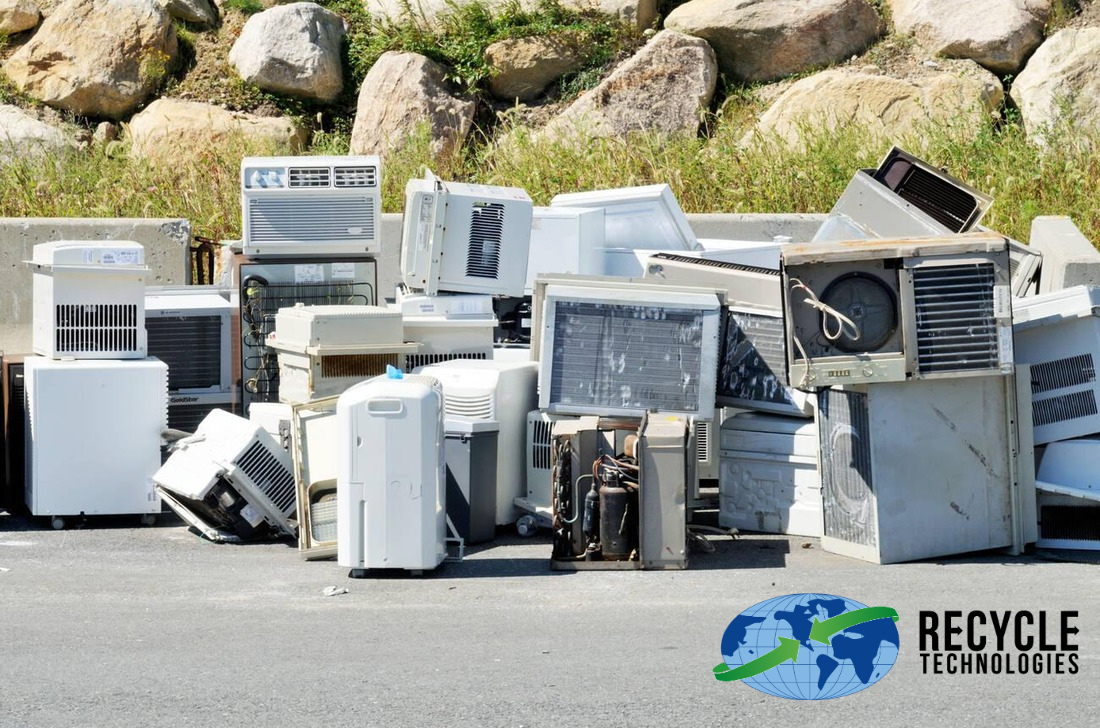
Image Source: www.recycletechnologies.com
How To Dispose Of Old Air Conditioner Safely: Your Eco-Friendly Guide
Can you throw an old air conditioner in the regular trash? No, you cannot throw an old air conditioner in the regular trash. Disposing of an old air conditioner requires special attention due to the refrigerants and electronic components they contain. Proper disposal prevents environmental harm and ensures valuable materials are recycled.
When your trusty air conditioner finally breathes its last, you’re faced with a decision: what to do with the old AC unit disposal? Simply tossing it out with your weekly garbage isn’t an option. These appliances contain substances and materials that need careful handling to protect our planet. This guide will walk you through the process of old AC unit disposal, focusing on safe, responsible, and eco-friendly options. We’ll cover everything from understanding the environmental impact to finding the best local appliance recycling centers.
Why Responsible AC Disposal Matters
Old air conditioners are more than just bulky metal boxes. They are complex machines containing various materials, some of which can be harmful if not disposed of correctly.
The Environmental Impact of Improper Disposal
- Refrigerants: The most significant concern is the refrigerant. Older AC units often use refrigerants like Freon (chlorofluorocarbons or CFCs) or hydrochlorofluorocarbons (HCFCs), which are potent greenhouse gases. If released into the atmosphere, they contribute to ozone depletion and global warming. Proper refrigerant handling is crucial to prevent this.
- Electronic Waste (E-Waste): Air conditioners are electronic devices. They contain circuit boards, wires, and other components that fall under the umbrella of electronic waste disposal. Improper disposal of e-waste can lead to toxic metals like lead, mercury, and cadmium leaching into soil and water.
- Materials: Metal parts like copper and aluminum are valuable and can be recycled. Plastic components also need to be managed responsibly.
Legal Requirements for AC Disposal
Many local and national regulations mandate specific procedures for disposing of appliances like air conditioners. These rules are in place to protect the environment and ensure the safe removal of hazardous substances. Ignoring these regulations can result in fines.
Your Options for Old AC Unit Disposal
You have several avenues to explore for the safe and responsible appliance disposal of your old air conditioner. The best option for you will depend on your location, the condition of the unit, and your preference for convenience.
1. Air Conditioner Recycling Programs
Air conditioner recycling is the most environmentally sound approach. Recycling centers are equipped to safely remove refrigerants and salvage valuable materials like metals and plastics.
Finding Local Appliance Recycling Centers
- Online Search: Use search engines with terms like “local appliance recycling,” “AC recycling near me,” or “e-waste recycling centers.”
- Municipal Waste Services: Check your city or county’s waste management website. They often list designated drop-off locations or special collection events for large appliances.
- Appliance Retailers: Many retailers that sell new air conditioners offer to take your old unit for recycling when they deliver and install the new one. This is often the most convenient option.
- HVAC Companies: Professional HVAC companies are knowledgeable about the process of HVAC removal and may offer recycling services or can direct you to reputable recycling facilities.
What to Expect at a Recycling Center
- Refrigerant Evacuation: Trained technicians will safely remove and contain the refrigerant. This step is critical and legally required.
- Component Breakdown: The unit will be dismantled. Metals will be sorted for recycling, and other components will be processed according to e-waste guidelines.
2. Junk Removal Services
If you need a quick and hassle-free solution, junk removal services can be a great option. These companies specialize in hauling away unwanted items, including large appliances.
Choosing a Reputable Junk Removal Service
- Ask About Their Disposal Methods: Inquire about how they handle old air conditioners. Do they partner with certified recycling facilities? Do they ensure proper refrigerant handling?
- Check Reviews and Certifications: Look for services with good customer reviews and any relevant environmental certifications.
- Get a Quote: Obtain a clear quote upfront, including any fees for specialized disposal.
The Convenience Factor
Junk removal services typically offer same-day or next-day pickup, making them ideal when you need an old AC unit out of the way quickly. They will handle the lifting and transportation for you.
3. Selling or Donating Working Units
If your air conditioner is still in good working condition, you might consider selling it or donating it. This extends the life of the appliance and is a form of reuse.
Where to Sell or Donate
- Online Marketplaces: Websites like Craigslist, Facebook Marketplace, or eBay are good platforms to sell used appliances.
- Local Charities or Non-Profits: Some organizations accept working appliance donations to help those in need. Check with local Habitat for Humanity ReStores or similar organizations.
- Friends and Family: You might know someone who needs a good AC unit.
Important Considerations for Selling/Donating
- Condition: Be honest about the unit’s working condition.
- Removal: If you sell it, the buyer will likely need to arrange for its removal. If donating, confirm their pick-up policies.
- Refrigerant: Ensure the unit’s refrigerant is still contained and not leaked out, as this would diminish its value and raise disposal concerns if it leaks before being sold/donated.
4. Manufacturer Take-Back Programs
Some manufacturers offer take-back programs for their old appliances when you purchase a new one. This is often integrated into the delivery and installation service.
How to Find Out About These Programs
- Check Manufacturer Websites: Visit the website of your AC unit’s manufacturer.
- Ask Your Retailer: When purchasing a new unit, ask the salesperson if the manufacturer has a take-back program.
The Process of HVAC Removal
When it’s time for HVAC removal, especially for an air conditioner, there are specific steps that need to be followed to ensure safety and environmental compliance.
Step 1: Safe Refrigerant Recovery
This is the most critical step. Refrigerant recovery must be performed by a certified technician using specialized equipment.
Why Refrigerant Recovery is Essential
- Environmental Protection: Prevents the release of harmful greenhouse gases.
- Legal Compliance: It’s a legal requirement in most places.
- Safety: Refrigerants are pressurized and can cause injury if handled improperly.
What a Certified Technician Does
- Equipment: Uses a recovery machine to extract refrigerant from the system.
- Containment: Stores the refrigerant in approved, sealed cylinders.
- Labeling: Properly labels the cylinders with the type and amount of refrigerant.
Step 2: Disconnecting Electrical and Plumbing
Once the refrigerant is recovered, the unit needs to be safely disconnected from its power supply and any water lines.
- Power Off: Ensure the circuit breaker supplying power to the AC unit is switched off.
- Electrical Disconnect: Carefully disconnect the electrical wiring. If you are not comfortable with electrical work, hire a qualified electrician or the HVAC professional performing the removal.
- Water Lines: If it’s a central AC system with condensate drain lines, disconnect these as well.
Step 3: Physical Removal of the Unit
With all connections severed, the unit can be physically removed.
- Window Units: These are usually straightforward to remove. Ensure you have a helper if it’s heavy.
- Central Air Conditioners (Outdoor Units): These are heavier and may require tools like a dolly or a hand truck.
- Central Air Conditioners (Indoor Units): If you’re removing an indoor coil or furnace component, this will involve navigating through your home.
What Not to Do When Disposing of an Old AC Unit
To reinforce the importance of proper disposal, here are common mistakes to avoid.
Don’t Put it in Your Curbside Trash
As mentioned earlier, this is illegal and harmful. Regular waste management services are not equipped to handle the refrigerants or the volume of materials in an air conditioner.
Don’t Attempt DIY Refrigerant Removal
Unless you are EPA-certified, you should not attempt to remove refrigerant yourself. It’s dangerous and illegal.
Don’t Just Leave it on the Curb
Even if you think someone might take it, this is essentially abandoning it. It can become an eyesore, a safety hazard, and still lead to environmental contamination if handled improperly by scavengers.
Don’t Forget About the Electronic Components
Treat the entire unit as electronic waste and ensure all its parts are managed responsibly.
Eco-Friendly Disposal: Making the Greener Choice
Choosing eco-friendly disposal methods ensures that your old appliance contributes positively to environmental efforts.
The Benefits of Recycling
- Resource Conservation: Recycling metals like copper and aluminum reduces the need for mining new resources, which is energy-intensive and environmentally disruptive.
- Reduced Landfill Waste: Diverting appliances from landfills saves valuable space and prevents potential pollution.
- Energy Savings: Manufacturing products from recycled materials often requires significantly less energy than using virgin materials.
Your Role in Promoting Sustainability
By taking the time to find a proper recycling facility or a responsible junk removal service, you are actively participating in a more sustainable future. Every appliance that is correctly recycled lessens the burden on our planet.
When to Consider Junk Removal Services
While recycling is often the ideal, there are times when junk removal services are a more practical choice for appliance disposal.
Situations Where Junk Removal Excels
- Moving or Renovating: When you have multiple items to get rid of and want a single pickup.
- Lack of Transportation: If you don’t have a truck or the means to transport a heavy AC unit to a recycling center.
- Urgency: When you need the old unit removed quickly.
- Unit is Non-Functional: If the unit is completely broken, selling or donating isn’t an option, making disposal the primary goal.
What to Look for in a Junk Removal Service for HVAC Removal
- Environmental Commitment: Prioritize services that emphasize recycling and responsible disposal practices.
- Licensing and Insurance: Ensure they are properly licensed and insured for the work they perform.
- Transparent Pricing: Understand their fee structure before they start.
Frequently Asked Questions (FAQ)
Here are some common questions people have about disposing of old air conditioners:
Q1: How much does it cost to dispose of an old air conditioner?
The cost can vary. Many local appliance recycling centers accept units for free or for a small fee. Junk removal services will typically charge based on the item’s size and weight, often ranging from $100 to $300 or more. Retailer take-back programs may include the cost in your new appliance purchase.
Q2: Can I remove the refrigerant myself?
No, you should not attempt to remove refrigerant yourself. It is dangerous and illegal unless you have EPA certification and the proper equipment.
Q3: What if my air conditioner is still working?
If your AC unit is still functional, selling it through online marketplaces or donating it to a charity is a great option. This extends its lifespan and benefits someone else.
Q4: Do I need to worry about the refrigerant type?
Yes, older AC units may contain refrigerants like R-22 (Freon), which are being phased out due to their environmental impact. Newer units use more environmentally friendly refrigerants. Regardless of the type, all refrigerants must be recovered by certified professionals.
Q5: What is considered e-waste?
Electronic waste, or e-waste, includes any discarded electronic device. For an air conditioner, this refers to the electrical components, wiring, circuit boards, and plastic casings.
Q6: Are there any government rebates for recycling appliances?
Some utility companies or local governments offer rebates or incentives for purchasing energy-efficient appliances and may have programs related to the disposal of old units. It’s worth checking with your local energy provider or municipal waste authority.
Q7: What is the best way to dispose of a window air conditioner?
Window air conditioners can often be taken to local appliance recycling centers. If it’s still working, consider selling or donating it. If not, and you can transport it, recycling is the best bet. If transportation is an issue, a junk removal service can assist.
By following these guidelines, you can ensure your old air conditioner is disposed of safely and responsibly, contributing to a healthier environment for everyone. Remember that proper HVAC removal and appliance disposal are essential steps in the lifecycle of your cooling system.

My name is Carlos Gadd, and I am the creator of AirPurityGuide.com.. With a passion for footwear, I share my experiences, insights, and expertise about shoes. Through my blog, I aim to guide readers in making informed decisions, finding the perfect pair, and enhancing their footwear knowledge. Join me on this journey to explore everything about shoes!