
Can you defrost your air conditioner? Yes, you can defrost your air conditioner safely by following specific steps to thaw out the frozen components. If your air conditioner is not cooling and you suspect ice buildup, there are several ways to unfreeze AC unit safely. This guide will walk you through how to thaw air conditioner units, remove ice from AC, and address frozen AC symptoms.
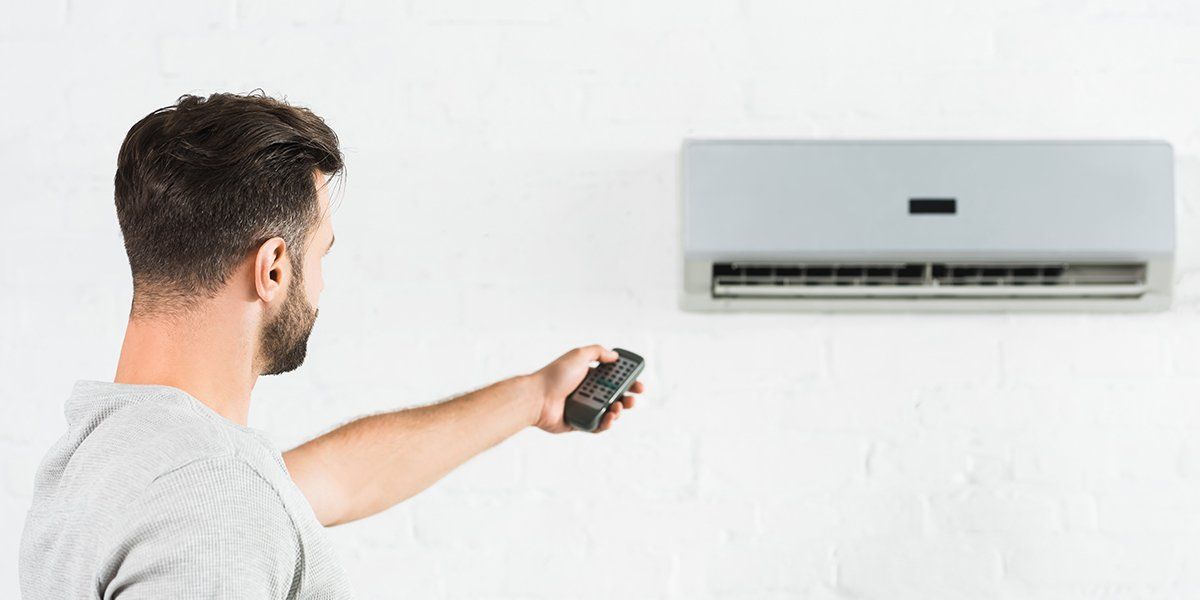
Image Source: lirp.cdn-website.com
Recognizing Frozen AC Symptoms
Spotting the signs of a frozen air conditioner is the first step to fixing it. If you notice any of these common issues, your AC might have ice on its coils.
Common Frozen AC Symptoms:
- AC Not Cooling Ice: The most obvious sign is that your AC isn’t making your home cool. You’ll feel warm air coming from the vents.
- Strange Noises: A hissing or bubbling sound might indicate refrigerant leaks or ice shifting.
- Reduced Airflow: The air coming from your vents will be much weaker than usual.
- Visible Ice: You might be able to see ice on the refrigerant lines or the indoor evaporator coils.
- Water Leaks: As ice melts, it can cause water to pool around the indoor unit or drip from unusual places.
- Unit Cycling On and Off Frequently: The compressor might be shutting down due to the strain of the ice.
Why Does an Air Conditioner Freeze Up?
An air conditioner freezes up when the evaporator coil, usually inside your home, gets too cold. This cold surface causes moisture in the air to freeze, building up into ice. Several factors can lead to this:
Factors Causing AC Freeze-Up:
- Low Refrigerant: When the refrigerant level is low, the pressure inside the system drops. This makes the coil colder than it should be.
- Dirty Air Filter: A clogged air filter restricts airflow. Without enough warm air passing over the evaporator coil, it can’t absorb heat properly. This leads to the coil getting too cold and freezing.
- Blocked Airflow: Anything that prevents air from circulating freely, like closed vents or a blocked return air grille, can cause the same problem as a dirty filter.
- Dirty Evaporator Coil: Dust and debris on the coil act like an insulator, hindering heat transfer and causing the coil to become too cold.
- Fan Motor Issues: If the indoor fan isn’t working correctly or is running too slowly, it won’t move enough air across the coil.
- Thermostat Problems: A malfunctioning thermostat could signal the AC to run continuously, even when it’s not needed, potentially leading to freezing.
- Low Outdoor Temperature: Running your AC when the outdoor temperature is below 60-65°F (15-18°C) can cause freezing.
How to Defrost Air Conditioner Safely
When you need to unfreeze AC unit, safety and proper technique are key. Here’s how to thaw air conditioner components without causing further damage.
Step 1: Turn Off the AC
The very first thing to do is turn off your air conditioner. You can do this at the thermostat or by flipping the breaker switch. Never try to defrost a frozen AC while it’s running. This will only make the ice problem worse and could damage the compressor.
Step 2: Set the Fan to “On”
Once the cooling cycle is off, switch your thermostat’s fan setting to “On” (not “Auto”). This will circulate room-temperature air over the frozen coils. This fan-only mode helps to speed up the melting process. Make sure the air conditioner itself is still off.
Step 3: Allow Time for Melting
This is the most crucial step for how to defrost air conditioner. You need to be patient. Melting can take several hours, depending on how much ice has built up.
- Avoid Using Heat: Do not use a hairdryer or any direct heat source on the frozen coils. This can damage the delicate fins of the evaporator coil and potentially cause electrical hazards.
- Collect Water: Place towels or buckets around the indoor unit to catch any melting ice and prevent water damage.
Step 4: Check the Air Filter
While the ice is melting, it’s a perfect time to inspect and replace your air filter. A dirty or clogged filter is a major cause of AC freezing. A clean filter ensures proper airflow, which is vital for preventing future freeze-ups.
Step 5: Inspect the Unit for Blockages
Look for anything that might be obstructing airflow to the indoor unit. This could include furniture, curtains, or debris around vents and return air grilles. Ensure all vents in your home are open.
Step 6: Turn the AC Back On
Once you are confident that all the ice has melted, you can turn your air conditioner back on to its normal “Cool” setting. Listen for any unusual noises and check if the airflow from the vents is strong and cool.
How to Remove Ice from AC Coils
Defrosting AC coils requires a gentle approach. The goal is to melt the ice without damaging the coils themselves.
Manual AC Defrost Methods:
- Air Circulation (Recommended): As described above, turning the fan to “On” while the AC is off is the safest way to allow natural melting.
- Warm, Damp Cloths: For minor frost buildup on accessible parts, you can gently use warm, damp cloths. Be extremely careful not to get water on electrical components. This method is time-consuming and generally only suitable for small, visible patches of ice.
What NOT to Do When Defrosting AC:
- Use Sharp Objects: Never use ice picks, knives, or any sharp tools to chip away ice. This will puncture the refrigerant lines, which is a serious and costly repair.
- Use a Heat Gun or Blow Dryer: High heat can warp or melt plastic parts and damage the delicate metal fins of the evaporator coil.
- Pour Hot Water Directly: While some suggest pouring warm water, doing so indiscriminately can lead to electrical shorts or damage to the unit’s insulation. Stick to methods that don’t involve excessive direct water application.
Addressing the Root Cause of the Freeze-Up
Simply defrosting AC coils isn’t enough. You need to figure out why it froze in the first place to prevent it from happening again.
Common Culprits and Solutions:
- Dirty Air Filter:
- Solution: Replace the air filter regularly (every 1-3 months, depending on usage and filter type).
- Blocked Airflow:
- Solution: Keep vents and return air grilles clear of obstructions. Ensure all vents are open. Have your ductwork inspected for leaks or blockages.
- Low Refrigerant:
- Solution: This indicates a refrigerant leak. You’ll need to call a qualified HVAC technician to find and repair the leak, then recharge the system with the correct amount of refrigerant. This is not a DIY fix.
- Dirty Evaporator Coil:
- Solution: Clean the evaporator coil. This is a more involved task that might require professional help, as the coil is often in a difficult-to-reach location within the air handler.
- Fan Motor Problems:
- Solution: If the fan isn’t running at the correct speed or at all, the fan motor may need repair or replacement. This is a job for a professional.
Troubleshooting Specific AC Issues Related to Freezing
Sometimes, the symptoms of a frozen AC can be confusing. Let’s clarify some common scenarios.
AC Not Cooling Ice: What It Means
When your AC is not cooling, and you suspect ice, it’s because the ice on the evaporator coil is preventing heat from being absorbed from your home’s air. Even if the system is running, it can’t perform its primary function of cooling because of this blockage.
AC Freeze Up Repair: When to Call a Pro
While you can handle the defrosting process and air filter replacement yourself, some AC freeze up repair tasks are best left to the experts.
When to Call an HVAC Technician:
- Frequent Freezing: If your AC freezes up repeatedly despite your best efforts to keep it clean and airflow optimal.
- Suspected Refrigerant Leak: If you notice slow cooling, hissing sounds, or oily residue around the refrigerant lines.
- Fan Motor Issues: If the indoor fan isn’t working properly.
- Complex Coil Cleaning: If the evaporator coil is heavily soiled and difficult to access.
- Electrical Problems: If you suspect any electrical malfunctions with the unit.
- After Freezing: It’s often wise to have a technician inspect the unit after a freeze-up to ensure no damage occurred and to identify the underlying cause.
Defrosting Outdoor AC Unit
It’s important to distinguish between the indoor evaporator coil freezing and the outdoor condenser unit having issues. The outdoor unit typically doesn’t freeze in the same way, but it can be affected by external factors.
Frozen Condenser Unit? What to Check:
- Debris: Ensure the outdoor unit’s fins are clear of leaves, grass clippings, and other debris. Blocked fins reduce airflow, making the unit work harder and potentially overheat or ice up in certain conditions.
- Ice from External Sources: In very cold weather or during a thaw after freezing rain, the outdoor unit’s fan blades or casing might accumulate ice from ambient moisture.
How to Clear Ice from Outdoor Unit Components:
If your outdoor AC unit has ice buildup due to external factors (not refrigerant issues):
- Turn Off Power: Shut off the power to the outdoor unit at the breaker box.
- Gentle Melting: Use a hose with cool or lukewarm water to gently spray the iced-over components. Avoid using hot water, as the sudden temperature change can crack metal parts.
- Remove Debris: While melting, clear away any accumulated leaves or debris.
- Wait and Inspect: Let the unit air dry. Once dry and clear, restore power and check its operation.
Important Note: If you suspect the outdoor unit itself is freezing internally due to system malfunction (like a faulty reversing valve in a heat pump), this requires professional diagnosis and repair.
Preventative Maintenance: The Best Defense
The most effective way to avoid AC freeze-ups is through regular preventative maintenance. This helps ensure all components are working as they should and that airflow is never compromised.
Key Preventative Measures:
- Regular Air Filter Changes: This is the single most important step. Make it a habit.
- Annual Professional Tune-Ups: Schedule a yearly check-up with an HVAC technician. They can clean coils, check refrigerant levels, inspect fan motors, and identify potential problems before they cause a freeze-up.
- Keep Surroundings Clear: Ensure there’s ample space around both the indoor and outdoor units for proper airflow.
- Check Drainage Lines: Clogged condensate drain lines can cause water to back up and freeze. Ensure these are clear.
- Avoid Running AC in Low Temperatures: Do not run your air conditioner when outdoor temperatures are below 60-65°F (15-18°C).
Frequently Asked Questions (FAQ)
Q1: How long does it take for an AC to defrost?
A1: It can take anywhere from 1 to 24 hours for an AC to defrost completely, depending on the amount of ice buildup and the ambient temperature. Patience is key.
Q2: Can I use a space heater to defrost my AC?
A2: No, absolutely not. Using a space heater or any direct heat source like a blow dryer can damage the AC unit’s sensitive components and is a fire hazard.
Q3: My AC froze up again. What should I do?
A3: If your AC freezes up again after you’ve defrosted it and changed the filter, it’s a strong indicator of an underlying issue, such as low refrigerant or a malfunctioning fan motor. It’s time to call a qualified HVAC technician.
Q4: Is it okay to run the AC fan without the cooling?
A4: Yes, running the fan in the “On” position without the cooling engaged is a standard procedure to help defrost a frozen AC unit and to circulate air in your home.
Q5: What does it mean if my AC is blowing warm air and the breaker tripped?
A5: If your AC breaker trips and you notice warm air, it could indicate a severe problem like a frozen coil, a failing compressor, or an electrical fault. Turn off the unit and call a professional immediately.
By following these steps, you can safely thaw out your air conditioner, restore its cooling function, and take measures to prevent future freeze-ups. Remember, when in doubt, always consult a certified HVAC professional.

My name is Carlos Gadd, and I am the creator of AirPurityGuide.com.. With a passion for footwear, I share my experiences, insights, and expertise about shoes. Through my blog, I aim to guide readers in making informed decisions, finding the perfect pair, and enhancing their footwear knowledge. Join me on this journey to explore everything about shoes!