
If your air conditioner is blowing warm air or not working at all, it might be frozen. Yes, your AC unit can freeze up! The good news is that you can often defrost it yourself to get it working again.
A frozen air conditioner is a common problem, especially when the weather outside is very cold or humid, or when the unit isn’t getting enough airflow. This article will guide you through the process of defrosting air conditioner units, whether it’s your indoor or outdoor component, and how to tackle ice on AC unit efficiently. We’ll cover what to do when your AC freezing up and how to melt ice on AC unit.
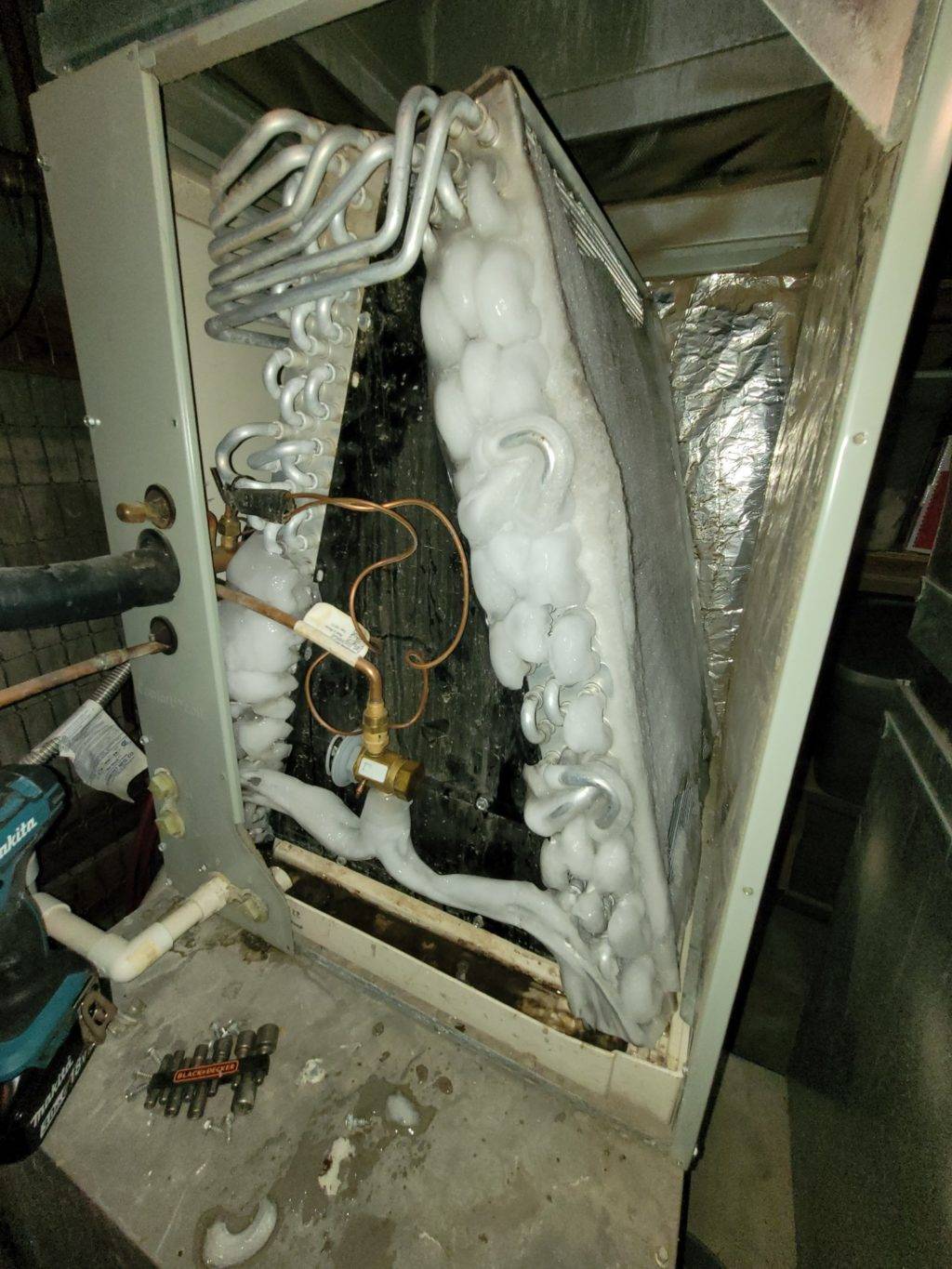
Image Source: www.manmadediy.com
Why Does an Air Conditioner Freeze Up?
Before we dive into how to defrost it, let’s quickly look at why your AC might be freezing. When an AC unit freezes, it means ice has formed on its internal components, most commonly the evaporator coil. This happens when the refrigerant inside the unit gets too cold. Several factors can cause this:
- Low Refrigerant Levels: If your AC is low on refrigerant (often due to a leak), the pressure inside the system drops. This causes the refrigerant to get colder, leading to freezing.
- Blocked Airflow: This is one of the most frequent culprits. If air can’t flow freely over the evaporator coil, the coil gets too cold. This can be due to:
- Dirty Air Filter: A clogged air filter is the number one reason for restricted airflow.
- Blocked Vents or Registers: Furniture, curtains, or other items blocking the vents can prevent air circulation.
- Dirty Evaporator Coil: Dust and grime on the coil itself reduce its ability to transfer heat and allow airflow.
- Fan Malfunction: If the indoor fan isn’t running properly, air won’t move across the coil.
- Thermostat Issues: A malfunctioning thermostat could keep the AC running even when the desired temperature is reached, leading to overcooling and freezing.
- Drainage Problems: If the condensate drain line is clogged, water can back up and freeze on the coil.
- Running AC in Low Outdoor Temperatures: Air conditioners are designed to cool when the outside temperature is above a certain point (usually around 60-65°F or 15-18°C). Running it in colder weather can cause the system to freeze.
Signs Your Air Conditioner is Frozen
Recognizing the signs of a frozen AC is crucial. The sooner you identify the problem, the sooner you can address it and prevent further damage. Here are common indicators:
- Weak or No Airflow: You might notice significantly less air coming from your vents, or no air at all.
- Blowing Warm Air: Instead of cool air, your AC is blowing air that feels warmer than the room temperature.
- Hissing or Gurgling Sounds: These sounds can indicate that ice is forming or melting within the unit.
- Visible Ice: If you can safely access the indoor unit (usually in an attic, closet, or basement), you might see ice on the refrigerant lines or the evaporator coil. For an ice on AC unit on your outdoor condenser, you’ll see frost or thick ice buildup.
- Increased Humidity: A frozen AC is less effective at removing humidity from the air, so your home might feel more humid.
- AC Unit Not Running: In some cases, a heavily frozen unit might shut down to protect itself.
How To Defrost Air Conditioner Unit: Step-by-Step Guide
When you suspect your AC is frozen, the first and most important step is to turn it off. Do not try to force the ice off or run the AC in cooling mode. This can cause serious damage.
Step 1: Turn Off the AC
Locate your thermostat and switch the system to the “Off” position. If you’re unsure about your thermostat settings or want to be absolutely sure no power is going to the AC, you can go to your electrical panel and switch off the breaker that controls your air conditioner. This is especially important for defrosting outdoor AC unit components to ensure safety.
Step 2: Turn On the Fan (Blower)
This is a critical step for how to thaw AC. You want to circulate air over the frozen components to help them melt. Set your thermostat fan setting to “On” (not “Auto”). This will run the indoor blower fan without turning on the cooling system. This process helps to gently warm the frozen evaporator coil by moving room-temperature air over it.
Step 3: Allow Time for Defrosting
This is where patience is key. Defrosting frozen AC coil can take several hours, sometimes even 24 hours, depending on how much ice has accumulated and the ambient room temperature.
- Do not try to speed up the process by using a hairdryer or any heating element on the indoor coil. This can damage the delicate fins of the evaporator coil.
- Ensure that the condensate drain pan has a clear path to drain water away. As the ice melts, it will turn into water. If the drain line is blocked, the water can overflow and cause water damage. You might need to place towels around the indoor unit to catch any potential drips.
Step 4: Check the Outdoor Unit (Condenser)
While the indoor unit is defrosting, it’s a good time to inspect your outdoor unit. Often, the term “AC unit” can refer to the outdoor condenser as well. If you see ice on AC unit on the outdoor condenser, you’ll need to address that separately.
Defrosting the Outdoor AC Unit (Condenser)
Important Safety Note: Always turn off the power to the outdoor unit at the electrical disconnect box (usually a metal box near the unit) before touching it.
If your outdoor unit has significant frost or ice buildup, here’s how to approach defrosting outdoor AC unit:
- Turn off the Power: As mentioned, shut off the power to the outdoor unit at the disconnect switch.
- Use Lukewarm Water: The safest and most effective way to remove ice from the outdoor unit is by gently pouring lukewarm water over the frosted coils. Avoid using hot water, as the sudden temperature change can crack the metal.
- Never Use Force: Do not chip away at the ice or try to force it off with tools. This can damage the condenser fins and internal components.
- Clear Debris: While you’re there, clear away any leaves, twigs, or other debris that might be blocking airflow to the unit. This is a crucial preventative measure for future issues.
- Restore Power and Test: Once the ice has melted and the unit is dry, you can restore power and turn the AC back on from the thermostat.
What About Ice Buildup on the Outdoor Unit?
Ice on the outdoor unit is less common than on the indoor coil, but it can happen, especially in very cold or humid conditions, or if the unit is malfunctioning. If you’re removing ice from AC components, focus on the fins where ice might be coating them, restricting airflow and heat exchange.
Step 5: Restore AC Operation
Once you believe the ice has completely melted from the indoor evaporator coil (this usually takes several hours), you can switch your thermostat back to “Cool” mode.
- Monitor Performance: Listen for the normal operating sounds. Check if cool air is being delivered.
- Check for Leaks: Look for any water leaks around the indoor unit.
If your AC starts working normally, congratulations! You’ve successfully managed to defrost it.
When to Call a Professional
While these steps can help you resolve a frozen AC issue, sometimes it’s best to call a qualified HVAC technician. You should contact a professional if:
- The AC Keeps Freezing: If your AC freezes up again shortly after defrosting, it indicates an underlying problem that needs professional diagnosis, such as a refrigerant leak, a faulty fan motor, or a dirty coil that you can’t access.
- You’re Not Comfortable: If you’re not comfortable performing any of these steps, especially dealing with the electrical components of the outdoor unit, it’s safer to call a pro.
- You Suspect a Refrigerant Leak: Refrigerant is a hazardous chemical. If you suspect a leak, a professional is equipped to handle it safely and efficiently.
- No Improvement: If after following these steps, your AC still isn’t working or blowing warm air, there’s likely a more complex issue at play.
Preventing Your AC From Freezing Up
The best defense against a frozen AC is prevention. By performing regular maintenance and being mindful of how you use your system, you can significantly reduce the chances of it freezing up.
Regular Maintenance is Key
- Change Air Filters Regularly: This is the most important step! Check your air filter monthly and replace it every 1-3 months, or as recommended by the manufacturer. A clean filter ensures proper airflow.
- Clean Evaporator and Condenser Coils: Over time, dust and debris can accumulate on your AC coils, hindering their performance. While you can try to clean the outdoor unit’s condenser coils yourself, cleaning the indoor evaporator coil is often best left to professionals due to its location and delicate nature.
- Check Condensate Drain Line: Ensure the drain line is clear of blockages. You can sometimes flush it with a mixture of vinegar and water or use a wet/dry vacuum to clear minor clogs.
- Schedule Annual Professional Tune-Ups: An HVAC technician can inspect your system, check refrigerant levels, clean components, and identify potential issues before they cause major problems like freezing.
Proper Usage Habits
- Don’t Set the Thermostat Too Low: Avoid setting your thermostat to very low temperatures, especially when it’s humid. This can strain the system and lead to freezing.
- Avoid Running AC in Cold Weather: As mentioned, don’t run your AC if the outside temperature is below 60-65°F (15-18°C).
- Keep Vents and Registers Clear: Ensure that furniture, curtains, or other objects are not blocking your indoor vents and registers. Good airflow is paramount.
- Check for Duct Leaks: Leaky air ducts can cause a loss of cool air and disrupt airflow to the unit.
Common Scenarios and Solutions for Removing Ice from AC
Let’s break down some specific scenarios related to ice on AC unit and how to thaw AC:
Scenario 1: Ice on the Indoor Evaporator Coil
This is the most common cause of a frozen AC.
Symptoms: Weak airflow, blowing warm air.
How to Defrost:
- Turn off the cooling mode on your thermostat.
- Set the fan to “On” to circulate air.
- Allow several hours for melting.
- Check the condensate drain.
- Once melted, turn the cooling back on.
Prevention: Regular filter changes, professional coil cleaning, ensuring proper airflow by keeping vents clear.
Scenario 2: Frost on the Outdoor Condenser Unit
This usually means the unit is struggling to dissipate heat.
Symptoms: Visible frost on the fins, the unit may be noisy or not running efficiently.
How to Defrost:
- Turn off the power to the outdoor unit at the disconnect.
- Gently pour lukewarm water over the frosted coils.
- Clear away any surrounding debris.
- Restore power and turn the AC back on.
Prevention: Ensuring the unit is placed in a well-ventilated area, keeping the area around the unit clear of obstructions, and regular professional inspections.
Scenario 3: AC Freezing Up Constantly
This indicates a more serious underlying problem.
Causes: Low refrigerant, dirty coils, faulty fan motor, clogged drain line.
How to Address:
- Professional Diagnosis is Essential: If your AC repeatedly freezes up, call an HVAC technician immediately. They have the tools and expertise to identify the root cause, such as frozen AC coil issues due to refrigerant leaks or mechanical failures.
- Do Not Keep Defrosting: Continuously defrosting a unit that freezes up repeatedly can cause damage and lead to costly repairs.
Troubleshooting Common AC Freezing Issues
| Problem Area | Possible Cause(s) | Solution |
|---|---|---|
| Frozen AC Coil | Dirty air filter, blocked vents, dirty evaporator coil, low refrigerant | Change air filter, clear vents, schedule professional coil cleaning, check for refrigerant leaks. |
| Weak Airflow | Dirty air filter, blocked vents, dirty evaporator coil, fan motor issue | Change air filter, clear vents, professional coil cleaning, check fan motor. |
| Blowing Warm Air | Frozen evaporator coil, low refrigerant, compressor issue | Defrost the unit, check for refrigerant leaks, call a professional if the issue persists. |
| Ice on Outdoor Unit | Cold ambient temperatures, restricted airflow, refrigerant issue | Turn off unit, melt ice with lukewarm water, clear debris, ensure proper ventilation. If it recurs, call a professional. |
| AC Unit Not Turning On | Tripped breaker, thermostat issue, safety shutdown due to freezing/overheating | Check breaker, check thermostat settings, allow unit to defrost if suspected frozen. If still no power, call a professional. |
| Water Leaks | Clogged condensate drain line, cracked drain pan, frozen coil melting | Clear condensate drain line, check drain pan for damage, ensure coil is fully defrosted. If leaks persist, a professional may be needed. |
Frequently Asked Questions (FAQ)
Can I use a hairdryer to defrost my AC?
It’s generally not recommended. While a hairdryer can melt ice, the concentrated heat can damage the delicate fins of the evaporator coil. It’s also not practical for larger ice accumulations and can be time-consuming. Gentle airflow from the fan is a safer method for defrosting frozen AC coil.
How long does it take to defrost an AC unit?
It can take anywhere from 1 to 24 hours, depending on the size of the ice buildup and the room temperature. The key is to let it melt naturally by circulating room air over the frozen components.
Should I turn off my AC if it’s frozen?
Absolutely. Running a frozen AC can cause significant damage to the compressor and other components. Turn off the cooling mode and switch the fan to “On” to facilitate defrosting.
Is it safe to touch an AC unit that is frozen?
Yes, it’s generally safe to touch the exterior of the unit. However, avoid touching the internal components if you’re unsure, especially electrical parts. Always ensure the power is off before attempting any manual ice removal on the outdoor unit.
What if my AC continues to freeze up after defrosting?
If your AC unit freezes up again shortly after you’ve defrosted it, it’s a strong indication of an underlying problem that requires professional attention. This could be a refrigerant leak, a malfunctioning fan, or a clogged air filter that’s harder to access. A technician can diagnose and fix the root cause to prevent further AC freezing up incidents.
How do I prevent my AC from freezing in winter?
Air conditioners are typically not designed to run in cold winter temperatures (generally below 60-65°F or 15-18°C). If you need heating, use your furnace or heat pump. Running your AC in freezing temperatures will almost certainly cause it to freeze up and can damage the unit. Ensure your system is properly shut down for the season if you’re not using it for cooling.
By following these guidelines, you can effectively tackle a frozen AC unit and take steps to prevent it from happening again. Remember, regular maintenance and prompt attention to issues are crucial for the longevity and efficient operation of your air conditioning system. If you ever doubt your ability to perform a task, always err on the side of caution and call a qualified HVAC professional.

My name is Carlos Gadd, and I am the creator of AirPurityGuide.com.. With a passion for footwear, I share my experiences, insights, and expertise about shoes. Through my blog, I aim to guide readers in making informed decisions, finding the perfect pair, and enhancing their footwear knowledge. Join me on this journey to explore everything about shoes!