
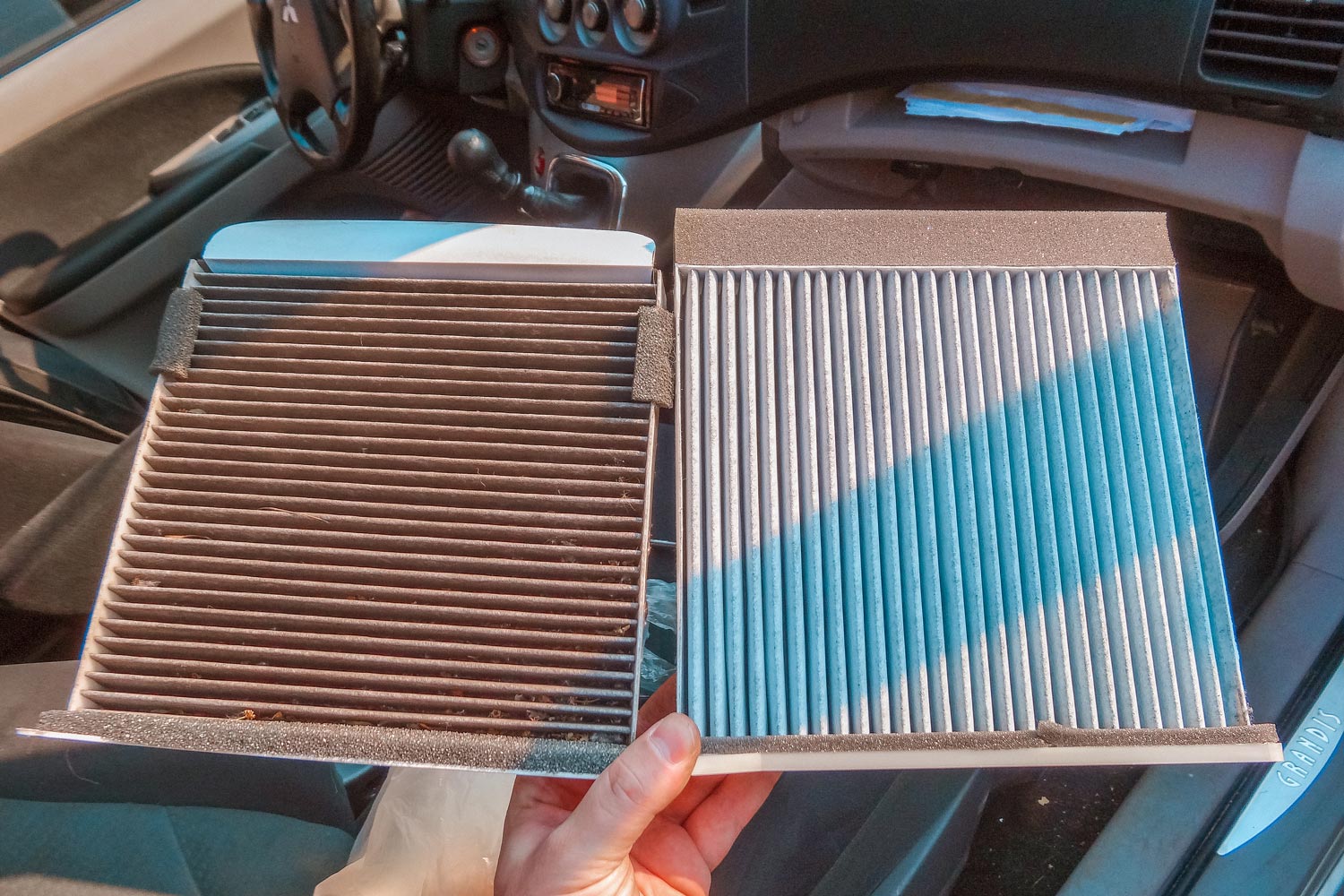
Image Source: autoimage.capitalone.com
How Often To Change Cabin Air Filter In Car: Expert Tips
How often should you change your car’s cabin air filter? You should change your cabin air filter every 12,000 to 15,000 miles, or about once a year, but this can vary based on driving conditions.
Your car’s cabin air filter is a vital component, often overlooked until it causes problems. It works like a lung for your car’s interior, breathing in fresh air and filtering out pollutants. So, when exactly is the right time for a cabin air filter replacement interval? Many factors influence this, and knowing them can save you money and improve your driving experience. Let’s dive into the details to help you figure out when to change car cabin filter and maintain optimal air quality inside your vehicle.
The Importance of a Clean Cabin Air Filter
A clean cabin air filter is more than just a convenience; it’s essential for your health and your car’s HVAC system. Think of it as the guardian of your respiratory health while you’re on the road.
Protecting Your Health
Every time you turn on your car’s ventilation system, air is drawn from the outside and passed through the cabin air filter. This filter traps a variety of harmful substances, including:
- Dust and Pollen: Especially important for allergy sufferers, these particles can significantly reduce air quality.
- Soot and Exhaust Fumes: These come from other vehicles and contribute to smog and can cause respiratory irritation.
- Mold Spores and Bacteria: These can grow in damp environments and can trigger allergies or illnesses.
- Industrial Pollutants: Depending on where you drive, you might encounter various industrial byproducts.
A clogged or dirty filter can’t effectively trap these contaminants, meaning they can recirculate within your car’s cabin, potentially leading to:
- Allergies and Asthma Flare-ups: Increased exposure to pollen, dust, and other allergens can worsen symptoms.
- Headaches and Fatigue: Poor air quality can affect your concentration and overall well-being.
- Respiratory Irritation: Breathing in polluted air can irritate your lungs and throat.
Safeguarding Your HVAC System
Your car’s heating, ventilation, and air conditioning (HVAC) system relies on airflow. When the cabin air filter is blocked, it restricts this airflow. This forces the blower motor to work harder, leading to:
- Increased Wear and Tear: The motor can overheat and fail prematurely.
- Reduced Efficiency: The system may struggle to heat or cool the cabin effectively, leading to higher fuel consumption.
- Mold and Mildew Growth: Restricted airflow can create stagnant, moist conditions where mold and mildew can thrive within the HVAC system.
Determining Your Cabin Air Filter Change Frequency
So, how often to change cabin air filter in car? While a general guideline exists, your specific driving habits and environment play a significant role. A solid cabin air filter maintenance schedule is key.
General Recommendations
Most automotive manufacturers suggest a recommended cabin air filter change every 12,000 to 15,000 miles or at least once a year. This is a good starting point, especially if you live in an area with moderate air quality and typical driving conditions. This also aligns with what many mechanics would suggest for a routine auto cabin filter replacement.
Factors Influencing Cabin Air Filter Lifespan
Several factors can shorten the cabin air filter lifespan and necessitate more frequent changes:
- Driving Environment:
- Dusty Roads: Driving on unpaved roads or in dusty areas will clog your filter much faster.
- Heavy Traffic/Pollution: Cities with high traffic density and industrial activity expose your filter to more pollutants.
- Rural Areas: While seemingly cleaner, rural areas can have high levels of pollen and agricultural dust.
- Climate: Humid climates can promote mold and mildew growth on the filter.
- Seasonal Changes: Spring and fall, when pollen counts are high, can put extra strain on your filter.
- Frequent Use of Ventilation: If you use your car’s AC or heater extensively, the filter will work harder.
- Towing or Hauling: If your vehicle is used for towing, it may be under more stress, indirectly affecting the filter.
How Many Miles for Cabin Air Filter?
To answer how many miles for cabin air filter, the 12,000-15,000 mile mark is a good general answer. However, if you frequently drive in dusty, polluted, or high-pollen environments, you might need to inspect and potentially change your filter closer to the 10,000-mile mark. Conversely, if you drive primarily on clean highways in a low-pollution area, you might be able to stretch it slightly beyond 15,000 miles, but annual replacement is still advisable.
Signs of a Dirty Cabin Air Filter
Your car will often give you clues when the cabin air filter needs attention. Recognizing these signs of dirty cabin air filter can prevent further issues.
Reduced Airflow
One of the most noticeable signs is a significant decrease in the amount of air coming from your vents. Even on the highest fan setting, the airflow feels weak. This indicates that the filter is so clogged that air can no longer pass through easily.
Odors
A dirty cabin air filter can trap odors from outside air, such as exhaust fumes, or even create its own musty smell from trapped moisture, mold, and bacteria. If you start noticing unpleasant smells when you turn on your fan, it’s a strong indicator that the filter needs replacing.
Increased Allergy Symptoms
If you or your passengers start experiencing more sneezing, coughing, watery eyes, or itchy throats while inside the car, despite not having these symptoms outside, your cabin air filter may be failing to capture allergens.
Foggy Windows
A clogged cabin air filter can impede the defroster’s ability to clear your windshield and windows effectively. If you notice your windows fogging up more than usual and the defroster isn’t working efficiently, the filter could be the culprit.
Noisy HVAC System
When the HVAC system has to work harder due to a restricted filter, you might hear unusual noises from the blower motor or the system itself.
When to Change Car Cabin Filter: Practical Advice
Considering all the factors, when is the absolute best time to replace cabin air filter?
Seasonal Considerations
- Spring: As pollen season begins, it’s a good time to replace your cabin air filter to ensure you’re breathing clean air.
- Fall: After a summer of heavy AC use and potentially dusty conditions, a fresh filter in the fall can prepare your car for heating season and trap any accumulated debris.
Mileage and Time Intervals
- Annual Replacement: This is the most straightforward and often safest approach for most drivers. It ensures your filter is performing optimally throughout the year.
- Mileage Checks: Keep track of your mileage. If you drive more than the average, you might need to check your filter more often. If you’re nearing the 12,000-15,000 mile mark, it’s time for a change, regardless of the season.
Types of Cabin Air Filters
Not all cabin air filters are created equal. Understanding the different types can help you make an informed choice for your auto cabin filter replacement.
Standard/Paper Filters
These are the most common and typically the least expensive. They are made of pleated paper-like material and are effective at trapping larger particles like dust and pollen. Their cabin air filter lifespan is generally shorter.
Activated Carbon Filters
These filters include a layer of activated carbon, which is highly porous and excellent at absorbing odors and gases. If you frequently drive in areas with strong smells (e.g., near factories, farms, or heavy traffic), an activated carbon filter can significantly improve interior air quality. They often have a slightly longer cabin air filter lifespan due to their enhanced capabilities.
High-Efficiency Filters (HEPA-like)
Some aftermarket filters are designed to capture even smaller particles, including bacteria and microscopic allergens. While these offer superior filtration, they can be more expensive and may restrict airflow slightly more than standard filters, potentially putting a bit more strain on the blower motor if they become very dirty.
Replacing Your Cabin Air Filter: A DIY Guide
Replacing a cabin air filter is often a straightforward DIY task that can save you money on labor costs. The exact location varies by vehicle, but it’s commonly found:
- Behind the glove compartment.
- Underneath the dashboard.
- Under the hood, near the windshield wipers.
Steps for Replacement:
- Consult Your Owner’s Manual: This is the best resource for locating the cabin air filter and specific instructions for your car model.
- Gather Your Tools and New Filter: You might need a screwdriver, pliers, or just your hands. Ensure you have the correct replacement filter for your vehicle.
- Access the Filter: Open the glove compartment, and in many cars, you’ll need to release it to swing down. Sometimes, there are clips or screws to remove.
- Remove the Old Filter: Note the direction of airflow indicated on the old filter (usually an arrow). Carefully slide out the old, dirty filter.
- Install the New Filter: Insert the new filter, making sure the airflow arrow points in the correct direction.
- Reassemble: Close the glove compartment or reattach any panels you removed.
How Many Miles for Cabin Air Filter Replacement?
Remember the cabin air filter replacement interval we discussed. If you’re unsure, or if your car is older, check your owner’s manual or consult a trusted mechanic.
When to Call a Professional
While DIY replacement is often simple, there are times when professional help is recommended:
- Difficulty Locating or Accessing the Filter: Some vehicles have filters in complex or hard-to-reach locations.
- Uncertainty About Correct Installation: Incorrect installation can reduce effectiveness or damage the system.
- Suspected HVAC System Issues: If you suspect problems with your blower motor or other HVAC components, a professional can diagnose and repair them.
Table: Cabin Air Filter Replacement Guide
Here’s a quick guide based on common scenarios:
| Driving Condition | Recommended Replacement Interval (Miles) | Notes |
|---|---|---|
| Normal/Moderate | 12,000 – 15,000 | Standard recommendation. |
| Dusty/Unpaved Roads | 10,000 – 12,000 | Frequent exposure to fine particles. |
| High Pollution/Heavy Traffic | 10,000 – 12,000 | Constant intake of exhaust fumes and other pollutants. |
| High Pollen Seasons | 10,000 – 12,000 | Especially if you have allergies; consider spring and fall replacements. |
| Rural Areas (Farming, etc.) | 10,000 – 12,000 | May encounter significant agricultural dust and pollen. |
| Infrequent Use / Short Trips | Once per year | Even with low mileage, filters can degrade over time and collect moisture. |
This table provides a good overview for your cabin air filter maintenance schedule.
Frequently Asked Questions (FAQ)
Q1: How often should I replace my cabin air filter?
A1: Generally, every 12,000 to 15,000 miles or once a year, but this can vary based on your driving environment.
Q2: What are the signs of a clogged cabin air filter?
A2: Reduced airflow from vents, unpleasant odors, increased allergy symptoms, and foggy windows are common signs.
Q3: Can a dirty cabin air filter cause my car to overheat?
A3: Not directly. However, a severely clogged filter restricts airflow, making your HVAC system (including the AC compressor) work harder. This can lead to increased load on the engine, potentially contributing to higher operating temperatures, but it’s not a primary cause of engine overheating.
Q4: Is it worth paying for an activated carbon cabin air filter?
A4: If you are sensitive to odors or frequently drive in polluted areas, an activated carbon filter is often worth the extra cost for improved air quality.
Q5: How do I know if I have a cabin air filter?
A5: Most cars manufactured since the early 2000s have one. Consult your owner’s manual to confirm.
Q6: What is the best time to replace cabin air filter?
A6: Spring or Fall are often good times, as these seasons can bring increased pollen or accumulated debris. Annually is a safe bet.
Q7: Does driving with the windows down affect my cabin air filter?
A7: Driving with windows down doesn’t directly impact the filter’s condition, as it’s designed to filter air when the ventilation system is active. However, it does expose the interior to more unfiltered dust and debris directly.
Q8: Can I drive without a cabin air filter?
A8: You can, but it’s not recommended. Without a filter, the HVAC system will draw in unfiltered air, leading to dust, debris, and pollutants entering your cabin and potentially damaging the HVAC system itself.
By paying attention to these guidelines and your car’s signals, you can ensure that your cabin air filter performs its job effectively, providing you with cleaner, healthier air for a more enjoyable driving experience. Remember, consistent cabin air filter maintenance schedule is key to a comfortable and healthy ride.

My name is Carlos Gadd, and I am the creator of AirPurityGuide.com.. With a passion for footwear, I share my experiences, insights, and expertise about shoes. Through my blog, I aim to guide readers in making informed decisions, finding the perfect pair, and enhancing their footwear knowledge. Join me on this journey to explore everything about shoes!