
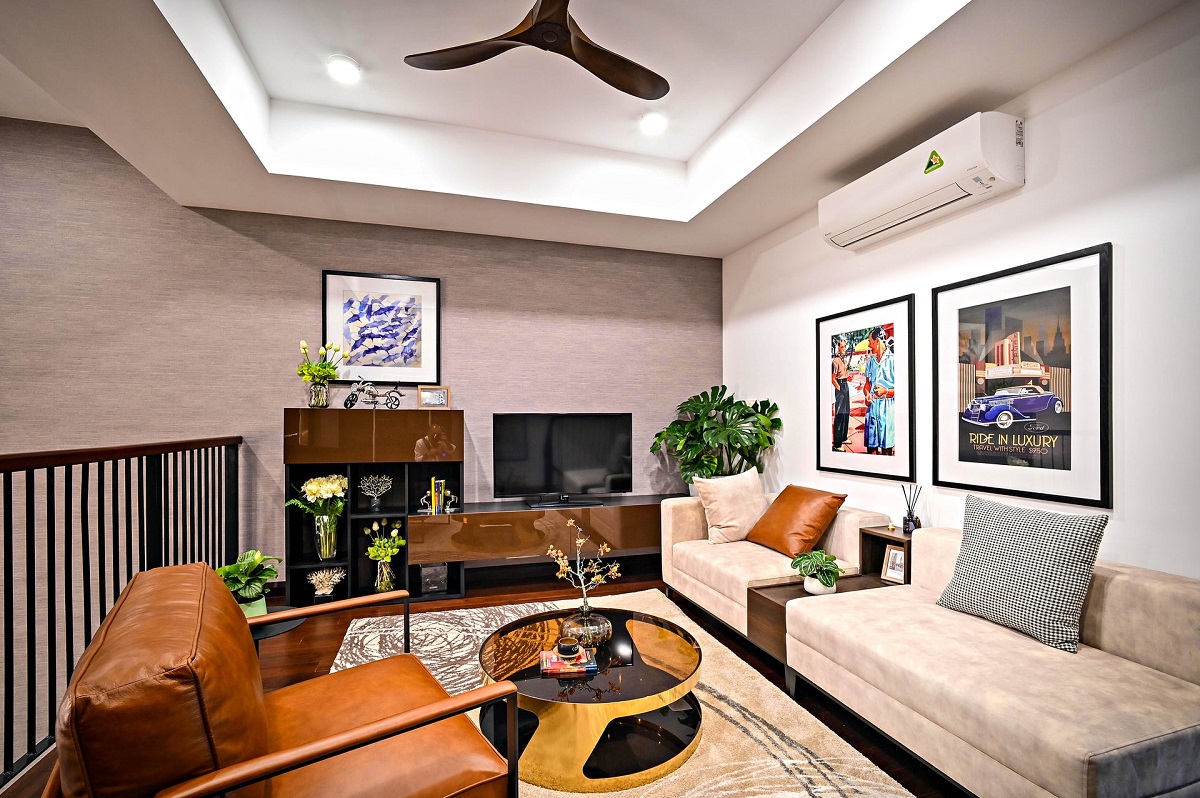
Image Source: splitlevelairconditioning.co.uk
Your Guide: How Many Air Conditioning Units Do I Need?
The number of air conditioning units you need depends on several factors, primarily the size of your home or the specific area you wish to cool, along with your climate and insulation levels. For whole-house cooling, a single central air conditioning system is often the most efficient solution, while smaller or zoned areas might benefit from multiple window units, portable ACs, or mini-split systems.
Deciphering Your Home Cooling Needs
Staying cool during hot weather is essential for comfort and well-being. But figuring out exactly how many air conditioning units your home requires can feel like a puzzle. It’s not just about buying the biggest unit; proper AC sizing is crucial for efficiency, effectiveness, and your wallet. Too small, and it won’t cool your space adequately. Too big, and it can lead to short cycling, poor humidity control, and wasted energy. This guide will help you navigate the complexities of determining your home cooling needs and ensure you make the right choices.
The Power of BTU: What is it and Why it Matters
At the heart of air conditioning is the British Thermal Unit (BTU). A BTU is a measure of heat energy. For air conditioners, it represents the amount of heat a unit can remove from a space in one hour. The higher the BTU rating, the more powerful the cooling capacity.
Key Concepts:
- BTU: The standard unit for measuring cooling capacity.
- Cooling Load: The total amount of heat that needs to be removed from a space to reach a desired temperature.
Calculating the Right Size: Using a BTU Calculator
The most common way to determine the right size AC unit is by using a BTU calculator. These tools take into account the square footage AC needs of the area you want to cool, plus other factors that influence the cooling load.
Factors Influencing BTU Requirements:
- Square Footage: This is the primary factor. Larger spaces require higher BTU units.
- Ceiling Height: Higher ceilings mean more air volume to cool, increasing the BTU requirement.
- Sunlight Exposure: Rooms that receive a lot of direct sunlight will need more cooling power.
- Insulation: Well-insulated homes retain cool air better, potentially requiring slightly lower BTU units. Poorly insulated homes will need more.
- Number of Occupants: People generate body heat, so rooms with frequent occupancy may need a boost.
- Heat-Generating Appliances: Kitchens, in particular, can generate significant heat from ovens, stoves, and refrigerators.
- Climate: Homes in hotter, more humid climates will generally need higher BTU capacities.
Estimating BTU Based on Square Footage (General Guidelines)
| Square Footage (approx.) | Recommended BTU Capacity |
|---|---|
| 100-150 | 5,000 BTU |
| 150-250 | 6,000 BTU |
| 250-300 | 7,000 BTU |
| 300-350 | 8,000 BTU |
| 350-400 | 9,000 BTU |
| 400-450 | 10,000 BTU |
| 450-500 | 12,000 BTU |
| 500-550 | 13,000 BTU |
| 550-600 | 14,000 BTU |
| 600-700 | 15,000 BTU |
| 700-1000 | 18,000 BTU |
| 1000-1200 | 21,000 BTU |
| 1200-1400 | 23,000 BTU |
| 1400-1500 | 24,000 BTU |
Note: These are general estimates. Always use a BTU calculator that considers additional factors for more precise sizing.
Exploring Different Types of Air Conditioning Systems
The type of AC system you choose will significantly influence how many units you need and how they are configured.
Central Air Sizing: Cooling the Whole House
For whole-house comfort, a central air conditioning system is often the most effective and aesthetically pleasing solution. Central air sizing involves calculating the total cooling load for your entire home. This typically requires a professional HVAC technician to perform a Manual J load calculation.
Manual J Load Calculation: This is a standardized method developed by ACCA (Air Conditioning Contractors of America) to determine the heating and cooling needs of a building. It’s a comprehensive assessment that looks at:
- Building Envelope: Wall and roof construction, window types and sizes, insulation levels.
- Air Infiltration: How much outside air leaks into the home.
- Internal Heat Gains: Heat generated by occupants, appliances, and lighting.
- Ductwork Design: Efficiency and sealing of the air distribution system.
- Climate Data: Local temperature and humidity averages.
A proper HVAC sizing guide will always point towards a professional load calculation for central systems. This ensures the system is appropriately sized for your home’s unique characteristics.
Window AC Capacity: For Individual Rooms
Window AC capacity is measured in BTUs and is designed to cool a single room or a defined zone. When considering multiple window units, you’ll need to size each one based on the room size AC requirements.
Tips for Window ACs:
- Placement: Install in a window that receives minimal direct sunlight if possible.
- Sealing: Ensure the unit is sealed well to prevent air leaks.
- Multiple Units: If cooling multiple rooms, you’ll need a separate unit for each, sized appropriately. For example, a master bedroom might need a 10,000-12,000 BTU unit, while a smaller guest room might only need 5,000-6,000 BTU.
Portable AC Requirements: Flexibility and Mobility
Portable AC requirements are also based on BTU ratings, similar to window units. These units are on wheels and can be moved from room to room, though they are generally less efficient than window units or mini-splits due to potential air leakage around the exhaust hose.
Considerations for Portable ACs:
- Exhaust Hose: The hot air is vented out through a hose that needs to be placed in a window or vent. Proper sealing of the window kit is crucial.
- Water Drainage: Portable ACs also produce condensation that needs to be drained. Some have internal tanks that need emptying, while others can be connected to a drain hose.
- Room Size: Like window units, size the portable AC based on the room size AC needs of the specific area you are cooling. A 12,000 BTU portable unit might cool a room that a 10,000 BTU window unit could handle, due to efficiency differences.
Mini-Split System Sizing: Zoned Comfort
Mini-split system sizing involves determining the BTU capacity needed for each indoor unit (head) based on the specific zone it will cool. Mini-split systems consist of an outdoor compressor/condenser unit connected to one or more indoor air-handling units via refrigerant lines and electrical wiring.
Advantages of Mini-Splits:
- Zoning: Each indoor unit can be controlled independently, allowing for personalized comfort and energy savings in unoccupied rooms.
- Efficiency: They are often more energy-efficient than central systems or multiple window units because they don’t rely on ductwork (which can lose air) and allow for targeted cooling.
- Versatility: Can be used for homes without existing ductwork or for additions.
Sizing Multiple Mini-Splits:
If you’re cooling multiple distinct areas or rooms, you might need multiple indoor units, each paired with the appropriate outdoor unit capacity. The total BTU capacity of all indoor units should generally not exceed the capacity of the outdoor unit by a significant margin, but a professional installer can advise on the optimal configuration for your specific home cooling needs. For example, a 3-zone mini-split system might have one indoor unit in the living room (12,000 BTU), one in the master bedroom (9,000 BTU), and one in a smaller office (7,000 BTU). The outdoor unit would need to be sized to handle the combined load, typically around 18,000-24,000 BTU depending on the specific units and efficiencies.
Fathoming Factors Beyond Square Footage
While square footage AC is the starting point, other factors can significantly alter your required cooling capacity. Ignoring these can lead to an improperly sized system.
Insulation Levels: A Crucial Component
The quality and R-value of your home’s insulation play a massive role.
- Well-Insulated Homes: Proper insulation in walls, attics, and floors prevents heat from entering in the summer and escaping in the winter. This means you can often get away with a slightly smaller AC unit or run your existing unit less often.
- Poorly Insulated Homes: If your insulation is old, damaged, or inadequate, your AC will have to work much harder to maintain a cool temperature. You’ll likely need a higher BTU unit or may find that even a correctly sized unit struggles.
Window Efficiency and Shading: Letting the Sun In (or Not!)
Windows are a major source of heat gain.
- Single-Pane vs. Double/Triple-Pane: Double or triple-pane windows with low-E coatings are far more energy-efficient and reduce heat transfer significantly.
- Window Treatments: Curtains, blinds, and shutters can block solar heat gain. Using these, especially on south- and west-facing windows, can reduce your cooling load.
- Awnings and Shading: External awnings or strategically planted trees can provide shade, drastically lowering the heat entering your home.
Climate and Local Conditions: Hotter Means More Power
Your geographic location and local climate are paramount.
- Hot and Humid Climates: Areas with high temperatures and humidity require AC units with higher BTU ratings and good dehumidification capabilities. High humidity makes the air feel warmer and requires more energy to remove.
- Moderate Climates: Less extreme temperatures mean a lower cooling load, and thus lower BTU requirements.
Ceiling Height and Room Volume: More Air to Cool
A standard 8-foot ceiling is assumed in most BTU calculator estimations. If you have vaulted ceilings or rooms with significantly higher than average ceilings, the volume of air to be cooled increases, requiring a larger BTU capacity.
- Example: A 400 sq ft room with 12-foot ceilings will require more cooling than a 400 sq ft room with 8-foot ceilings.
Occupancy and Appliance Load: Internal Heat Sources
The number of people regularly occupying a space and the heat generated by appliances contribute to the cooling load.
- Kitchens: As mentioned, kitchens are notorious for heat. If you’re cooling an open-plan living area that includes the kitchen, factor in the heat from appliances.
- Home Offices with Multiple Computers: Areas with electronic equipment can also generate a surprising amount of heat.
Putting It All Together: Scenario Examples
Let’s look at a few scenarios to illustrate how different home cooling needs translate into AC unit requirements.
Scenario 1: Cooling a Single Room (e.g., Bedroom)
- Room Size: 12 ft x 15 ft = 180 sq ft
- Ceiling Height: 8 ft
- Sun Exposure: Moderate (one window facing east)
- Insulation: Average
- Occupancy: 2 people
Using a BTU calculator, an estimated room size AC requirement for this space would likely be in the 6,000-8,000 BTU range. A window AC or a portable AC would be suitable here.
Scenario 2: Cooling a Small Apartment (Open Plan Living/Kitchen/Dining)
- Total Area: 700 sq ft
- Ceiling Height: 8 ft
- Sun Exposure: High (large south-facing windows)
- Insulation: Fair
- Occupancy: 2-3 people
- Appliances: Standard kitchen appliances, computers
For this open-plan living space, a single, higher-capacity unit might be considered. However, the high sun exposure and potential appliance heat suggest a need for a robust solution. A central air sizing calculation might recommend a 1-ton (12,000 BTU) or 1.5-ton (18,000 BTU) central AC system, depending on the overall home structure and climate. If individual units are preferred, a couple of strategically placed window units (e.g., 12,000 BTU in the living area, 6,000 BTU in the bedroom) could also work, but careful placement is key. A mini-split system with two indoor heads could also be very efficient here.
Scenario 3: Cooling a Larger Family Home
- Total Square Footage: 2000 sq ft
- Home Type: Single-family house
- Climate: Hot and humid
- Insulation: Good
- Number of Zones: Multiple bedrooms, living areas, kitchen
For a home of this size, especially in a demanding climate, a central air conditioning system is usually the most practical and efficient solution. A professional HVAC sizing guide would recommend a Manual J load calculation. Based on the square footage alone, a rough estimate for a 2000 sq ft home in a hot climate might suggest a 3-ton to 4-ton (36,000 to 48,000 BTU) central AC system. However, the actual requirement could vary significantly based on insulation, window efficiency, and other factors determined by the load calculation. Alternatively, a multi-zone mini-split system could be installed, with multiple indoor units sized for individual rooms or zones, offering greater control and potential energy savings.
Can I Use One Large Unit for My Entire House?
For most single-family homes, a single, properly sized central air sizing system is the most efficient and effective way to cool the entire house. However, there are exceptions:
- Very Large Homes: Extremely large or sprawling homes might benefit from a zoned central system or even two separate central AC units if the layout is particularly complex or there are significant differences in exposure.
- Homes Without Ductwork: If your home lacks existing ductwork, installing a central system can be prohibitively expensive. In such cases, a combination of mini-split systems, window units, and portable ACs might be a more feasible approach, although it will likely be less energy-efficient overall.
- Significant Additions: If you’ve added a substantial portion to your home without extending the existing ductwork, that new section might require its own dedicated cooling solution, possibly a mini-split or a dedicated zone within the central system.
Who is Responsible for AC Sizing?
While you can use a BTU calculator for preliminary estimates and research, the ultimate responsibility for accurate AC sizing for a central air system or a complex mini-split installation often falls on the HVAC professional. They are trained to perform detailed load calculations and understand the nuances of building science. For window or portable units, you are typically responsible for selecting the appropriate size based on room specifications and calculator estimates.
Frequently Asked Questions (FAQ)
Q1: My AC feels weak. Do I need a bigger unit?
This is a common issue. Before assuming you need a larger unit, consider these possibilities:
- Dirty Air Filter: A clogged filter drastically reduces airflow and cooling efficiency. Change your filter regularly.
- Dirty Coils: Dirty evaporator and condenser coils impede heat transfer. Regular maintenance is key.
- Refrigerant Leak: If the system is low on refrigerant, it won’t cool effectively. This requires a professional to diagnose and fix.
- Undersized System: It’s possible the unit was never sized correctly for the space.
- Ductwork Issues: Leaky or undersized ductwork can prevent cool air from reaching its destination.
Q2: Can I use a window AC to cool multiple rooms?
While a powerful window AC might push some cool air into an adjacent room, it’s generally not effective for cooling multiple distinct spaces. For optimal comfort and efficiency, each room or zone should have its own dedicated cooling unit sized appropriately for its specific room size AC needs.
Q3: How does humidity affect AC sizing?
High humidity makes the air feel warmer and requires more energy for cooling. AC units cool and dehumidify simultaneously. In humid climates, you might need a slightly higher BTU rating or a unit with enhanced dehumidification features to achieve comfortable temperatures. A good HVAC sizing guide will emphasize climate-specific considerations.
Q4: What’s the difference between AC tonnage and BTU?
Tonnage is another way of measuring cooling capacity, often used for central air systems. One ton of cooling capacity is equivalent to 12,000 BTUs per hour. So, a 2-ton central AC system has a capacity of 24,000 BTUs.
Q5: How often should I get my AC serviced?
It’s recommended to have your central air conditioning system professionally serviced at least once a year, ideally before the cooling season begins. This includes checking refrigerant levels, cleaning coils, inspecting electrical components, and ensuring the system is running efficiently.
By carefully considering your home’s unique characteristics and using the information in this guide, you can make informed decisions about how many air conditioning units you need to ensure a comfortable and energy-efficient summer.

My name is Carlos Gadd, and I am the creator of AirPurityGuide.com.. With a passion for footwear, I share my experiences, insights, and expertise about shoes. Through my blog, I aim to guide readers in making informed decisions, finding the perfect pair, and enhancing their footwear knowledge. Join me on this journey to explore everything about shoes!