
Q: How long does it take to unfreeze an air conditioner?
A: The time it takes for an air conditioner to unfreeze safely can vary, but generally, it requires at least 4 to 12 hours with the AC unit turned off and the fan set to “on.”
A frozen air conditioner is a common problem that can leave you without cool air and potentially damage your system. If your AC unit is iced over, it’s crucial to let it thaw completely before attempting to run it again. Running a frozen unit can cause further damage, especially to the compressor. This guide will walk you through the process of thawing your air conditioner safely and efficiently, and what to do to prevent it from happening again.
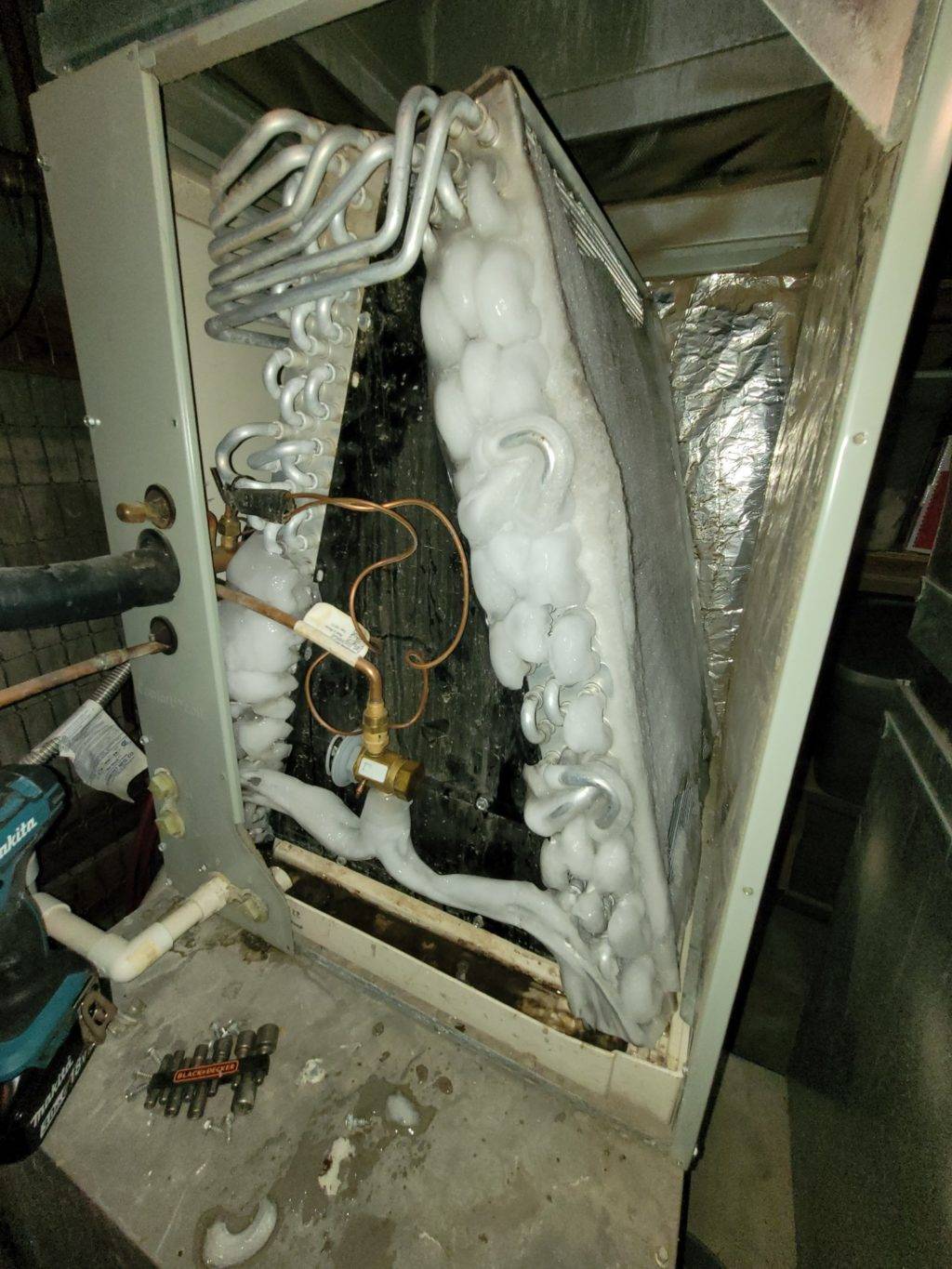
Image Source: www.manmadediy.com
Why Does an Air Conditioner Freeze?
Before we dive into the thawing process, it’s helpful to understand why your AC coil freezing can occur. The evaporator coil, located inside your home, is responsible for absorbing heat from the indoor air. As refrigerant flows through it, the coil gets very cold. When warm, humid indoor air passes over this cold coil, moisture condenses on it and is then drained away.
However, when airflow is restricted or the refrigerant level is too low, the coil can get too cold. This extreme cold causes the moisture that condenses on it to freeze, forming ice. This ice build-up restricts airflow even further, creating a vicious cycle. Eventually, the entire AC unit iced over.
Here are the primary reasons for AC coil freezing:
Restricted Airflow
This is the most common culprit. When not enough warm air passes over the evaporator coil, it can’t absorb heat effectively. Instead, the coil’s surface temperature drops below freezing. Causes include:
- Dirty Air Filter: A clogged filter dramatically reduces the amount of air entering the system. This is the easiest fix.
- Blocked Vents or Registers: Furniture, curtains, or other obstructions in front of air vents can choke off airflow.
- Dirty Evaporator Coil: If the coil itself is caked with dust and grime, air can’t flow through it.
- Undersized Ductwork: If the ducts are too small for the amount of air the system needs to move, it can lead to insufficient airflow.
- Fan Motor Issues: If the indoor fan isn’t working correctly, air won’t be circulated.
Low Refrigerant Levels
Refrigerant is the substance that absorbs heat from your home. If there’s a leak in the system, the refrigerant level can drop. Low refrigerant causes the pressure in the evaporator coil to decrease, which in turn lowers its temperature. When the coil gets too cold, the moisture freezes onto it. This is a more serious issue that requires professional attention.
Thermostat Problems
While less common, a malfunctioning thermostat can sometimes cause the AC to run continuously without proper cycling, leading to the coil freezing.
Clogged Condensate Drain Line
The condensate drain line removes moisture from the evaporator coil. If it becomes clogged with algae, mold, or debris, water can back up and freeze on the coil.
Extreme Cold Weather Operation
Running your air conditioner when the outside temperature is below about 60-65°F (15-18°C) can cause the system to freeze up. The outdoor unit needs a certain temperature differential to operate correctly.
How Long To Unfreeze Air Conditioner Safely: The Thawing Process
If you discover your AC unit iced over, the most important first step is to turn it off immediately. Do not try to run it to “melt” the ice, as this can cause significant damage. The question of how long for AC to unfreeze is crucial for safe operation.
Here’s a step-by-step guide for thawing frozen AC units:
Step 1: Turn Off the Air Conditioner
Locate your thermostat and set it to the “Off” position. This stops the cooling cycle and prevents the compressor from running while the ice is still present.
Step 2: Turn On the Fan
Now, set your thermostat’s fan setting to “On” (or “Fan Only”). This will circulate room-temperature air over the frozen evaporator coil. The fan setting circulates air without engaging the cooling system, which helps speed up the melting process. This is a critical step in air conditioner defrosting time.
Step 3: Allow Time for Thawing
This is where the air conditioner defrosting time comes into play. How long to unfreeze air conditioner safely depends on how heavily it is iced.
- Light Icing: If there’s only a thin layer of ice, it might melt within 2 to 4 hours.
- Heavy Icing: For a heavily frozen AC unit thaw, it could take anywhere from 6 to 12 hours, or even longer.
Never try to chip away at the ice with tools. This can easily puncture the delicate fins of the evaporator coil or damage the refrigerant lines. Patience is key here.
Step 4: Check the Drain Pan and Line
While the unit is thawing, locate the drain pan beneath the indoor evaporator coil. Water from the melting ice will collect here. Ensure the condensate drain line isn’t blocked. You might see water leaking from the unit if the drain line is indeed clogged.
Step 5: Inspect the Air Filter
Once the ice has melted, or during the thawing process if you can access it, check your air filter. A dirty filter is a primary cause of airflow restriction. If it’s dirty, replace it with a new one.
Step 6: Restore Power and Test
After you are certain all ice has melted and you’ve addressed any potential issues like a dirty filter, you can turn your thermostat back to the “Cool” setting. Monitor the unit to ensure it’s blowing cold air and that no new ice is forming.
Important Note: If you suspect a low refrigerant issue (you hear hissing or gurgling sounds, or the unit freezes up again quickly after thawing), do not run the AC. Contact a qualified HVAC professional immediately.
What to Do If Your AC Keeps Freezing
If you’ve gone through the thawing process and your AC not cooling freezing issue persists, it indicates an underlying problem that needs to be addressed. Here are common reasons why an AC unit iced over repeatedly and what you should do:
Dirty Evaporator Coil
If the coil is heavily soiled, even with a clean filter, airflow can be severely restricted.
- Action: Clean the evaporator coil. This can be a DIY task for the mechanically inclined, but it often involves dismantling parts of the air handler. If you’re not comfortable, hire a professional.
Faulty Blower Motor or Fan
The indoor fan is responsible for pushing air across the evaporator coil. If it’s not working at full capacity, the coil can freeze.
- Action: Check if the fan is running strongly. Listen for unusual noises. If you suspect a motor issue, call a technician.
Leaking Refrigerant
This is a common and serious cause of freezing.
- Action: Contact a licensed HVAC technician. They can locate the leak, repair it, and recharge the system with the correct amount of refrigerant. Never attempt to add refrigerant yourself. It requires specialized equipment and knowledge.
Thermostat Malfunction
A thermostat that’s not reading the temperature accurately or is cycling incorrectly can lead to continuous operation.
- Action: Ensure the thermostat is properly calibrated. If you suspect it’s faulty, it may need to be replaced.
Clogged Condensate Drain
A blocked drain will cause water to back up, potentially freezing on the coil, especially in humid conditions.
- Action: Clear the condensate drain line. You can often do this yourself using a wet/dry vacuum on the exterior drain pipe or by gently flushing it with a bleach or vinegar solution (check your manual for recommendations).
Undersized or Damaged Ductwork
Poorly designed or leaking ducts can also contribute to airflow problems.
- Action: Inspect your ductwork for obvious damage or leaks. Consider having your ducts professionally inspected and sealed or resized if necessary.
Preventing Your Air Conditioner from Freezing
Preventing a frozen AC unit is much easier and cheaper than fixing one. Regular AC maintenance frozen unit prevention is key.
1. Change Your Air Filter Regularly
- Frequency: Check your filter monthly, especially during peak cooling seasons. Replace it every 1-3 months, or more often if you have pets, allergies, or live in a dusty environment.
- Why it helps: A clean filter ensures optimal airflow over the evaporator coil, preventing it from getting too cold.
2. Keep Vents and Registers Clear
- Action: Ensure furniture, curtains, rugs, or any other objects are not blocking your air vents or return grilles.
- Why it helps: Unobstructed airflow is crucial for proper system function.
3. Schedule Professional AC Maintenance
- Frequency: Aim for at least one annual inspection and tune-up, preferably before the cooling season begins.
- What it covers: A technician will clean the coils, check refrigerant levels, inspect electrical components, lubricate moving parts, and ensure proper airflow. They can spot potential problems before they lead to freezing. This proactive approach is the best form of AC maintenance frozen unit prevention.
4. Keep the Evaporator Coil Clean
- Action: While it might be tempting to clean it yourself, the evaporator coil is a delicate component. If you notice dust build-up, a professional cleaning during your annual maintenance is the best approach.
- Why it helps: A clean coil allows air to pass through freely, promoting efficient heat absorption and preventing excessive cold.
5. Ensure Proper Refrigerant Levels
- Action: This is a job for a professional. They will check for leaks and ensure the system is charged with the correct amount of refrigerant.
- Why it helps: Correct refrigerant levels are vital for the system to operate at the right temperatures and pressures, preventing the frozen evaporator coil issue.
6. Address Drainage Issues Promptly
- Action: Periodically check the condensate drain line for blockages. If you notice slow draining or water accumulation, clear it out.
- Why it helps: A clear drain line prevents water backup and potential freezing.
7. Avoid Running the AC in Cold Weather
- Action: Do not set your thermostat below 65-70°F (18-21°C) if the outdoor temperature is also low. If you need heat, use your furnace or heating system.
- Why it helps: Running the AC in cold weather can disrupt the system’s pressure balance and cause the coils to freeze.
Signs Your AC Might Be Freezing
Recognizing the early signs can save you from a major breakdown.
- AC Blowing Warm Air Freezing: Ironically, a frozen AC might initially blow warm air because the ice is blocking airflow so severely that no air can pass over the coils to be cooled.
- Reduced Cooling Performance: You notice your home isn’t getting as cool as it used to.
- Hissoing or Gurgling Sounds: These can indicate refrigerant leaks or pressure issues.
- Visible Ice on Refrigerant Lines: Check the copper lines connecting your indoor and outdoor units. If you see ice on them, your system is likely freezing.
- Water Leaks: Melting ice can cause water to drip around your indoor unit.
- Higher Energy Bills: An AC unit struggling to work efficiently due to ice build-up will consume more energy.
Troubleshooting a Frozen AC: A Quick Reference
| Problem | Possible Cause | What to Do |
|---|---|---|
| Frozen Evaporator Coil | Dirty Air Filter | Replace the air filter immediately. |
| Blocked Vents/Registers | Clear all obstructions from vents and registers. | |
| Dirty Evaporator Coil | Clean the coil (DIY or professional). | |
| Low Refrigerant | Contact an HVAC professional to check for leaks and recharge. | |
| Faulty Blower Fan | Have a technician inspect and repair the blower motor. | |
| Clogged Condensate Drain | Clear the drain line using a wet/dry vac or flushing solution. | |
| AC Not Cooling | Unit is still frozen | Allow it to thaw completely (4-12+ hours) with the fan set to “On.” |
| System froze due to underlying issue | After thawing, address the root cause (dirty filter, low refrigerant, etc.). If it freezes again, call a professional. | |
| AC Blowing Warm Air | Unit is frozen | Turn off the AC, set fan to “On,” and allow it to thaw. Check filter and vents. |
| Refrigerant Leak | Professional diagnosis and repair needed. | |
| Compressor Failure | This is a serious issue; call a technician immediately. |
Frequently Asked Questions (FAQ)
Q1: Can I use a hairdryer or heat gun to speed up AC defrosting?
A1: While tempting, it’s generally not recommended to use direct heat sources like hairdryers or heat guns. The intense, localized heat can damage the evaporator coil fins, which are often made of thin aluminum. It’s safer to let the unit thaw naturally by circulating room air.
Q2: How do I know if my AC has a refrigerant leak?
A2: Signs include the unit freezing up repeatedly, decreased cooling performance, hissing or bubbling sounds from the refrigerant lines, or ice formation on the copper lines. A professional technician can accurately diagnose refrigerant leaks.
Q3: What if the ice doesn’t melt after 12 hours?
A3: If after 12 hours (or even longer, depending on the severity of the ice) your AC is still frozen, there might be a more significant underlying issue, such as a severely restricted airflow or a problem with the refrigerant. It’s time to call a professional HVAC technician.
Q4: Is it safe to run the AC fan by itself when the unit is frozen?
A4: Yes, this is the recommended procedure. Running the fan circulates room-temperature air over the frozen coils, helping them to thaw safely without putting strain on the compressor.
Q5: How much does it cost to fix a frozen AC?
A5: The cost depends on the cause. Simply replacing a dirty air filter might cost $5-$20. Thawing it yourself is free. If you need a professional to clear a drain line, it could be $100-$250. If there’s a refrigerant leak that needs repair and recharge, it can range from $300 to over $1000, depending on the complexity.
Dealing with a frozen air conditioner can be frustrating, but by following these steps, you can safely thaw your unit and take measures to prevent future occurrences. Regular maintenance and attention to airflow are your best defenses against this common and disruptive problem.

My name is Carlos Gadd, and I am the creator of AirPurityGuide.com.. With a passion for footwear, I share my experiences, insights, and expertise about shoes. Through my blog, I aim to guide readers in making informed decisions, finding the perfect pair, and enhancing their footwear knowledge. Join me on this journey to explore everything about shoes!