
How long should an air conditioner run? Generally, an air conditioner should run in cycles, turning on when the temperature rises above your set point and off when it reaches it. Continuous AC operation is typically not ideal.
Understanding how long your air conditioner runs is key to keeping your home comfortable and your energy bills low. It’s a common question homeowners ask: “Is my AC running too much? Or not enough?” The answer isn’t a simple one-size-fits-all number. The ideal HVAC runtime for your air conditioner depends on several factors, including the outside temperature, your home’s insulation, the size of your unit, and your personal comfort preferences. Let’s dive deep into what dictates your AC’s operation and how to ensure it’s running efficiently.
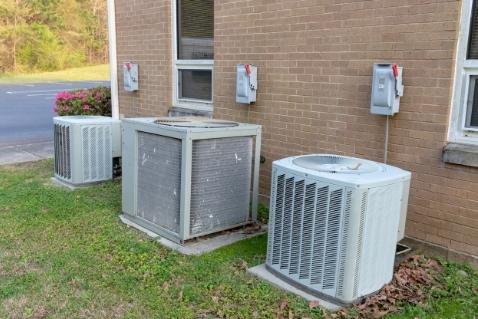
Image Source: www.huskyair.com
The Science Behind Your AC’s Operation
Your air conditioner works by removing heat and humidity from your indoor air. It does this through a process involving a refrigerant, a compressor, and fans. When your thermostat senses the temperature is higher than you’ve set it, it signals the AC to start. The compressor kicks in, and the refrigerant begins its cycle, absorbing heat from inside your home and releasing it outside.
Deciphering AC Cycle Length
The time your air conditioner runs each time it turns on is called its AC cycle length. A typical cycle for a properly sized unit in moderate weather might last between 10 to 20 minutes. However, this can vary significantly. In very hot weather, cycles might be longer, and in cooler weather, they might be shorter.
- Short Cycling: This is when your AC turns on and off frequently, often in cycles shorter than 10 minutes. This is generally inefficient and can be hard on the unit.
- Long Cycling: Conversely, if your AC runs for very long periods without shutting off, it might indicate an issue like an oversized unit, poor insulation, or extreme external temperatures.
Fathoming Cooling Duration
The total time your AC spends actively cooling throughout the day is your cooling duration. This is what directly impacts your energy consumption. Aiming for efficient cooling duration means letting the AC run long enough to effectively cool your home without overworking.
Factors Influencing Your Air Conditioner’s Runtime
Several elements play a crucial role in determining how long your AC needs to run to maintain a comfortable temperature.
Outdoor Temperature and Humidity
The most significant factor is the outside temperature. On a sweltering 95-degree day, your AC will need to work much harder and run for longer cycles than on a mild 75-degree day. High humidity also makes the air feel warmer and forces your AC to run longer to remove excess moisture.
Home Insulation and Air Sealing
A well-insulated and properly air-sealed home will retain cool air much more effectively. If your attic has poor insulation, or if there are drafts around windows and doors, cool air will escape, and warm air will enter. This forces your AC to run continuously to combat the constant influx of heat.
AC Unit Size and Efficiency
Residential AC usage is heavily influenced by the size of the unit relative to the space it needs to cool. An oversized unit will cool the space too quickly and shut off before it can adequately dehumidify the air, leading to short cycling. An undersized unit will struggle to cool the space, leading to extended run times and potential strain on the system. The energy efficiency rating (SEER – Seasonal Energy Efficiency Ratio) of your AC also plays a part; more efficient units can achieve the same cooling with less runtime.
Thermostat Settings and Operation
Your thermostat operation is the direct command center for your AC. The temperature you set directly impacts how often and how long the unit runs. Setting your thermostat too low will cause it to run constantly in an effort to reach that extreme low temperature.
Sunlight Exposure and Internal Heat Sources
Homes that receive a lot of direct sunlight, especially on the west and south-facing sides, will absorb more heat. Internal heat sources like ovens, computers, lighting, and even people and pets contribute to the indoor temperature. More internal heat means your AC will run longer.
The Mechanics of Compressor Cycles
Your air conditioner’s compressor is the heart of the cooling system. It’s responsible for compressing the refrigerant, raising its temperature and pressure. The frequency and duration of these compressor cycles are critical indicators of your AC’s health and efficiency.
Ideal Compressor Cycling Patterns
Ideally, your AC should have a consistent AC cycle length of roughly 10-20 minutes in moderate conditions. During these cycles, the compressor will run continuously. The system then shuts off until the temperature rises again.
Recognizing Problems with Compressor Cycles
- Frequent Cycling (Short Cycling): As mentioned, this is a red flag. It could be due to:
- An oversized AC unit.
- A dirty air filter restricting airflow.
- Blocked or dirty condenser coils (the outdoor unit).
- Low refrigerant levels.
- Thermostat placed near a heat source or in direct sunlight.
- Infrequent Cycling (Rarely Shutting Off): This can indicate:
- An undersized AC unit.
- Very high outdoor temperatures.
- Poor home insulation or air leaks.
- Dirty evaporator coils (the indoor unit).
- Refrigerant leaks.
Optimizing Your Air Conditioner’s Runtime
The goal is to strike a balance: let your AC run long enough to cool your home effectively and remove humidity, but not so long that it wastes energy or wears out prematurely.
Optimal AC Settings for Efficiency
Finding your optimal AC settings is about balancing comfort and savings.
- Set it and Forget It (Within Reason): Once you find a comfortable temperature (usually between 75-78°F in summer), try not to adjust it frequently. Each degree you lower it makes the AC work harder.
- Programmable Thermostats: These are invaluable for residential AC usage. You can set higher temperatures for when you’re away or asleep and lower it before you return or wake up. This avoids continuous AC operation when it’s not needed.
- Smart Thermostats: These learn your habits and can adjust settings automatically, even factoring in weather forecasts, to maximize energy efficiency.
The Role of Maintenance in Runtime
Regular maintenance is crucial for ensuring your AC runs efficiently and for the appropriate amount of time.
- Clean or Replace Air Filters Regularly: A clogged filter restricts airflow, making your AC work harder and run longer. Check them monthly and replace or clean them as needed.
- Keep Condenser Coils Clean: The outdoor unit’s coils release heat. If they are dirty, heat can’t dissipate effectively, leading to longer run times.
- Check Evaporator Coils: Similarly, dirty indoor coils hinder heat absorption.
- Ensure Proper Airflow: Keep vents and registers clear of furniture or curtains.
Understanding Thermostat Operation
Your thermostat is more than just a dial; it’s the brain of your AC.
- Placement Matters: Ensure your thermostat isn’t in direct sunlight, near heat-generating appliances, or in a drafty area. Incorrect placement can lead to inaccurate temperature readings and inefficient operation.
- Fan Setting: The “Fan” setting on your thermostat can be set to “Auto” or “On.”
- Auto: The fan runs only when the AC is actively cooling. This is generally more energy-efficient.
- On: The fan runs continuously, circulating air even when the AC isn’t cooling. This can help even out temperatures but increases energy use. For most residential AC usage, “Auto” is preferred for energy efficiency.
Continuous AC Operation vs. Intermittent AC Running
Let’s compare the two common modes of operation:
Continuous AC Operation: When is it Necessary?
While generally not ideal for energy efficiency, there are limited scenarios where continuous AC operation might occur or be considered:
- Extreme Heat Waves: During prolonged periods of exceptionally high outdoor temperatures, your AC might run for extended cycles, potentially close to continuous operation, to keep up.
- Poor Insulation/Air Sealing: If your home leaks a lot of air or has very poor insulation, the AC might seem to run constantly because it can’t maintain the set temperature.
- Oversized Unit in Mild Weather: Ironically, an oversized unit might run for very long, inefficient cycles if the thermostat setting is only slightly lower than the ambient temperature, as it cools too rapidly and then has to run again.
However, true continuous running without any break for several hours or days is often a sign of a significant problem.
Intermittent AC Running: The Ideal Scenario
Intermittent AC running, characterized by cycles of operation followed by periods of rest, is the hallmark of an efficient and well-functioning system. This allows the system to reach the set temperature and then recuperate, preventing unnecessary wear and tear.
- Benefits of Intermittent Running:
- Energy Savings: The system uses less electricity by cycling off.
- Dehumidification: Longer run cycles associated with intermittent operation allow the evaporator coil to get colder, leading to better moisture removal from the air. This improves comfort even at slightly higher temperatures.
- Reduced Wear and Tear: Less continuous running means less strain on the compressor and other components, potentially extending the lifespan of your unit.
Troubleshooting Common Runtime Issues
If you suspect your AC is running too much or too little, here are some common troubleshooting steps:
My AC Runs Constantly
If your air conditioner seems to be running all the time, consider these possibilities:
- Thermostat Setting: Is it set too low? Try raising it by a few degrees.
- Dirty Air Filter: Replace or clean your air filter. This is the easiest fix and often the culprit.
- Blocked Vents: Ensure all your air vents are open and unobstructed.
- Dirty Outdoor Unit: Check if the condenser unit (outside) is clean and free from debris like leaves or grass clippings.
- Poor Insulation: Inspect your attic and walls for adequate insulation. Check for drafts around windows and doors.
- Refrigerant Leak: This requires a professional to diagnose and fix.
My AC Short Cycles (Turns On and Off Too Quickly)
If your AC is cycling on and off rapidly, look into these issues:
- Oversized Unit: This is a common cause and requires professional assessment.
- Dirty Evaporator Coils: The indoor coils might be frozen or dirty, restricting airflow.
- Blocked Condenser Fan: The fan on your outdoor unit might not be running correctly.
- Low Refrigerant: This can cause the system to freeze up and cycle erratically.
How Long Should a Cycle Actually Be?
While 10-20 minutes is a general guideline, real-world AC cycle length can vary.
- Moderate Weather (75-85°F): Expect cycles of 10-20 minutes.
- Hot Weather (85-95°F): Cycles might extend to 20-30 minutes.
- Very Hot Weather (95°F+): Cycles could be 30-45 minutes or even longer, and the system might struggle to reach the set point.
The crucial aspect is not just the duration of a single cycle, but the frequency of these cycles and whether the system has adequate “off” time in between to maintain energy efficiency and system health.
When to Call a Professional
Don’t hesitate to call a qualified HVAC technician if:
- Your AC is short cycling frequently.
- Your AC runs constantly and cannot cool your home.
- You suspect a refrigerant leak (e.g., hissing sounds, ice on coils).
- You notice unusual noises or smells.
- Your energy bills are suddenly much higher than usual.
Regular professional maintenance, typically once a year, can help prevent many of these issues and ensure your AC is operating at peak energy efficiency. They can clean coils, check refrigerant levels, inspect electrical components, and identify potential problems before they lead to costly repairs or excessive HVAC runtime.
Frequently Asked Questions (FAQ)
Q1: Is it bad for my AC to run all the time?
A1: Yes, continuous AC operation for extended periods without any breaks is generally not good. It can lead to increased wear and tear on the components, higher energy bills, and reduced dehumidification. It often indicates an underlying issue like an undersized unit, poor insulation, or a system malfunction.
Q2: How long should my AC run on a hot day?
A2: On a very hot day, your AC might run for longer cycles, perhaps 20-45 minutes at a time, and cycles might be more frequent. However, it should still have periods where it cycles off. If it runs constantly for hours without shutting off, it might be struggling to cope with the heat or have a problem.
Q3: What’s the ideal temperature to set my thermostat?
A3: For energy efficiency and comfort, many experts recommend setting your thermostat between 75-78°F (24-26°C) when you are home. Adjusting it a few degrees higher when you’re away can save significant energy.
Q4: Can a dirty air filter make my AC run longer?
A4: Absolutely. A dirty air filter restricts airflow to the AC. This makes the system work harder to draw air through, leading to longer AC cycle length and reduced energy efficiency. It can also cause the evaporator coils to freeze up.
Q5: What is short cycling and why is it bad?
A5: Short cycling is when your AC turns on and off very frequently, typically in cycles less than 10 minutes. It’s bad because it’s inefficient, doesn’t allow for proper dehumidification, and puts excessive strain on the compressor, potentially shortening its lifespan. Common causes include an oversized unit or airflow restrictions.
Q6: How often should my AC cycle off?
A6: This depends heavily on the outside temperature, insulation, and thermostat setting. In moderate weather, a cycle might occur every 20-40 minutes. In very hot weather, cycles might be more frequent, but the system should still have brief periods of rest.
Q7: Does leaving the fan on constantly save energy?
A7: No, leaving the fan set to “On” instead of “Auto” will increase your energy consumption. The fan uses electricity to run, and when set to “Auto,” it only operates when the cooling system is actively running, maximizing energy efficiency.
Q8: My AC seems to run more in the morning. Is this normal?
A8: It can be normal. Overnight, your home’s temperature might have crept up if the AC was set higher. In the morning, the AC needs to run to cool the house down to your set point. Also, as the sun rises, the ambient temperature begins to increase, contributing to the need for cooling.
Q9: What does HVAC runtime mean?
A9: HVAC runtime refers to the total amount of time your heating, ventilation, and air conditioning system spends actively operating to heat or cool your home. It’s a key metric for assessing the performance and efficiency of your HVAC system.
Q10: How can I improve my AC’s energy efficiency?
A10: Key strategies include regular maintenance (cleaning filters, coils), ensuring good home insulation and air sealing, using a programmable or smart thermostat for optimal AC settings, planting shade trees, and ensuring your AC unit is properly sized for your home.
By paying attention to how long your air conditioner runs, the frequency of its cycles, and the factors that influence its operation, you can ensure your home stays comfortable while also maintaining energy efficiency and prolonging the life of your valuable HVAC system.

My name is Carlos Gadd, and I am the creator of AirPurityGuide.com.. With a passion for footwear, I share my experiences, insights, and expertise about shoes. Through my blog, I aim to guide readers in making informed decisions, finding the perfect pair, and enhancing their footwear knowledge. Join me on this journey to explore everything about shoes!