
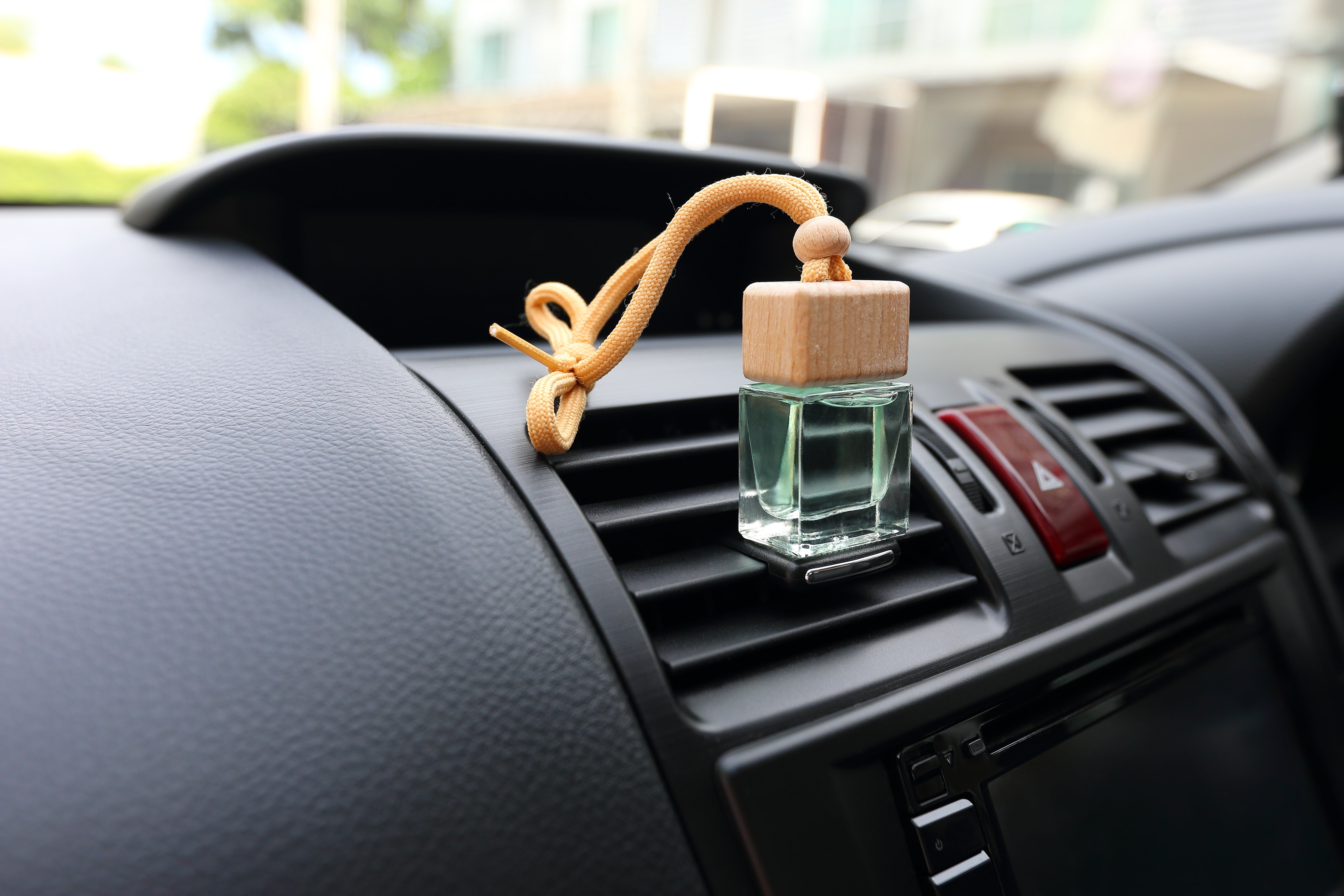
Image Source: carcologne.co.uk
How Long Do Air Fresheners Last? Real Duration Explained
The air freshener duration can vary significantly, but generally, most air fresheners aim to provide a noticeable scent for anywhere from a few hours to several weeks, depending heavily on their type, formulation, and the environment they are placed in.
Factors Influencing Scent Longevity
Ever wonder why that delightful aroma from your new air freshener fades faster than you’d like? The scent longevity of any air freshener is a complex interplay of several factors. It’s not just about the initial burst of fragrance; it’s about how long that fragrance persists and how effectively it masks or replaces unwanted odors. Understanding these elements can help you choose the best product for your needs and manage your expectations regarding air freshener lifespan.
1. Type of Air Freshener
The most significant determinant of how long an air freshener lasts is its type. Different delivery mechanisms release fragrance at different rates and over varying timescales.
Aerosol Air Fresheners: These are typically designed for a quick burst of fragrance. How long do aerosol air fresheners last? Their effect is often immediate but short-lived, usually lasting from a few minutes to a couple of hours per spray. They are great for instant odor elimination but not for continuous fragrance. The active ingredients are dispersed rapidly in a mist, meaning the fragrance is also released quickly.
Plug-in Air Fresheners: These are designed for continuous diffusion. How long does plug-in air freshener last? A single refill cartridge for a plug-in unit can typically last anywhere from 30 to 60 days, depending on the intensity setting. They work by gently heating a scented oil, which then evaporates into the air. The perfume diffusion time is controlled by the device and the oil’s composition.
Reed Diffusers: These rely on capillary action to draw fragrance oil up porous reeds, which then release the scent into the air. How long do reed diffusers last? A standard reed diffuser can provide fragrance for 1 to 3 months. The scent throw time depends on the quality and viscosity of the oil, the number of reeds used, and the room’s airflow.
Gel Air Fresheners: These consist of a gel matrix that slowly releases fragrance as the gel evaporates. How long do gel air fresheners last? Their freshness duration is typically between 30 and 45 days, though this can be shorter in warmer or drier environments.
Sprays and Mists (Manual): Similar to aerosols, these offer a temporary scent boost. Their air freshener effectiveness period is usually measured in minutes to a few hours.
Scented Candles: The burn time of a scented candle varies greatly by size and wax composition, but a medium-sized candle might offer 30-50 hours of fragrance.
2. Fragrance Concentration and Formulation
The strength and type of fragrance oils used play a crucial role in scent longevity.
- Concentration of Fragrance Oils: Higher concentrations of fragrance oils generally lead to a longer-lasting scent. However, very high concentrations can sometimes be overpowering.
- Type of Fragrance Notes:
- Top Notes: These are the first scents you perceive, often light and volatile (e.g., citrus, mint). They dissipate quickly, usually within minutes to an hour.
- Middle Notes (Heart Notes): These emerge after the top notes fade and form the main body of the fragrance (e.g., floral, spicy). They can last for a few hours.
- Base Notes: These are the deepest, richest scents that linger the longest (e.g., woody, musky, vanilla). They can last for many hours, sometimes even days, and are key to scent longevity. Air fresheners that use a good blend of middle and base notes tend to have a longer-lasting impact.
- Carrier Medium: The substance that holds and releases the fragrance impacts diffusion rate. Oils evaporate slower than alcohol-based sprays, and gels release scent as the matrix breaks down.
3. Environmental Factors
The conditions in which you use your air freshener can significantly alter its air freshener duration.
- Airflow and Ventilation: Rooms with good airflow and frequent ventilation will disperse fragrance more quickly, potentially reducing scent longevity. Conversely, enclosed spaces with little airflow can trap the scent for longer periods. This is particularly relevant for plug-ins and reed diffusers.
- Temperature: Higher temperatures can accelerate the evaporation of fragrance oils and other volatile compounds, leading to a shorter freshness duration. In very warm rooms, a plug-in might deplete faster, or a reed diffuser’s oil might evaporate quicker.
- Humidity: Humidity levels can also influence how scents are perceived and how they dissipate. High humidity might make scents seem stronger initially but could also affect the rate of evaporation.
- Room Size: A larger room will require more fragrance to achieve the same scent intensity as a smaller room. This means an air freshener might seem to “run out” faster in a large open-plan space compared to a small bathroom, even if the air freshener effectiveness period is technically the same.
4. Usage and Intensity Settings
How you use an air freshener directly impacts its lifespan.
- Intensity Settings (for plug-ins): Most plug-in air fresheners allow you to adjust the fragrance intensity. Higher settings will release more fragrance more quickly, reducing the air freshener duration of the refill. Lower settings will make the scent last longer.
- Frequency of Use (for aerosols/sprays): The more often you spray an aerosol or manual mist, the faster you will use it up.
- Number of Reeds (for reed diffusers): Using more reeds in a diffuser increases the surface area for evaporation, leading to a stronger scent but a shorter air freshener lifespan.
Detailing Different Air Freshener Types and Their Timelines
Let’s delve deeper into the typical lifespans of common air freshener types, providing a clearer picture of their perfume diffusion time and overall air freshener effectiveness period.
How Long Does Plug-in Air Freshener Last?
Plug-in air fresheners are a popular choice for continuous scent. Their longevity is generally excellent, but it’s not indefinite.
- Refill Cartridge Lifespan: Most standard plug-in refills are designed to last between 30 to 60 days. This estimate is based on continuous operation at a medium intensity setting in an average-sized room.
- Factors Affecting Plug-in Duration:
- Intensity Setting: This is the primary variable. Setting the device to its highest fragrance output will deplete the oil much faster than a low setting. Some devices have 3-5 intensity levels.
- Room Size and Airflow: Larger rooms or those with significant air circulation (e.g., near an open window or vent) can cause the fragrance to dissipate more rapidly, potentially shortening the effective freshness duration.
- Temperature: Warmer rooms encourage faster evaporation of the scented oil.
- Quality of the Refill: Higher-quality refills with more concentrated fragrance oils might offer a more consistent scent for longer, but they can also deplete faster if the concentration is extremely high.
- When to Replace: You’ll know a plug-in refill needs replacing when the scent becomes very faint or unnoticeable, or when the liquid level in the reservoir is visibly low.
How Long Do Reed Diffusers Last?
Reed diffusers offer a more natural and consistent scent release. Their lifespan can be quite satisfying.
- Typical Lifespan: A standard 3-5 oz reed diffuser typically lasts between 1 to 3 months.
- Factors Affecting Reed Diffuser Duration:
- Oil Viscosity and Quality: Thicker oils tend to evaporate more slowly, leading to longer scent longevity. High-quality fragrance oils also tend to have a more robust and lasting aroma.
- Number of Reeds: More reeds mean a larger surface area for the oil to travel up and evaporate, resulting in a stronger scent but a shorter lifespan. Typically, 5-8 reeds are used.
- Reed Quality: The porosity of the reeds is crucial. High-quality rattan reeds are best as they wick the oil efficiently.
- Room Environment: Similar to plug-ins, high temperatures, low humidity, and strong airflow can accelerate evaporation and shorten the air freshener duration.
- Flipping the Reeds: Flipping the reeds every few days or once a week can refresh the scent, but it will also use up the oil slightly faster. This can be a trade-off between intensity and longevity.
- Signs of Depletion: The scent will gradually weaken. The oil level in the bottle will decrease. Sometimes, the reeds themselves can become clogged with dust or saturated, reducing their wicking ability.
How Long Do Aerosol Air Fresheners Last?
Aerosol air fresheners are the quick-fix option. Their air freshener effectiveness period is the shortest.
- Per Use Duration: A single spray typically provides a noticeable scent for 15 minutes to 2 hours.
- Can Lifespan: This depends entirely on usage. A standard 10 oz can might offer dozens of sprays. If used sporadically, a can could last for months. If used multiple times a day, it might only last a few weeks.
- Mechanism: Aerosols work by dispersing a fine mist containing fragrance oils and propellants. The propellant evaporates very quickly, carrying the fragrance with it, leading to rapid scent release and dissipation.
- Best Use Case: Ideal for immediate odor control, such as after cooking or in a bathroom. They are not designed for continuous ambient scent.
Other Air Freshener Types
- Gel Air Fresheners:
- Duration: Typically 30-45 days.
- Factors: Temperature and humidity are key. Warmer conditions speed up evaporation.
- Automatic Sprays (timed units):
- Duration: The refill cans often last 30-60 days, depending on the spray interval setting (e.g., every 9, 18, or 36 minutes).
- Factors: The frequency of sprays is the main determinant.
- Scented Sachets/Potpourri:
- Duration: The scent can last from a few weeks to a few months.
- Factors: The quality of the dried botanicals and essential oils, and how they are stored when not in use. Shaking the sachet can sometimes reactivate the scent.
Enhancing Your Air Freshener’s Lifespan
While some factors are beyond your control, there are ways to maximize the freshness duration and scent longevity of your chosen air fresheners.
For Plug-ins:
- Utilize Lower Intensity Settings: If you don’t need a strong fragrance, opt for a lower setting. This will significantly extend the life of your refill.
- Strategic Placement: Avoid placing plug-ins directly in front of air vents or fans, as this will disperse the fragrance too quickly. Place them in areas where there is gentle air circulation.
- Control Room Temperature: If possible, maintain a moderate room temperature. Extreme heat will accelerate oil evaporation.
- Rotate Scents: If you use multiple plug-ins, rotate them to avoid scent fatigue and to allow the current scent to last longer.
For Reed Diffusers:
- Start with Fewer Reeds: Begin with the recommended number of reeds (often 5-6). If the scent isn’t strong enough, add one or two more, rather than starting with a full complement.
- Flip Reeds Less Frequently: While flipping refreshes the scent, doing it too often will shorten the lifespan. Try flipping them once a week or even every two weeks.
- Choose a Good Location: Place diffusers in areas with gentle air movement, not directly in the path of strong drafts. Avoid direct sunlight or heat sources.
- Invest in Quality: Higher-quality oils and reeds generally offer better scent longevity.
For Aerosols and Sprays:
- Use Sparingly: Reserve sprays for when you truly need an instant scent boost rather than for continuous background fragrance.
- Targeted Application: Spray into the center of the room or towards fabric surfaces (test for colorfastness first) where scent can linger.
Why Do Scents Fade? The Science Behind It
The fading of scent is a natural process driven by evaporation and molecular interaction.
- Evaporation: Fragrance oils are volatile organic compounds. When exposed to air, these molecules transition from liquid to gas and disperse into the atmosphere. The rate of evaporation depends on the volatility of the individual fragrance components (top notes evaporate fastest, base notes slowest) and environmental factors like temperature and airflow. This process is fundamental to perfume diffusion time.
- Scent Saturation: Over time, the air in a room can become saturated with a particular scent. This means your nose becomes accustomed to it, and you perceive the scent as weaker, even if it’s still present. This phenomenon, known as olfactory adaptation or scent fatigue, contributes to the feeling that an air freshener has stopped working, even if it’s still releasing fragrance.
- Chemical Reactions: Some fragrance components can degrade over time due to oxidation or exposure to light, which can alter the scent profile and reduce its intensity.
Measuring Air Freshener Effectiveness: Beyond Duration
While how long air fresheners last is a primary concern, air freshener effectiveness period also involves how well they perform their primary function: to neutralize or mask odors and to provide a pleasant aroma.
- Odor Neutralization: Some air fresheners contain active ingredients designed to chemically neutralize odor molecules rather than just masking them. The effectiveness of these neutralizers can also diminish over time as they react with odor particles.
- Scent Throw: This refers to how well the fragrance disperses into the room. A strong scent throw means the fragrance reaches all corners of the space. Even if a fragrance has good scent longevity, a poor scent throw might make it seem less effective.
- Consistency: An ideal air freshener provides a consistent level of fragrance without overwhelming bursts or complete fading. Some types, like reed diffusers and well-regulated plug-ins, excel at this.
Common Questions About Air Freshener Lifespan
FAQ:
Q: My plug-in air freshener seems to be running out very quickly. Why?
A: This is often due to using the highest intensity setting, placing it in a large or very warm room, or having significant airflow around it. Try a lower setting or a different location.
Q: Can I make my reed diffuser last longer?
A: Yes, by using fewer reeds, flipping them less often, and placing the diffuser in a cooler spot with less direct airflow.
Q: How often should I replace my automatic spray refill?
A: This depends on the spray interval you select. If set to spray every 9 minutes, it will deplete faster than if set to spray every 36 minutes. Check the product packaging for estimated lifespan based on settings.
Q: Do essential oils in air fresheners last longer than synthetic fragrances?
A: It depends on the specific essential oil and its volatility. Some essential oils, like citrus, are very volatile and have shorter scent longevity, while others, like sandalwood or patchouli (base notes), can linger for much longer. Synthetic fragrances can be formulated to mimic these long-lasting base notes.
Q: My air freshener stopped smelling, but there’s still liquid left. What happened?
A: This could be due to olfactory fatigue – your nose has become accustomed to the scent. Try leaving the room for a while and then returning, or switch to a different scent temporarily. For plug-ins, the heating element might also be malfunctioning. For reed diffusers, the reeds might be clogged.
Conclusion: Managing Expectations for Lasting Freshness
Determining “how long do air fresheners last” is less about a single answer and more about understanding the variables. The air freshener duration for a spray is minutes, while a plug-in refill can offer weeks, and a reed diffuser months. By considering the type of air freshener, its formulation, the environment, and your usage habits, you can better predict and manage your scent longevity and enjoy a consistently fresher-smelling home. The goal is to find a balance between a noticeable fragrance and a satisfactory air freshener lifespan.

My name is Carlos Gadd, and I am the creator of AirPurityGuide.com.. With a passion for footwear, I share my experiences, insights, and expertise about shoes. Through my blog, I aim to guide readers in making informed decisions, finding the perfect pair, and enhancing their footwear knowledge. Join me on this journey to explore everything about shoes!