
In Arizona, the average AC lifespan is between 12 to 15 years, but this can vary significantly based on several factors. How long will your air conditioner last in Arizona? This is a question many homeowners grapple with, especially given the state’s extreme climate. The truth about AC lifespan in Arizona is that while the standard range is 12-15 years, many units can experience a shortened lifespan due to the demanding conditions. Let’s dive into what influences your air conditioner’s longevity in the Grand Canyon State.
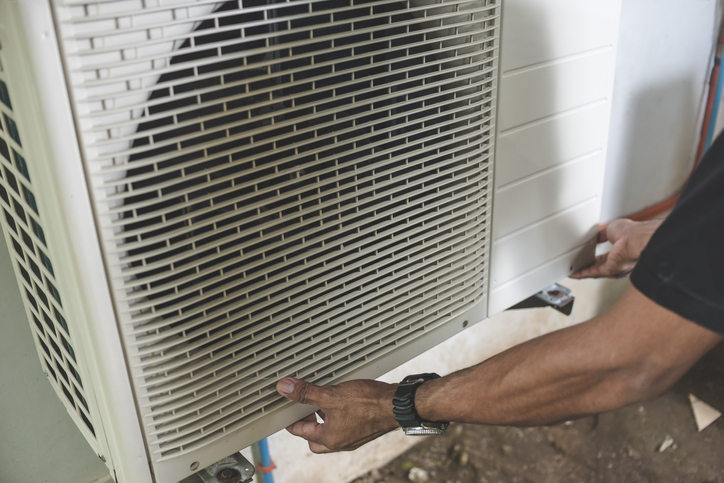
Image Source: mcmillinair.com
Deciphering Arizona AC Lifespan
Arizona’s unique environment presents significant challenges for air conditioning systems. The unrelenting heat, sand, and dry air all play a role in how long your HVAC unit will effectively keep you cool.
The Impact of Climate on AC Performance
The primary driver of AC lifespan in Arizona is, without a doubt, the climate.
Extreme Heat AC Issues
Arizona is synonymous with extreme heat. During the summer months, temperatures regularly soar above 100°F, and sometimes even 110°F. This prolonged, intense heat forces air conditioners to work harder and longer than they would in milder climates.
- Constant Operation: AC units in Arizona are often running for 10-12 hours or more per day during the peak summer season. This continuous strain on components like the compressor, fan motor, and coils accelerates wear and tear.
- Overheating: When an AC unit is overworked, its internal components can overheat. This can lead to premature failure of vital parts, reducing the overall air conditioner service life.
- Increased Energy Consumption: While not directly related to lifespan, the higher energy consumption in extreme heat is an indicator of the system’s struggle.
Desert AC Wear
The desert environment itself contributes to the wear and tear on your air conditioner.
- Dust and Sand: Arizona’s dry, arid climate means dust and sand are prevalent. These particles can infiltrate the system through the outdoor condenser unit. If not regularly cleaned, dust buildup can:
- Clog the condenser fins, reducing their ability to dissipate heat.
- Enter the fan motor, causing friction and eventual failure.
- Accumulate in the ductwork, affecting airflow and efficiency.
- Low Humidity: While the low humidity is comfortable for humans, it can affect the AC unit’s refrigeration cycle. Condensation is a natural byproduct of AC operation, which helps with dehumidification. In very dry air, the system might operate differently, potentially leading to specific types of wear.
HVAC Longevity Arizona: What’s the Baseline?
When we talk about HVAC longevity in Arizona, we’re generally referring to the typical lifespan of a residential central air conditioning system. For units installed and maintained correctly, this falls within the 12 to 15-year range. However, this is a broad estimate, and many factors can push this number higher or lower. The average AC age Arizona residents might expect for a well-functioning unit typically aligns with this timeframe.
Factors Affecting AC Durability Arizona
Beyond the climate, several other variables significantly influence how long your air conditioner will last.
1. Quality of the Unit
Not all air conditioners are created equal. The brand, model, and build quality of your AC unit play a crucial role.
- Brand Reputation: Some manufacturers are known for producing more robust and durable units. Researching brands and their warranties can provide insights into expected longevity.
- SEER Rating: Higher SEER (Seasonal Energy Efficiency Ratio) ratings generally indicate more efficient and often better-engineered components. While efficiency is the primary benefit, it can sometimes correlate with better build quality.
- Installation Quality: Even the best unit can fail prematurely if installed incorrectly. Poor installation can lead to issues like improper refrigerant charge, ductwork leaks, or incorrect electrical connections, all of which stress the system.
2. Proper AC Maintenance Arizona Lifespan
This is perhaps the most critical factor within your control. Regular, professional AC maintenance is paramount to maximizing your air conditioner service life.
Regular Tune-Ups
- Frequency: It’s recommended to have your AC unit professionally serviced at least once a year, ideally in the spring before the intense cooling season begins.
- What’s Included: A typical tune-up involves:
- Cleaning condenser and evaporator coils.
- Checking refrigerant levels and for leaks.
- Inspecting electrical connections.
- Lubricating moving parts.
- Checking thermostat operation.
- Cleaning or replacing air filters (this is also a crucial DIY task).
- Inspecting the condensate drain line for blockages.
DIY Maintenance Tasks
Homeowners can also contribute to AC longevity through simple, regular tasks:
- Changing Air Filters: This is the single most important DIY task. Dirty filters restrict airflow, making the system work harder and potentially causing coils to freeze. Filters should be checked monthly and replaced every 1-3 months, depending on the filter type and household conditions (pets, allergies).
- Keeping the Outdoor Unit Clear: Ensure the area around the outdoor condenser unit is clear of debris, vegetation, and any obstructions that could block airflow. Trim back bushes and plants at least two feet from the unit.
- Checking the Condensate Drain Line: Ensure it’s not clogged. Algae and debris can build up, causing water to back up and potentially damage the unit or cause water damage in your home.
3. Usage Habits
How you use your air conditioner also impacts its lifespan.
- Thermostat Settings: Constantly adjusting the thermostat to very low temperatures and then back up can cause more frequent cycling of the unit, leading to increased wear. Setting a consistent, comfortable temperature and allowing the unit to maintain it is generally better for its longevity.
- Pre-Cooling: If you have a programmable thermostat, pre-cooling your home before you arrive can be more efficient than blasting the AC when you get home.
- Zoning: If your home has multiple zones, using them effectively can prevent the AC from overworking to cool unoccupied areas.
4. Installation Quality
As mentioned earlier, proper installation is non-negotiable for maximizing AC lifespan.
- Sizing: An improperly sized unit (too large or too small) will not operate efficiently and can lead to premature wear.
- Oversized Units: Short-cycle (turn on and off frequently), which doesn’t allow them to effectively dehumidify the air and can put undue stress on the compressor.
- Undersized Units: Struggle to keep up with the cooling demand, running constantly and leading to accelerated wear.
- Refrigerant Charge: An incorrect refrigerant charge (too much or too little) significantly impacts efficiency and can damage the compressor.
- Ductwork: Leaky or poorly insulated ductwork forces the AC to work harder to achieve the desired temperature.
5. Environmental Factors
While we’ve discussed climate, other environmental factors also come into play.
- Location of the Outdoor Unit: An outdoor unit placed in direct, harsh sunlight without any shade will operate at a higher internal temperature, potentially reducing efficiency and lifespan. Similarly, placing it in a location with poor airflow will hinder its ability to dissipate heat.
- Air Quality: Beyond dust, other pollutants in the air can contribute to coil corrosion or internal system damage over time.
Common AC Problems in Arizona and Their Impact on Lifespan
The harsh Arizona environment can exacerbate common AC issues, leading to a shorter air conditioner service life.
Coil Issues
- Dirty Condenser Coils: In Arizona’s dusty environment, condenser coils can quickly become coated in dirt and debris. This insulation prevents the coils from releasing heat effectively, forcing the compressor to work harder and hotter. If left uncleaned, this can lead to compressor failure.
- Dirty Evaporator Coils: Located inside your home, these coils can also get dirty, restricting airflow and reducing cooling efficiency. This can lead to uneven cooling and increased energy bills.
- Corrosion: Coastal areas are known for salt corrosion, but in desert climates, specific minerals or pollutants in the air might contribute to coil degradation over extended periods.
Compressor Strain
The compressor is the heart of your air conditioner. In Arizona’s extreme heat, it’s under immense pressure.
- Overheating: As mentioned, constant operation in high temperatures can lead to overheating, damaging the internal components of the compressor.
- Electrical Issues: Voltage fluctuations or problems with electrical connections can stress the compressor.
- Lack of Lubrication: If the system’s oil, which lubricates the compressor, becomes contaminated or is at improper levels due to leaks, it can lead to catastrophic failure.
Refrigerant Leaks
Refrigerant is essential for the cooling process. Leaks reduce efficiency and can damage the compressor.
- Detection: Regular maintenance should include checking for refrigerant leaks. Signs of a leak include:
- Ice forming on the coils.
- Weak airflow or reduced cooling.
- Hissing sounds from the unit.
- Consequences: If a refrigerant leak is not addressed, the compressor may continue to run without effectively cooling, leading to overheating and eventual burnout.
Fan Motor Issues
The fan motor (both indoor and outdoor) is crucial for circulating air.
- Dust Buildup: Dust and debris can accumulate on fan blades and motor bearings, causing imbalance, strain, and eventual motor failure.
- Bearing Wear: Over time, the bearings in the fan motor can wear out, leading to noise and eventually a seized motor.
Extending Your AC’s Lifespan in Arizona
Given the challenges, how can you ensure your AC unit provides reliable service for as long as possible? Proactive measures are key.
Prioritizing AC Maintenance Arizona Lifespan
- Annual Professional Inspections: Don’t skip your annual tune-ups. These are an investment that can prevent costly repairs and extend the life of your unit.
- Filter Replacement Schedule: Stick to a regular filter replacement schedule. It’s a small effort with a significant impact.
- Keep it Clean: Regularly clear debris from the outdoor unit and ensure good airflow.
Smart Usage Strategies
- Consistent Thermostat Settings: Avoid drastic temperature changes. Use a programmable or smart thermostat to maintain a more consistent temperature.
- Limit Unnecessary Operation: Turn off the AC in rooms that are not in use, if possible, or use ceiling fans to supplement cooling and allow you to set the thermostat a few degrees higher.
- Consider Whole-House Fans or Evaporative Coolers: In certain conditions, these can supplement or partially replace the need for the central AC, reducing its workload.
Investing in Quality
- Choose Reputable Brands and Installers: When it’s time for an AC unit replacement Arizona homeowners should research brands and choose certified, experienced HVAC contractors for installation. A good installer can make a world of difference.
- Correct Sizing: Ensure the contractor performs a proper load calculation (Manual J) to determine the correct size of the AC unit for your home.
When is AC Unit Replacement Arizona the Best Option?
Knowing when to repair versus replace is crucial. Several signs indicate it might be time for an AC unit replacement Arizona residents should be aware of:
Signs Your AC Needs Replacement
- Age: If your AC unit is approaching or exceeding its expected lifespan (12-15 years), especially if it’s been showing signs of wear and tear.
- Frequent Repairs: Consistently needing repairs, especially for major components like the compressor or fan motor, can be more expensive in the long run than a new unit. The cost of repairs approaching 50% of the cost of a new unit is often a good indicator to consider replacement.
- Decreased Efficiency and Increased Energy Bills: If your AC isn’t cooling as effectively as it used to, and your energy bills are climbing despite regular maintenance, the system may be too worn out to be efficient.
- Strange Noises or Smells: Loud banging, grinding, or strange smells emanating from the unit can indicate serious internal problems.
- R-22 Refrigerant: If your unit uses R-22 refrigerant (Freon), which is being phased out due to environmental concerns, you may face increasing costs for refrigerant if repairs are needed. It often makes more sense to upgrade to a unit with newer, environmentally friendly refrigerant.
Considering the Investment
While AC unit replacement Arizona is a significant investment, the benefits of a new, efficient unit can include:
- Lower Energy Bills: Modern AC units are significantly more energy-efficient.
- Improved Comfort: Better cooling performance and humidity control.
- Increased Reliability: Reduced risk of breakdowns and costly emergency repairs.
- Enhanced Air Quality: New systems often come with better filtration capabilities.
- Newer Technology: Smart thermostat compatibility and advanced features.
Conclusion: Maximizing Your Arizona AC Investment
The lifespan of an air conditioner in Arizona is a complex interplay of climate, maintenance, usage, and the unit’s inherent quality. While the desert heat and dust create a demanding environment, diligent AC maintenance Arizona residents can perform, coupled with professional servicing, can significantly extend the operational life of your system.
By understanding the factors that affect HVAC longevity in Arizona and taking proactive steps to care for your unit, you can enjoy reliable cooling for years to come and postpone the inevitable AC unit replacement Arizona homeowners will eventually face. Prioritize regular tune-ups, change those filters, and be mindful of your usage habits to get the most out of your air conditioning system in the Valley of the Sun.
Frequently Asked Questions (FAQ)
Q1: What is the average lifespan of an AC unit in Arizona?
A1: The average AC lifespan in Arizona is typically between 12 to 15 years. However, this can vary based on maintenance, usage, and the specific unit.
Q2: How often should I get my AC serviced in Arizona?
A2: It’s recommended to have your AC professionally serviced at least once a year, ideally in the spring before the peak cooling season begins.
Q3: Can extreme heat shorten my AC’s lifespan?
A3: Yes, extreme heat forces AC units to work harder and longer, which can accelerate wear and tear on components, potentially shortening their lifespan.
Q4: What are the most common AC problems in Arizona due to the climate?
A4: Common problems include dirty condenser coils due to dust, compressor strain from constant operation, and increased wear on fan motors.
Q5: Is it better to repair or replace my old AC unit in Arizona?
A5: If your unit is old (12+ years), requires frequent costly repairs, or is significantly less efficient, replacement is often the more cost-effective long-term solution.
Q6: What DIY maintenance can I do to help my AC last longer?
A6: The most important DIY task is regularly changing your air filters. Also, keep the outdoor unit clear of debris and ensure good airflow around it.
Q7: Does the brand of my AC unit affect its lifespan in Arizona?
A7: Yes, some brands are known for producing more durable units, and the quality of components used can impact overall longevity.
Q8: How does proper installation impact AC longevity in Arizona?
A8: Correct sizing, proper refrigerant charge, and secure electrical connections during installation are crucial for ensuring the unit operates efficiently and avoids premature wear.
Q9: What should I look for when getting an AC unit replacement in Arizona?
A9: Consider energy efficiency (SEER rating), brand reputation, warranty, and ensure the contractor performs a proper load calculation for correct sizing.
Q10: Can I do anything to protect my AC’s outdoor unit from the Arizona sun?
A10: While you can’t eliminate the sun, ensuring good airflow around the unit and keeping it clean can help it operate more efficiently and reduce some stress caused by high ambient temperatures. Avoid placing it in direct sunlight if you have a choice in placement.

My name is Carlos Gadd, and I am the creator of AirPurityGuide.com.. With a passion for footwear, I share my experiences, insights, and expertise about shoes. Through my blog, I aim to guide readers in making informed decisions, finding the perfect pair, and enhancing their footwear knowledge. Join me on this journey to explore everything about shoes!