
Does high humidity make my air conditioner work harder? Yes, high humidity forces your air conditioner to work harder. This is because AC units don’t just cool the air; they also remove moisture from it. When the air is more humid, it contains more water vapor, which the AC must condense and remove before it can effectively lower the air temperature. This extra task of dehumidification directly impacts its performance and how well it cools your home.
Air conditioners are marvels of modern engineering, designed to keep us cool and comfortable, especially during hot weather. We often focus on the thermostat setting and the perceived temperature, but a crucial factor often overlooked is the moisture levels in the air, commonly known as relative humidity. This invisible element plays a significant role in how efficiently our air conditioners operate and how comfortable we feel indoors. High humidity doesn’t just make the air feel sticky; it actively hinders your AC’s ability to cool your space effectively, leading to a host of issues that can affect everything from your comfort to your energy bills.
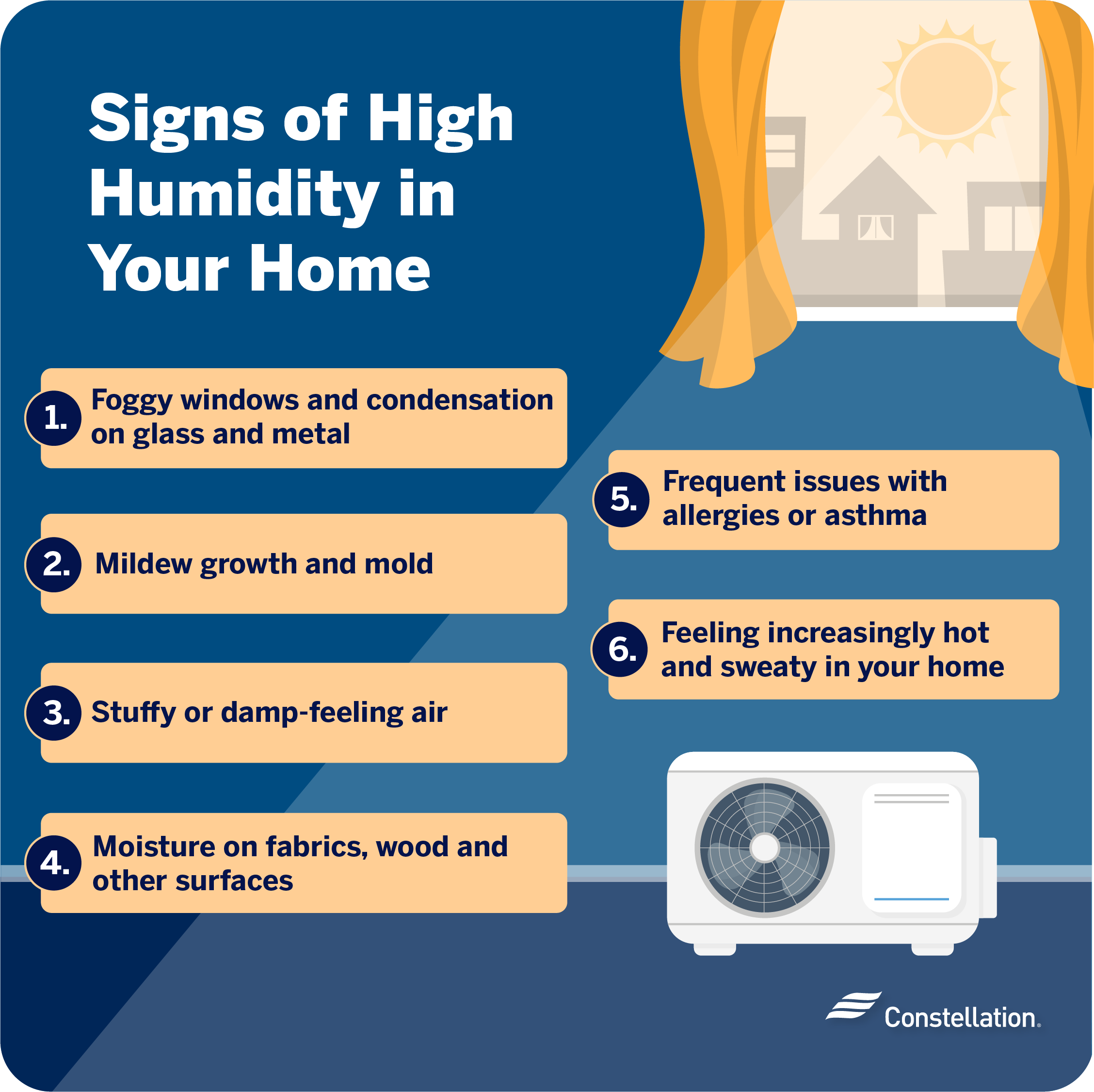
Image Source: blog.constellation.com
The Science of Cooling and Dehumidification
Your air conditioner works through a cycle of evaporation and condensation. It uses a refrigerant to absorb heat from your indoor air. As the warm, humid air passes over the cold evaporator coils inside your AC unit, two things happen simultaneously:
- Cooling: The coils absorb heat from the air, lowering its temperature.
- Dehumidification: As the air cools, it reaches its dew point. This is the temperature at which the air can no longer hold all of its water vapor. The excess moisture then condenses on the cold evaporator coils, forming water droplets. This water is then drained away, typically outside your home or into a condensate drain.
This dual action is essential for both cooling and comfort. Dry air feels cooler than humid air at the same temperature because it allows for more efficient evaporation of sweat from your skin. This is why a high humidity day feels much hotter and more oppressive than a dry day with the same air temperature.
How Moisture Levels Impact the Cooling Process
When relative humidity is high, the air is laden with water vapor. This means that the air passing over your AC’s evaporator coils contains a greater amount of moisture that needs to be removed. The AC unit must expend extra energy and time to condense this excess water.
Imagine your AC is like a sponge. A dry sponge can soak up a lot of water. A wet sponge, however, can’t absorb much more. Similarly, when the air is already saturated with moisture, the AC has to work much harder to pull that moisture out before it can effectively cool the air.
This increased workload has several consequences for your air conditioning system:
- Reduced Cooling Efficiency: The primary function of your AC is to lower the air temperature. When it’s busy removing a significant amount of moisture, it has less capacity to cool the air. This means it might run for longer periods to achieve the desired temperature, or it might struggle to reach it at all. This directly affects the cooling efficiency of your unit.
- Increased Energy Consumption: Every function your AC performs requires energy. The extra effort needed for dehumidification means the compressor and fan will run longer and more often, consuming more electricity. This translates directly into higher energy bills.
- Strain on Components: Constantly running at a higher capacity puts extra strain on the AC’s components, such as the compressor. Over time, this can lead to premature wear and tear, potentially shortening the lifespan of your unit and increasing the likelihood of costly repairs.
The Role of Condensation and Indoor Air Quality
The condensation process within your AC is critical for both cooling and maintaining a healthy indoor environment. When humidity levels are high, the amount of condensation on the evaporator coils increases. While this is a normal part of the process, excessive moisture can lead to issues if not managed properly.
If the condensate drain system is not functioning optimally, or if the AC runs for very short cycles, the accumulated moisture might not be adequately removed. This can create a breeding ground for mold, mildew, and bacteria on the coils and in the drain pan. These microorganisms can then be circulated throughout your home, negatively impacting your indoor air quality and potentially causing respiratory issues or allergic reactions.
Furthermore, if the AC is constantly fighting high humidity, it might not be able to achieve the target temperature before cycling off. This can lead to a situation where the air feels cool but still unpleasantly clammy, leaving you feeling uncomfortable. This diminished comfort is often reflected in the comfort index, which takes into account both temperature and humidity.
How AC Units Handle Humidity
Air conditioning systems are designed with dehumidification as a secondary, but vital, function. However, their primary purpose is to cool. When humidity levels are very high, the system’s ability to effectively lower the temperature can be compromised.
Standard AC Operation and Dehumidification
In a typical cooling cycle, your AC unit will naturally dehumidify the air as it cools. The amount of moisture removed depends on several factors, including:
- The difference between the indoor air temperature and the dew point.
- The airflow rate across the evaporator coils.
- The length of the cooling cycle.
Longer cooling cycles allow more time for heat and moisture to be removed from the air.
Variable-Speed and Two-Stage Air Conditioners
Some modern AC systems are designed to handle humidity more effectively.
- Two-Stage Air Conditioners: These units have two operating speeds (low and high). In milder conditions or when humidity is the primary concern, they can run on the lower, more efficient stage. This allows the AC to run for longer periods at a lower capacity, which promotes more thorough dehumidification without overcooling the space.
- Variable-Speed (Inverter) Air Conditioners: These are the most advanced. They can adjust their cooling output in very small increments, precisely matching the demand. This allows them to run continuously at very low speeds, providing consistent temperature regulation and exceptional dehumidification. This continuous operation is key to keeping moisture levels in check.
The Impact on Air Circulation
Adequate air circulation is essential for efficient AC performance. When humidity is high, and the AC is struggling to cool, poor air circulation can exacerbate the problem. Stagnant air allows heat and moisture to build up in different areas of your home. Your AC can only cool the air that passes over its coils. If the cooled, dehumidified air isn’t effectively distributed throughout your house, you’ll experience uneven temperatures and continued discomfort, even if the AC itself is running.
Factors That Exacerbate Humidity’s Effect
Several external and internal factors can worsen the impact of high humidity on your AC’s performance:
External Factors
- High Outdoor Temperatures: When the outside temperature is very high, your AC must work harder to remove heat from your home, regardless of humidity. High outdoor humidity, combined with high temperatures, creates a double burden.
- Sunlight and Heat Gain: Direct sunlight entering your home through windows or heat absorbed by walls and roofs increases the internal temperature, forcing the AC to work more.
- Poor Insulation and Air Sealing: Gaps in your home’s envelope allow hot, humid outdoor air to infiltrate, increasing the load on your AC.
Internal Factors
- Activities Within the Home: Cooking, showering, doing laundry, and even breathing release moisture into the air. Homes with more occupants or frequent activities that generate steam will have higher indoor humidity.
- Poor Ventilation: Inadequate ventilation means moist indoor air isn’t expelled efficiently. This is particularly true in modern, tightly sealed homes if they lack proper ventilation systems.
- Leaky Ducts: Leaky ductwork can draw in unconditioned, humid air from attics or crawl spaces, further increasing indoor humidity and reducing the amount of cooled air reaching your rooms.
- Undersized or Oversized AC Units:
- An undersized AC unit will struggle to cool your home adequately, especially on hot, humid days. It will run constantly but never catch up, leading to high humidity and poor temperature regulation.
- An oversized AC unit might cool your home too quickly. This short-cycling means it doesn’t run long enough to effectively remove moisture, leaving the air feeling cool but damp. This is counterproductive for both comfort and dehumidification.
Signs Your AC is Struggling with Humidity
You might notice several signs that your air conditioner is having trouble with high moisture levels:
- The air feels cool but still sticky or clammy. This is a classic sign of high indoor humidity.
- Your AC runs constantly but doesn’t seem to cool effectively. The unit is working, but its ability to lower the temperature is hampered by the need for dehumidification.
- Visible condensation on windows, pipes, or walls. While some minor condensation can occur, excessive condensation often indicates high indoor humidity or a malfunctioning AC.
- Musty or damp odors. These can be indicators of mold or mildew growth, often fueled by excess moisture within the AC system or home.
- Increased energy bills without a corresponding increase in usage. Your AC is likely consuming more power to compensate for the humidity.
- The “comfort index” feels low, even when the temperature is set to a comfortable level. This is your body’s way of telling you that the high humidity is making you feel hotter and more uncomfortable.
Optimizing AC Performance in Humid Conditions
Fortunately, there are several strategies you can employ to help your air conditioner perform better and keep your home comfortable during humid periods.
Table: Strategies for Managing Humidity and AC Performance
| Strategy | How it Helps | Key Benefit |
|---|---|---|
| Regular Maintenance | Ensures coils are clean, refrigerant levels are correct, and fans are working efficiently, all crucial for cooling and dehumidification. | Maximizes existing cooling efficiency. |
| Proper Air Filter Use | Clean filters allow for better air circulation, enabling more air to pass over the coils for effective cooling and moisture removal. | Improves air circulation and AC capacity. |
| Seal Air Leaks | Prevents hot, humid outside air from entering your home, reducing the AC’s workload and improving temperature regulation. | Reduces energy consumption. |
| Check Ductwork | Sealing leaky ducts prevents the intake of humid air and ensures cooled air reaches intended areas. | Enhances cooling efficiency. |
| Use Ceiling Fans | Circulates air within the room, creating a wind-chill effect that makes you feel cooler and can allow you to set the thermostat higher. | Improves comfort index. |
| Manage Indoor Moisture | Use exhaust fans in kitchens and bathrooms, fix leaks, and avoid drying clothes indoors. | Reduces the need for AC dehumidification. |
| Consider a Whole-Home Dehumidifier | Specifically designed to remove excess moisture from the air, taking the burden off your AC. | Boosts cooling efficiency and comfort. |
| Smart Thermostat Use | Allows for precise temperature regulation and can sometimes be programmed for optimal humidity control. | Optimizes energy consumption. |
The Importance of Regular AC Maintenance
One of the most effective ways to ensure your AC can handle humidity is through regular professional maintenance. A qualified HVAC technician will:
- Clean Evaporator and Condenser Coils: Dirty coils can’t transfer heat or moisture effectively, significantly reducing cooling efficiency.
- Check Refrigerant Levels: Incorrect refrigerant levels can cause the AC to struggle with both cooling and dehumidification.
- Inspect and Clean Condensate Drain Lines: Clogged lines can lead to water backup, potentially causing damage and promoting mold growth.
- Ensure Proper Airflow: Check fan belts, motors, and ensure there are no obstructions limiting airflow, which is vital for air circulation and effective temperature regulation.
Maintaining Proper Airflow and Filters
Dirty air filters are a major culprit in reduced AC performance, especially in humid conditions. A clogged filter restricts airflow, meaning less air reaches the evaporator coils. This lessens the AC’s ability to both cool and dehumidify.
- Frequency: Check your air filter monthly and replace it when it appears dirty, or at least every 1-3 months, depending on the filter type and your home’s conditions.
- Filter Type: Consider using a higher MERV (Minimum Efficiency Reporting Value) rated filter, which can capture smaller particles and improve indoor air quality. However, ensure your AC system can handle the increased airflow resistance from a higher MERV filter.
Sealing Your Home Against Humidity
To help your AC manage moisture levels, it’s crucial to prevent humid outdoor air from entering your home.
- Weatherstripping and Caulking: Seal gaps around doors and windows.
- Attic and Wall Insulation: Proper insulation keeps heat out, reducing the cooling load.
- Air Sealing: Seal any cracks or holes in your home’s building envelope, especially those leading to the attic or crawl spaces.
Managing Internal Moisture Sources
Be mindful of activities that add moisture to your indoor air:
- Ventilation Fans: Always use exhaust fans in kitchens and bathrooms during and after cooking, showering, or bathing. Ensure these fans vent outside your home.
- Appliances: Avoid air-drying clothes indoors if possible.
- Plants: While plants are beneficial for indoor air quality, an excessive number can contribute to indoor humidity.
- Leaks: Promptly fix any plumbing leaks or water intrusion issues.
The Benefit of Supplemental Dehumidifiers
In particularly humid climates or for homes with persistent humidity problems, a whole-home or portable dehumidifier can be an excellent addition. A dedicated dehumidifier handles the bulk of the moisture removal, allowing your AC to focus more on cooling. This can lead to:
- Improved cooling efficiency.
- Lower energy consumption as the AC cycles less frequently or runs at a lower capacity.
- Enhanced comfort index by reducing that sticky, clammy feeling.
- Better indoor air quality by reducing the potential for mold and mildew growth.
When Humidity Trumps Cooling
On extremely humid days, your air conditioner might reach its dehumidification limit before it can significantly lower the air temperature. In such scenarios, the AC will continue to run, expending energy, but the perceived cooling effect will be minimal. This is because the air, while perhaps a few degrees cooler, remains saturated with moisture, preventing your body from efficiently releasing heat through evaporation.
The Comfort Paradox
It’s a common paradox: your AC might be blowing cool air, but your home still feels uncomfortably warm and sticky. This is the direct result of high humidity overwhelming the AC’s ability to provide effective cooling. The unit is working, but the moisture levels are dictating the overall comfort.
Frequently Asked Questions (FAQ)
Q1: Can high humidity damage my air conditioner?
While humidity itself doesn’t directly damage AC components, the increased workload and potential for moisture buildup can lead to issues. If condensation isn’t drained properly, it can cause corrosion or foster mold growth, which can degrade components over time. Also, the strain from constant operation can shorten the lifespan of parts like the compressor.
Q2: How can I tell if my AC is removing humidity effectively?
You should feel a noticeable difference in the “stickiness” of the air. If your home feels cool but still clammy, your AC may not be dehumidifying effectively. Also, a properly functioning AC will drain water outdoors or into a condensate line. If you don’t see any water being drained, it could indicate a clog or a problem with the dehumidification process.
Q3: Should I turn off my AC when it’s not very hot but very humid?
If the goal is comfort, and the humidity is making you uncomfortable, it might be better to run the AC at a slightly higher temperature (e.g., 75-77°F) or use a dedicated dehumidifier. Simply turning the AC off might lead to uncomfortably high humidity levels indoors. Some modern thermostats offer humidity control settings.
Q4: Does a fan help my AC when it’s humid?
Yes, ceiling fans or portable fans help by circulating air. This creates a wind-chill effect on your skin, making you feel cooler. It can allow you to set your thermostat a few degrees higher, reducing the overall workload on your AC, and indirectly aiding in managing the home’s thermal load. It doesn’t directly help the AC dehumidify, but it improves perceived comfort.
Q5: What is the ideal indoor humidity level?
The ideal indoor relative humidity level for comfort and health is generally between 40% and 50%. Levels above 60% can lead to discomfort and increase the risk of mold and mildew growth.
Conclusion
The intricate relationship between humidity and air conditioning performance is undeniable. High moisture levels force your AC to work harder at dehumidification, impacting its cooling efficiency, increasing energy consumption, and potentially straining its components. By implementing regular maintenance, ensuring proper air circulation, managing indoor moisture levels, and understanding the capabilities of your HVAC system, you can optimize your AC’s performance, improve your home’s comfort index, and maintain better indoor air quality, even when the humidity outside is soaring. Prioritizing these steps ensures your air conditioner is not just a cooler, but a more effective and efficient one.

My name is Carlos Gadd, and I am the creator of AirPurityGuide.com.. With a passion for footwear, I share my experiences, insights, and expertise about shoes. Through my blog, I aim to guide readers in making informed decisions, finding the perfect pair, and enhancing their footwear knowledge. Join me on this journey to explore everything about shoes!