
Air conditioners cool your home by removing heat from the air. During this AC cooling process, they also have a significant dehumidifying effect, meaning they remove moisture from the air. This process is key to making your home feel more comfortable, especially in warm, humid climates.
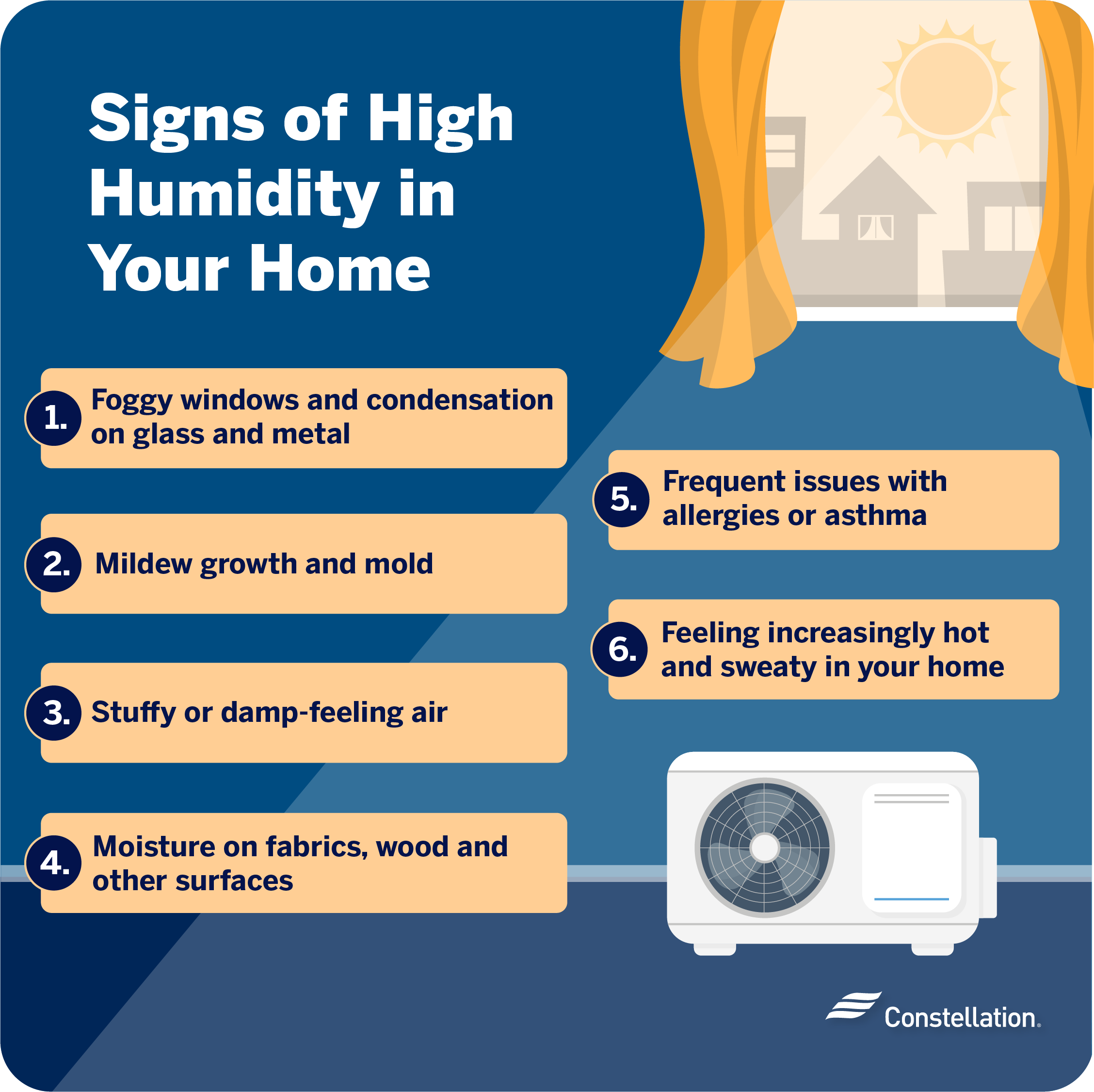
Image Source: blog.constellation.com
Deciphering the AC Cooling Mechanism and Moisture Removal
Air conditioning systems are designed to do more than just lower the temperature. They play a crucial role in managing the moisture content within your indoor environment, thereby impacting your overall comfort level. Let’s explore how this happens.
The Science Behind Air Conditioner Moisture Removal
The core of an air conditioner’s operation involves a refrigerant cycle. This cycle is where the magic of cooling and drying occurs. Here’s a breakdown of the main components and their roles:
- Evaporator Coil: This is the part of the AC system located inside your home. It’s a network of cold metal tubes.
- Refrigerant: A special fluid circulates through the evaporator coil.
- Fan: A fan pulls the warm air from your room across the cold evaporator coil.
As the warm, humid air from your home passes over the frigid evaporator coil, a few things happen simultaneously:
- Heat Transfer: The heat from the air is absorbed by the refrigerant circulating within the coil. This cools the air down.
- Condensation: Warm air holds more moisture than cold air. When the warm, humid air cools down rapidly on the evaporator coil, the water vapor in the air reaches its dew point. This causes the water vapor to condense into liquid water. Think of it like the water droplets that form on the outside of a cold glass on a humid day.
- Draining: This condensed water drips from the evaporator coil into a collection pan. From the collection pan, it flows out of your home through an AC condensate drain line.
This continuous process of cooling the air and collecting the resulting condensation is the primary way your air conditioner removes moisture from the air.
The Role of Relative Humidity
Relative humidity is a measure of how much water vapor is in the air compared to the maximum amount the air can hold at a specific temperature. For example, 50% relative humidity means the air is holding half the water it could at that temperature.
When your AC removes moisture, it lowers the relative humidity. This is important because high relative humidity can make warm temperatures feel much hotter and more uncomfortable. Lowering humidity makes the air feel cooler and more pleasant, even at the same temperature.
Impact on Indoor Air Moisture
The indoor air moisture levels are directly affected by your air conditioner. In humid climates, ACs are essential for creating a comfortable living space by actively removing excess moisture. Without this dehumidifying effect, the air would feel sticky and oppressive.
Dehumidifying Effect vs. Cooling Effect
While both cooling and dehumidifying are outcomes of the AC’s operation, they are distinct processes. The cooling happens when heat is transferred from the air to the refrigerant. The dehumidifying happens as a byproduct of that cooling when the air reaches its dew point on the coil.
- Cooling: Reduces the air’s temperature.
- Dehumidifying: Reduces the amount of water vapor in the air.
In many cases, especially in warmer weather, the dehumidifying effect of your AC is as important as its cooling capacity for your comfort level.
Factors Influencing AC’s Humidity Control
The effectiveness of your air conditioner in controlling humidity isn’t constant. Several factors can influence how much moisture it removes from the air.
AC Size and Capacity
- Oversized ACs: An AC unit that is too large for your home can cool the air too quickly. This means it runs for short cycles and doesn’t have enough time to effectively remove moisture. The result can be a cool but still clammy feeling in your home. This is because the air doesn’t spend enough time in contact with the cold evaporator coil for significant condensation to occur.
- Undersized ACs: An AC unit that is too small will struggle to cool your home adequately, especially on hot days. While it might run for longer periods, its ability to significantly reduce humidity may also be limited if it’s not powerful enough to achieve the necessary cooling for condensation.
Outdoor Temperature and Humidity Levels
- High Outdoor Humidity: When the air outside is very humid, your AC will work harder to cool and dehumidify. The incoming air will contain more moisture, leading to more condensation on the evaporator coil.
- High Outdoor Temperatures: Higher outdoor temperatures usually mean the AC will run for longer cycles, contributing to better dehumidification.
Airflow and Ventilation
- Proper Airflow: Good airflow within your home is crucial. If vents are blocked or furniture obstructs airflow, some areas of your home might not receive the full benefit of the AC’s dehumidifying effect.
- Sealing Your Home: A well-sealed home prevents humid outdoor air from leaking in, allowing the AC to maintain lower indoor humidity levels more effectively.
AC Maintenance
- Dirty Filters: A clogged air filter restricts airflow across the evaporator coil. This can reduce the AC’s efficiency and its ability to cool and dehumidify properly.
- Dirty Evaporator Coils: If the evaporator coil is dirty, it can’t transfer heat as effectively. This also impairs its dehumidifying function.
- Blocked Condensate Drain: A clogged AC condensate drain line can cause water to back up, potentially leading to water damage and reducing the system’s ability to remove more moisture.
The Benefits of AC-Induced Dehumidification
Managing indoor humidity levels with an air conditioner offers several significant advantages beyond just comfort.
Enhanced Comfort Level
As mentioned, high relative humidity can make you feel hotter and more uncomfortable. By reducing the amount of moisture in the air, your AC allows sweat to evaporate more easily from your skin, which is your body’s natural cooling mechanism. This creates a much more pleasant and less sticky environment.
Mold Prevention
Excessive moisture is a breeding ground for mold and mildew. These fungi thrive in damp conditions and can negatively impact indoor air quality, potentially causing respiratory problems and allergic reactions. By lowering humidity levels, your air conditioner helps to prevent the conditions that allow mold to grow. This is a critical aspect of mold prevention within your home.
Protection Against Dampness in Home
Persistent high humidity can lead to other issues related to dampness in home. This can include:
- Damage to furnishings: Wood furniture can warp or swell, and fabrics can become musty.
- Peeling paint and wallpaper: Moisture can cause these finishes to detach from walls.
- Warping wood: Structural wood in your home can be affected by prolonged dampness.
- Musty odors: These are often a tell-tale sign of excess moisture and potential mold growth.
An AC that effectively controls humidity helps protect your home and belongings from these damaging effects.
Improved Air Quality
While ACs are primarily known for cooling, their ability to manage humidity contributes to better overall indoor air quality. By reducing moisture, you minimize the growth of mold, mildew, and dust mites, all of which can be allergens or irritants.
When AC Dehumidification Isn’t Enough
Sometimes, standard air conditioning might not be sufficient to achieve optimal humidity levels, especially in very humid climates or in homes with specific moisture issues.
Situations Requiring Additional Dehumidification
- Basements and Crawl Spaces: These areas are naturally prone to higher humidity levels due to their proximity to the ground and limited airflow.
- After Water Damage: If your home has experienced flooding or significant leaks, the drying process requires dedicated dehumidification.
- Very Humid Climates: Even with a properly sized AC, prolonged periods of extremely high outdoor humidity might mean indoor humidity remains higher than desired.
- Homes with Poor Insulation or Air Sealing: These issues allow more humid outdoor air to enter, increasing the load on your AC.
Solutions for Excess Humidity
- Whole-House Dehumidifiers: These units can be integrated into your HVAC system to provide consistent dehumidification throughout your home. They often work in conjunction with your AC but can also operate independently.
- Portable Dehumidifiers: These are effective for smaller spaces like basements or specific rooms that experience higher humidity.
- Ventilation: While ACs recirculate indoor air, proper ventilation can help exchange stale indoor air for fresher, drier outdoor air (when outdoor conditions permit). Heat and Energy Recovery Ventilators (HRVs and ERVs) are particularly useful for this, managing air exchange while minimizing energy loss.
Air Conditioner Efficiency and Humidity Control
There’s a direct link between your air conditioner’s efficiency and its ability to manage humidity.
How Efficiency Impacts Dehumidification
- Proper Sizing: An appropriately sized AC unit for your home is more efficient. It will cycle on and off correctly, allowing for sufficient run time to remove moisture. Oversized units, as noted, can be less effective at dehumidification, leading to a perceived inefficiency in that regard.
- Regular Maintenance: A well-maintained AC unit operates more efficiently. Clean filters, coils, and a clear condensate drain ensure that the system can perform its cooling and dehumidifying functions optimally. Poor maintenance can significantly reduce air conditioner efficiency.
- Energy Star Certified Units: Energy Star certified ACs are designed to operate more efficiently, often translating to better performance in both cooling and humidity control.
The Energy Cost of Dehumidification
While ACs remove humidity as part of their cooling process, the energy required for this function is built into the overall energy consumption of the unit.
- Running Longer: In humid conditions, your AC may need to run for longer periods to both cool and dehumidify. This will naturally increase energy usage.
- Dedicated Dehumidifiers: If you use a separate whole-house or portable dehumidifier, this will add to your overall energy bill, but it can be more energy-efficient than relying solely on an AC that might be struggling to keep up with humidity.
Common Issues Related to AC Humidity Control
When an air conditioner isn’t performing its dehumidifying role effectively, several issues can arise.
Signs of Poor Humidity Control
- Feeling Sticky or Clammy: Even when the thermostat reads a comfortable temperature, if the air feels damp, your AC might not be removing enough moisture.
- Musty Odors: This is a strong indicator of excess moisture, potentially leading to mold or mildew growth.
- Condensation on Windows or Walls: Visible condensation suggests that indoor air is too moist.
- Mold or Mildew Growth: Actual visible mold spots, particularly in bathrooms, kitchens, or basements, point to a significant humidity problem.
- Foggy Windows: Similar to condensation, foggy windows indicate high indoor humidity.
Troubleshooting Humidity Issues
- Check Air Filters: Replace or clean dirty air filters. This is the simplest and most common fix.
- Inspect the AC Condensate Drain: Ensure the drain line is clear of blockages. You can often flush it with a vinegar-water solution or use a wet-dry vacuum.
- Check Vents: Make sure all vents are open and unobstructed.
- Verify AC Size: If you suspect your AC is oversized or undersized, consult with an HVAC professional for an assessment.
- Consider Professional Servicing: If the problem persists, have a qualified technician inspect your system. They can check refrigerant levels, clean coils, and diagnose other potential issues affecting air conditioner efficiency and humidity control.
- Evaluate Home Sealing: Look for air leaks around windows, doors, and other entry points that might be allowing humid air to enter.
Frequently Asked Questions (FAQ)
Q1: Does running my AC with the fan on continuously help dehumidify?
A: Not necessarily. While the fan circulates air, the dehumidifying process only happens when the air is pulled over the cold evaporator coil. Continuous fan-only operation without the compressor running won’t dehumidify and might even reintroduce some moisture if the coil is still cool. For dehumidification, the cooling cycle needs to be active.
Q2: Can my AC actually make my home too dry?
A: Yes, in very dry climates or during cooler seasons when heating systems are running, an AC’s dehumidifying effect could potentially over-dry the air. If you experience dry skin, static electricity, or irritated sinuses, your air might be too dry. In such cases, a humidifier might be needed, rather than more dehumidification.
Q3: How often should I clean my AC condensate drain?
A: It’s a good practice to check and clean your AC condensate drain at least once a year, typically at the beginning of the cooling season. However, if you live in a very humid area or notice slow draining, you might need to do it more frequently.
Q4: Is there a target relative humidity level for my home?
A: Most experts recommend maintaining relative humidity between 30% and 50% for optimal comfort and health. Levels consistently above 60% encourage mold growth, while levels below 30% can lead to dry skin and respiratory irritation.
Q5: My AC seems to be running constantly but my house is still humid. What’s wrong?
A: This could indicate several issues:
* The AC is undersized for the space and the humidity load.
* There’s a problem with the AC’s refrigerant or other internal components impacting its dehumidifying effect.
* Your home is not well-sealed, and humid outdoor air is constantly entering.
* The AC condensate drain is blocked, preventing proper moisture removal.
* The evaporator coil is dirty, reducing its efficiency.
A professional HVAC technician can diagnose the exact cause.
Q6: Can a smart thermostat help with humidity control?
A: Yes, many smart thermostats offer advanced features that can help manage humidity. Some can communicate with your AC to adjust cooling cycles for better dehumidification or can even control separate dehumidifiers. They can help optimize your home’s environment and improve air conditioner efficiency.
By understanding how your air conditioner interacts with the moisture in your home, you can ensure it operates effectively, contributing to a comfortable, healthy, and well-maintained living space.

My name is Carlos Gadd, and I am the creator of AirPurityGuide.com.. With a passion for footwear, I share my experiences, insights, and expertise about shoes. Through my blog, I aim to guide readers in making informed decisions, finding the perfect pair, and enhancing their footwear knowledge. Join me on this journey to explore everything about shoes!