
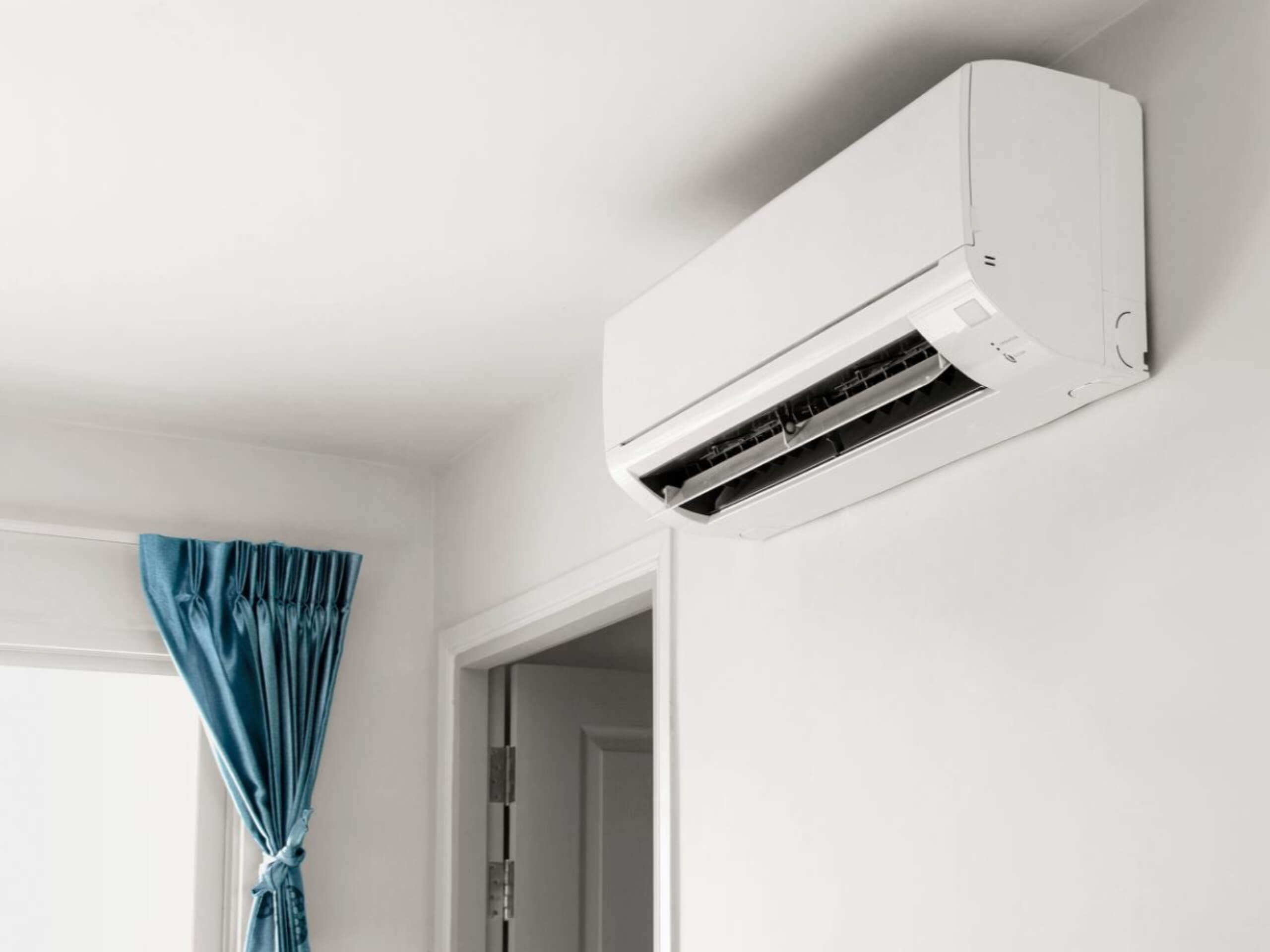
Image Source: colthomeservices.com
How Does A Wall Mounted Air Conditioner Work: Full Details
A wall-mounted air conditioner works by transferring heat from inside your home to the outside, cooling the air. It does this through a cycle involving refrigerant, a compressor, an evaporator coil, and a condenser coil. This type of unit, often referred to as a ductless air conditioner explanation, offers efficient and targeted cooling without the need for extensive ductwork.
Deciphering the Wall AC System Components
Wall-mounted air conditioners, often part of a mini split operation, are ingenious devices designed to provide comfort. Unlike traditional central air systems that rely on a network of ducts, these units are self-contained or split into two main parts: an indoor unit and an outdoor unit. Let’s break down the key components that make this cooling magic happen.
The Indoor Unit: Your Personal Cool Zone
The indoor unit is what you see mounted on your wall. It’s responsible for taking the warm air from your room and cooling it.
- Evaporator Coil: This is the heart of the indoor unit. It’s a series of metal fins through which a cold refrigerant flows. When warm room air is blown over these fins, the heat from the air is absorbed by the refrigerant.
- Blower Fan: This fan pulls warm air from the room and pushes it across the cold evaporator coil. Once cooled, the air is then blown back into the room, creating the refreshing breeze you feel.
- Air Filter: Essential for maintaining air quality, the filter traps dust, pollen, and other airborne particles as air enters the unit. Regular cleaning or replacement is vital for efficient operation and health.
- Drain Pan and Line: As the evaporator coil cools, moisture from the air condenses on it, much like water droplets forming on a cold glass. This collected water drips into a pan and is then removed from the unit via a drain line, usually routed to the outside.
- Control Panel/Remote: This allows you to set the desired temperature, fan speed, and operating mode.
The Outdoor Unit: The Heat Exchanger
The outdoor unit is typically mounted on the exterior of your home. Its primary job is to release the heat absorbed by the refrigerant from inside your house.
- Condenser Coil: This is similar to the evaporator coil but works in reverse. Hot refrigerant from the compressor flows through these fins.
- Condenser Fan: This fan pulls outside air across the condenser coil, helping to dissipate the heat from the refrigerant into the outside environment.
- Compressor: This is the “engine” of the air conditioner. It’s a powerful motor that compresses the refrigerant, increasing its pressure and temperature. This is a crucial step in the air conditioning cooling cycle.
- Expansion Valve (or Capillary Tube): Located between the condenser and evaporator, this device reduces the pressure and temperature of the refrigerant just before it enters the evaporator coil.
The Air Conditioning Cooling Cycle: A Continuous Loop of Comfort
The entire process of cooling your home with a wall-mounted air conditioner relies on a continuous cycle of a special substance called refrigerant. This cycle is a marvel of thermodynamics, efficiently moving heat from where you don’t want it to where it won’t bother you.
1. Refrigerant Flow in AC: The Heat Carrier
Refrigerant is the key player in the air conditioning cooling cycle. It’s a chemical compound that can easily change between a liquid and a gas. This ability to absorb and release heat during these phase changes is what makes air conditioning possible.
- Low-Pressure Liquid Refrigerant: The cycle begins with the refrigerant in a low-pressure, liquid state. It’s relatively cool at this point.
- Evaporation and Heat Absorption: The liquid refrigerant flows into the indoor unit’s evaporator coil. As the room’s warm air is blown over the coil, the refrigerant absorbs the heat from the air. This heat causes the refrigerant to evaporate, turning into a low-pressure gas.
- Compressor’s Role: The now gaseous refrigerant travels to the outdoor unit’s compressor.
- Compression and High Pressure: The compressor squeezes the refrigerant gas, significantly increasing its pressure and, consequently, its temperature. It’s now a high-pressure, hot gas.
- Condensation and Heat Release: This hot, high-pressure gas then flows into the outdoor unit’s condenser coil. The condenser fan blows cooler outside air over these coils. As the refrigerant cools down, it releases the heat it absorbed from inside your home into the outdoor air. During this process, the refrigerant condenses back into a high-pressure liquid.
- Expansion and Cooling: The high-pressure liquid refrigerant then passes through an expansion valve. This valve restricts the flow, causing a sudden drop in pressure and temperature. The refrigerant becomes a cold, low-pressure liquid again, ready to start the cycle anew.
Compressor Function in Air Conditioning: The Powerhouse
The compressor function in air conditioning is absolutely critical. It’s the component that drives the entire cooling cycle by manipulating the pressure and temperature of the refrigerant. Think of it as the heart of the system, pumping the refrigerant through the coils and enabling the heat transfer. Without the compressor, the refrigerant wouldn’t be able to circulate and change its state effectively, rendering the air conditioner useless.
Evaporator Coil Purpose: The Indoor Heat Grabber
The evaporator coil purpose is to absorb heat from your indoor air. As the cool, liquid refrigerant flows through the evaporator coil in the indoor unit, it acts like a sponge, soaking up the warmth from the air that the blower fan pushes across it. This is where the actual cooling of the air that enters your room happens.
Condenser Unit Role: The Outdoor Heat Releaser
The condenser unit role is to release the heat absorbed by the refrigerant outside your home. The hot, high-pressure refrigerant gas from the compressor flows through the condenser coils in the outdoor unit. The fan circulates outside air over these coils, allowing the heat to dissipate into the atmosphere. This is the counterpart to the evaporator’s job, completing the heat transfer.
Thermostat Control of Cooling: Your Command Center
The thermostat control of cooling is how you tell your wall-mounted air conditioner what you want it to do. It’s the user interface that translates your desired comfort level into actions for the system.
- Setting the Temperature: When you set your thermostat to a specific temperature, you’re telling the system the target temperature you want to maintain in the room.
- Sensing Room Temperature: The thermostat has a sensor that constantly monitors the current temperature of the room.
- Starting and Stopping the Cycle: If the room temperature is higher than your set point, the thermostat signals the air conditioner to turn on and begin the cooling cycle. Once the room reaches the desired temperature, the thermostat signals the system to turn off or enter a standby mode.
- Fan Speed and Modes: Many thermostats also allow you to control the fan speed (low, medium, high) and select different operating modes (cool, fan only, dry/dehumidify).
The Split System Air Conditioner Diagram: Visualizing the Flow
To truly grasp how a wall-mounted air conditioner works, visualizing its components and their interactions is helpful. While a full split system air conditioner diagram can be complex, a simplified representation shows the crucial links between the indoor and outdoor units.
Imagine two boxes connected by refrigerant lines and electrical wiring.
- Indoor Unit: Mounted on an interior wall, containing the evaporator coil and blower.
- Outdoor Unit: Mounted outside, containing the compressor, condenser coil, and fan.
- Refrigerant Lines: These are the insulated copper tubes that carry the refrigerant between the indoor and outdoor units. One line carries the cold liquid refrigerant to the indoor unit, and the other carries the hot gaseous refrigerant back to the outdoor unit.
- Electrical Wiring: Provides power to both units and allows communication between them and the thermostat.
- Drain Line: Carries condensation away from the indoor unit.
This separation of components is a key feature of the mini split operation, allowing the noisy compressor and condenser to be placed outside, resulting in quieter operation indoors.
Efficiency and Advantages of Wall Mounted ACs
Wall-mounted air conditioners, or ductless mini-splits, offer several advantages over traditional central air systems.
Energy Efficiency
- Targeted Cooling: You can cool specific rooms, rather than an entire house, leading to significant energy savings.
- No Duct Losses: Traditional systems can lose up to 30% of their cooled air through leaky ducts. Ductless systems eliminate this loss.
- Variable Speed Compressors: Many modern units feature variable-speed compressors that adjust their output based on cooling demand, using less energy than single-stage compressors.
Installation Flexibility
- No Ductwork Required: This makes them ideal for older homes, additions, or spaces where running ductwork is impractical or expensive.
- Easy Installation: The installation process is generally less invasive and quicker than installing a central air system.
Improved Air Quality
- Multi-Stage Filtration: Many units offer advanced filtration systems to remove allergens, dust, and other pollutants from the air.
- Dehumidification Mode: Helps to control humidity levels, which can improve comfort and prevent mold growth.
Maintenance for Optimal Performance
To ensure your wall-mounted air conditioner operates efficiently and reliably for years to come, regular maintenance is essential.
Essential Maintenance Tasks:
- Clean or Replace Air Filters: This is the most important task for homeowners. Dirty filters restrict airflow, reduce efficiency, and can lead to system strain. Check them monthly and clean or replace as needed.
- Clean Evaporator and Condenser Coils: Over time, dust and debris can accumulate on the coils, hindering heat transfer. This is often best left to a professional.
- Check Drain Line: Ensure the drain line is clear and not clogged to prevent water backup and potential water damage.
- Inspect Outdoor Unit: Keep the area around the outdoor unit clear of debris, leaves, and vegetation to ensure proper airflow.
- Professional Servicing: It’s recommended to have a qualified technician inspect and service your unit annually. They can check refrigerant levels, electrical connections, and perform more in-depth cleaning and diagnostics.
Frequently Asked Questions (FAQ)
Q1: How often should I clean the air filters in my wall-mounted air conditioner?
A1: It’s generally recommended to clean or replace your air filters every 1 to 3 months, depending on usage and air quality. In dusty environments or if you have pets, you may need to do so more frequently.
Q2: Can I install a wall-mounted air conditioner myself?
A2: While some DIY-savvy individuals might attempt it, professional installation is highly recommended. Proper installation is crucial for efficiency, safety, and warranty validity. It involves handling refrigerants and electrical connections, which require specialized knowledge and tools.
Q3: What is the typical lifespan of a wall-mounted air conditioner?
A3: With proper maintenance, a wall-mounted air conditioner can last between 15 to 20 years.
Q4: How does a wall-mounted air conditioner affect my electricity bill?
A4: Wall-mounted air conditioners, especially newer, energy-efficient models, are often more efficient than central air systems when used to cool specific zones. By only cooling occupied rooms, you can significantly reduce your energy consumption and costs.
Q5: What does “mini split operation” mean?
A5: “Mini split operation” refers to the functionality of a ductless mini-split air conditioning system, which typically consists of an outdoor compressor/condenser unit and one or more indoor air-handling units connected by refrigerant lines. This allows for zone cooling and heating without the need for traditional ductwork.

My name is Carlos Gadd, and I am the creator of AirPurityGuide.com.. With a passion for footwear, I share my experiences, insights, and expertise about shoes. Through my blog, I aim to guide readers in making informed decisions, finding the perfect pair, and enhancing their footwear knowledge. Join me on this journey to explore everything about shoes!